
In the Vanilla Grove, Man and Horse
1891 · Guggenheim, New York City
A man and a white horse in a Tahitian grove, painted on Gauguin's first stay, flat and warm and looking for a paradise.
★ 5.2
 skopia
A man and a white horse in a Tahitian grove, painted on Gauguin's first stay, flat and warm and looking for a paradise.

The horse and the groom take up most of the canvas and neither notices anything. The miracle happens entirely inside the man on the ground.
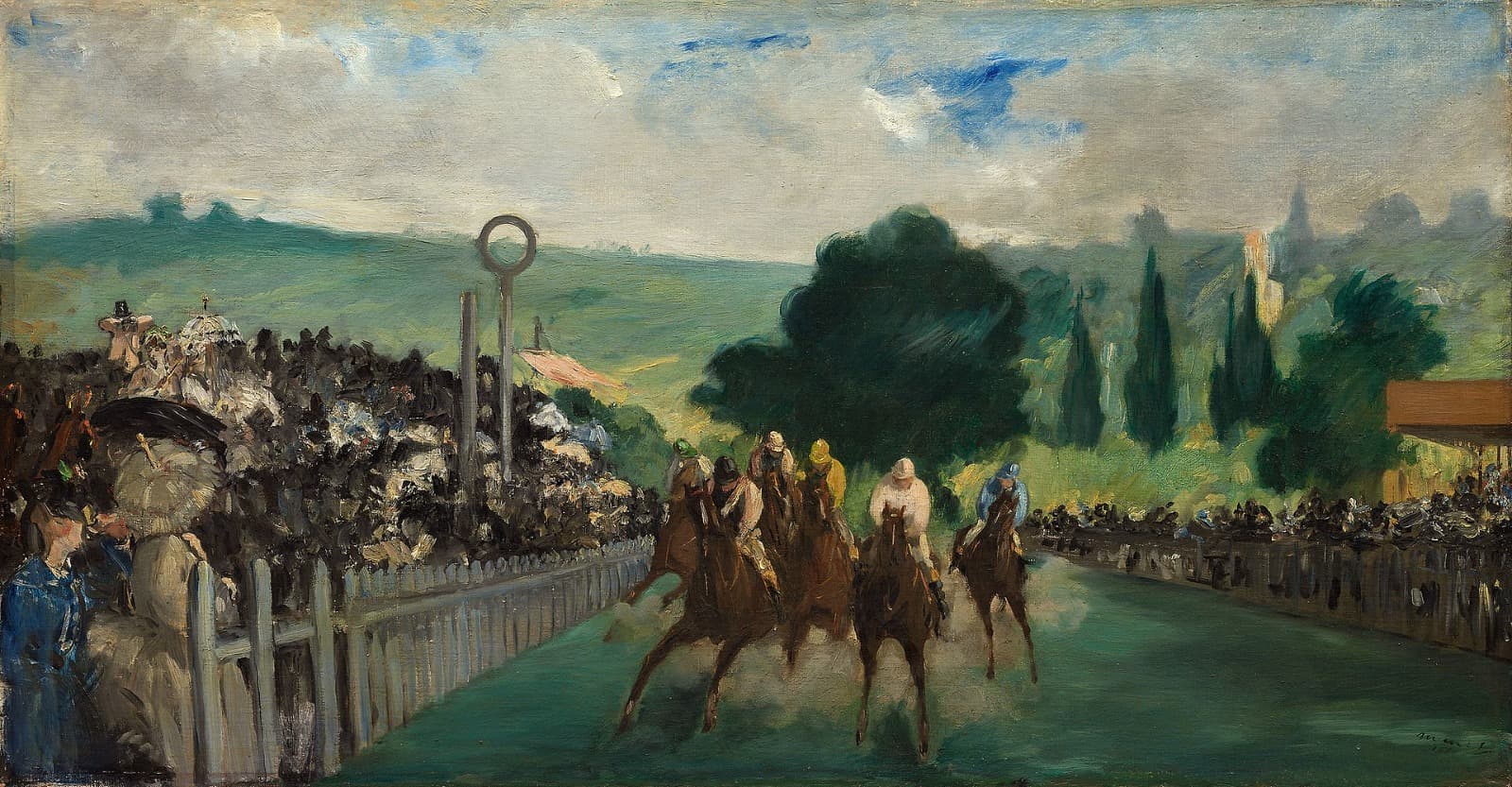
The horses come straight at you instead of across the frame, which nobody painting racehorses had bothered to try.

Saul sprawls on the ground with his arm up while the white horse rears above him with something close to ballet in it.

The Rose Period cooling off into something graver and more archaic, the boy and horse built like figures off a Greek relief.
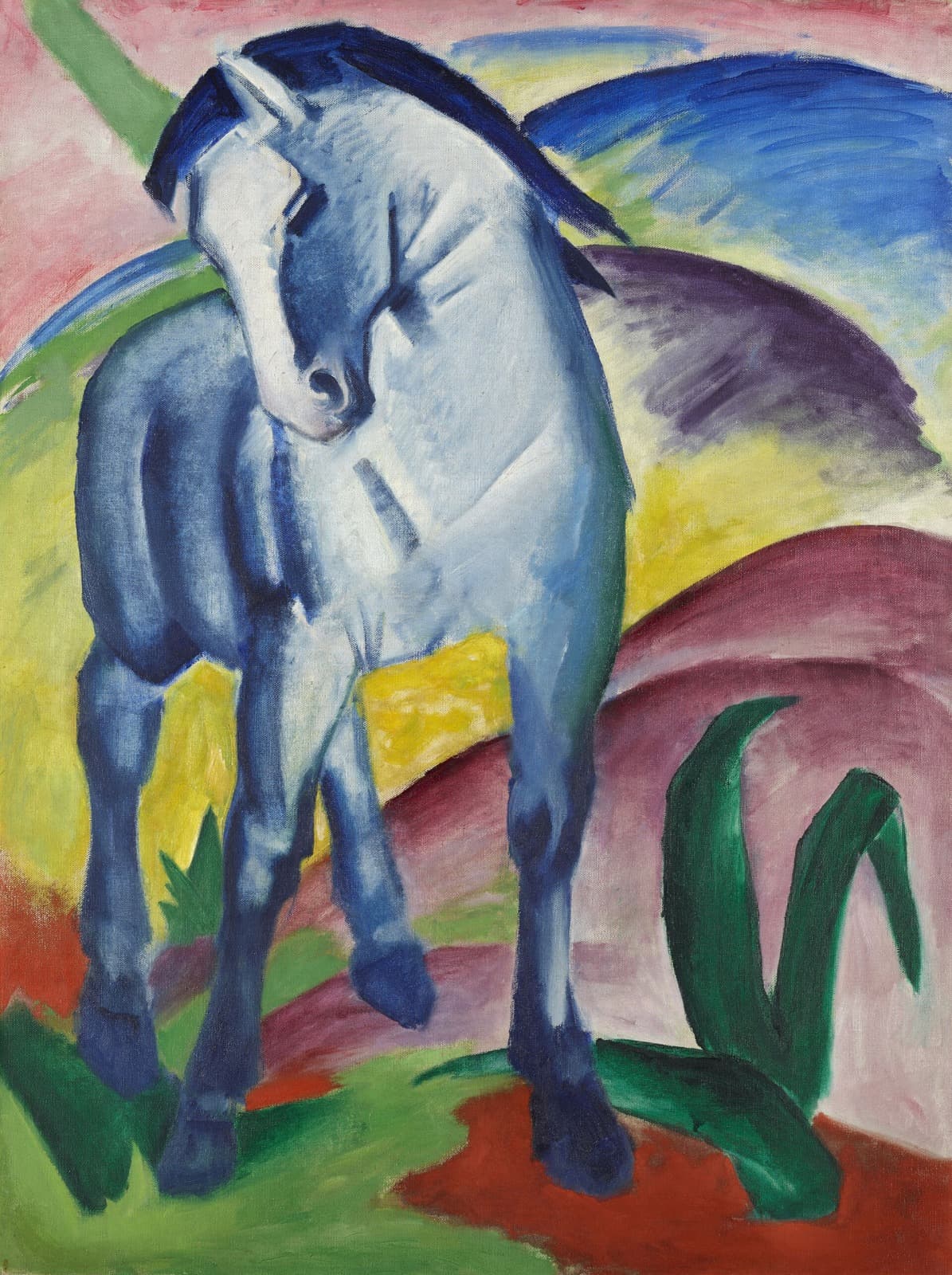
Marc gave his animals symbolic colors, blue for the spiritual, and looked to them for an innocence he thought people had lost.

Broken lances lie along the receding lines of a perspective grid. Vasari said Uccello sat up all night muttering about how sweet it was.

A green-faced peasant and a cow look at each other, and the houses behind them are upside down. Chagall grew up in Vitebsk.

A young horseman rides into the dusk armed and alert, and nobody has ever agreed who he is or where he is going.

The Spanish general stops the defeated Dutchman from kneeling and lays a hand on his shoulder. Spaniards still call the picture The Lances.
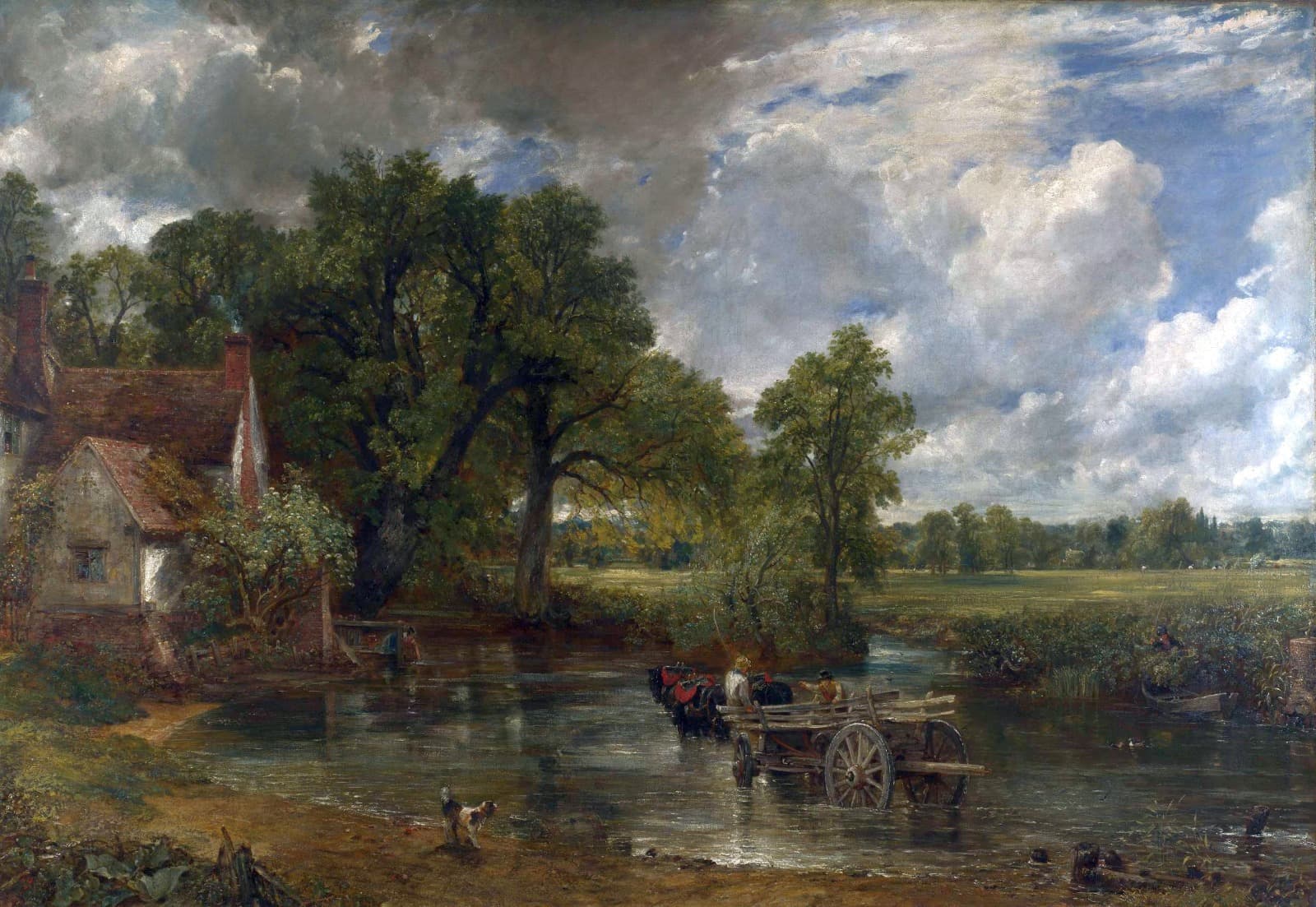
England ignored it, but the Paris Salon awarded it a gold medal in 1824 and sent Delacroix back to rework his own canvases.

The goddesses of the east pediment wear drapery so wet it clings. Elgin took the marbles to London in 1801 and Greece wants them back.
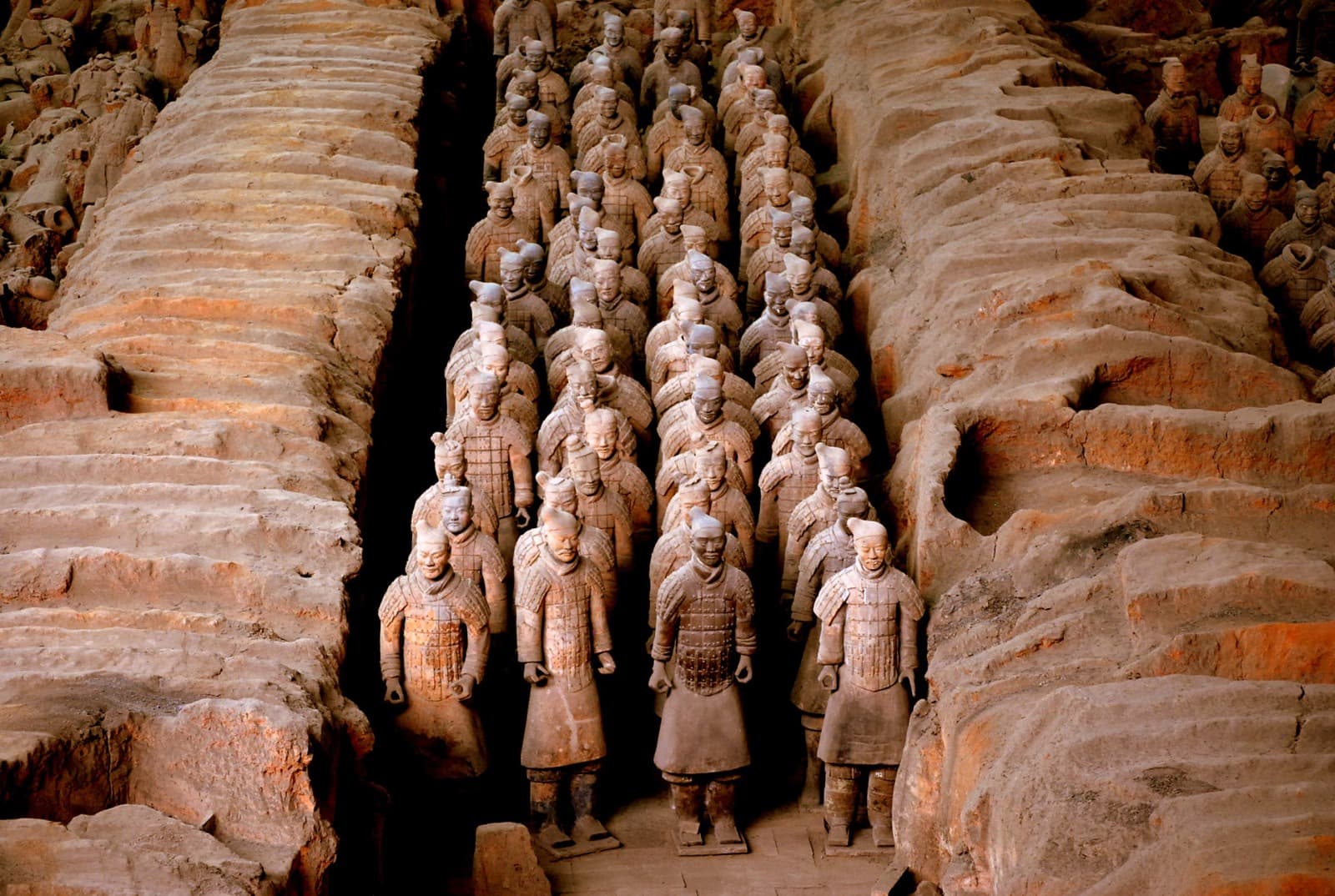
Thousands of life-size clay soldiers in battle formation, no two faces alike, guarding an emperor's tomb since 210 BC.