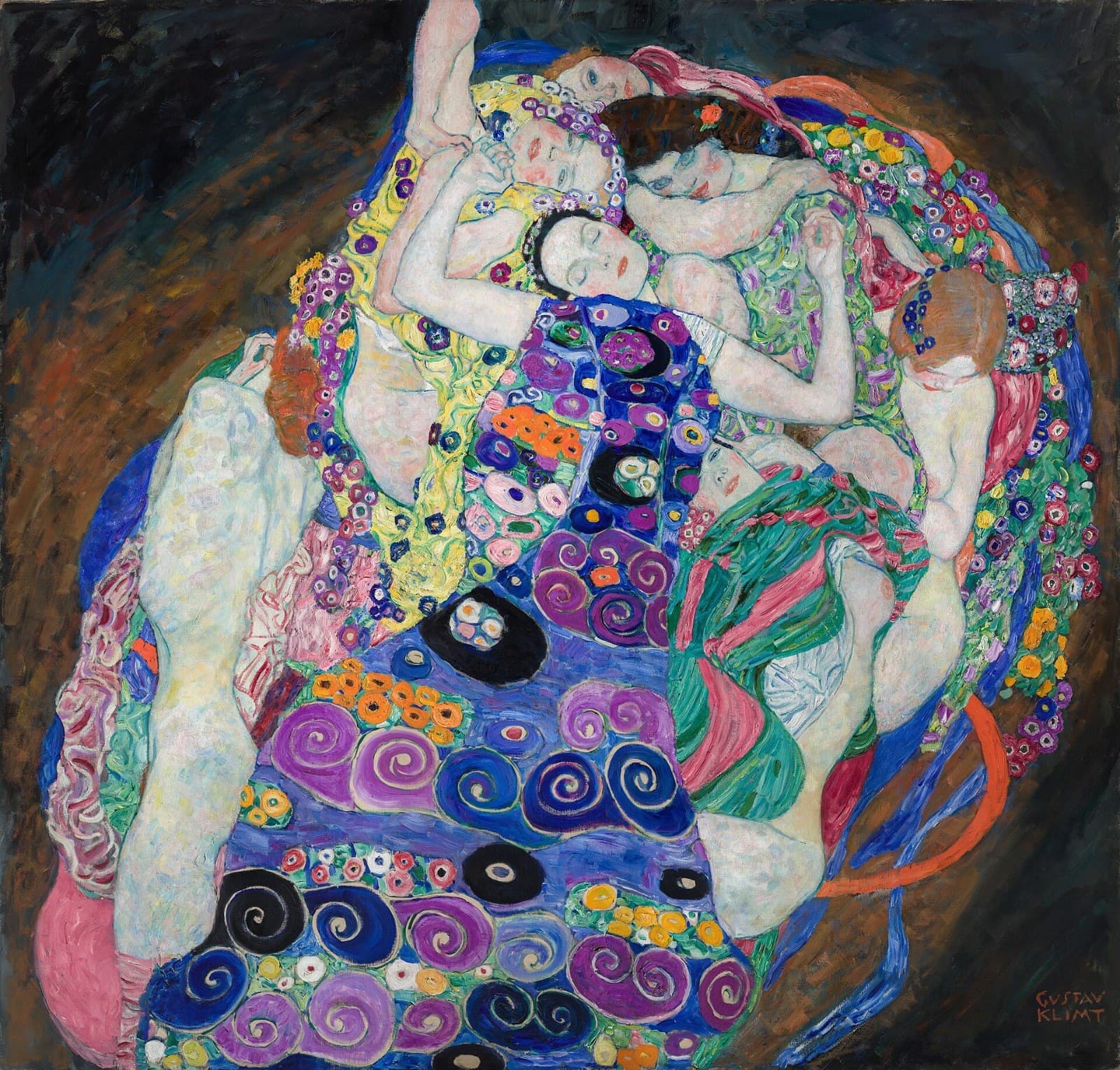
The Virgin
1913 · Narodni Galerie, Prague
Sleeping women tangled into a whirlpool of pattern and flowers, one of them at the center just about to wake up.
★ 5.7
 skopia
Sleeping women tangled into a whirlpool of pattern and flowers, one of them at the center just about to wake up.
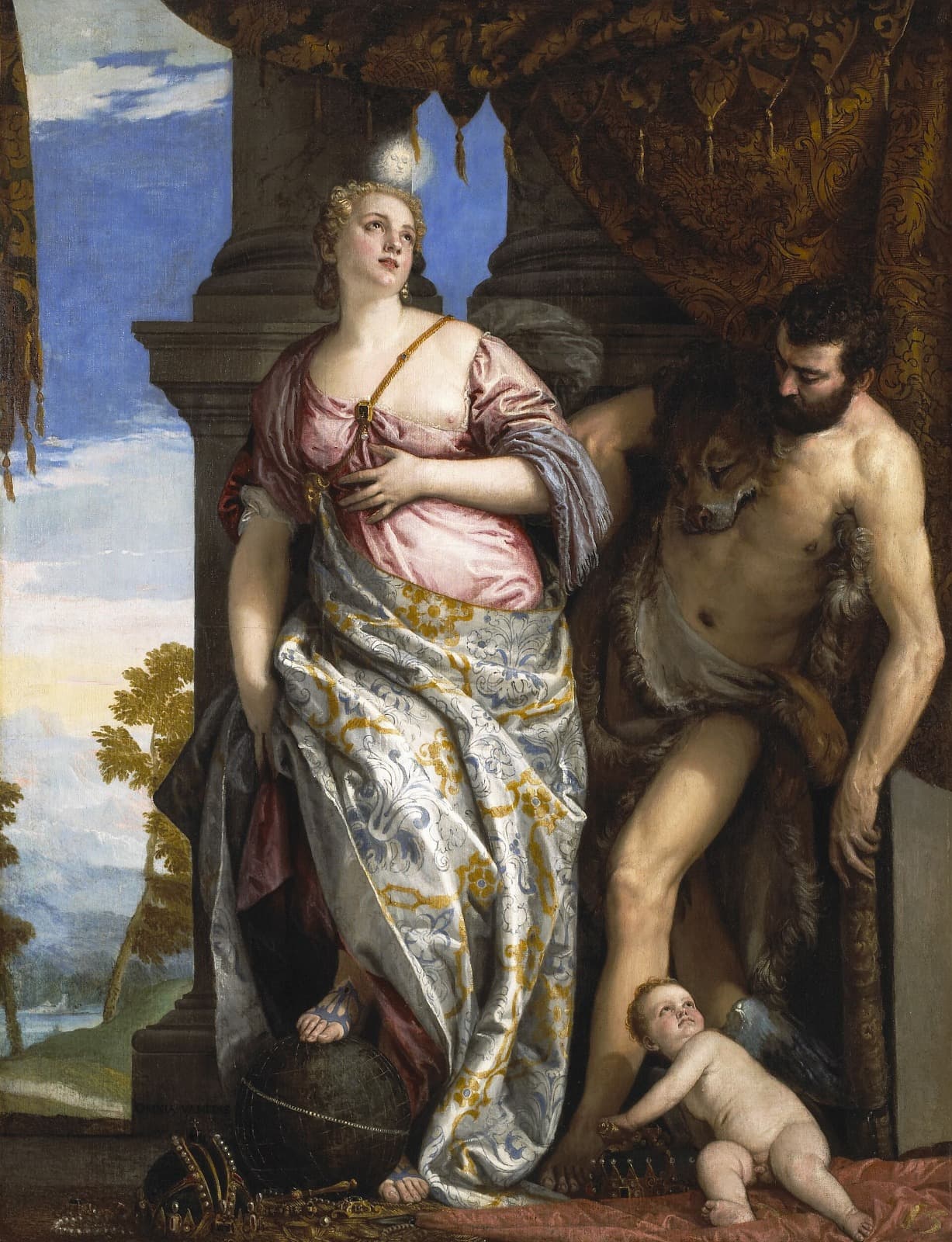
Divine Wisdom looks up and Hercules looks down at a scatter of crowns and jewels, which is the entire argument of the picture.

Spartan girls taunt the boys into wrestling, and Degas made the bodies awkward rather than ideal, which is not how history painting was done.

Marie-Thérèse asleep in a red armchair, her face split into curves. Picasso is said to have done it in a single afternoon.
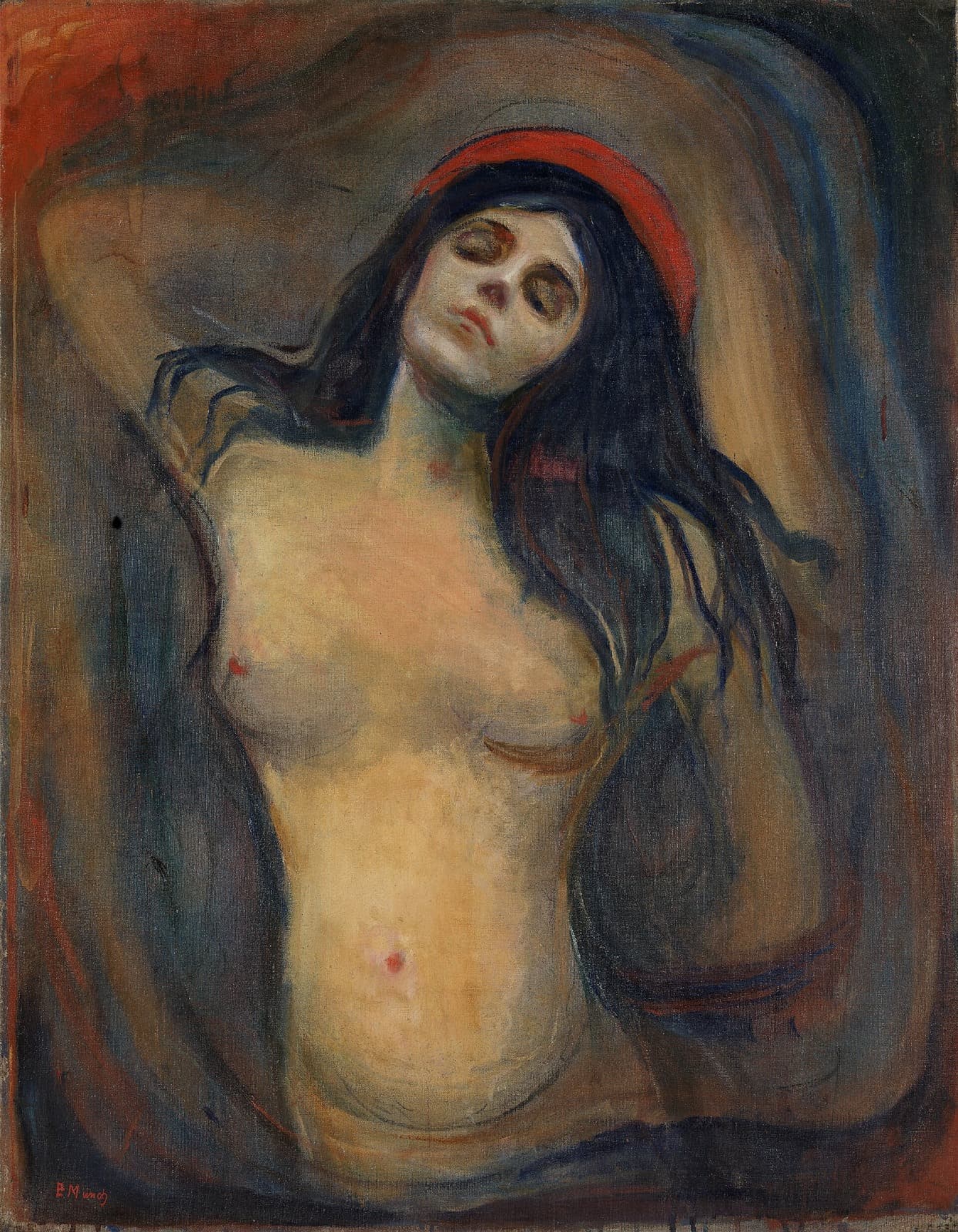
Munch gave the Madonna a red halo, closed eyes and parted lips, and made desire and death the same subject.
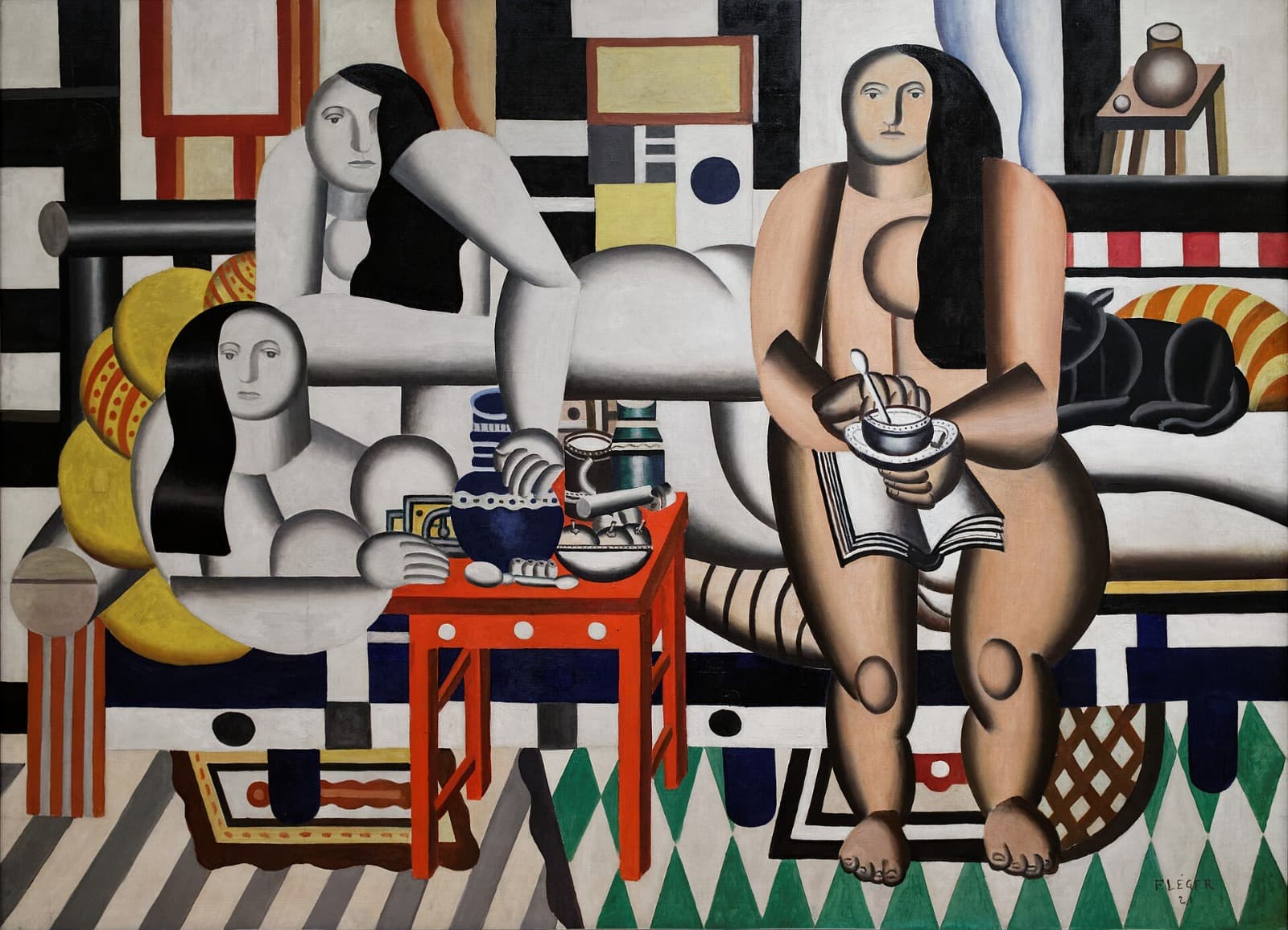
Three nudes turned on a lathe, smooth and tubular, laid out among furniture built to match. The odalisque redone for the age of the factory.
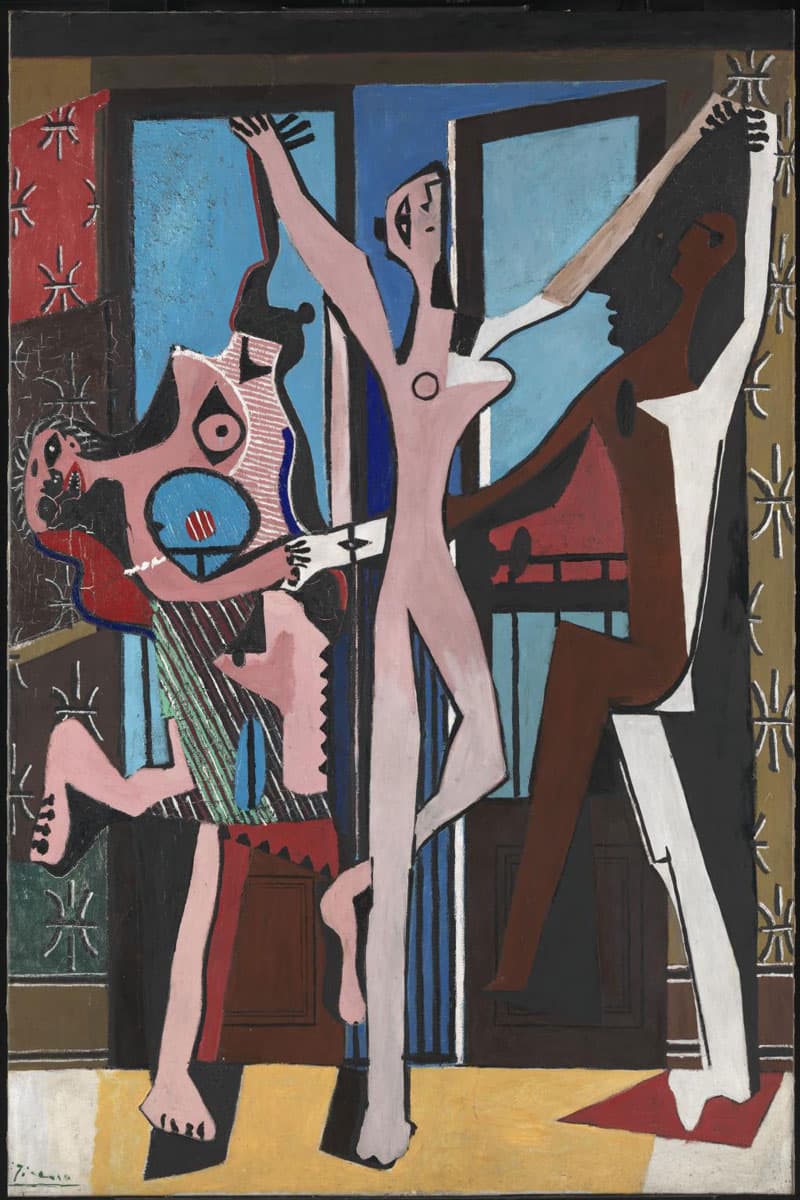
Picasso's classical calm breaks here into something jagged and violent, the limbs flung out almost crucified, set off by the death of an old friend.
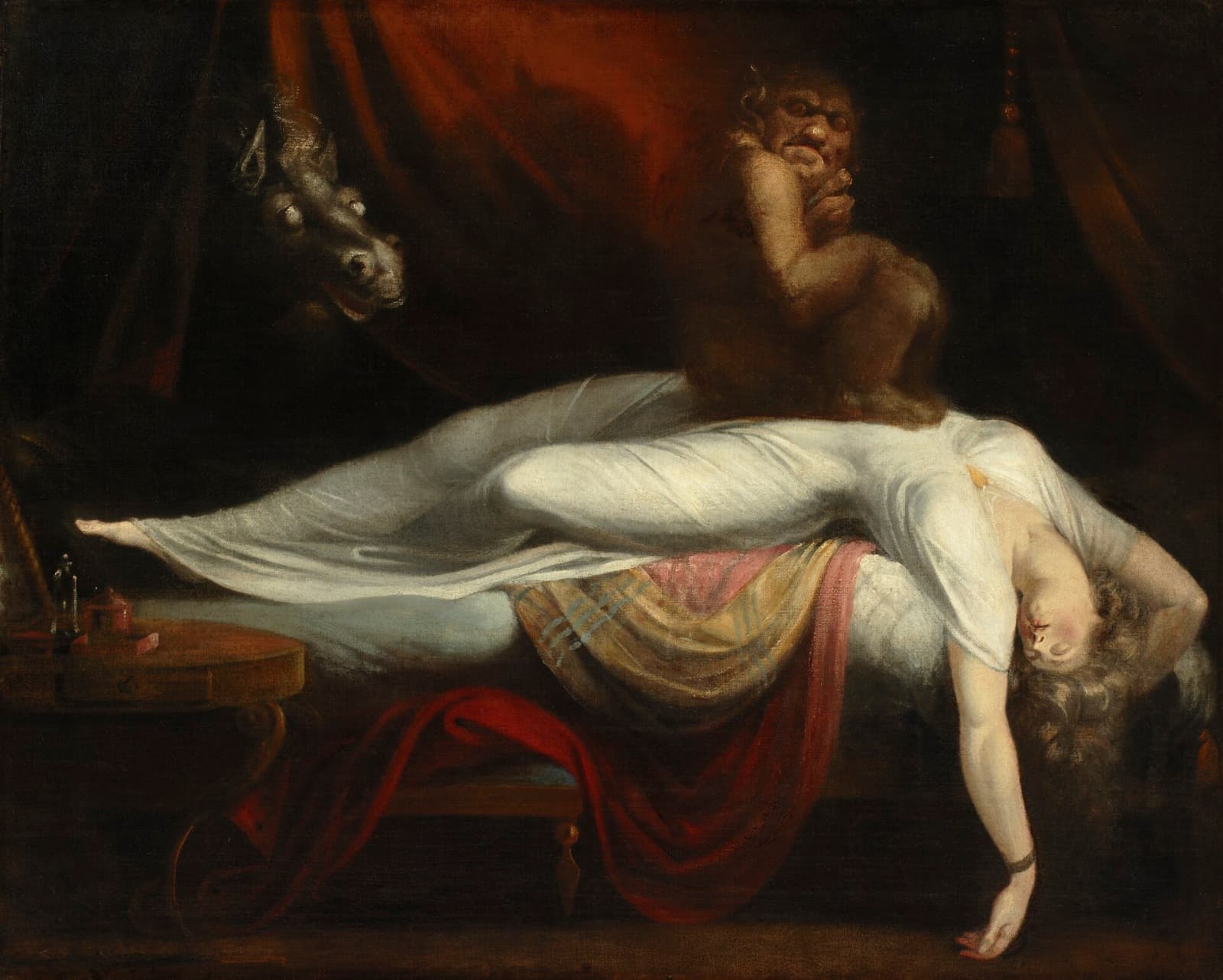
An incubus squats on a sleeping woman's chest while a wild-eyed horse pushes through the curtains. It made Fuseli famous immediately.

Cupid's wings stay up as the two bodies cross in a weightless X, cut so smooth the marble stops reading as stone.
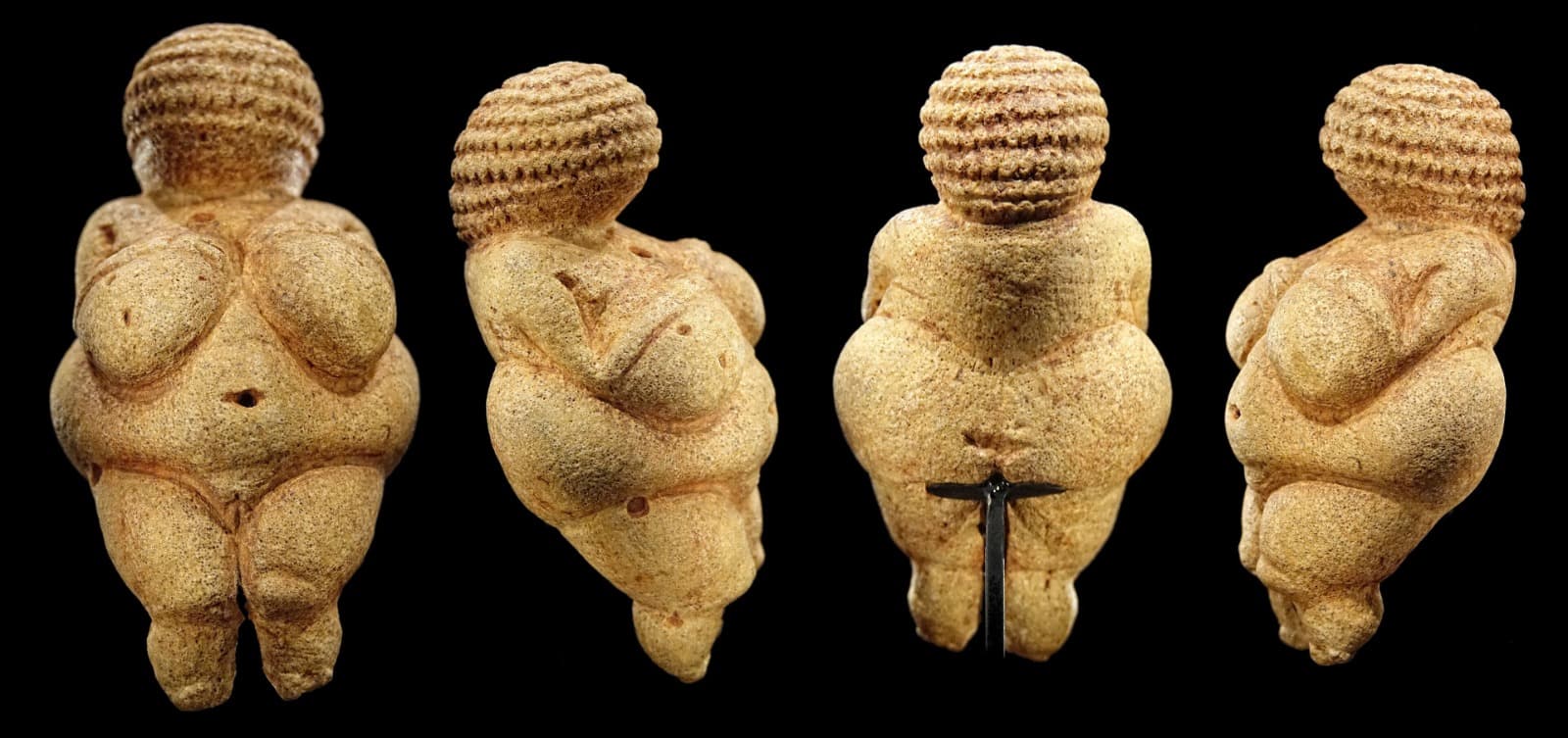
Eleven centimeters of limestone from beside the Danube, once tinted red, with a woven cap covering the whole head and no face at all.

Couples linger on the shore of Venus's island at dusk, unwilling to board. Watteau gave it to the Academy, which invented a genre to fit it.
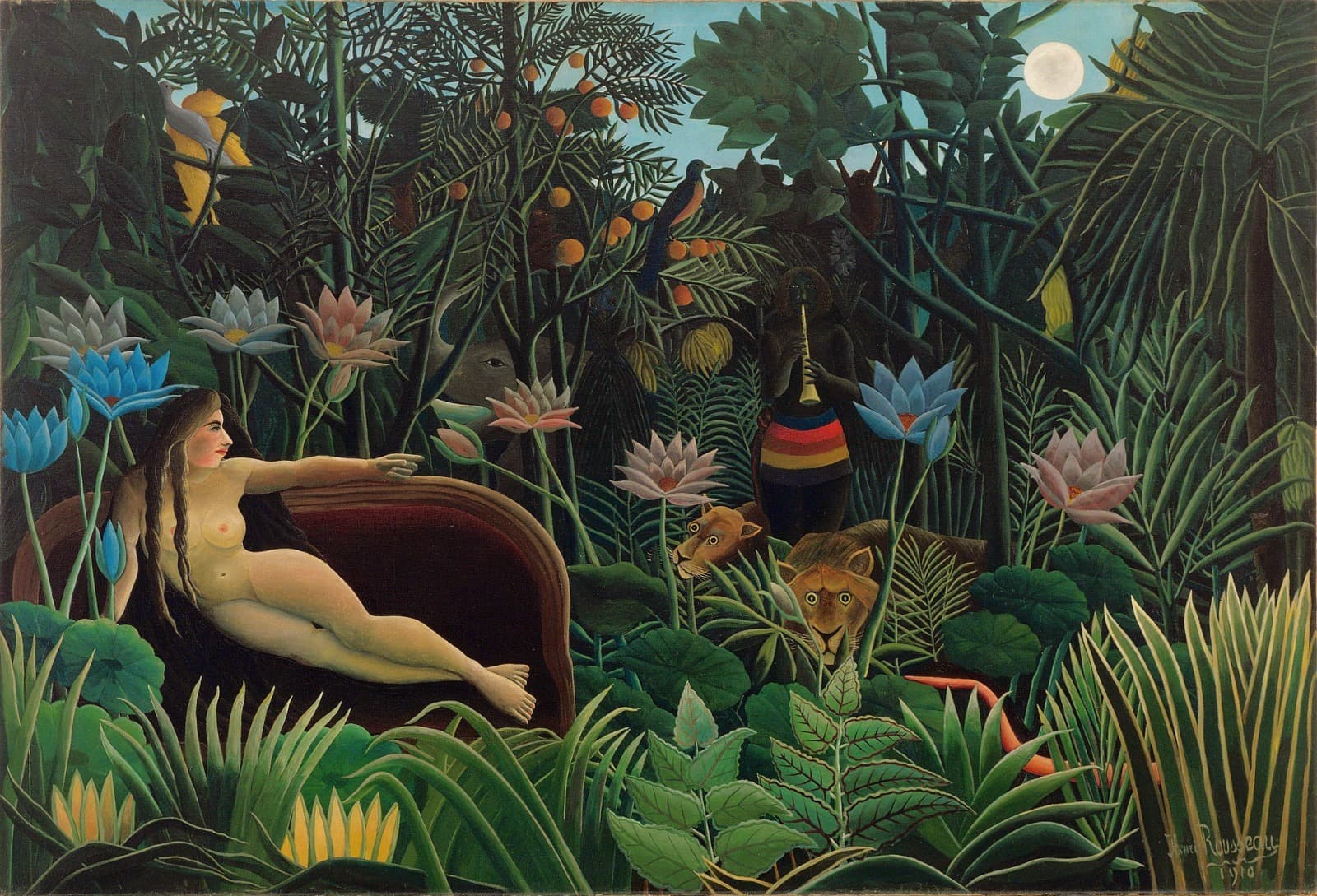
Rousseau painted this in the last year of his life and explained that the woman on the sofa is dreaming herself into the jungle.

Gauguin thought he was dying and meant this to be his last work, reading right to left from a sleeping infant to an old woman.