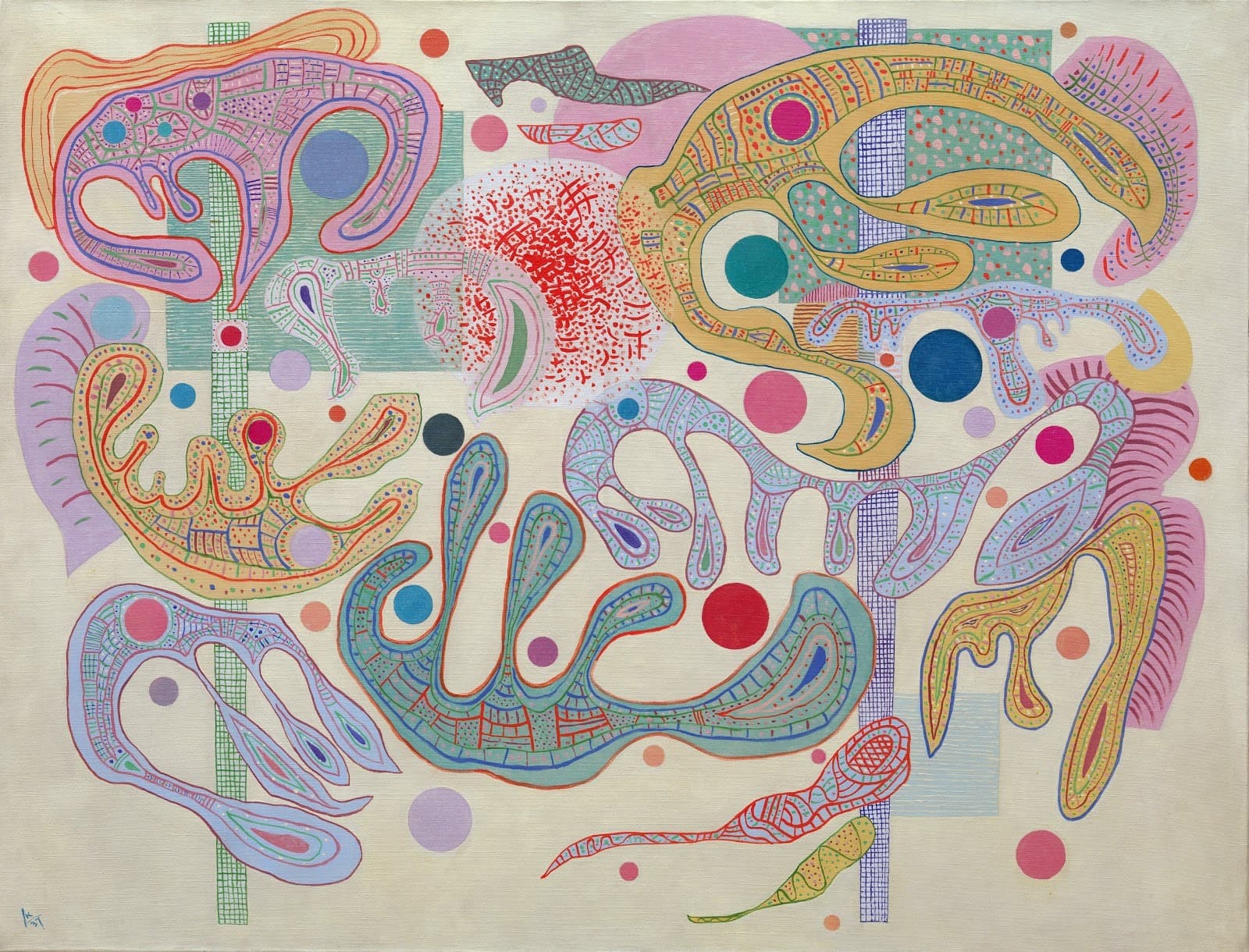
Capricious Forms
1937 · Guggenheim, New York City
The Bauhaus grids and circles have given way to floating amoebas. Kandinsky in Paris at the end, inventing a biology instead.
★ 4.8
 skopia
The Bauhaus grids and circles have given way to floating amoebas. Kandinsky in Paris at the end, inventing a biology instead.
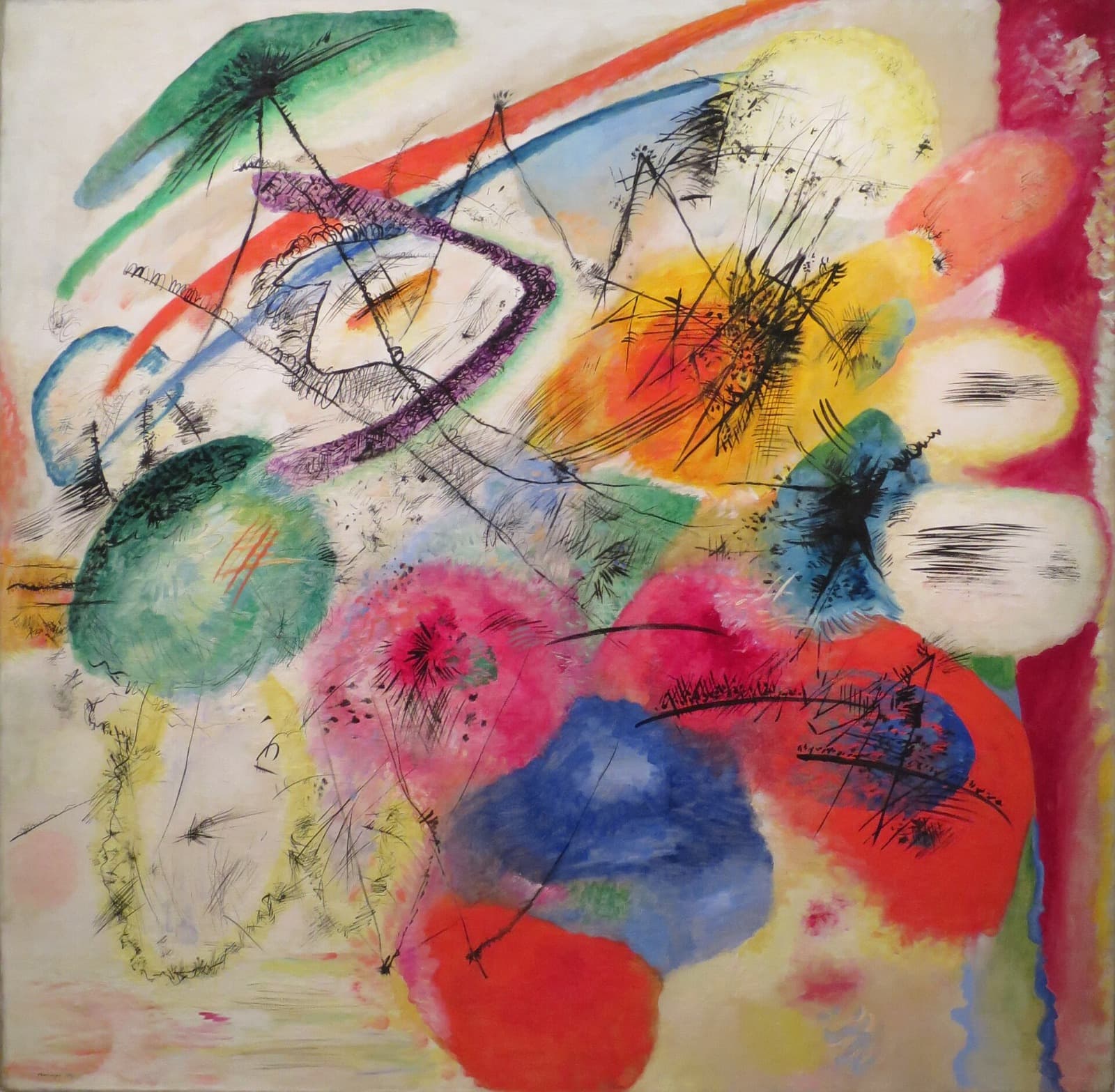
Black skeins and floating patches of color with nothing recognizable in it at all. Kandinsky thought painting could work on you like music.

Colored bars drift at diagonals across a white void with no ground under them, which Malevich meant as pure feeling and nothing else.
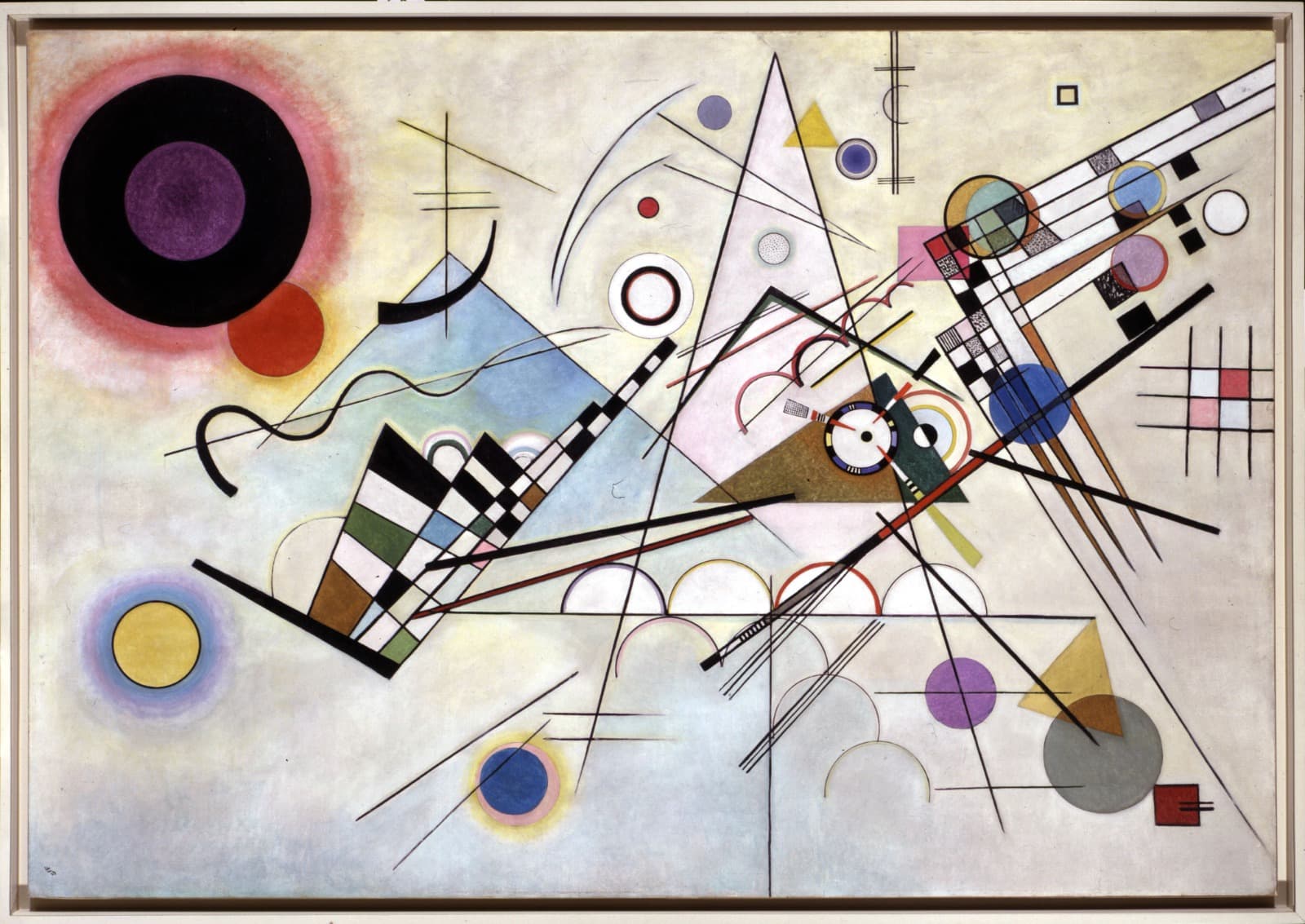
Circles, triangles and floating lines arranged with the precision of a score. Kandinsky painted it while teaching at the Bauhaus, his storms over.

Black lines, white ground, three primary colors and nothing else. Mondrian spent decades taking painting down to this and called it Neo-Plasticism.

Mondrian broke his own grid into blinking squares after moving to New York, where he loved the traffic and the jazz.
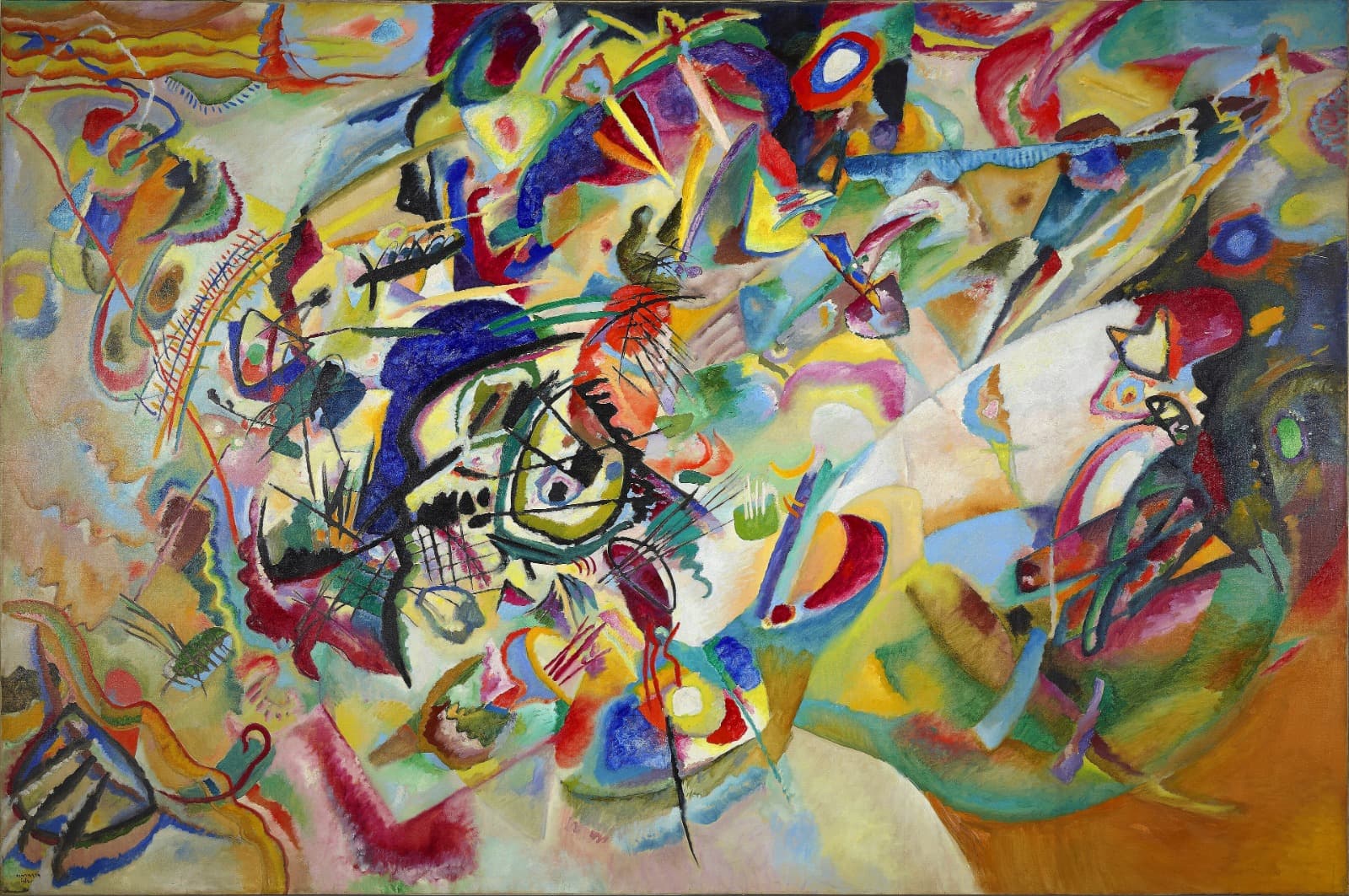
Kandinsky made more than thirty studies for this and then painted the four-meter canvas in three days, apocalypse dissolved past recognition.
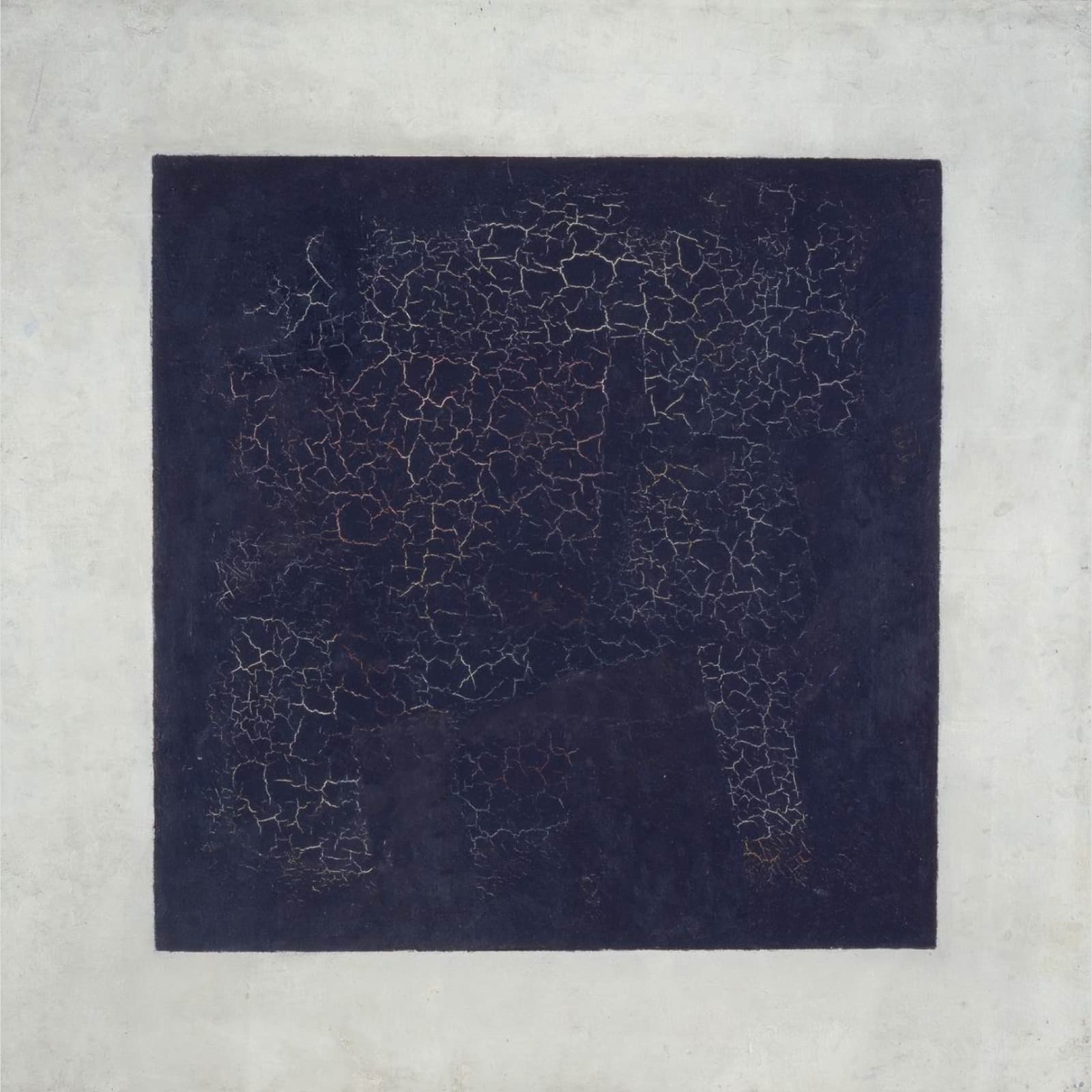
Malevich hung it high in the corner where a Russian house keeps its icons, and called it the zero of form.
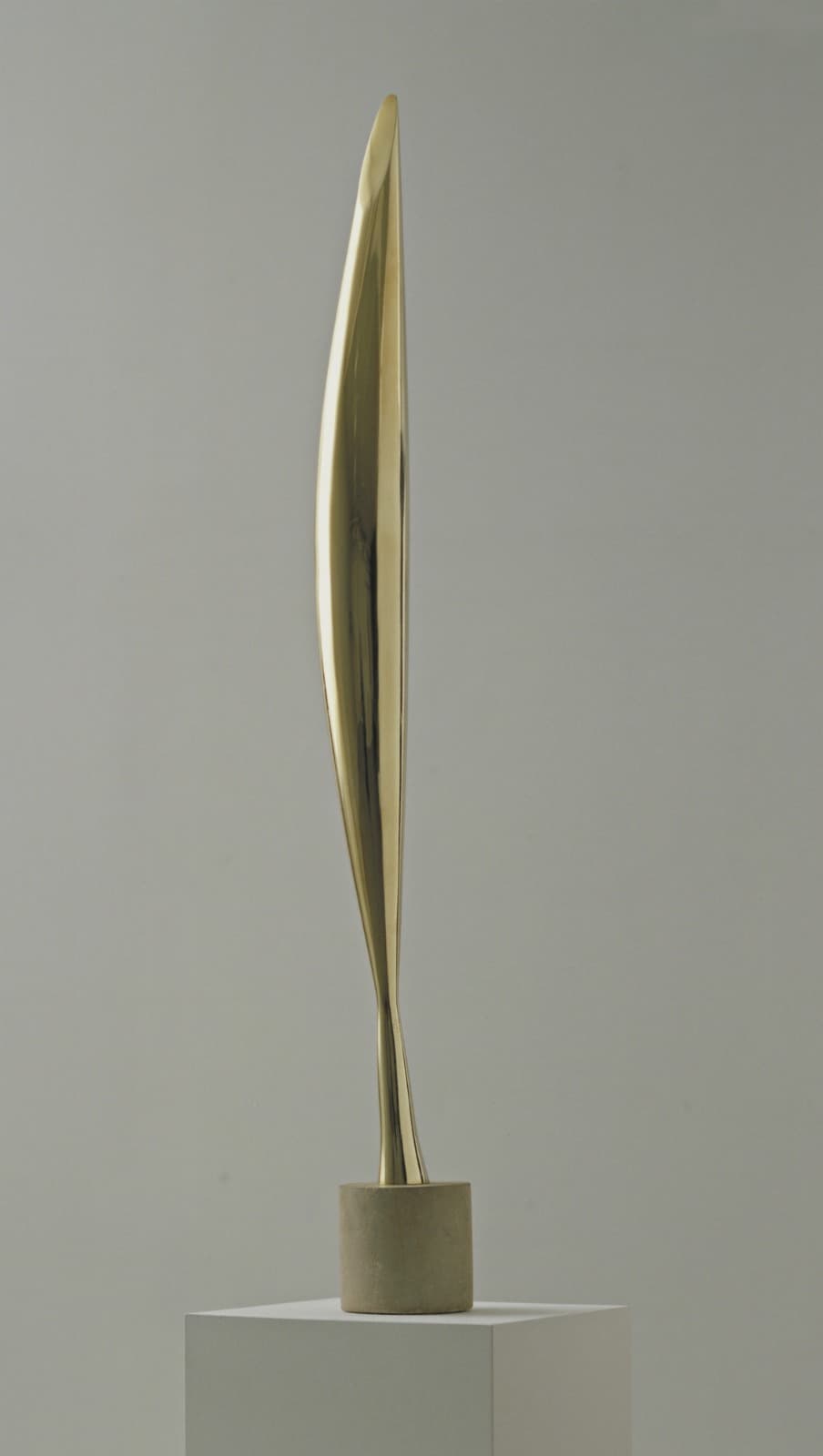
American customs taxed it as industrial metal until Brancusi v. United States in 1928 forced the law to recognize abstract sculpture as art.