
Christ Bearing the Cross, with a Dominican Friar
1360 · The Frick Collection, New York City
Christ looks back over the cross at a tiny Dominican friar kneeling in the corner, the patron drawn into the road to Calvary.
★ 3.2
 skopia
Christ looks back over the cross at a tiny Dominican friar kneeling in the corner, the patron drawn into the road to Calvary.

No bigger than a page, and one of very few works securely given to Cimabue, whom Dante named the best painter of his day.

John stands lost in his book, wrapped in red cloth massed like masonry. One wing of an altarpiece now scattered across five cities.
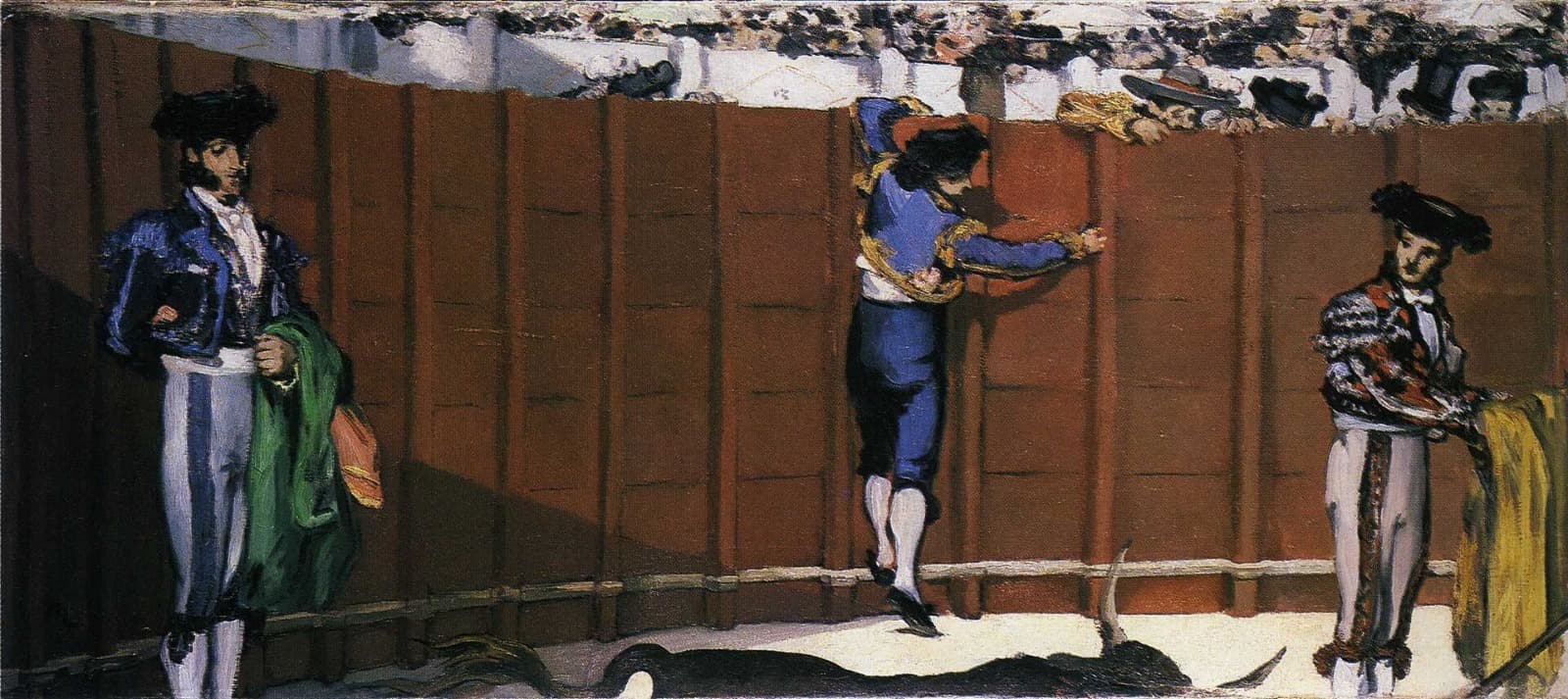
Manet cut up the original canvas because he was unhappy with it, and this is one of the surviving pieces.

Christ preaches from a hilltop and is almost too small to find. Claude was really painting the hills, the water and the distance.

The Devil offers all the kingdoms of the world, rendered as tiny gold-edged walled towns scattered down the slopes, and is refused.
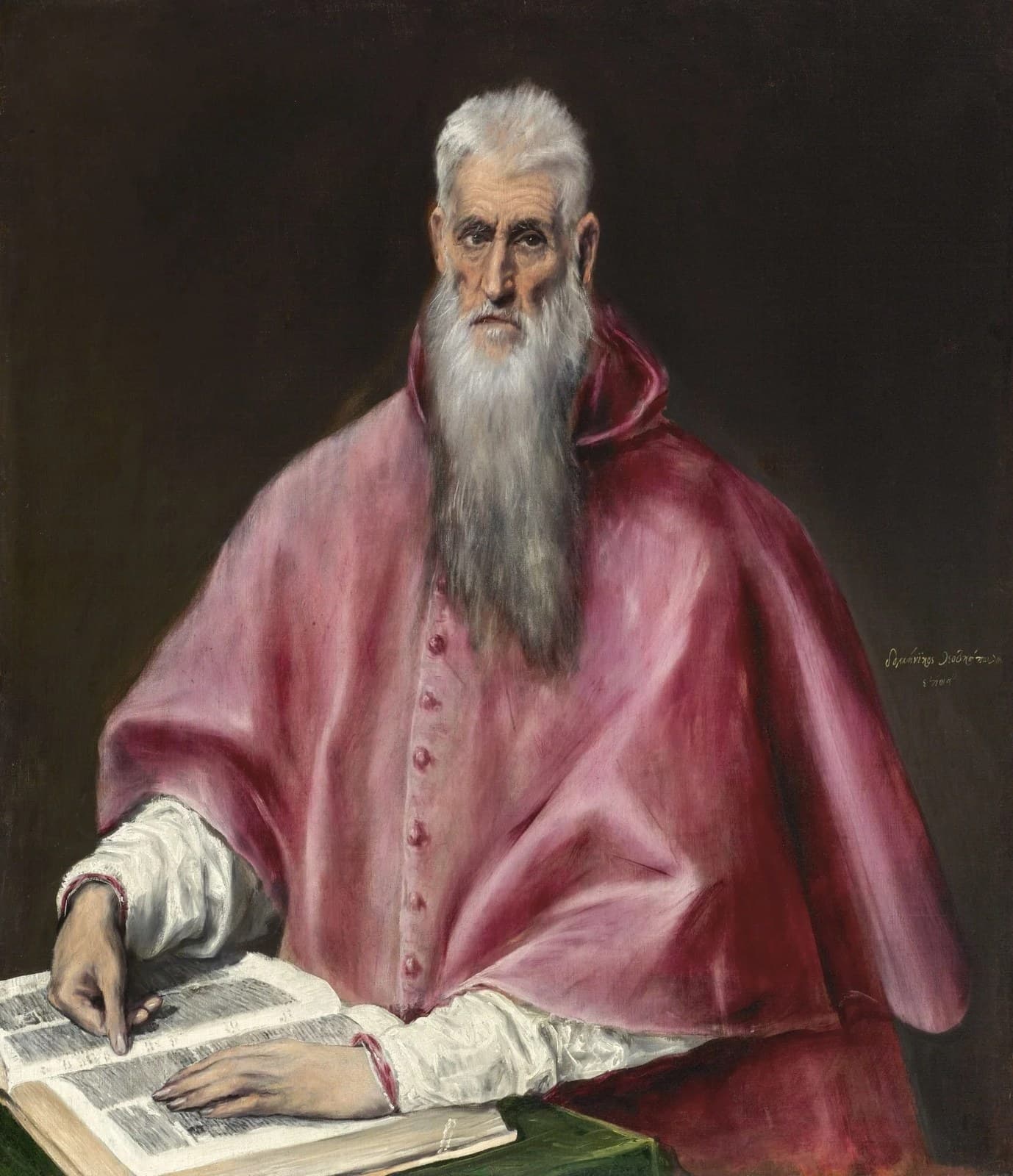
Not the desert hermit but the Doctor of the Church, in cardinal's red with one long hand resting on his own translation of the Bible.
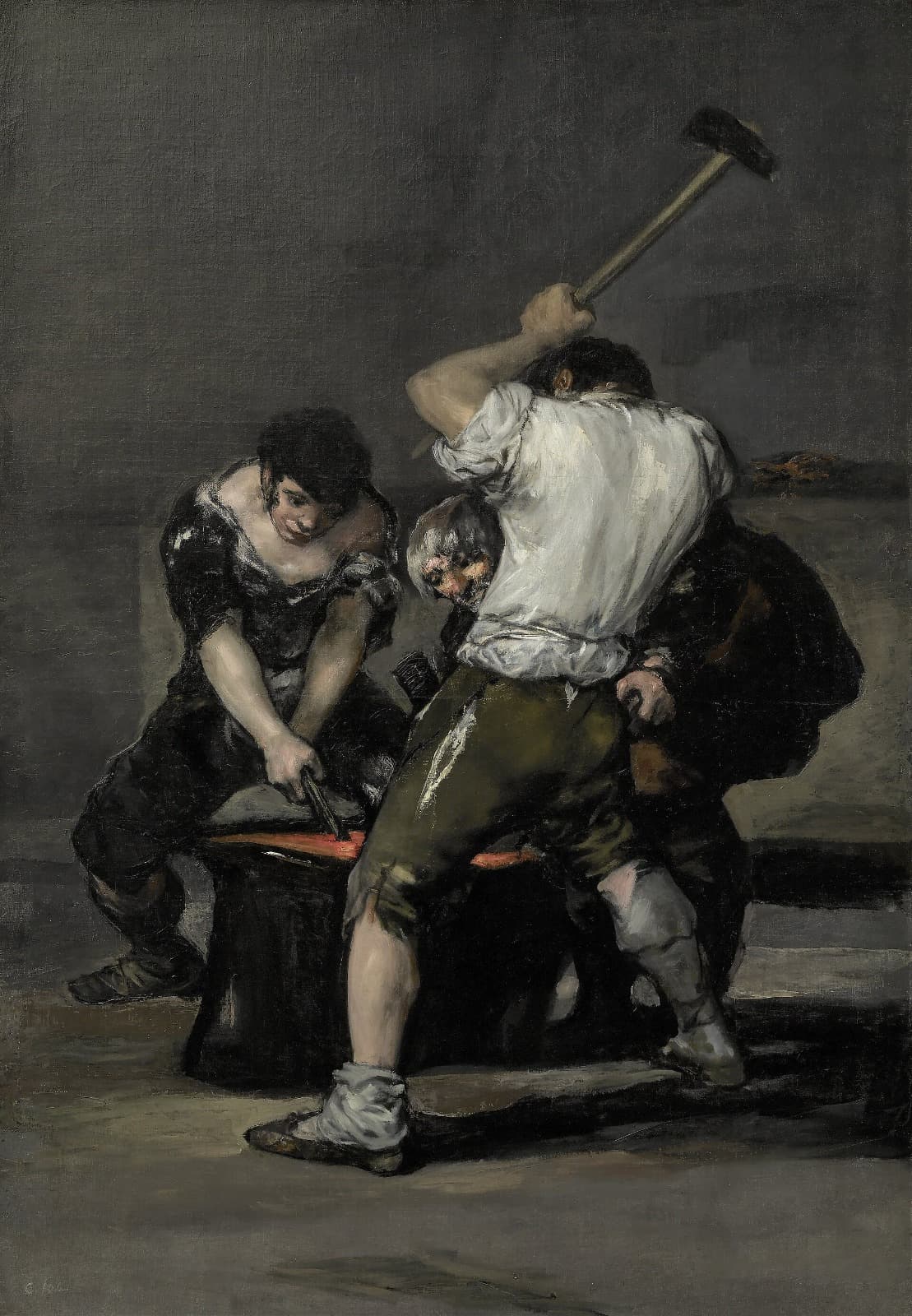
Three smiths at a forge, one hammer at the top of its swing. Goya gave laboring men the scale usually kept for gods and kings.
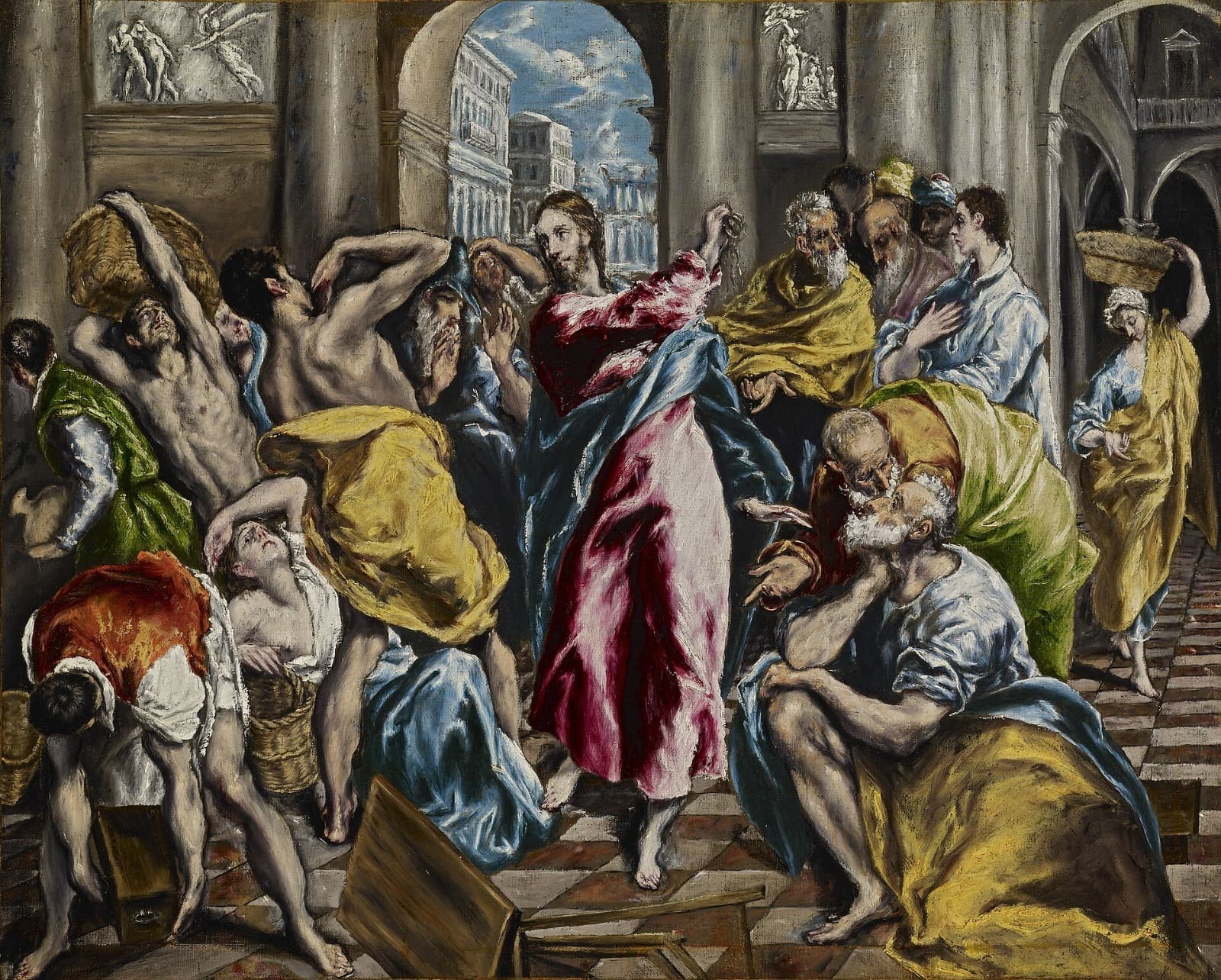
El Greco split the canvas down the middle: the traders tumbling out on the left, the disciples watching calmly on the right.
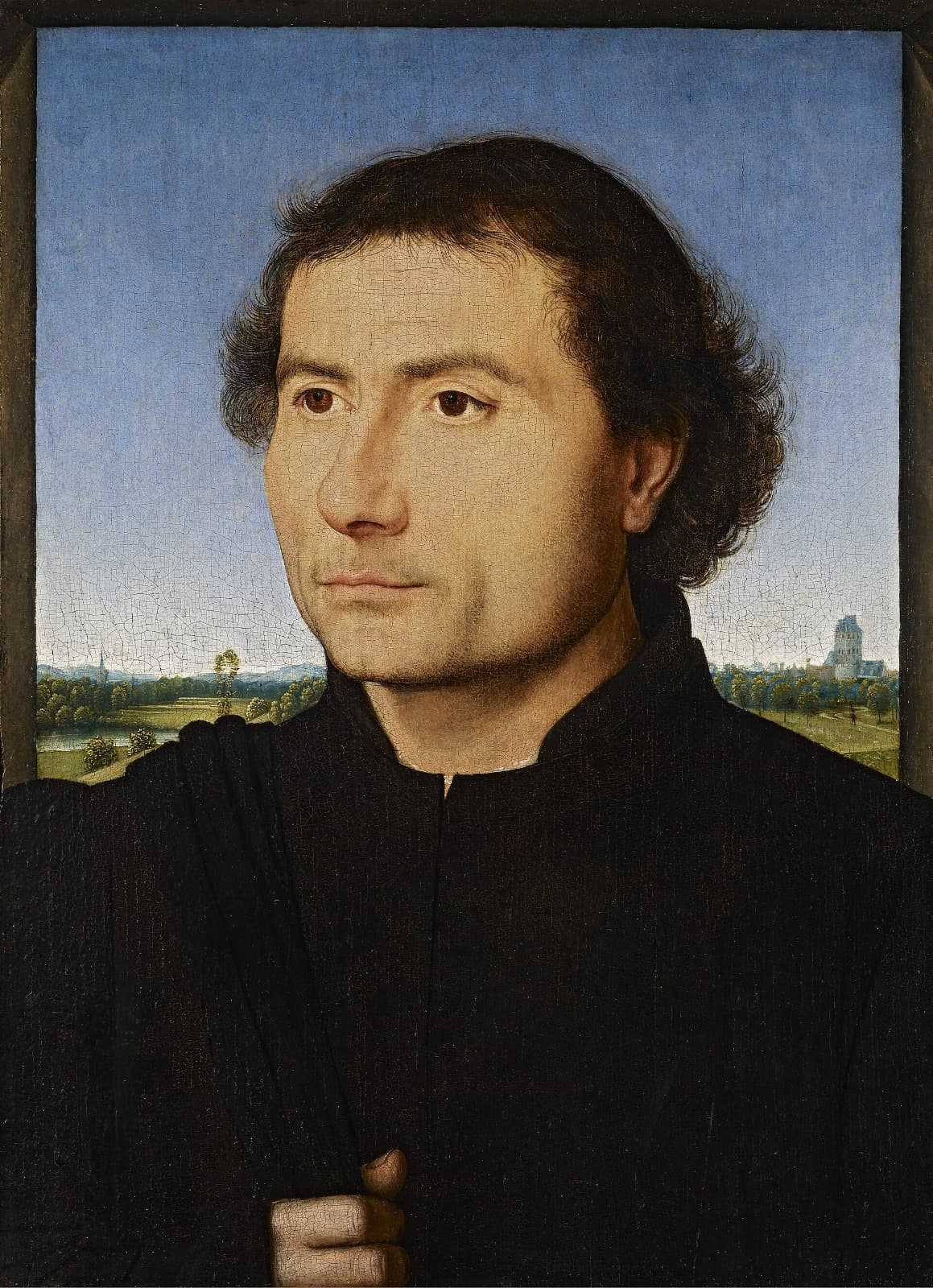
Memling put his sitters in front of open countryside instead of a dark ground, an idea that traveled to Italy and came back changed.

Hercules bolts from Vice toward Virtue and gashes his leg on the thorns of the harder road as he goes.
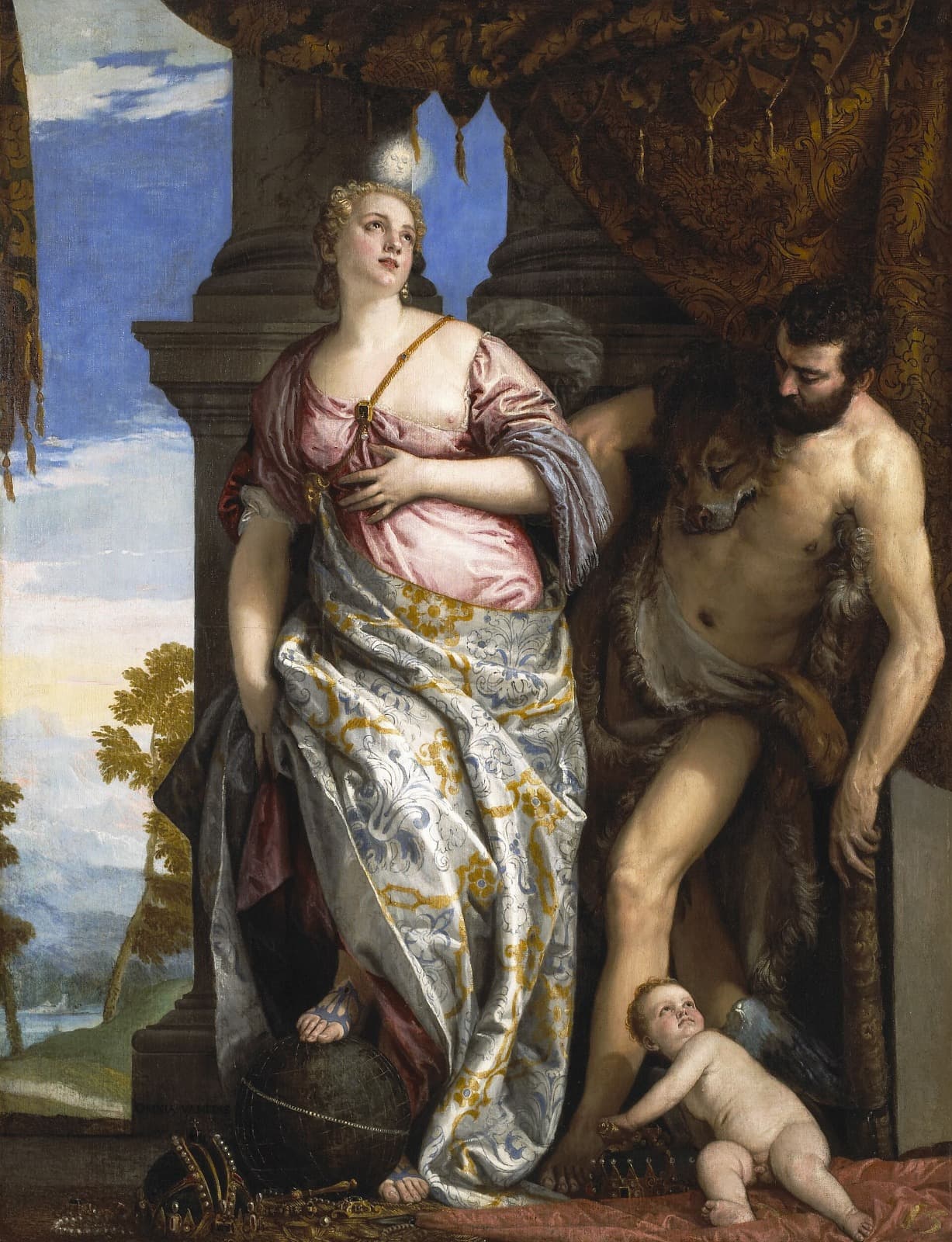
Divine Wisdom looks up and Hercules looks down at a scatter of crowns and jewels, which is the entire argument of the picture.
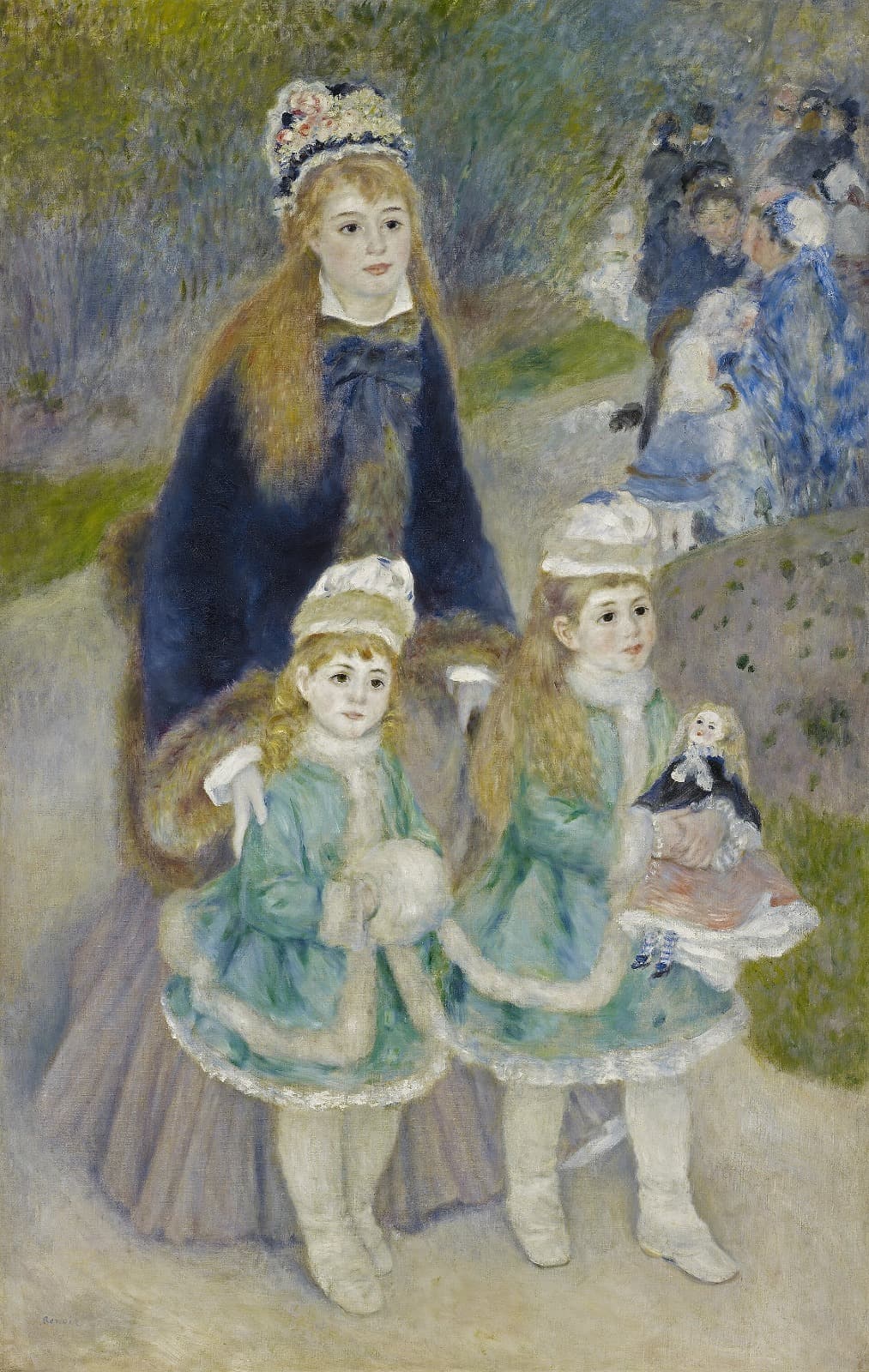
Two girls walking under trees, the elder leading the younger, everything blurred into one shimmer of dappled light and pale dress.
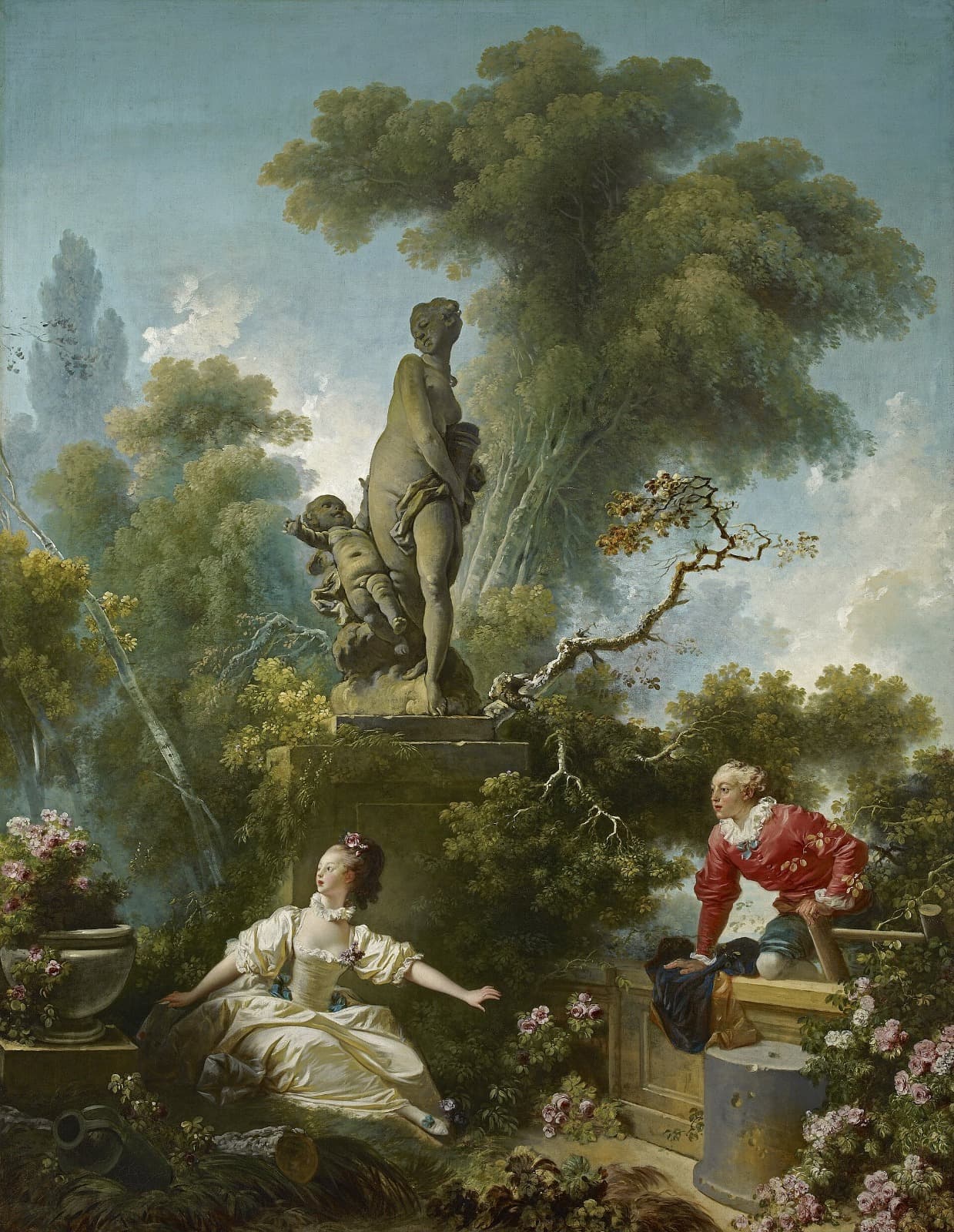
He is coming over the garden wall and she has just seen him, with a statue of Venus watching from above. Painted for Madame du Barry.
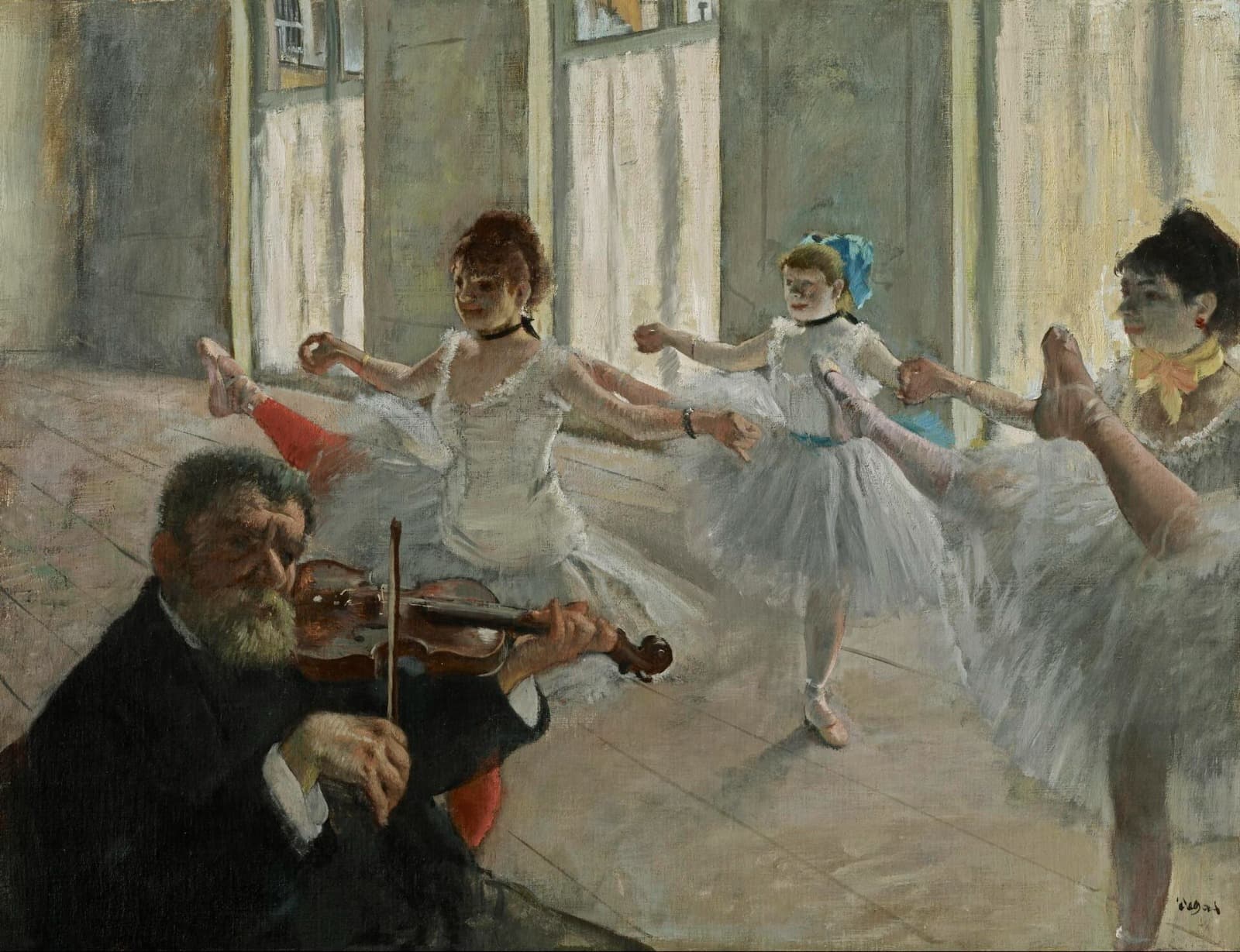
Dancers stretch while a spiral staircase cuts the corner and the frame slices figures off. Degas cared about the practice, not the performance.

A packet boat comes in at evening and Turner dissolves the city, the passengers and the river into a single sheet of gold.

Cold competence and nothing else. Holbein painted him as a near-pendant to Thomas More, whom Cromwell helped send to the scaffold.

Holbein arrived in England on a letter from Erasmus and painted More at the height of his power. Within a few years More was executed.

The officer's hat and back loom enormous in the foreground while the girl sits small and bright beyond, which is exactly how the eye works.

A young horseman rides into the dusk armed and alert, and nobody has ever agreed who he is or where he is going.