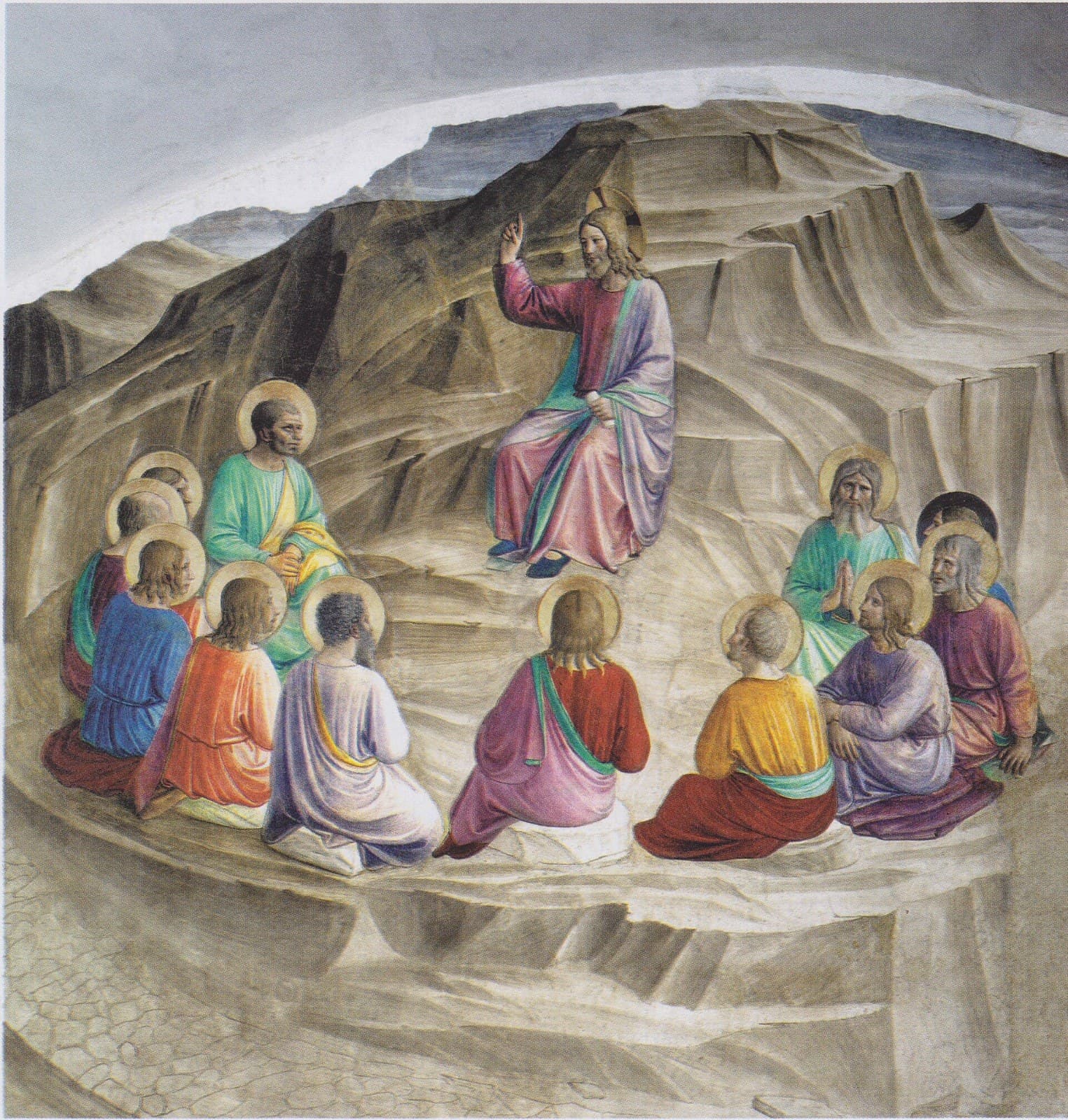
The Sermon on the Mount
1442 · San Marco Museum, Florence
Painted on the wall of a friar's cell at San Marco, stripped of gold and ornament so that it settles the mind rather than dazzles.
★ 4.4
 skopia
Painted on the wall of a friar's cell at San Marco, stripped of gold and ornament so that it settles the mind rather than dazzles.
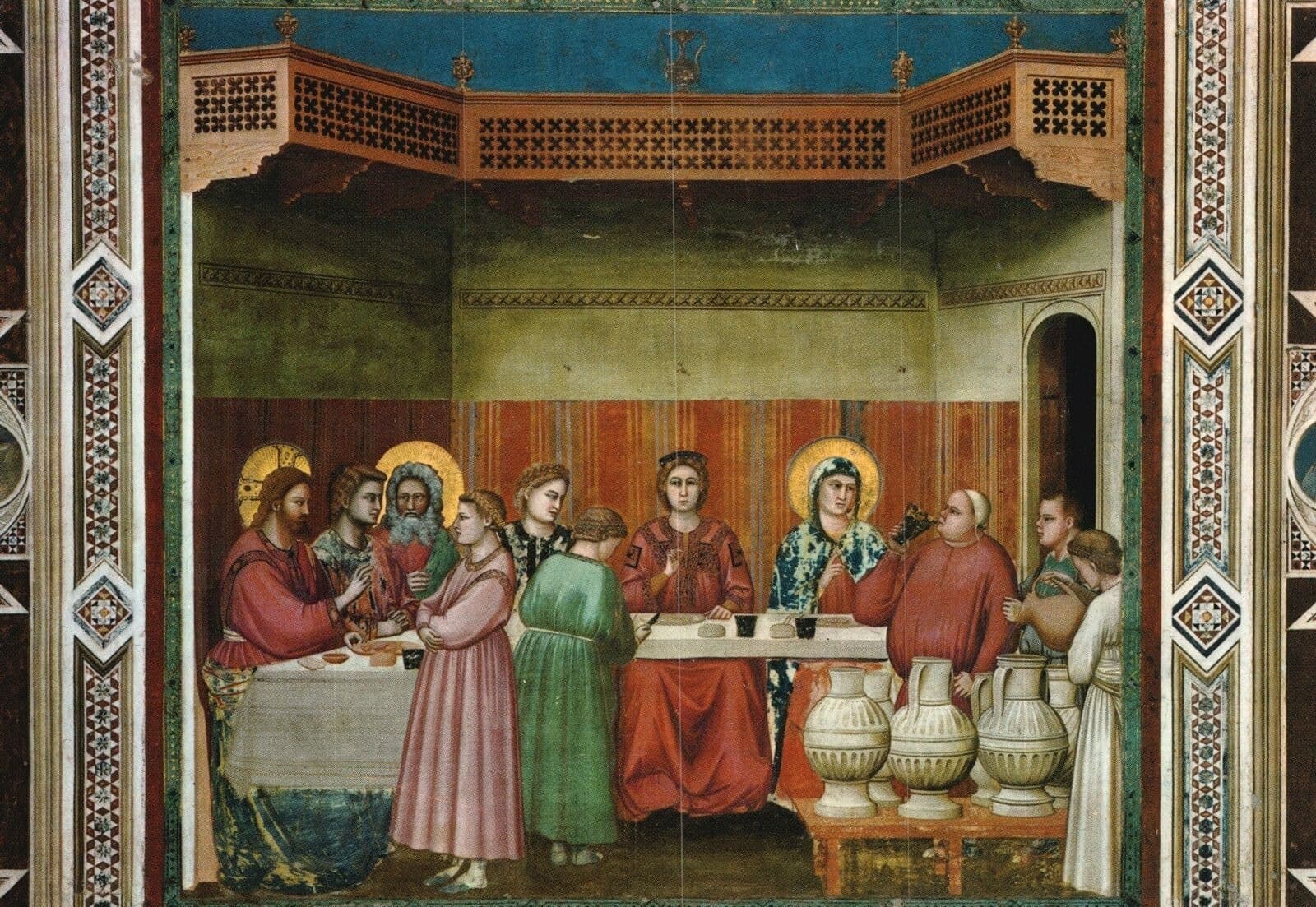
A steward tastes from a bowl and a portly servant tends the jars, and the miracle goes by almost without anyone noticing.
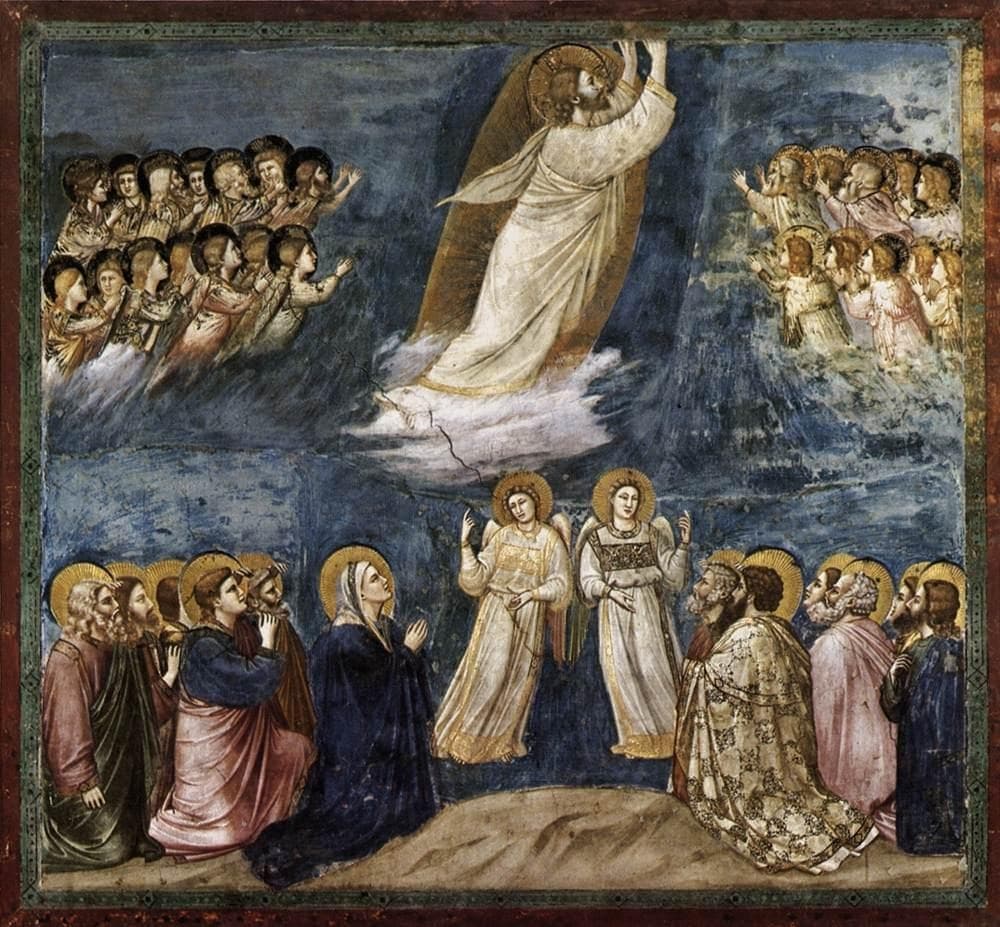
Christ's fingertips cross out of the human part of the picture and blur into light, which is the whole event in one detail.

Christ turns up dressed as a pilgrim with a staff and a traveler's pouch, and the two disciples still have no idea who he is.

Christ stands to place the host on each tongue exactly as a priest does at Mass, in a bare cell-like room with stools.
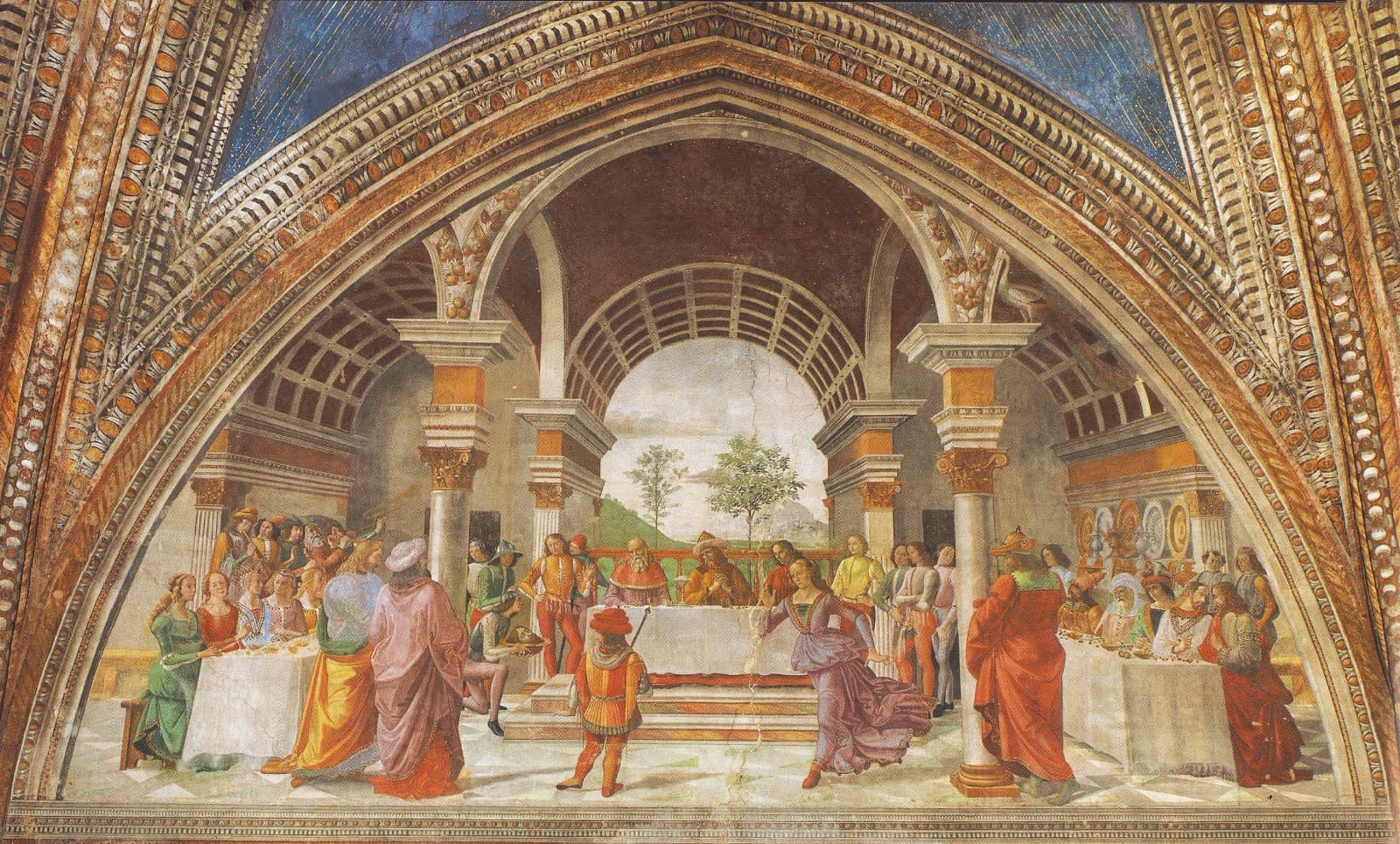
The head arrives on a platter inside a serene sunlit loggia full of well-dressed Florentines, many of them the family who paid.

Late Botticelli, with the early lightness gone tense. He had fallen under Savonarola's spell and his religious pictures never relaxed again.
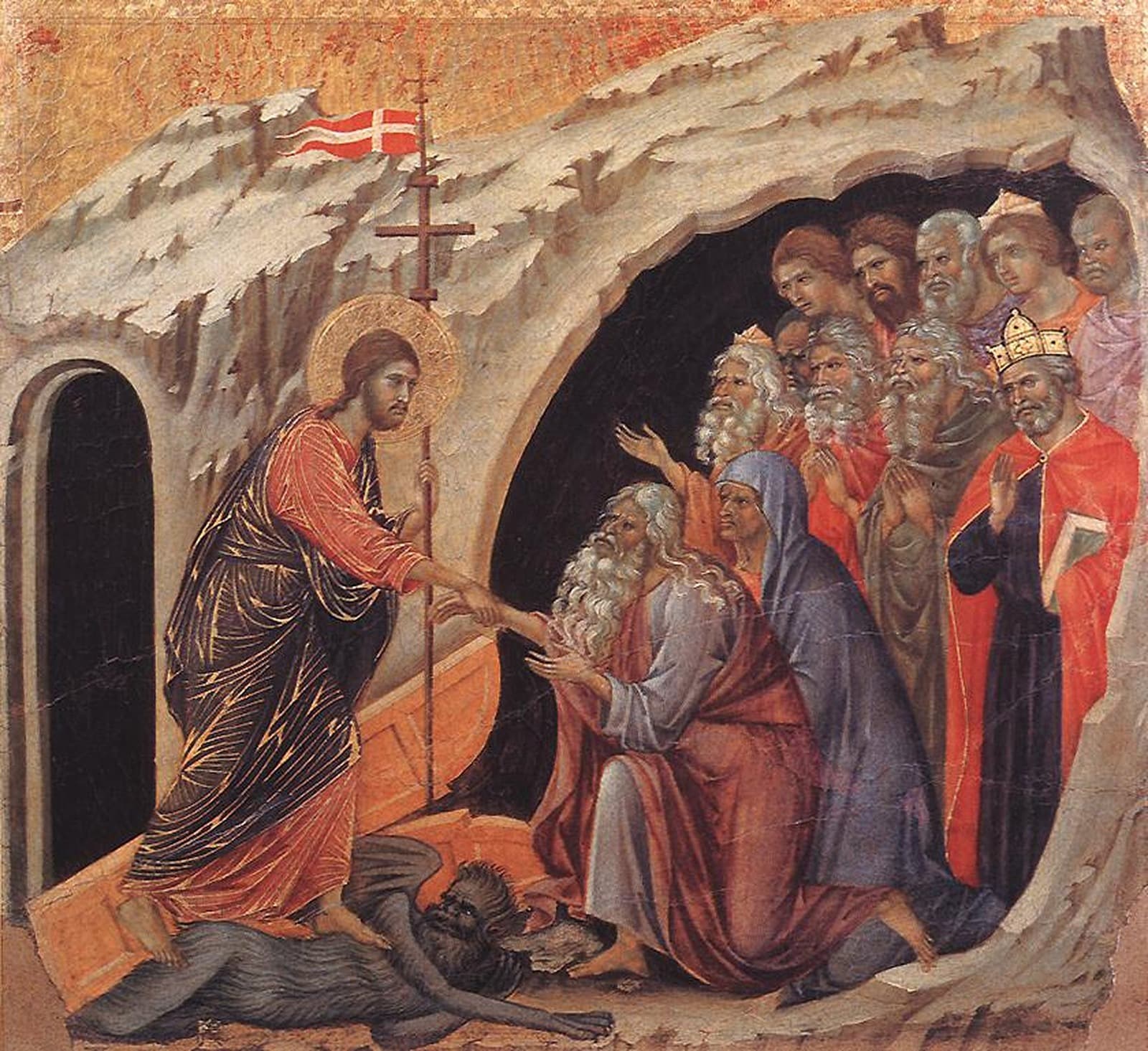
Christ strides into the cave to pull Adam out by the hand, treading on a chained Satan as he goes.
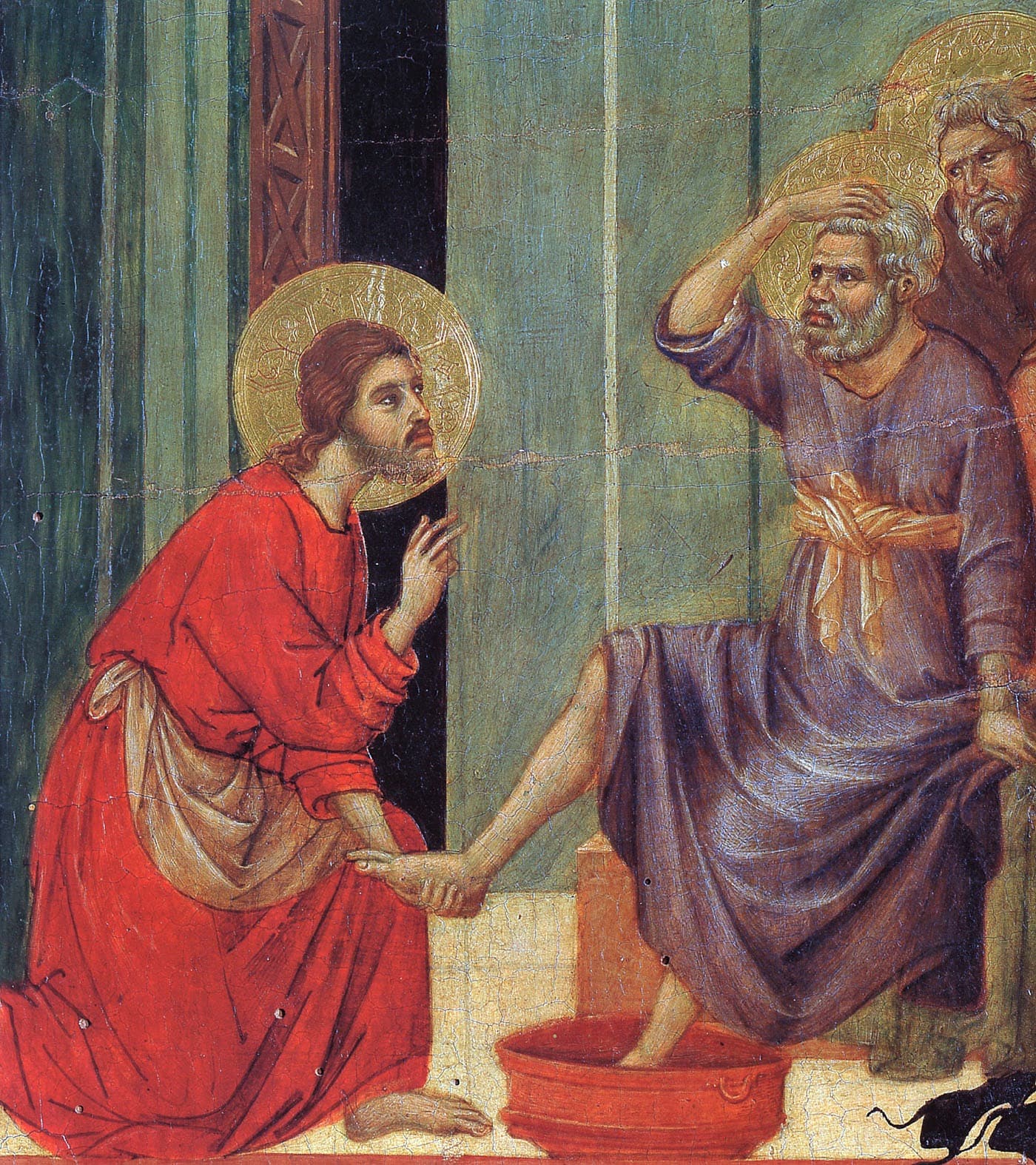
Christ kneels with the basin and Peter, flustered, raises a hand to his own head. Some of the others are already loosening their sandals.
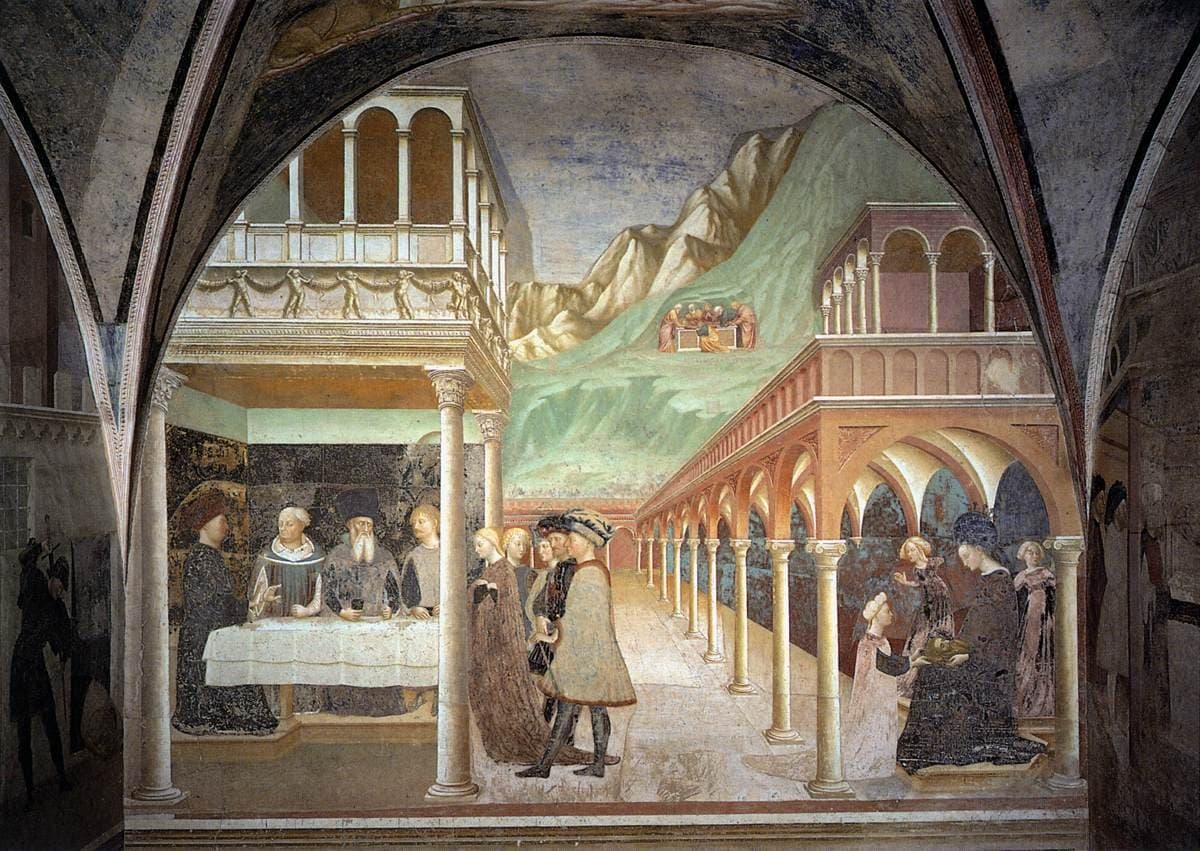
The feast on the left, the severed head delivered on the right, both staged in a colonnade built with Masaccio's new perspective.
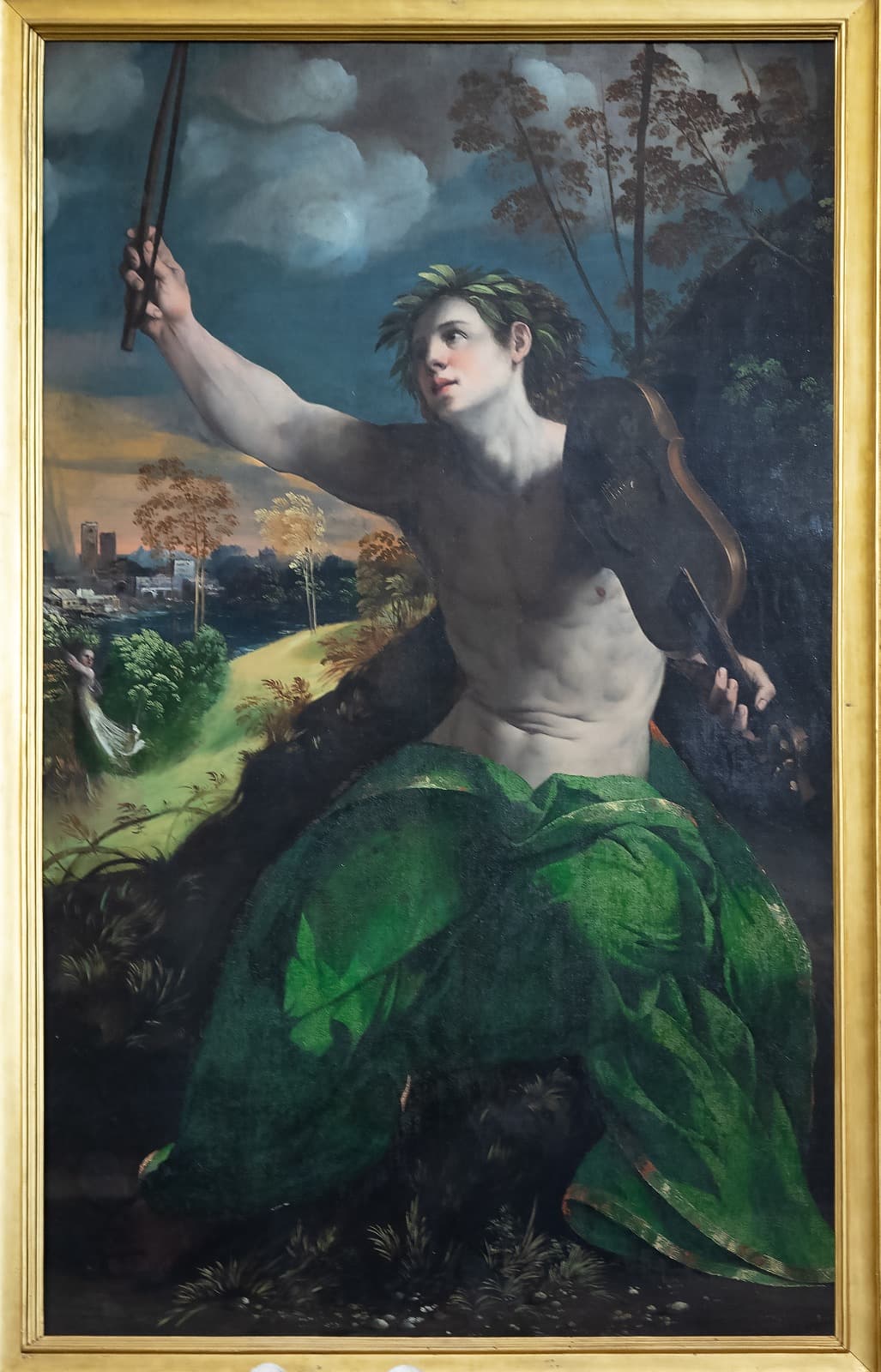
Dossi swapped Apollo's ancient lyre for a modern viol, and Daphne is already sprouting into laurel in the far distance.
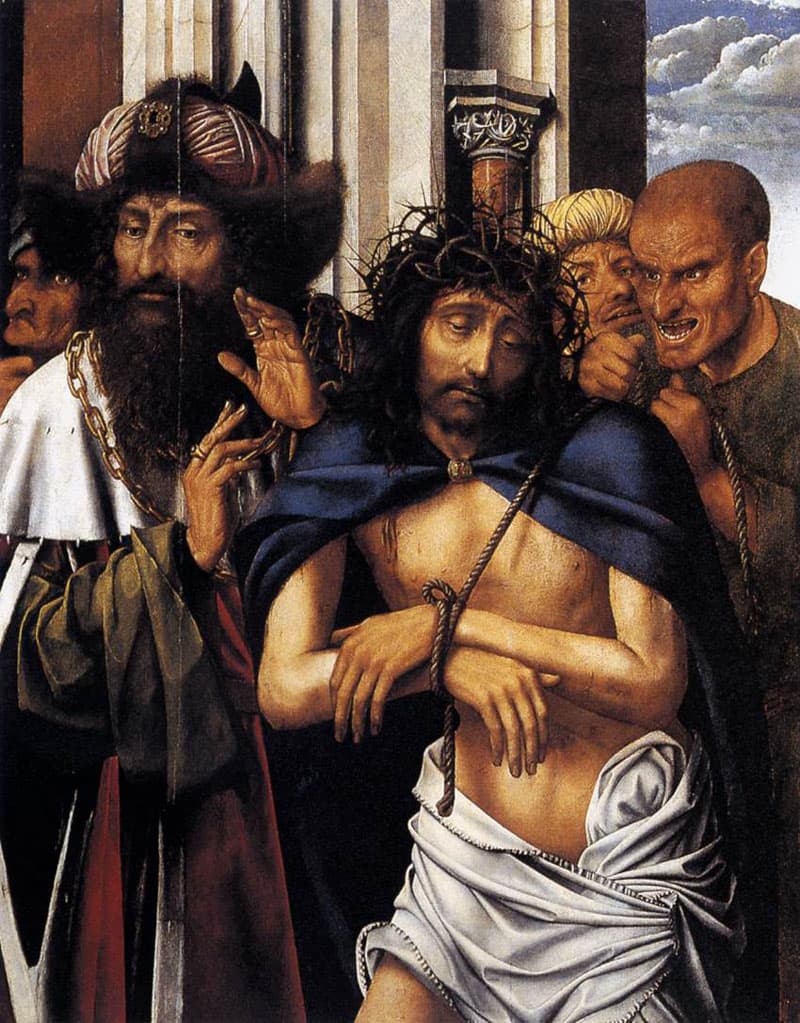
Christ stands with his eyes lowered while the faces around him are twisted into snarls. Matsys made ugliness do the moral work.
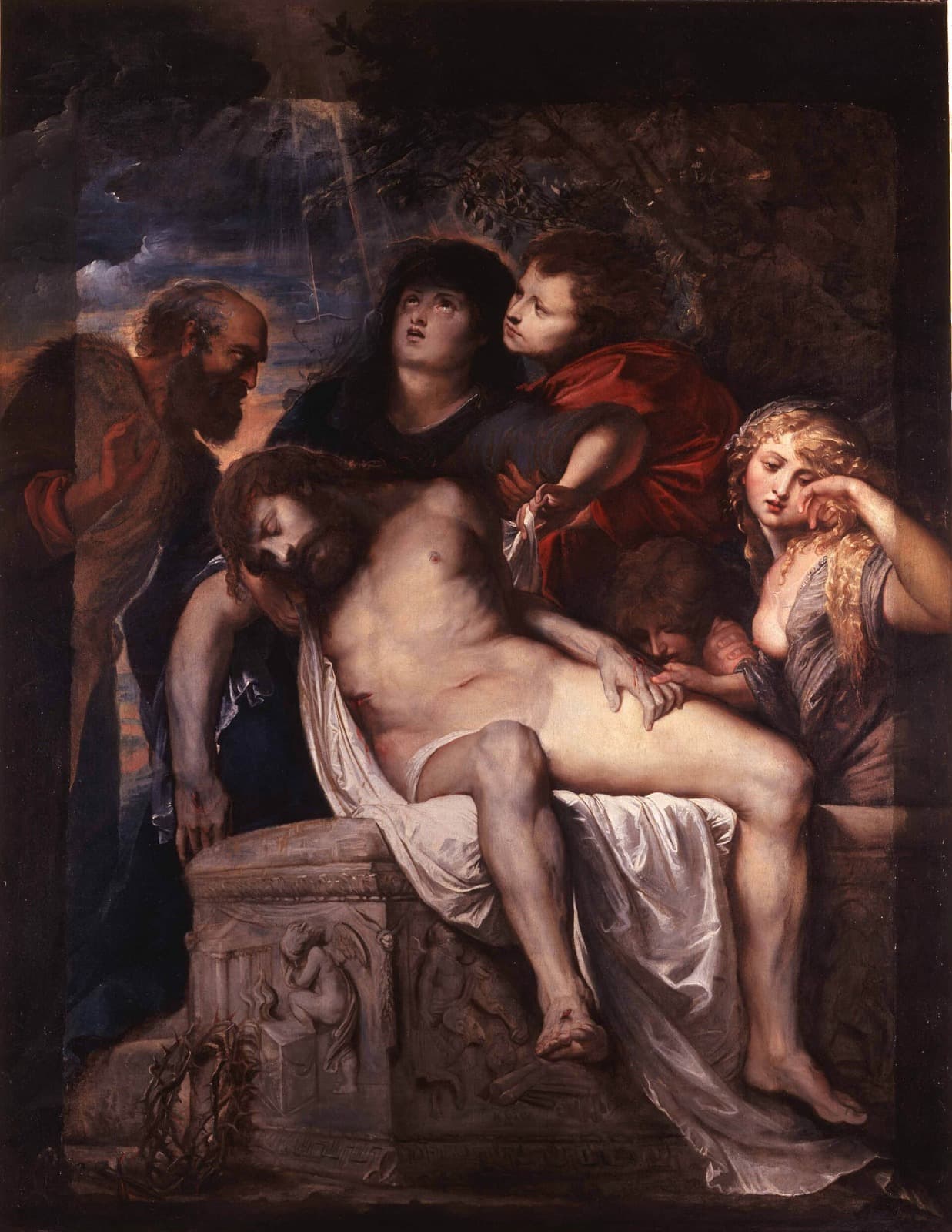
Rubens worked this out in Rome while studying Caravaggio, a rehearsal for the great Descent he would paint back home in Antwerp.

Servants stoop over the great stone jars in the foreground to draw out wine that was water a moment ago.

A soldier drags Christ out through the city gate by his robe, the diagonal of the cross cutting against a bristling line of lances.

Six angels lean in along the throne with their heads tilted, which turns a rigid Byzantine formula into something nearly intimate.
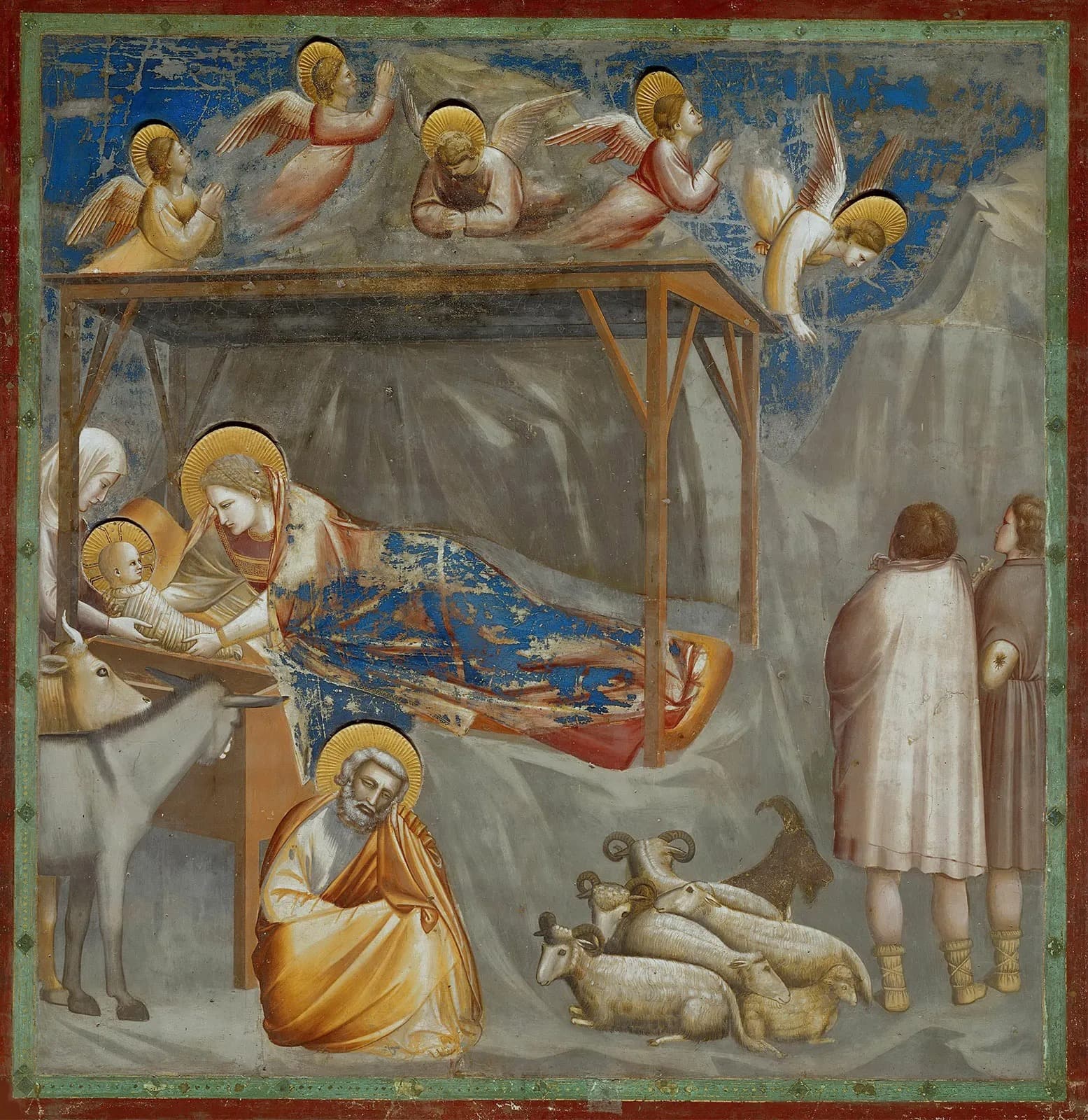
The Virgin lies on the hillside and turns to lay her son in the manger, looking at his face. No gold, just a cold blue sky.

The Child lies on the ground giving off his own light across the straw and his mother's face. One of the first paintings lit from inside.

Serene, elegant nudes about to ruin everything. It faces Masaccio's Expulsion across the same chapel, calm before the Fall against anguish after.

Painted on a refectory wall so the monks dined at the end of the same table. Leonardo would blow the arrangement apart a few years later.