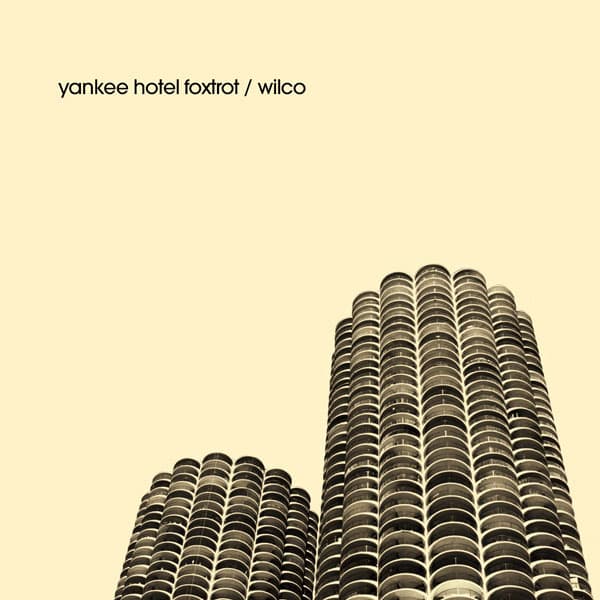
Yankee Hotel Foxtrot
2002
Reprise refused it, so the band bought the tapes back, streamed the record free, and then sold it to another label owned by the same company.
★ 8.4
 skopia
Reprise refused it, so the band bought the tapes back, streamed the record free, and then sold it to another label owned by the same company.
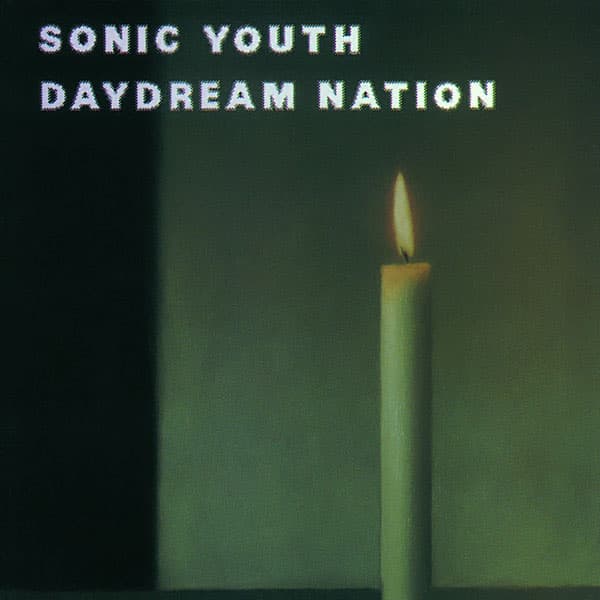
A Gerhard Richter candle painting on the sleeve, a double album made on almost no money, and the last thing before they signed to a major.

Jeff Mangum wrote it after reading Anne Frank's diary, played a musical saw on it, and then more or less disappeared for a decade.
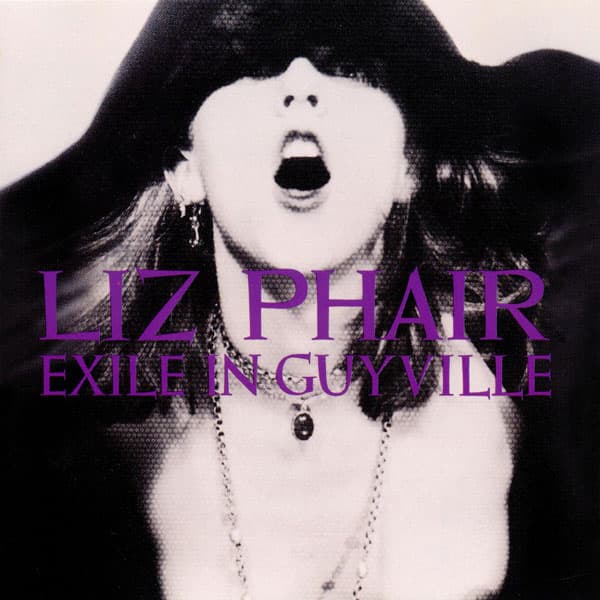
Phair wrote it as a song-by-song answer to Exile on Main St., in the same running order, from home cassettes she had made alone.
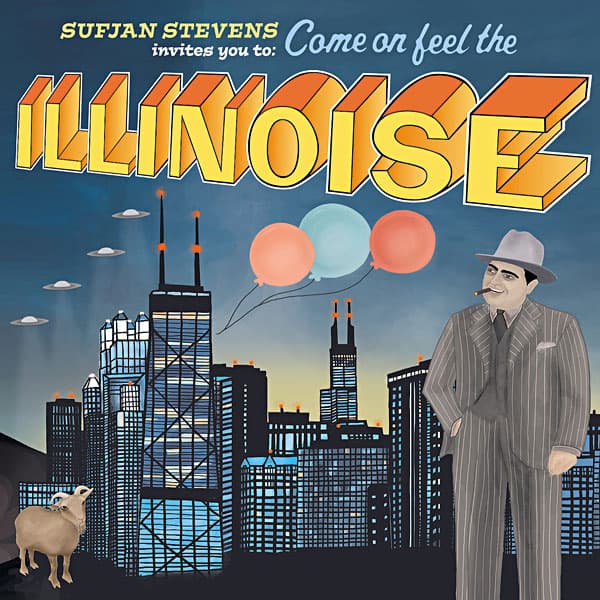
Stevens announced he would make one of these for all fifty states, then made two and stopped. One song is about John Wayne Gacy.
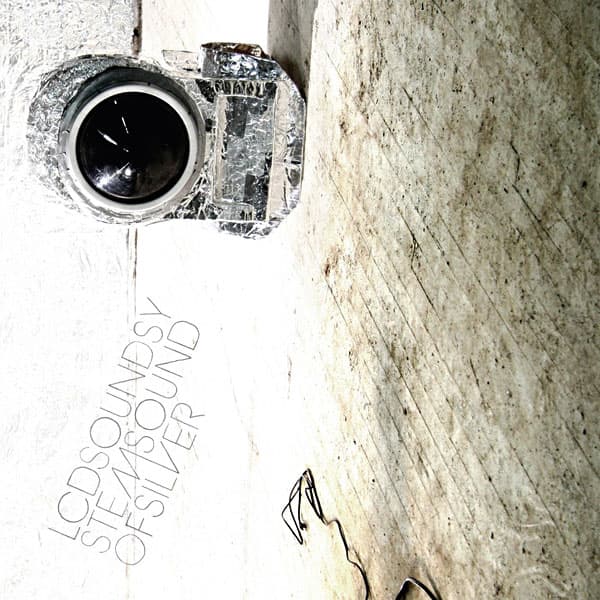
All My Friends is one piano figure repeated for seven and a half minutes while everything else is built up around it.
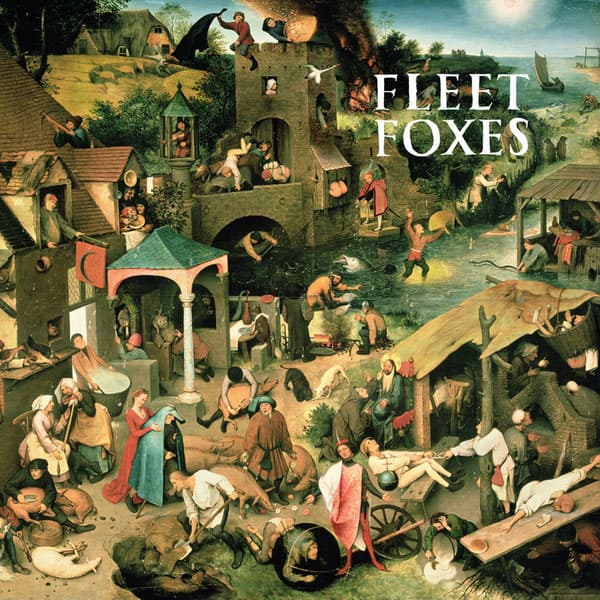
The singer Robin Pecknold layers the harmonies so thickly, and drowns them in so much reverb, that it sounds recorded in a stone church.

Justin Vernon spent three winter months alone in his father's hunting cabin, recovering from a breakup and glandular fever, stacking his falsetto in layers.
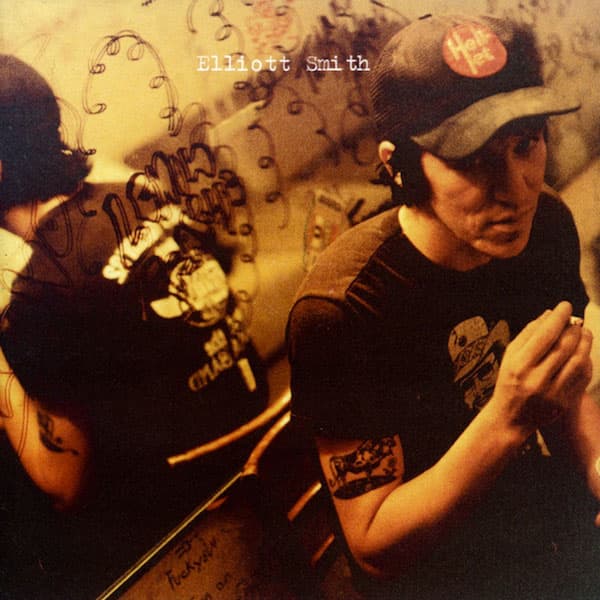
Smith doubles his own voice on almost every song, which is why it sounds like two people whispering the same thing slightly apart.

Every song is named after a place, and some of the places do not exist. The cabin has been replaced by horns and pedal steel.
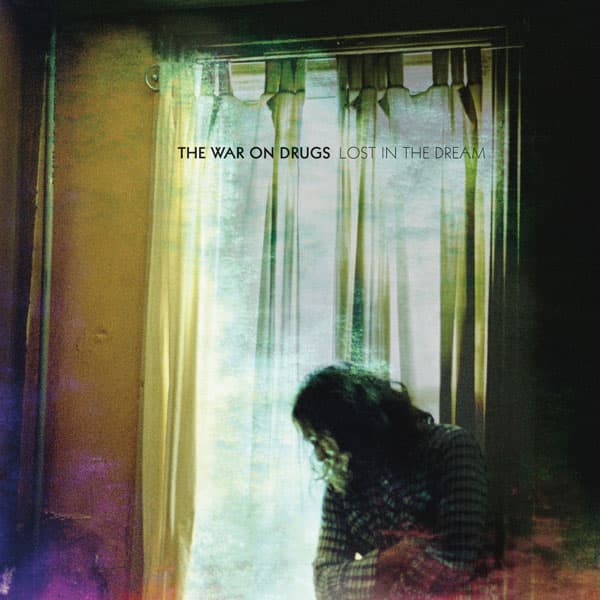
Adam Granduciel spent two years and a dozen studios on it, mostly rerecording parts he had already finished, in the grip of severe anxiety.
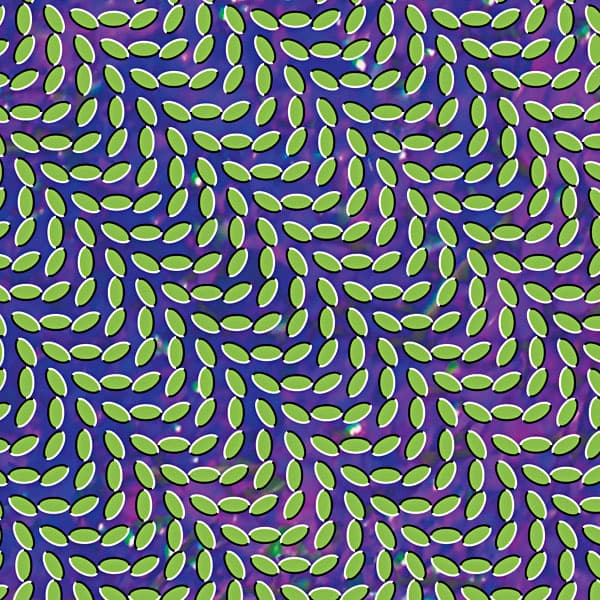
There is no guitar anywhere on it, which for a rock band was the point. It is named after a Maryland concert amphitheatre.
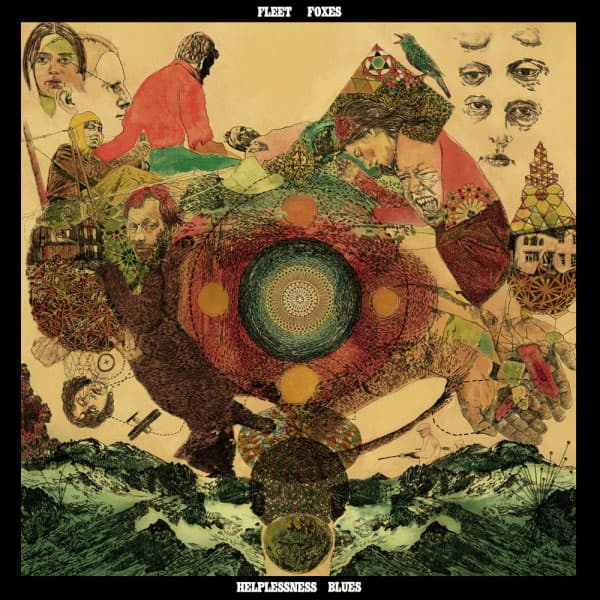
Singer Robin Pecknold scrapped a finished version and started over. The title song is about not wanting to be anyone special.

Recorded in a converted church in upstate New York, and built almost entirely from an organ, a drum machine and a slide guitar.
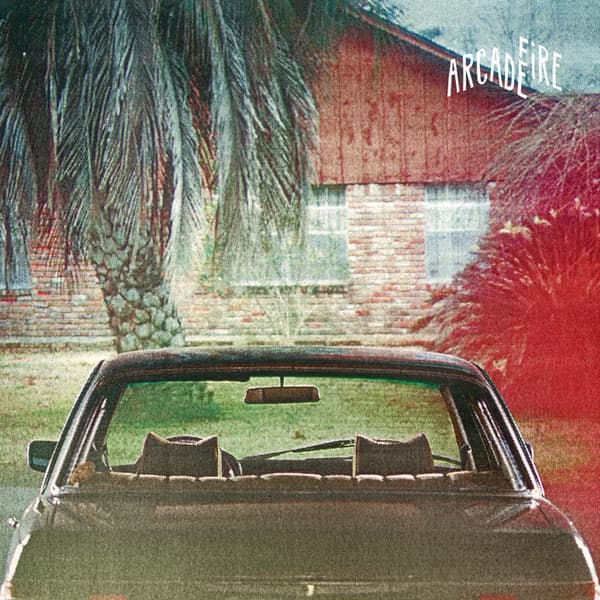
Win Butler and his brother grew up outside Houston, and the record is built around driving through places like it as teenagers.

Two sets of brothers make up the band around the singer, and his brother filmed a documentary about following them on tour.
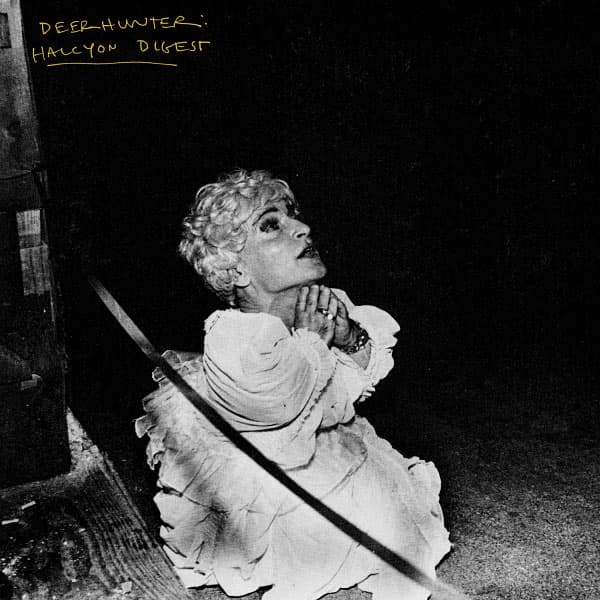
Bradford Cox, the singer, wrote the last song for a friend who had just died, and it ends by simply stopping partway through.
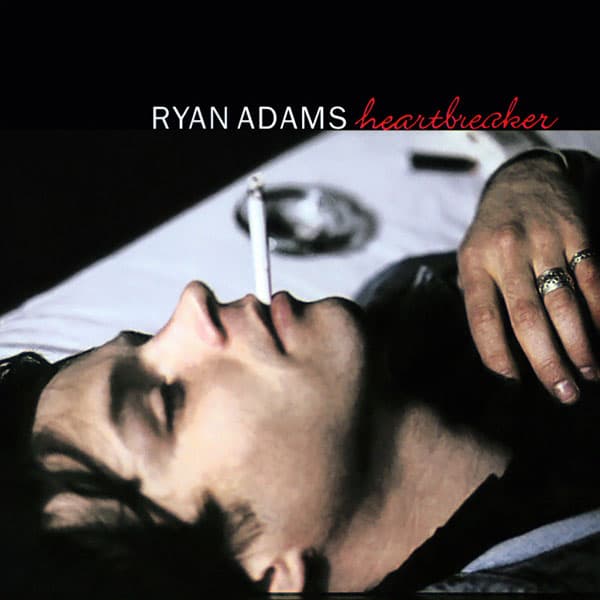
It opens with Adams and a friend arguing about which Morrissey record a song is on. The whole thing was recorded in fourteen days.

Conor Oberst, who is Bright Eyes, put this out on the same day as an entirely electronic companion album. Emmylou Harris sings on three songs.
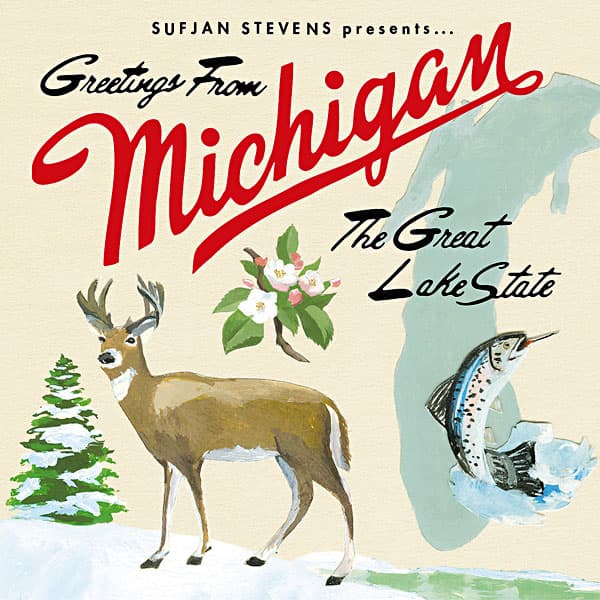
The first of the fifty state albums, with Stevens playing most of the instruments himself and naming songs after towns nobody writes about.
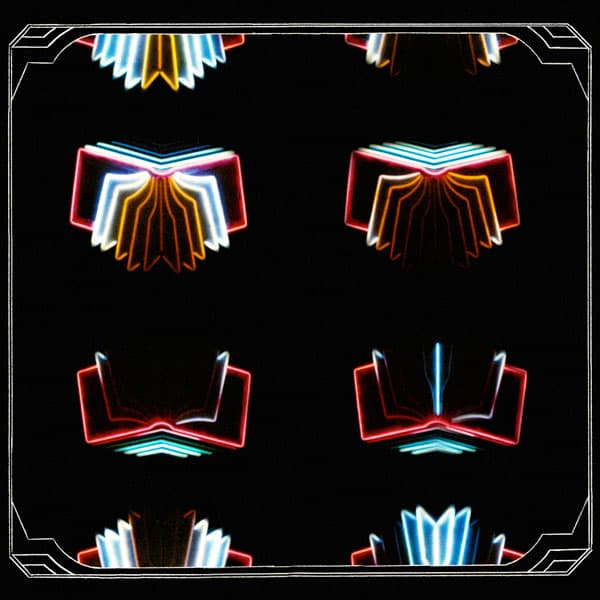
They bought a church in Quebec and recorded in it, using the pipe organ, a military choir and a Hungarian orchestra.

One line repeats for eight minutes on the title track, with an instrument added at a time until the whole band is playing at once.

J Mascis played much of the drumming as well as the guitar, and played loud enough that the rest of the band wore earplugs.
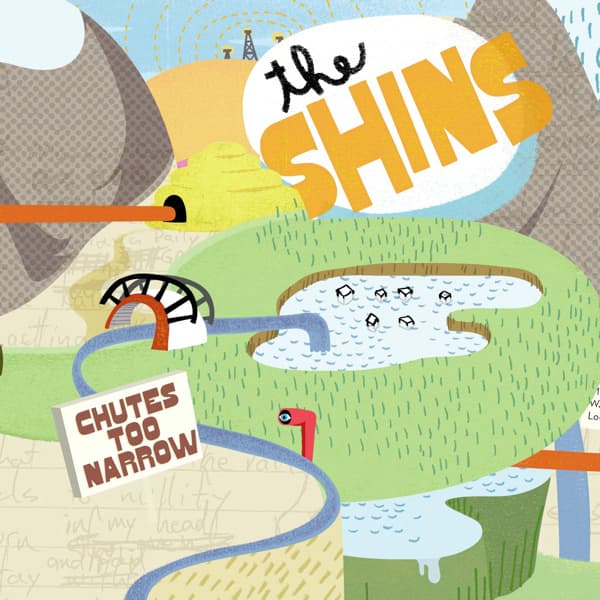
James Mercer, who essentially is the Shins, recorded most of it in his own basement. A film later put an earlier song in front of everybody.
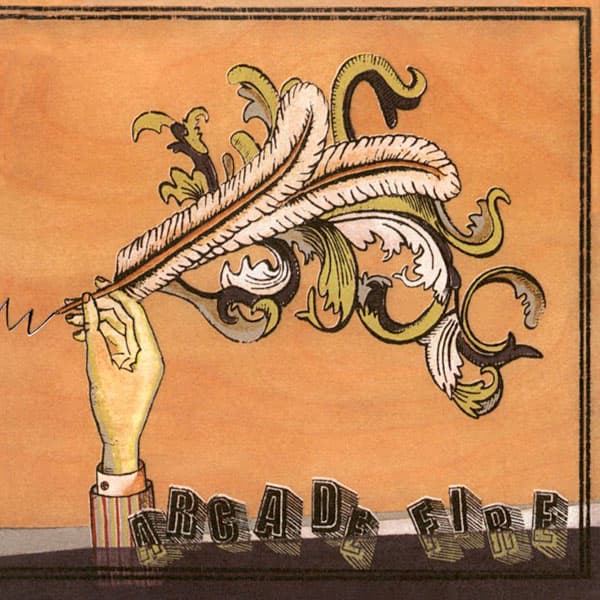
Three of the band lost close relatives while they were making it, which is where the title came from. Everything is played as though shouted.
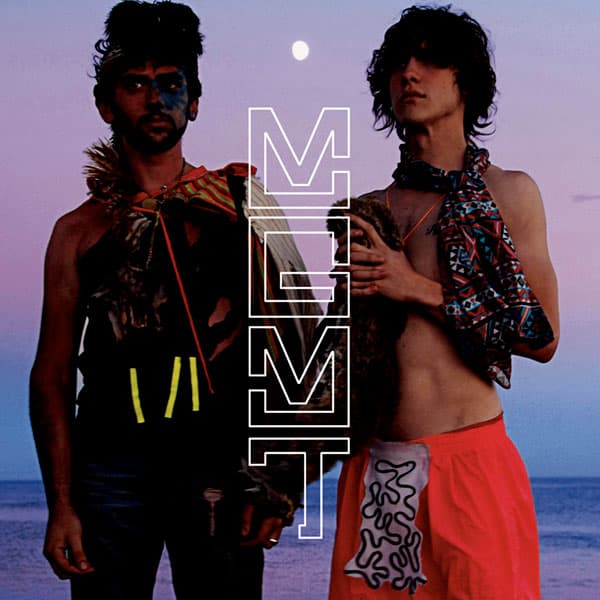
They wrote the hits partly as a joke about wanting to be famous, and then the joke worked and made them famous.
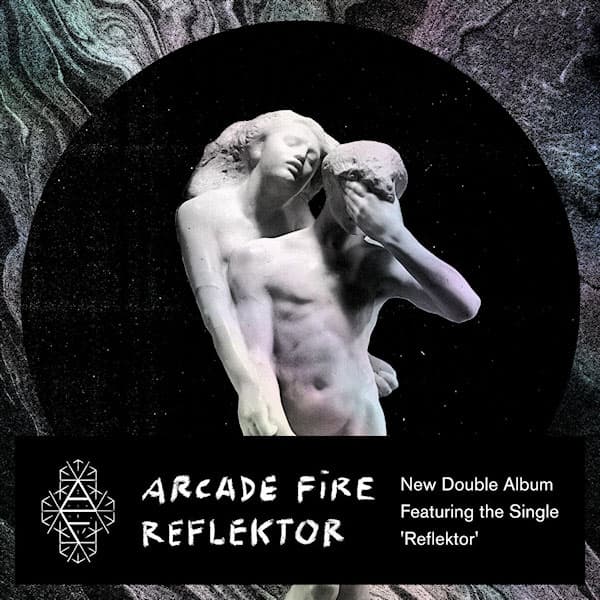
They recorded part of it in Jamaica with James Murphy of LCD Soundsystem producing, and David Bowie sings on the title track.
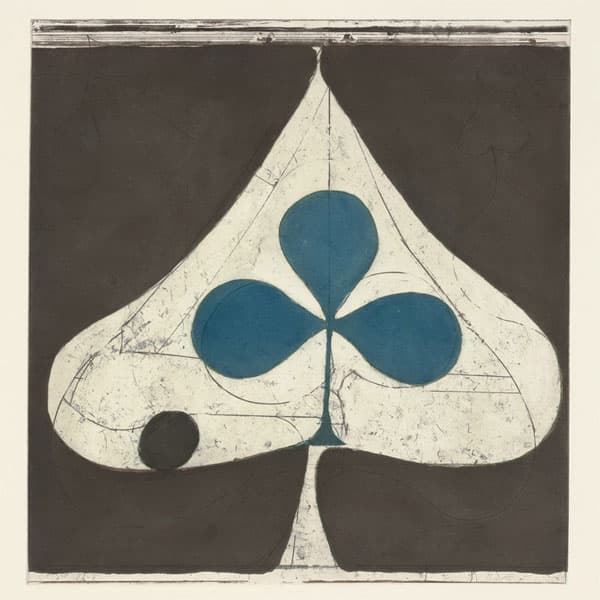
They threw away a year's work and began again. All four of them write, which is why nothing quite resolves the way you expect.
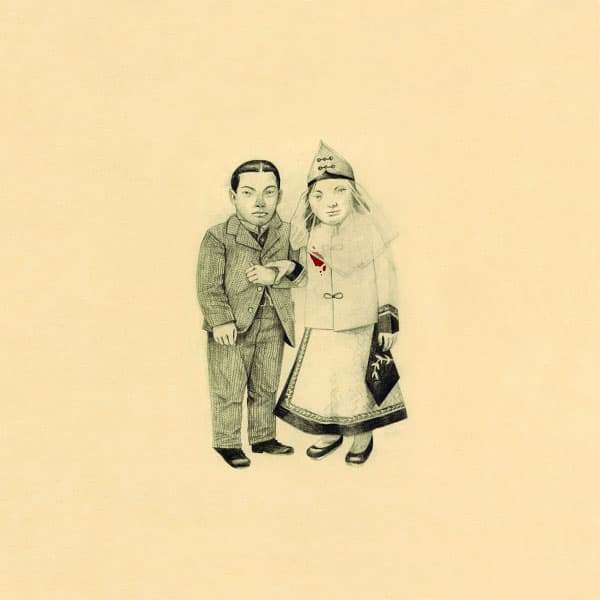
The title song is in three parts, and they are scattered across the record out of order. The story is a Japanese folk tale.
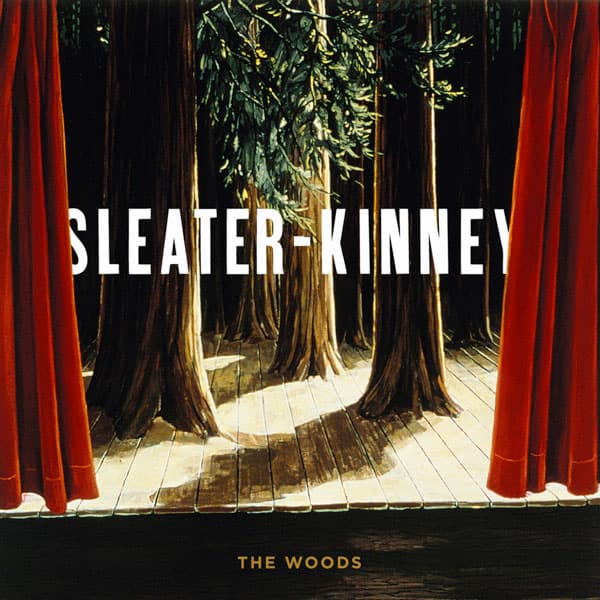
Sleater-Kinney have no bass player, only two guitars and drums, and here producer Dave Fridmann pushed the levels until everything distorts.
Mark Kozelek uses real names throughout, and the deaths in it are real deaths in his family. Almost nothing is dressed up as metaphor.
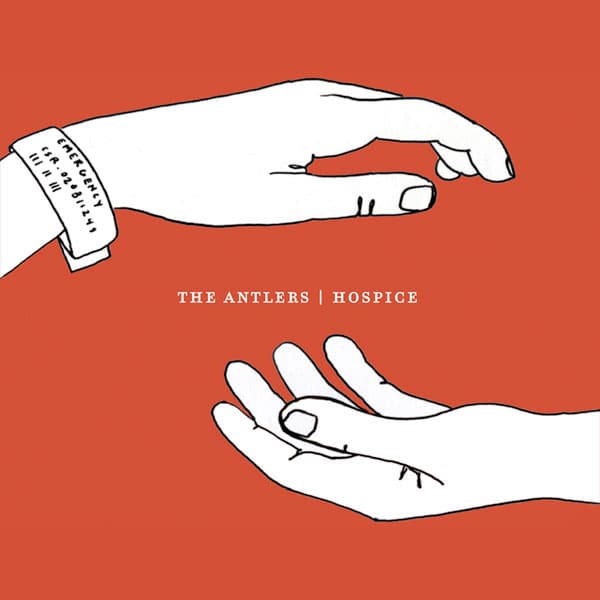
A song cycle set in a hospice ward, about a worker and a dying patient, that most listeners take as being about something else entirely.
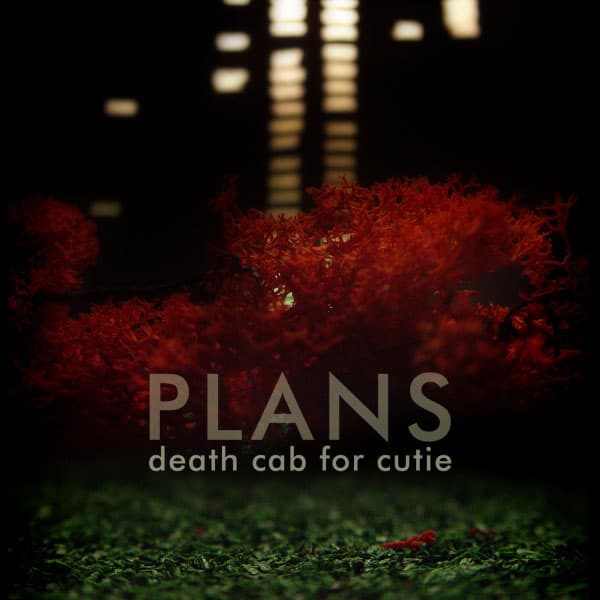
I Will Follow You into the Dark was recorded live in a hallway with one microphone, which is why you can hear the room.

Rostam Batmanglij pitched the vocals up and down until they sound like other people, which is why the record keeps slipping out of focus.