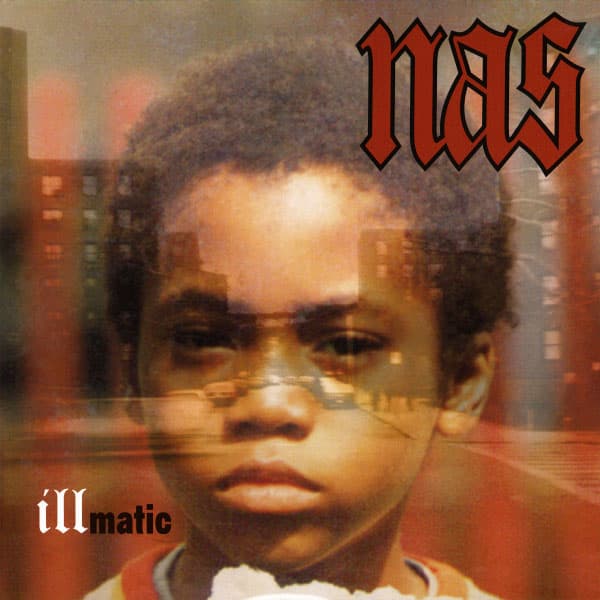
Illmatic
1994
Ten tracks, under forty minutes, made by a twenty-year-old with the best producers in New York each giving him one beat.
★ 9.3
 skopia
Ten tracks, under forty minutes, made by a twenty-year-old with the best producers in New York each giving him one beat.

The opening traces his life from the delivery room to prison in about three minutes. Puffy made him rewrite half of it for radio.

The producers used sirens, squeals and feedback as rhythm instruments, which is why it sounds less like music than like an emergency.

RZA negotiated a deal letting every member sign solo elsewhere, then recorded the group in a basement on deliberately cheap, muddy equipment.
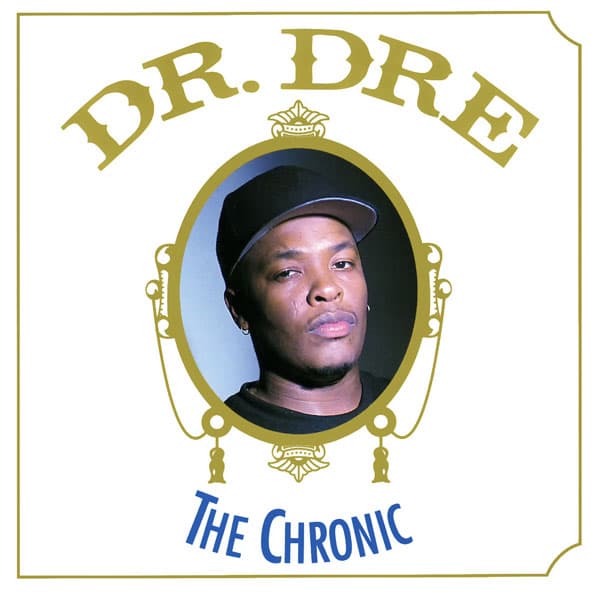
Dre had session players replay the funk records rather than sample them, which sidestepped clearance and made everything sound warmer and slower.

Ron Carter, who played bass with Miles Davis, appears on one track and made them promise there would be no swearing on it.
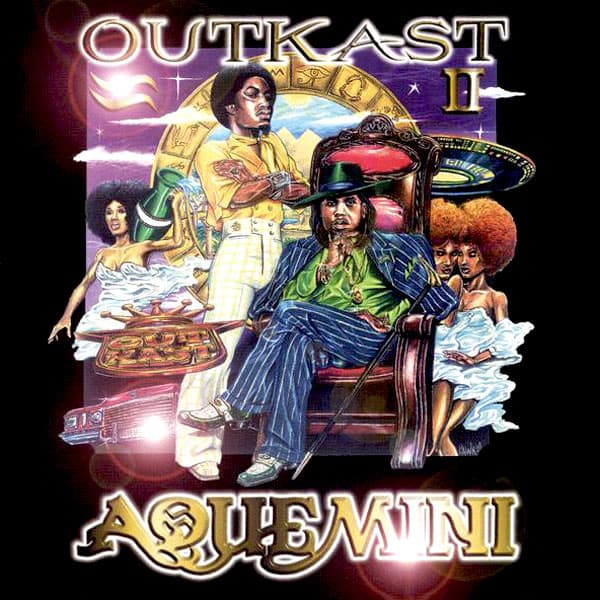
Rosa Parks sued them over the song named after her, and the case ran for a decade. The record itself goes everywhere at once.

Subtitled a short film, and the story runs in order across one day. The interludes are voicemails from his parents asking where the van is.

It came out sixteen days after Biggie was shot dead in Los Angeles, a double album he had finished and titled beforehand.

It uses well over a hundred samples, which would be unaffordable to clear today, and it sold so badly the label gave up on them.
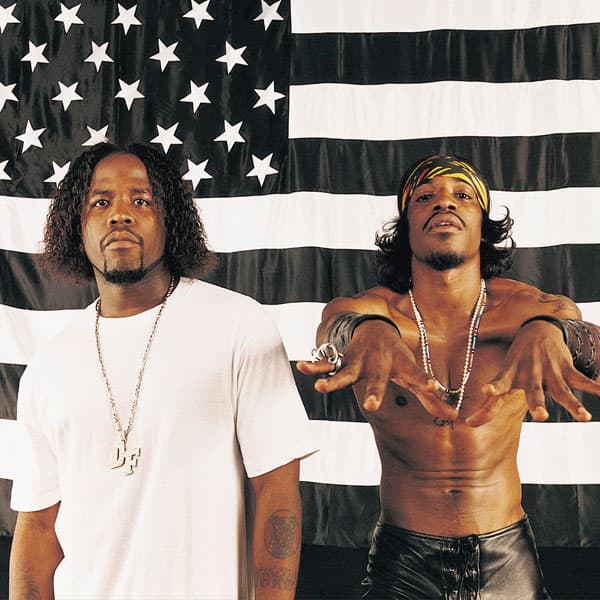
B.O.B. runs at a hundred and fifty-five beats a minute, which is drum and bass speed, with a gospel choir on top.
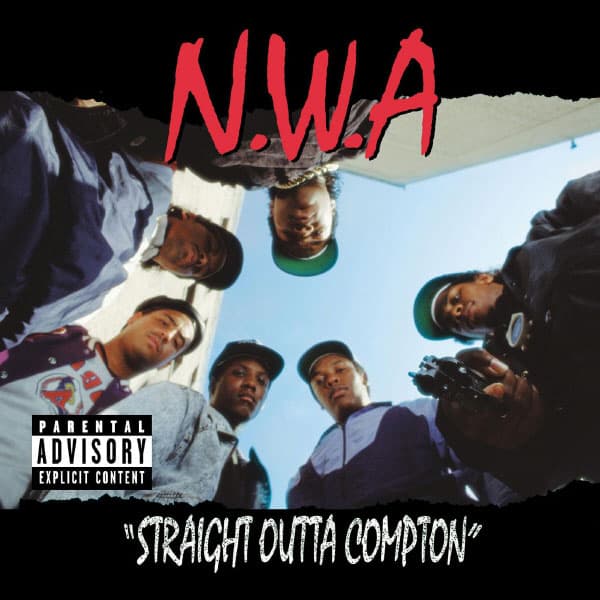
The FBI wrote to their record label objecting to one of the songs, which did more for sales than any advertising could.
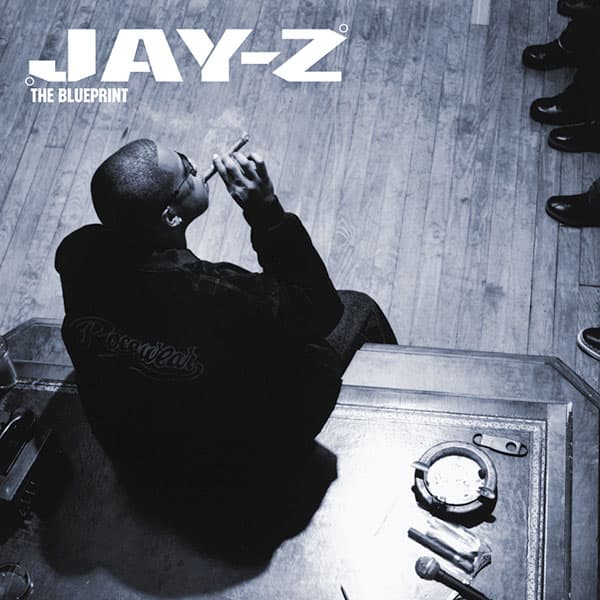
It was recorded in about two weeks and released on the eleventh of September 2001. Kanye West sped the soul samples up to chipmunk pitch.
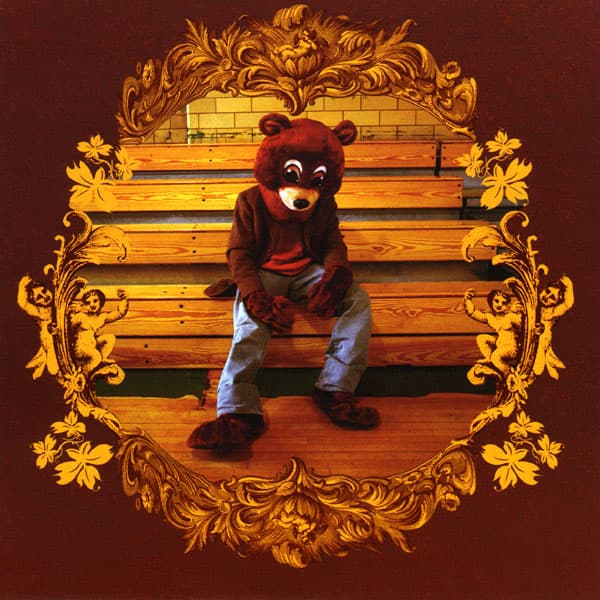
Kanye recorded one of the songs with his jaw wired shut after a car crash, which is exactly what it sounds like.
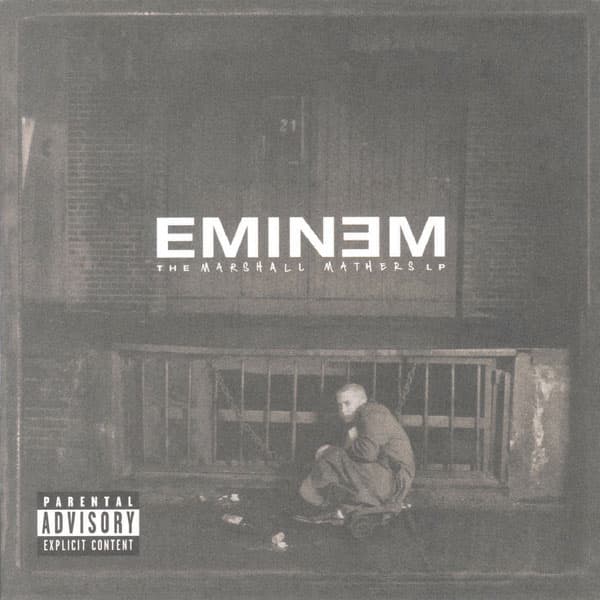
It sold nearly two million copies in a week. Elton John agreed to perform with him at the Grammys while the protests were loudest.
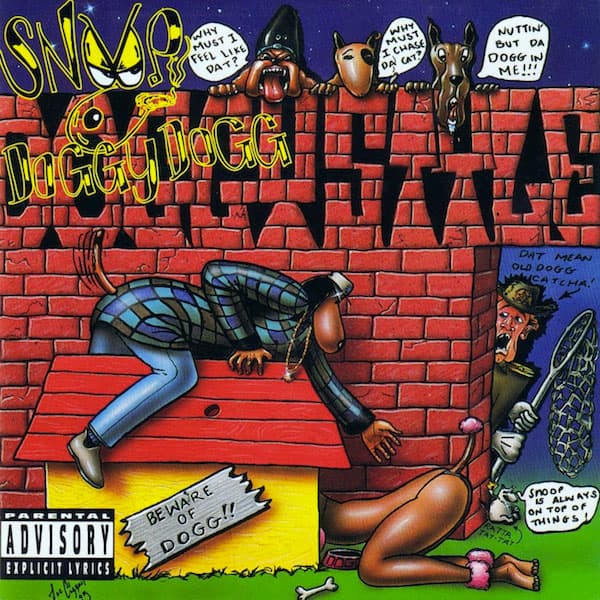
Snoop was on trial for murder while promoting it. It was the first debut album in history to enter the chart at number one.

Their production team piled so many samples into each track that the record could not legally be made today. Nothing since sounds this crowded.

They sampled so freely that the Turtles sued them, and the case helped make sample clearance the expensive business it has been ever since.

A synthesized voice introduces the tracks like a museum tour guide, and the cover is a grid of about seventy other rappers' faces.
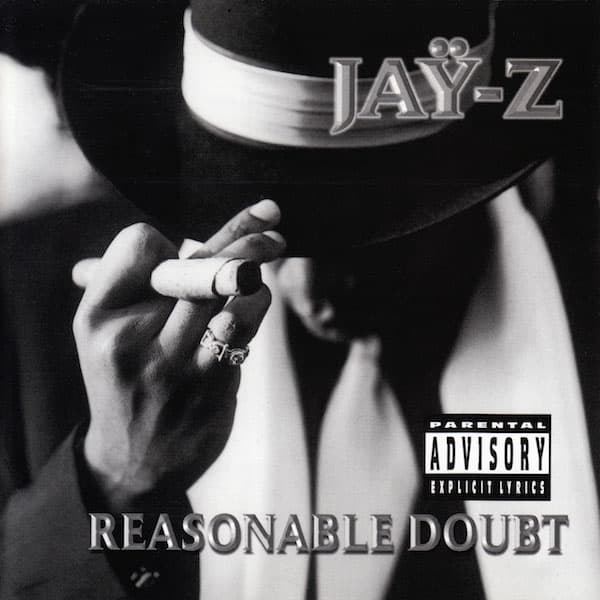
No label would sign him, so Jay-Z started his own with two friends and sold the CDs out of the trunk of a car.

It is really two solo albums in one box, and the two of them barely appear on each other's halves.
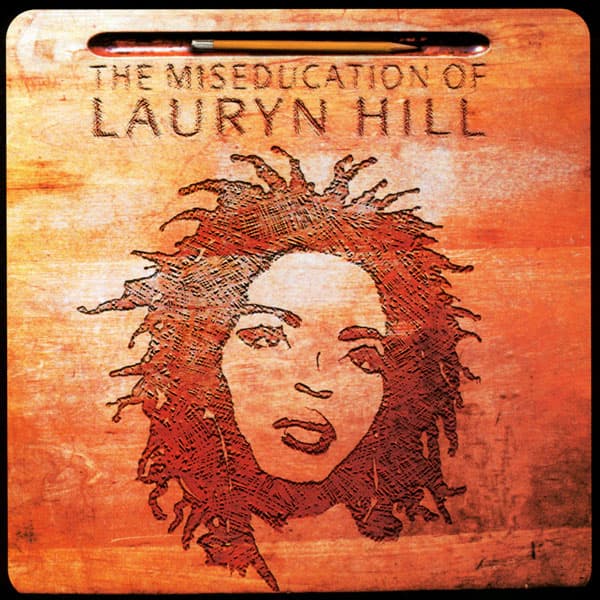
Hill recorded much of it in Bob Marley's old studio in Kingston, and the classroom scenes between songs use actual schoolchildren.
Dre hired live musicians instead of sampling, and had Jay-Z write the words to Still D.R.E. for him. Eminem turns up throughout.
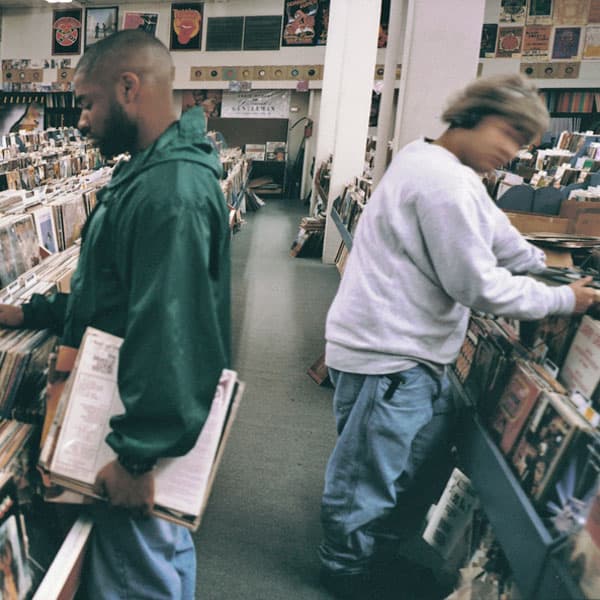
Built entirely out of other people's records, on a single sampler, in the basement of a Sacramento record shop full of unsorted vinyl.
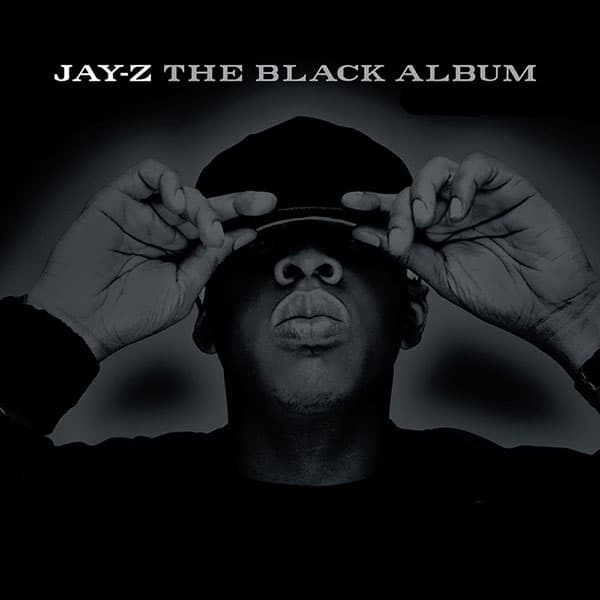
Every track has a different producer, which he did on purpose. He announced his retirement, held a farewell concert, and came back three years later.

Rakim rhymes inside his lines rather than only at the ends of them, and delivers all of it without ever raising his voice.
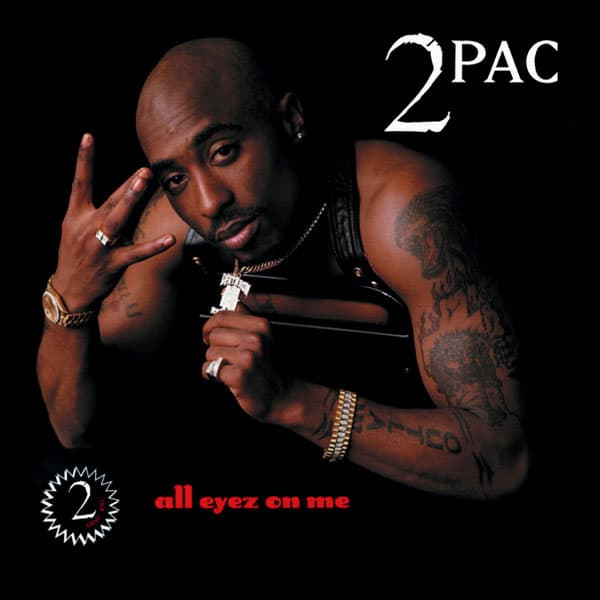
Recorded in a hurry after Suge Knight bailed him out of prison, hip hop's first great double album. He was dead within the year.
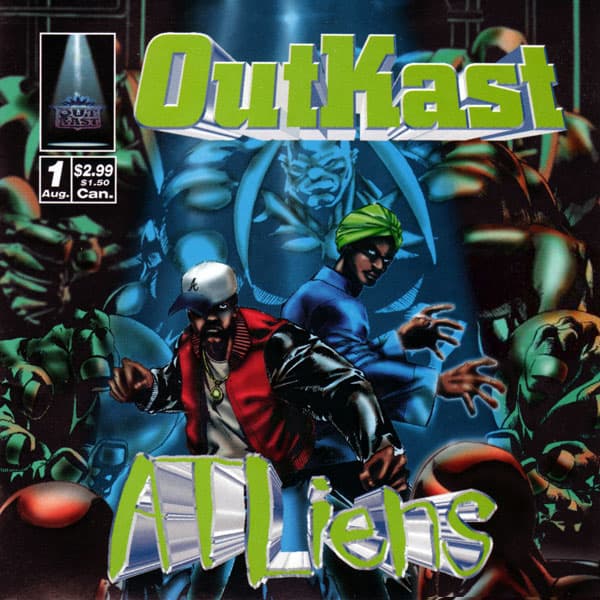
André 3000 had stopped drinking and eating meat, and the change shows: the record is cooler and stranger than anything Atlanta had made before.
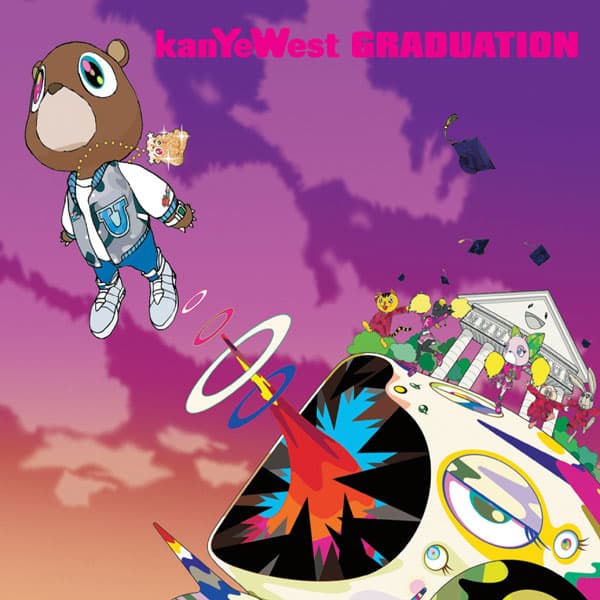
It came out the same day as a 50 Cent album, and the two turned it into a public sales contest. Kanye won by a distance.
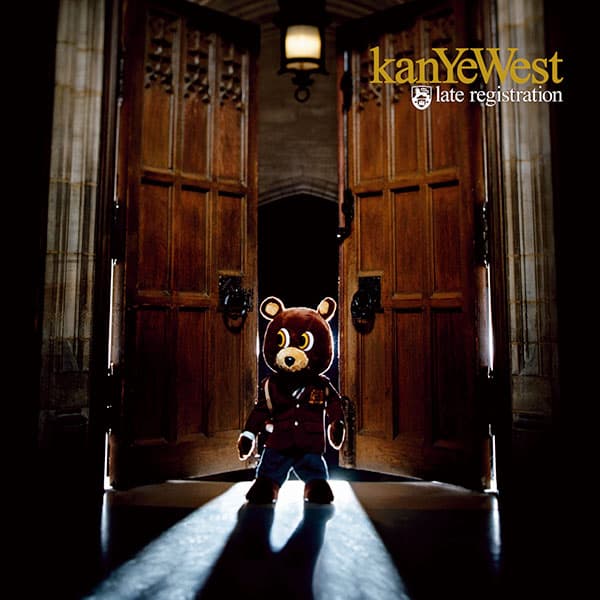
Kanye brought in Jon Brion, a film composer who had never worked on a rap record, and put a string section behind everything.
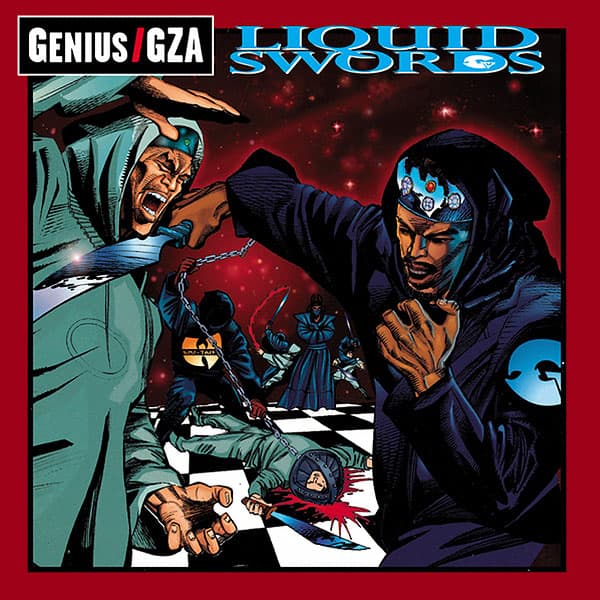
Dialogue from a dubbed samurai film runs between the tracks, spoken by a child, which is where the record gets its atmosphere.
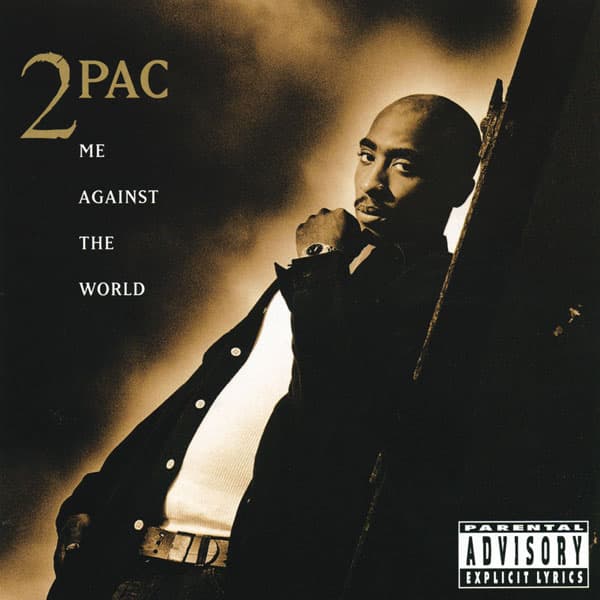
He was in prison when it reached number one, the first artist that had ever happened to. He recorded it before going in.

It came out on a purple cassette, and Ghostface Killah appears on so much of it that people argue whose album it really is.
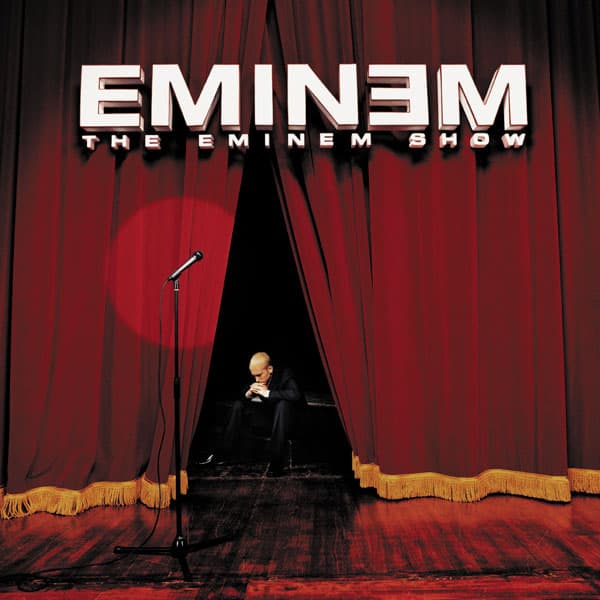
Eminem produced most of this himself rather than handing it to Dr. Dre, and it leaked so widely that the release was moved forward.
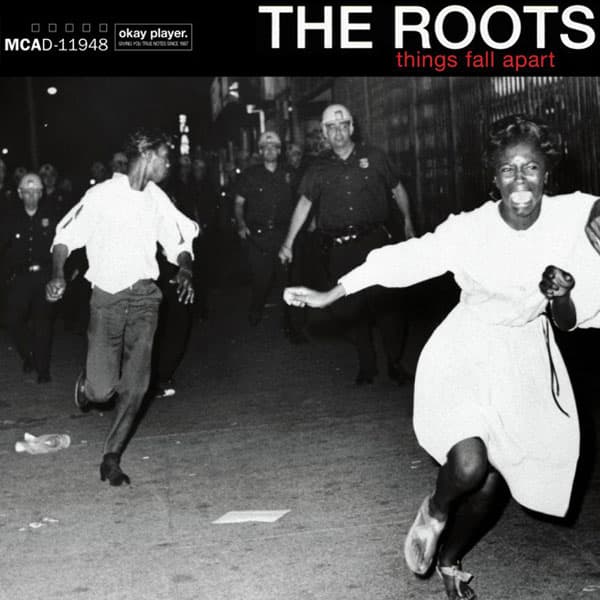
Questlove and Black Thought began by busking on Philadelphia street corners, which is why a live band plays everything here rather than a sampler.
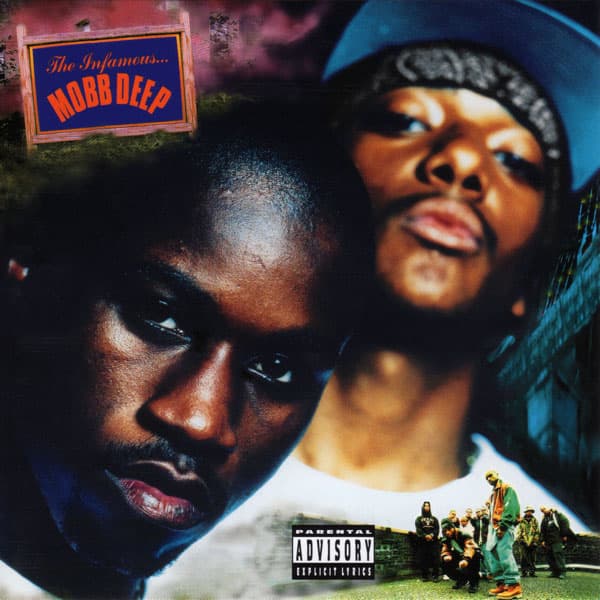
Havoc and Prodigy were nineteen when they made it. Q-Tip helped with the production and is credited on the sleeve under a false name.

50 Cent had been shot nine times two years earlier, and the bullet still in his jaw is part of why he sounds like that.
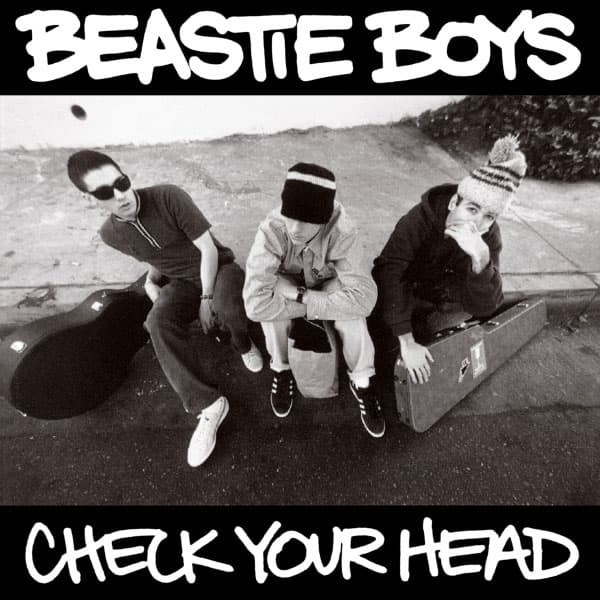
They picked their instruments back up and built a studio with a skate ramp in it, which is roughly how the record sounds.
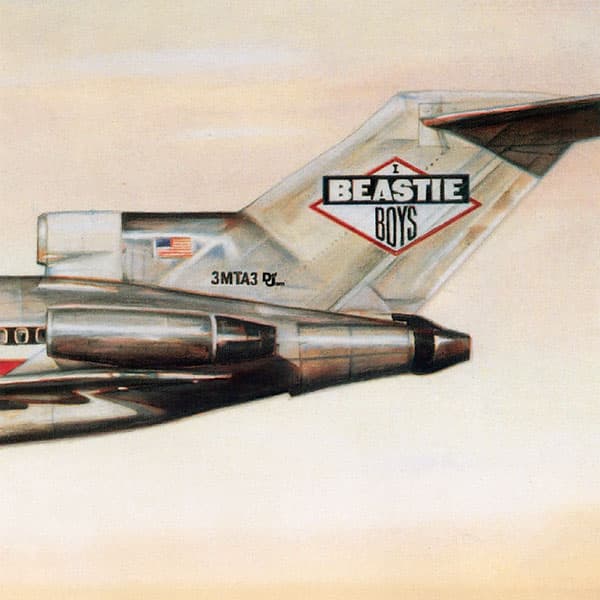
Kerry King of Slayer plays the guitar solo. Rick Rubin built the beats out of Led Zeppelin and AC/DC drums played very loud.
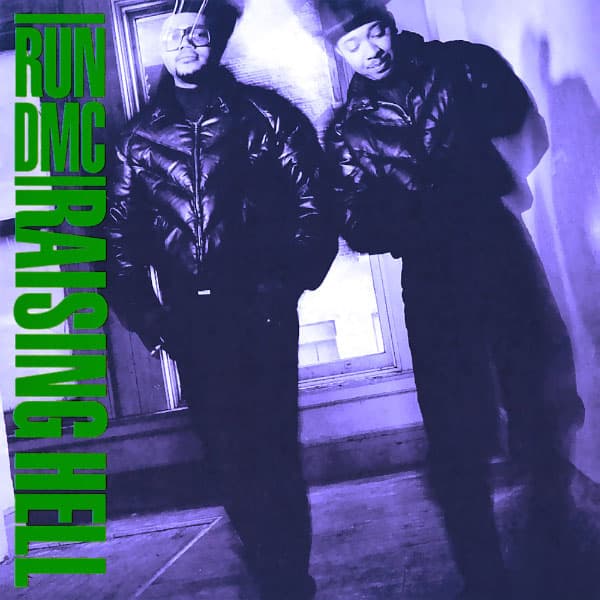
Aerosmith had not heard of Run-D.M.C. and were barely working when Rick Rubin got them into the studio to redo Walk This Way.