Songs in the Key of Life
1976
It took so long that Wonder and the band took to wearing T-shirts reading We're Almost Finished. Twenty-one songs, and no filler.
★ 9.2
 skopia
It took so long that Wonder and the band took to wearing T-shirts reading We're Almost Finished. Twenty-one songs, and no filler.
Most of it is built on a single chord that never changes, with the interest coming entirely from layers of interlocking rhythm.
It was meant to be a triple album and the label refused. Some of it is sung by a sped-up alter ego called Camille.
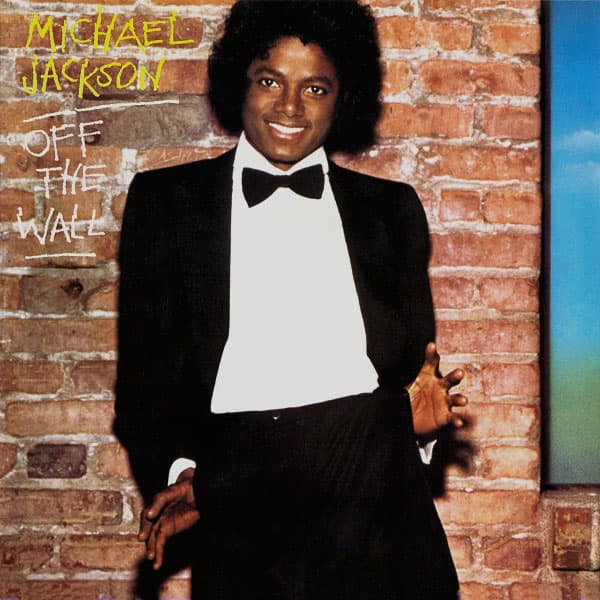
Jackson was twenty-one and wrote the two best songs on it himself. It won a single Grammy, which he took as an insult.
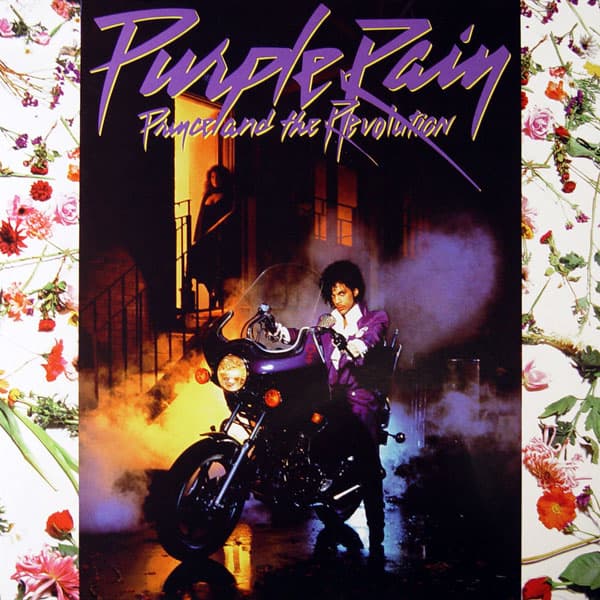
When Doves Cry has no bass on it at all, which Prince did deliberately. Several tracks were taped live at a Minneapolis club.
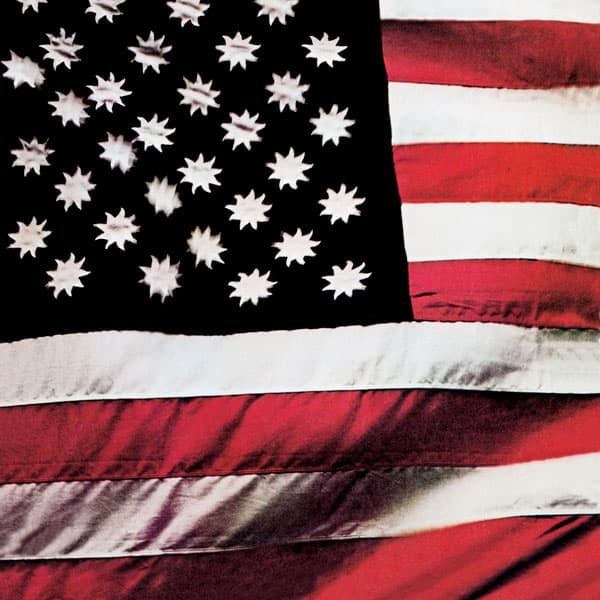
Sly overdubbed most of it alone onto a drum machine at home. The title track is listed as running zero seconds and has no music.
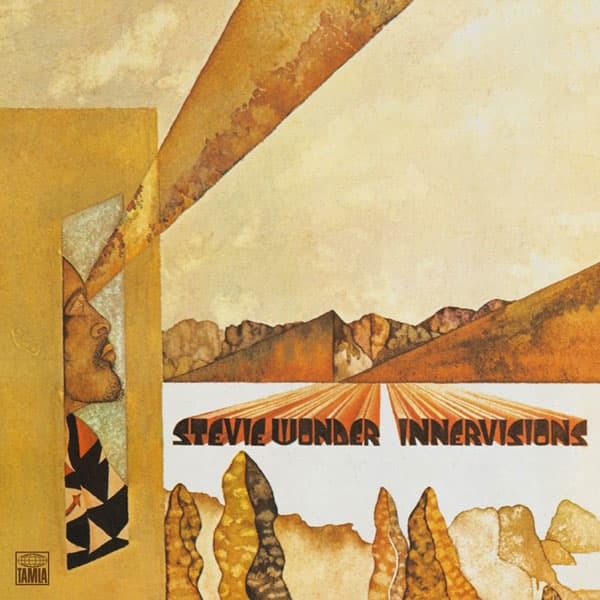
Wonder played almost every instrument on it himself. Days after it came out a car crash put him in a coma for four days.

King Records refused to pay for a live album with no new songs on it, so Brown funded the recording himself. It reached number two.
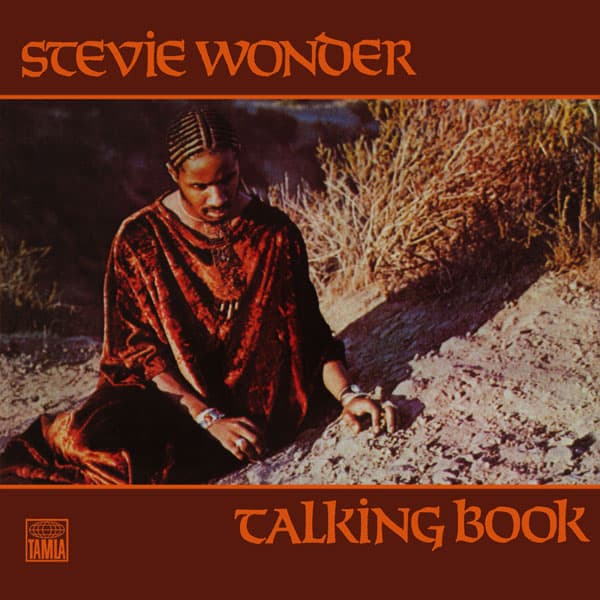
The Superstition riff is a clavinet, an electric keyboard with strings inside, layered several times over. Wonder had just won control of his contract.
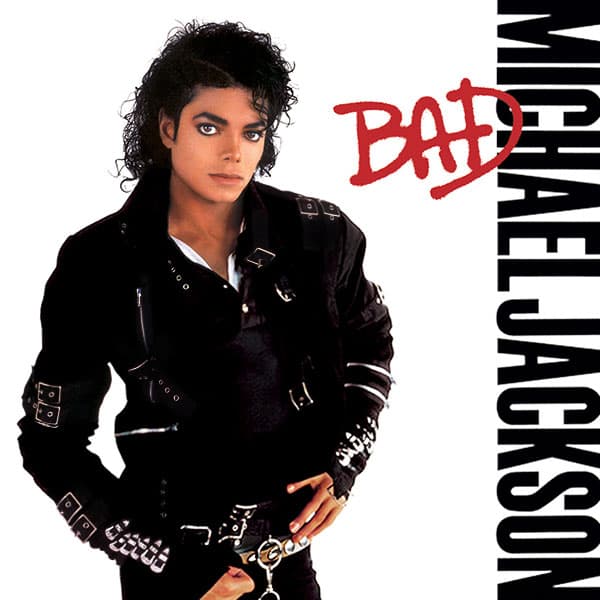
Prince was supposed to sing the title track with Jackson and turned it down. Five singles from it went to number one anyway.

The title song began as a political lyric someone else wrote, and Gaye rewrote it into a seduction before the tape rolled.

One track runs thirteen minutes and another uses a talk box to make the two singers argue through their instruments about race.
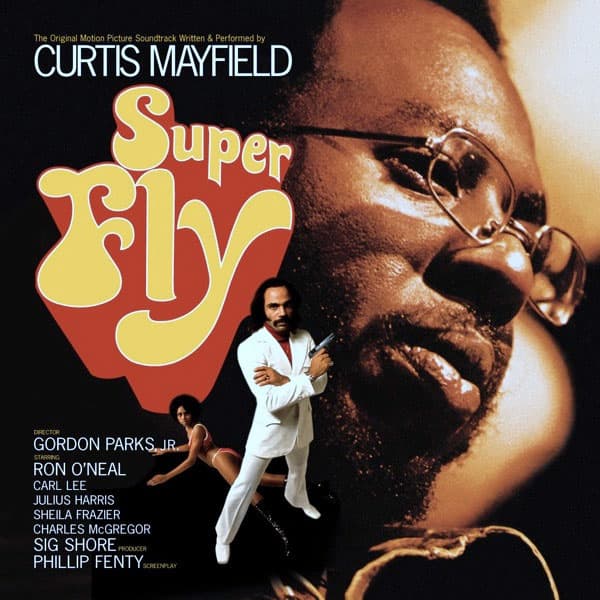
Mayfield watched the film and wrote songs attacking the drug dealing it made look glamorous, then sang them in a falsetto over congas.
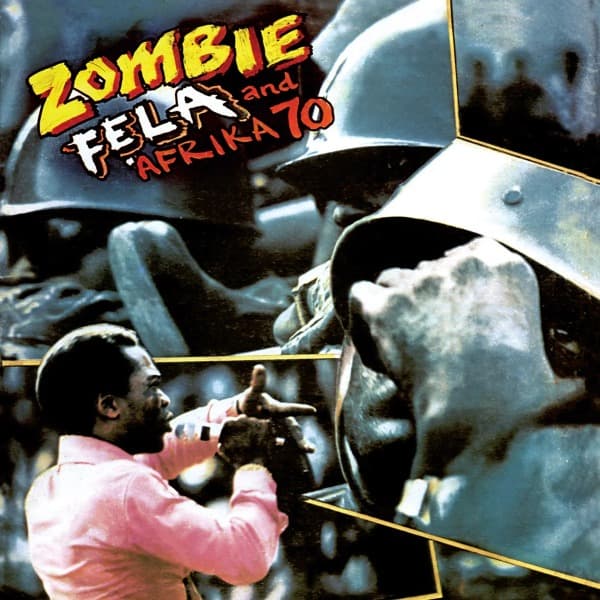
Horns and drums lock into one riff and hold it for minutes before Fela sings a word, which is how he built nearly every track.
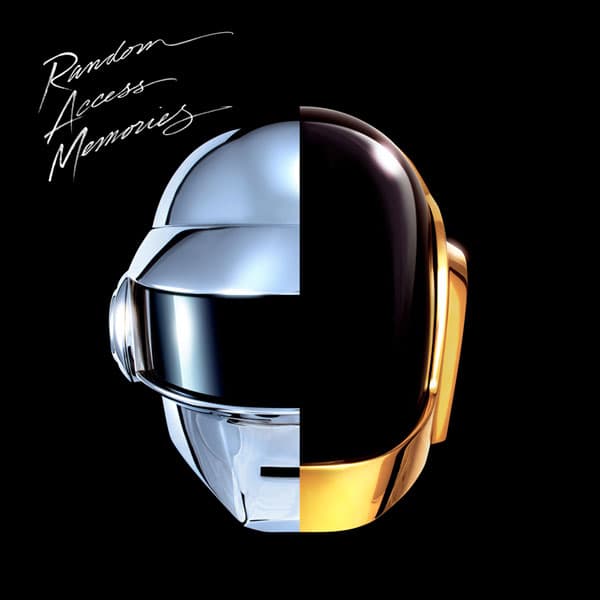
They put the drum machines away and hired session players who had made the records they grew up on. Giorgio Moroder narrates his own life.
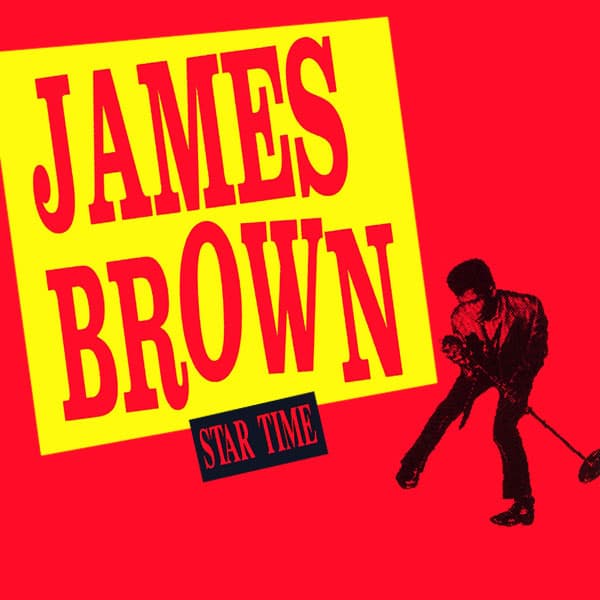
Brown fined his musicians on the spot for missed notes and scuffed shoes, which is one reason the band plays like this.
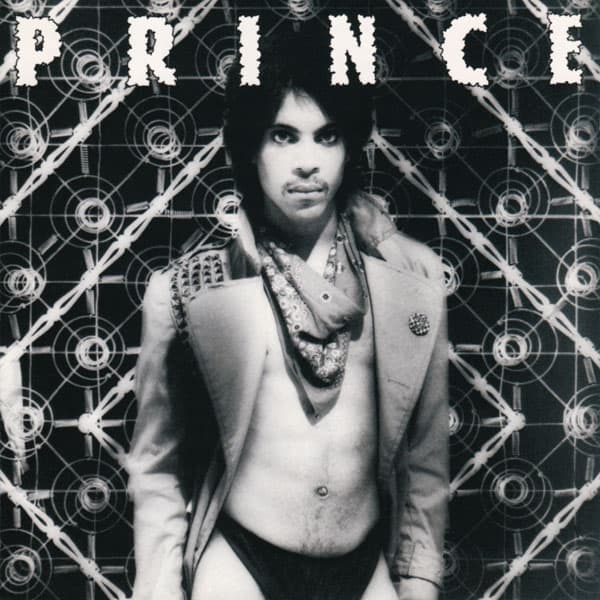
Prince made it at home as a set of demos, and Warner decided to put them out exactly as they were.

Sly's band was mixed by race and by sex at a time when almost no one else's was, and the singles sound like that too.