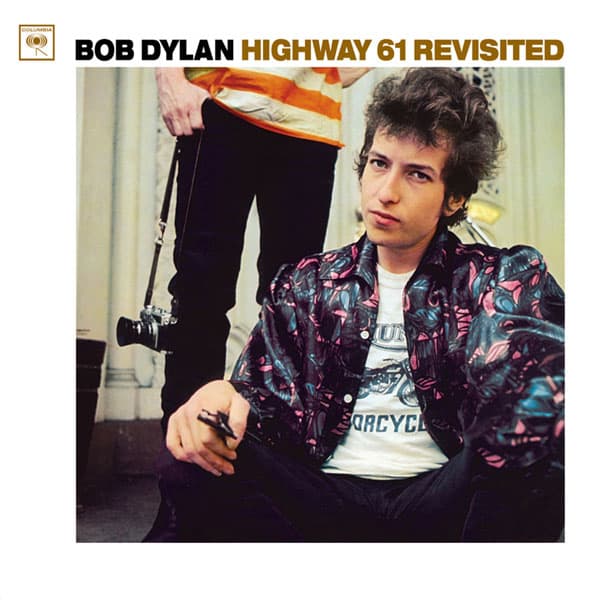
Highway 61 Revisited
1965
Al Kooper was not the organ player and sat down at it anyway, which is the sound everybody remembers from Like a Rolling Stone.
★ 9.8
 skopia
Al Kooper was not the organ player and sat down at it anyway, which is the sound everybody remembers from Like a Rolling Stone.

Dylan finished it, then rerecorded half the songs in Minneapolis with local musicians his brother rounded up, days before it was due out.
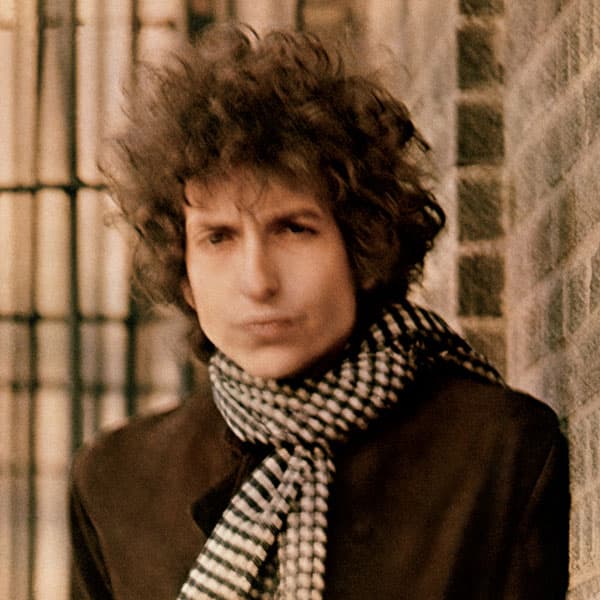
The Nashville session men sat around for hours while Dylan finished writing. Sad Eyed Lady of the Lowlands was cut at four in the morning.
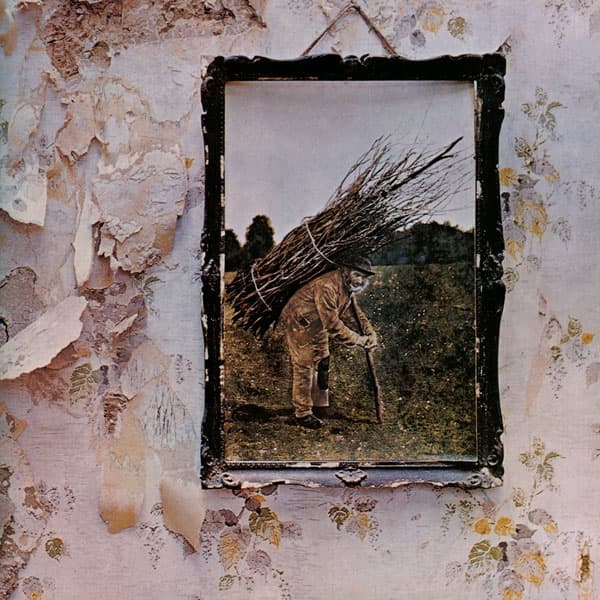
There is no title and no band name anywhere on the sleeve, just four symbols the members chose. The label thought it was commercial suicide.
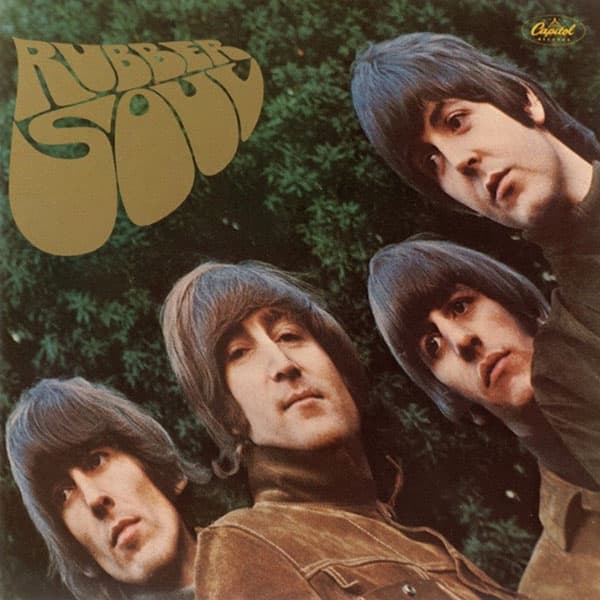
Norwegian Wood has the first sitar on a pop record. The stretched cover photograph happened when a slide slipped during the projection.
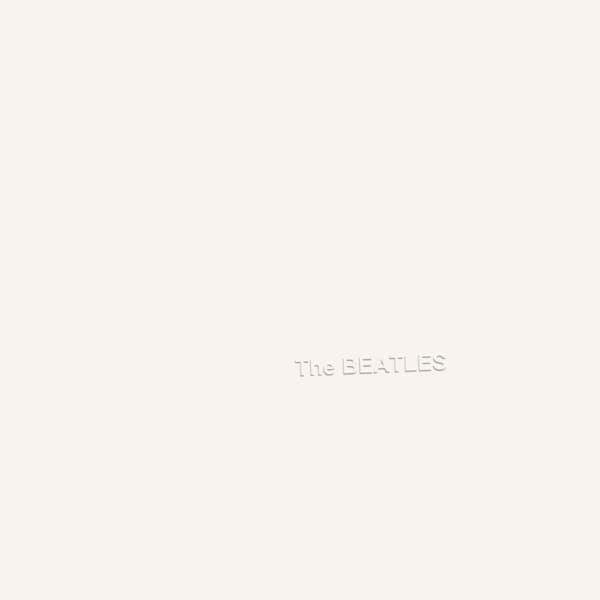
Ringo Starr quit for two weeks during the sessions and Paul played drums in his absence. The cover is plain white with a stamped serial number.
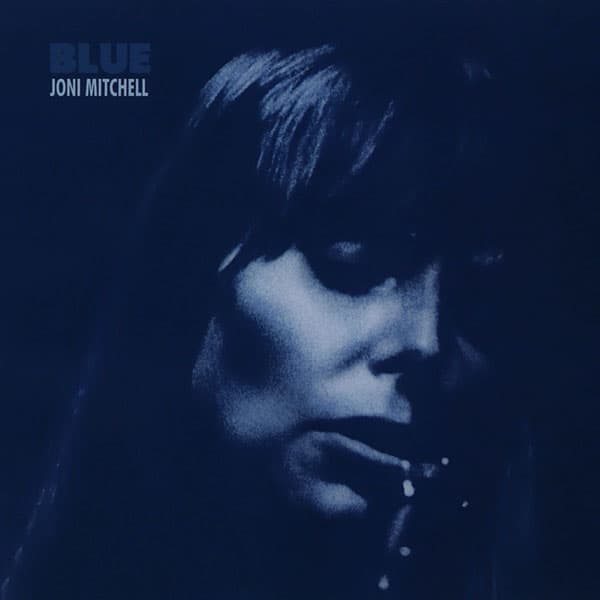
Mitchell was so exposed making it that she asked visitors to leave the studio. Kris Kristofferson told her to keep something back for herself.
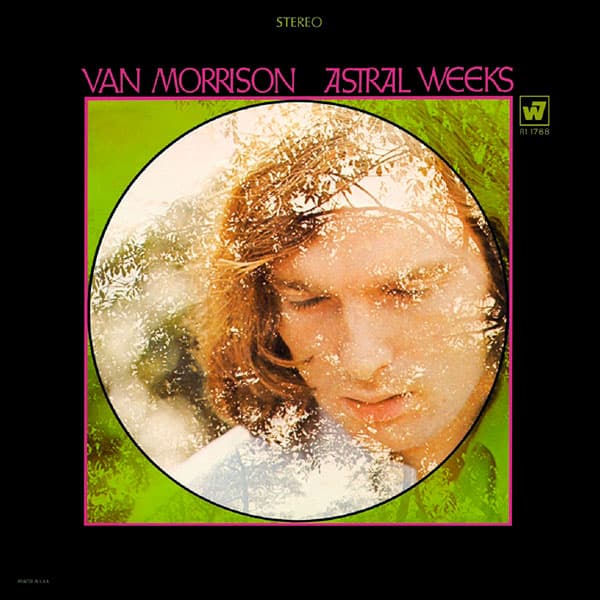
Morrison sat in an isolation booth and barely spoke to the jazz players hired to back him. The whole thing was done in three sessions.

One side plugged in, one side not. A few months later Dylan took the electric half to Newport and the folk crowd turned on him.

Simon wrote the title song and gave it to Garfunkel to sing alone, and spent years regretting it. They had broken up by release.
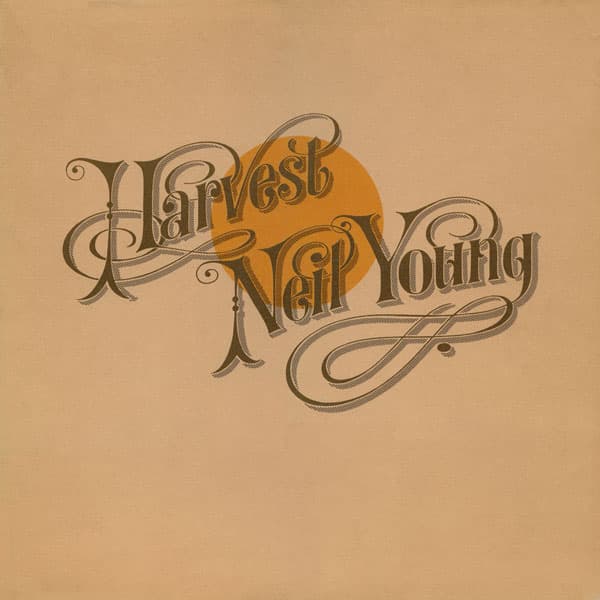
Young had hurt his back and recorded much of it sitting down in a brace. The London Symphony Orchestra plays on two of the songs.

They wrote it in the basement of a pink house near Woodstock, and Bob Dylan painted the picture on the front.

Recorded mostly in the basement of his Topanga house, with an eighteen-year-old Nils Lofgren on piano, an instrument he had not played before.

It took roughly eight hundred hours of studio time, and by the end the four of them were barely speaking to each other.
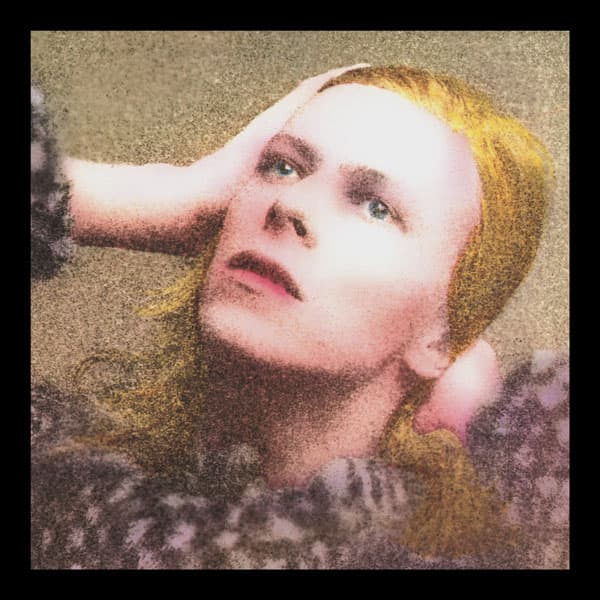
Rick Wakeman plays the piano throughout, and Bowie wrote Kooks in an afternoon for his newborn son. Ziggy Stardust was still a year away.
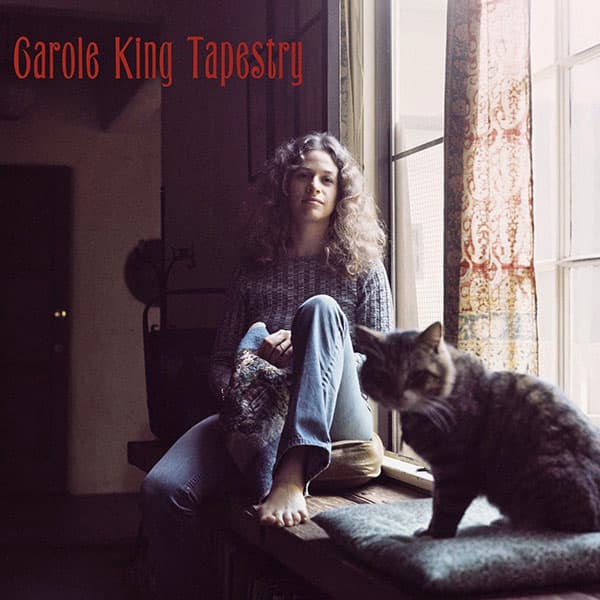
King had already written dozens of hits for other people before anyone heard her sing. This one sold twenty-five million copies.
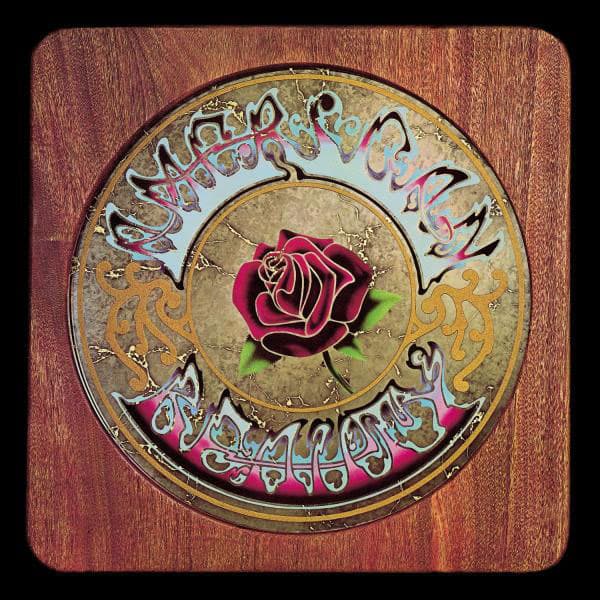
The bassist Phil Lesh wrote Box of Rain while his father was dying, and sang it himself. The Dead had never written this plainly before.
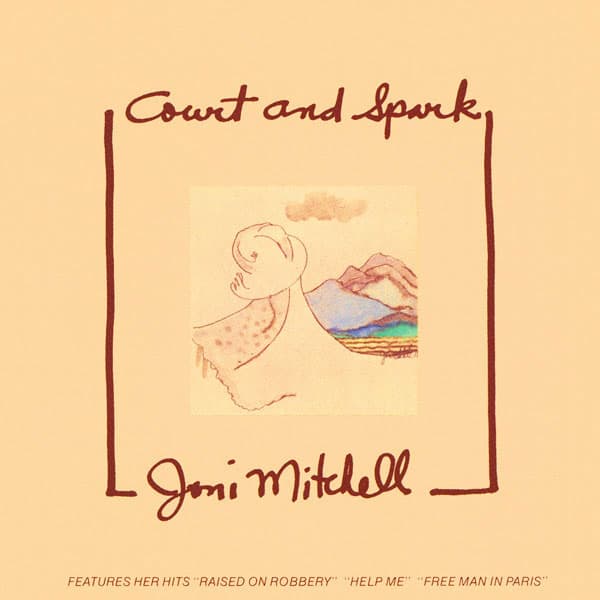
Mitchell hired a working jazz band to back her and made the best-selling record of her life without simplifying a single thing.
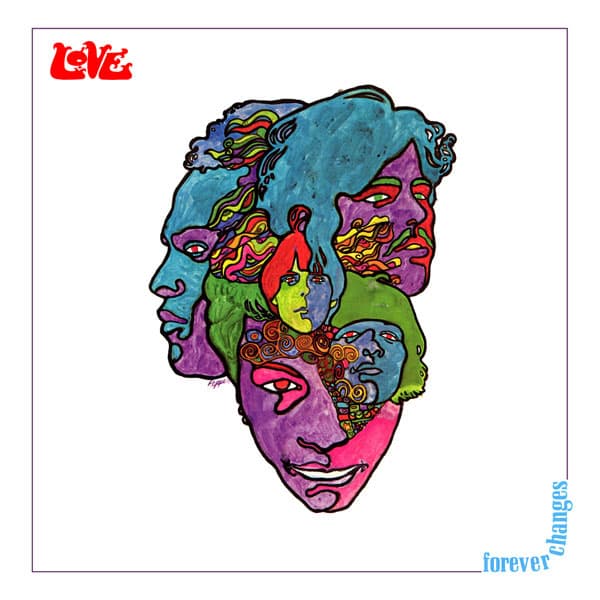
Arthur Lee was convinced he was about to die and wrote it as a goodbye. Session players were hired when the band could not play.

Jeff Mangum wrote it after reading Anne Frank's diary, played a musical saw on it, and then more or less disappeared for a decade.
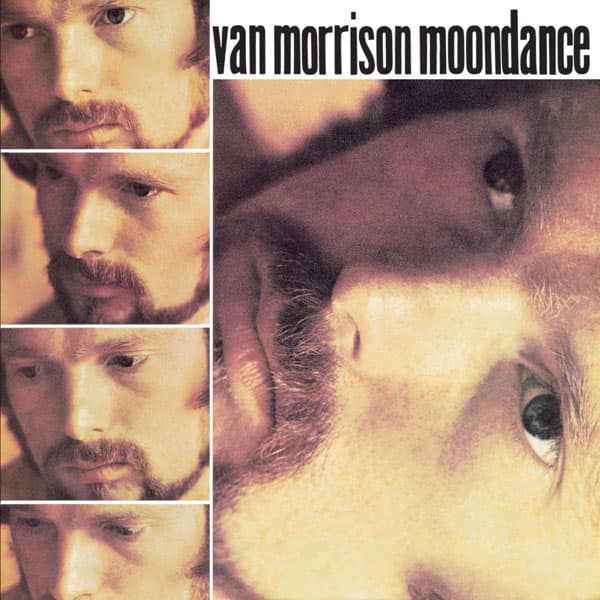
Morrison arranged the horns himself and has spent decades saying he does not much like the record. Everyone else disagrees.
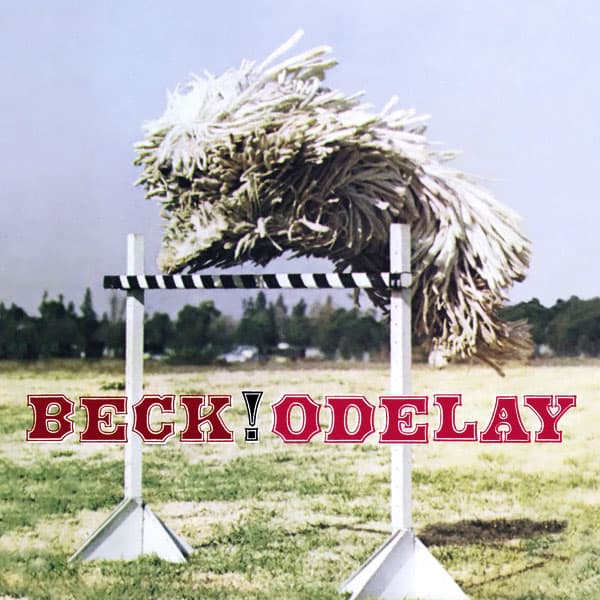
The Dust Brothers spent two years layering it out of junk-shop records. The dog on the cover is a Komondor caught mid-jump.

The three of them first sang together in a living room and knew immediately. The house on the cover was demolished before they could reshoot it.

John Cale had left, taking the viola and the noise with him. They recorded it through small amplifiers because their equipment had been stolen.

Dylan had not released an album of new songs in seven years, and recorded these in Miami with a dozen musicians playing at once.
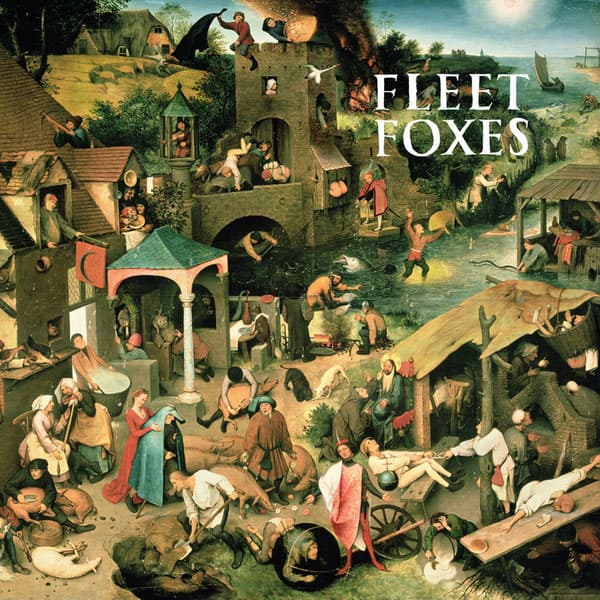
The singer Robin Pecknold layers the harmonies so thickly, and drowns them in so much reverb, that it sounds recorded in a stone church.

Justin Vernon spent three winter months alone in his father's hunting cabin, recovering from a breakup and glandular fever, stacking his falsetto in layers.
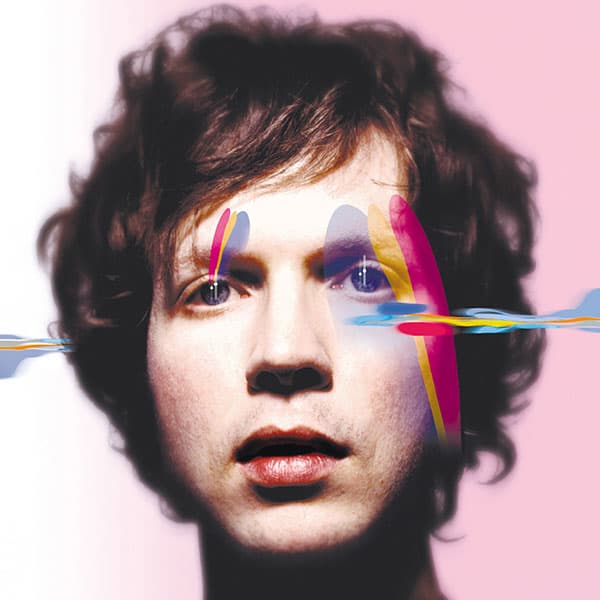
Beck wrote it after a nine-year relationship ended and recorded it in about two weeks. His father wrote the string arrangements.
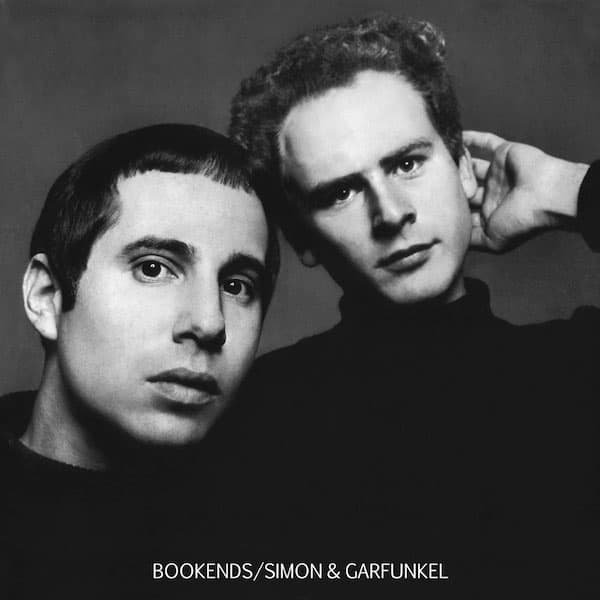
Side one runs from childhood to old age, and the voices in the middle of it are real people Garfunkel recorded in nursing homes.
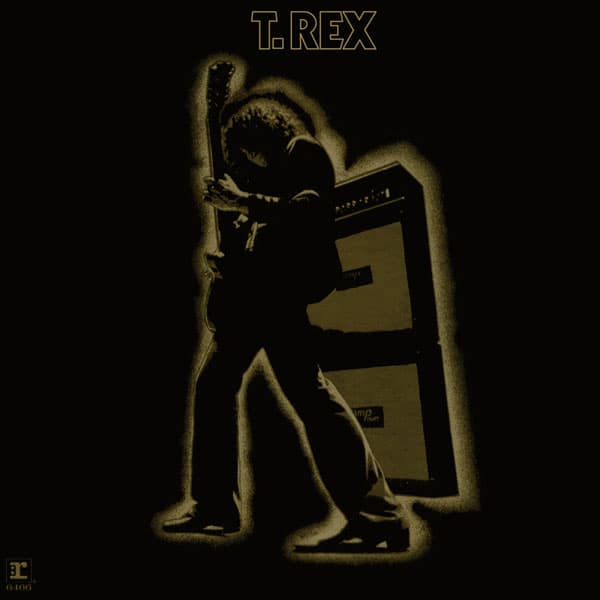
Marc Bolan sings everything with the same wobbling vibrato over two-chord boogie, and producer Tony Visconti buried strings underneath it.

The mandolin on Maggie May was played by a session man paid fifteen pounds, whose name Stewart admitted he had forgotten in the sleeve notes.
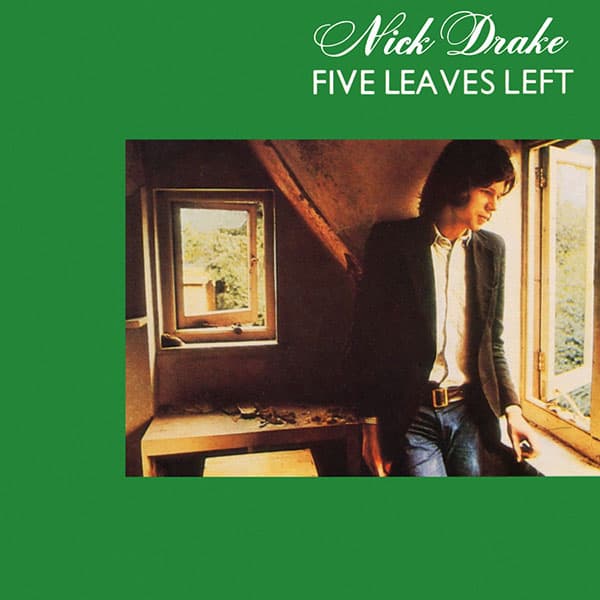
The title comes from the warning near the end of a packet of cigarette papers. A college friend with no professional credits wrote the string parts.
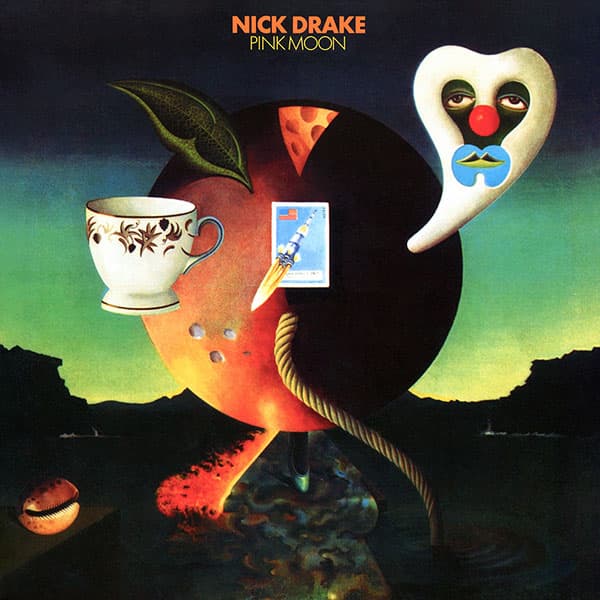
Twenty-eight minutes, recorded in two late-night sessions with nobody else playing. Drake left the tapes at his label's reception desk and walked out.

It sold almost nothing and Columbia nearly dropped him. Rosalita runs past seven minutes and closed his concerts for years afterwards.

It was the first album certified platinum, and for decades it traded places with Thriller as the best-selling record in America.
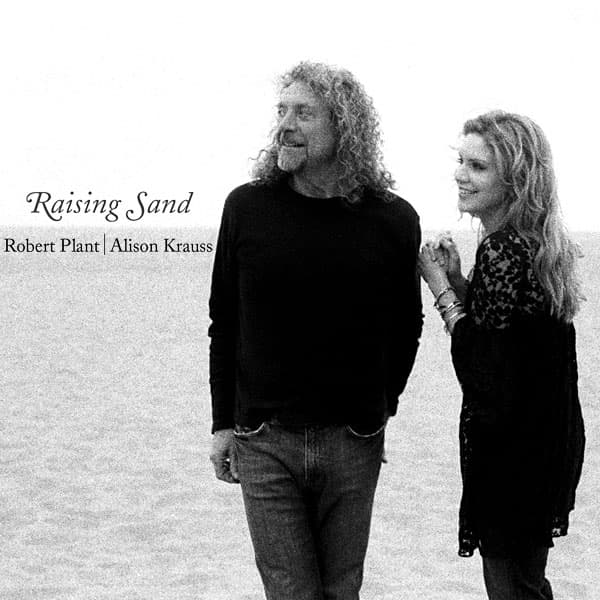
T Bone Burnett chose every song and neither singer had heard most of them. Plant sings underneath Krauss rather than over her.
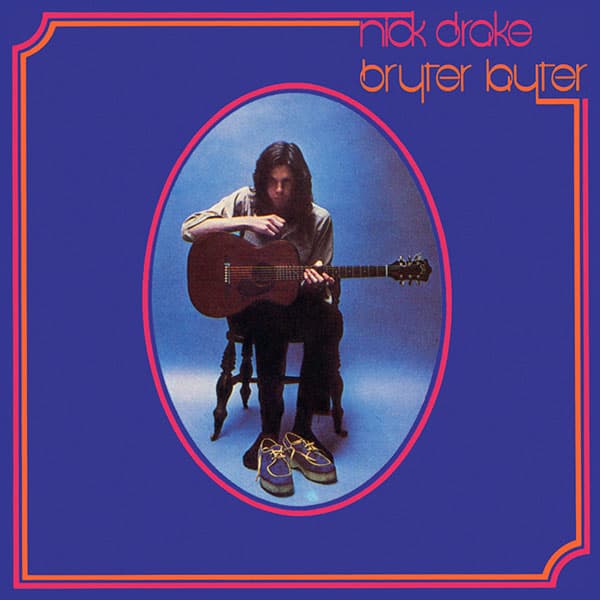
It sold fewer than three thousand copies. John Cale played on two songs, and Drake barely performed any of it in public.
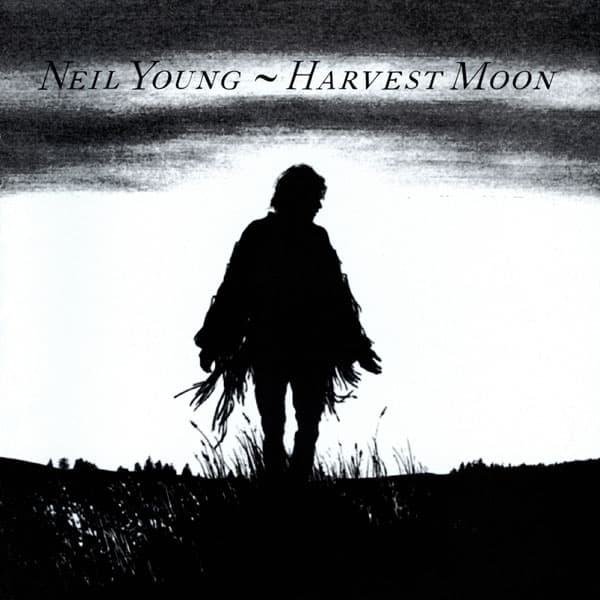
Ringing ears from his previous, much louder album meant Young had to play quietly, so he called the band back and made a sequel.
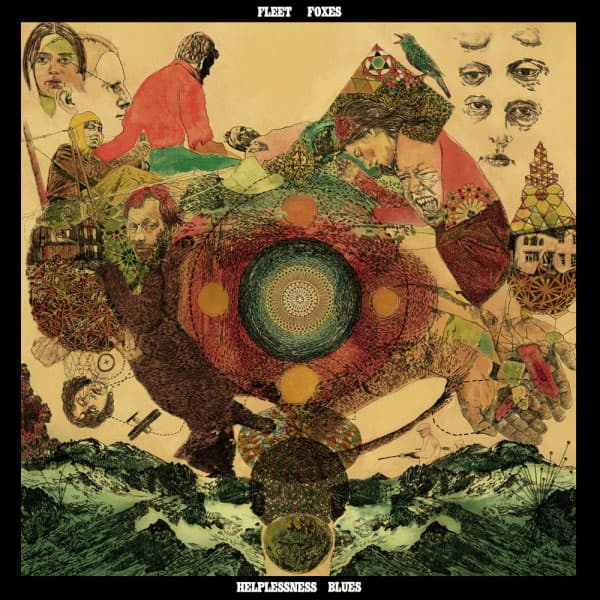
Singer Robin Pecknold scrapped a finished version and started over. The title song is about not wanting to be anyone special.