
Sourced and spun.
Browse all 542 records or filter by genre, artist, and year.
Franz Ferdinand
The band said they wanted to make records girls could dance to, and rehearsed in a derelict Glasgow warehouse they had taken over.
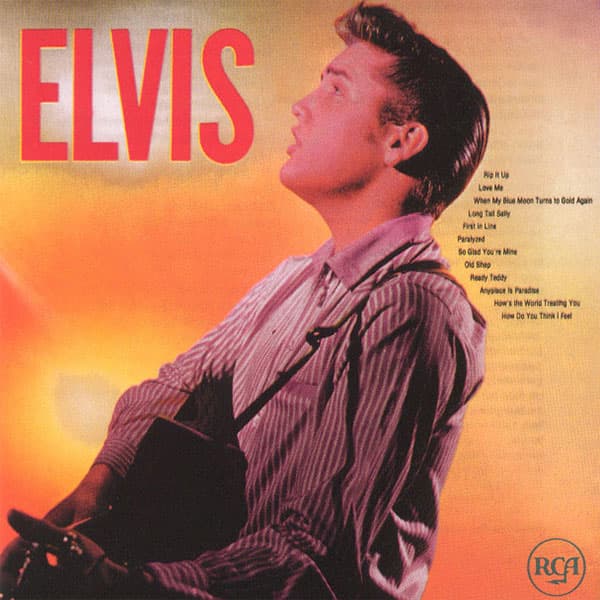
Elvis
His second number one album in a single year, cut in Hollywood between films, with Elvis himself at the piano on several tracks.
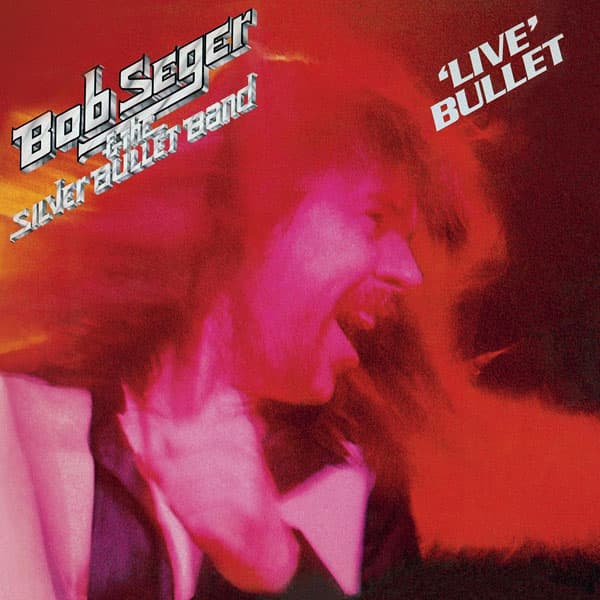
Live Bullet
Seger had been playing for ten years with no national hit when this was taped over two nights at Cobo Hall in Detroit.
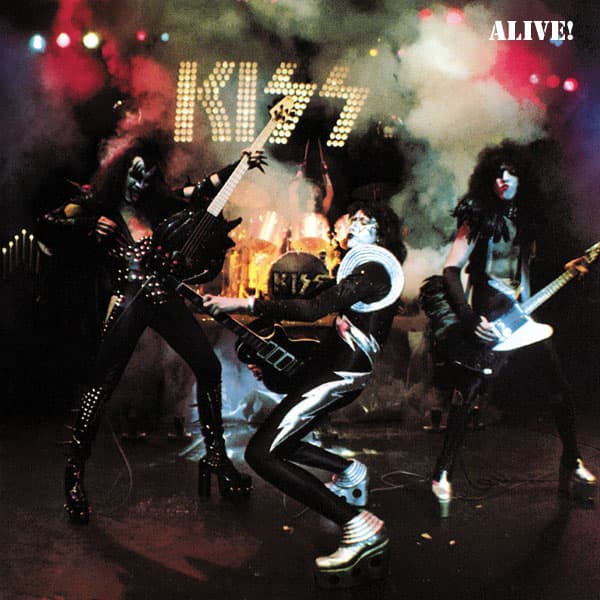
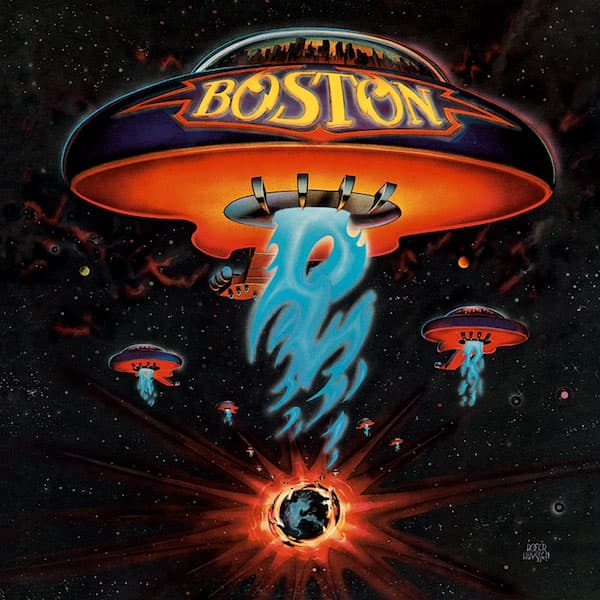
Alive!
It is billed as a live album but a good deal of it was rebuilt in the studio afterward. It saved the record label from bankruptcy.

Modern Vampires of the City
Rostam Batmanglij pitched the vocals up and down until they sound like other people, which is why the record keeps slipping out of focus.
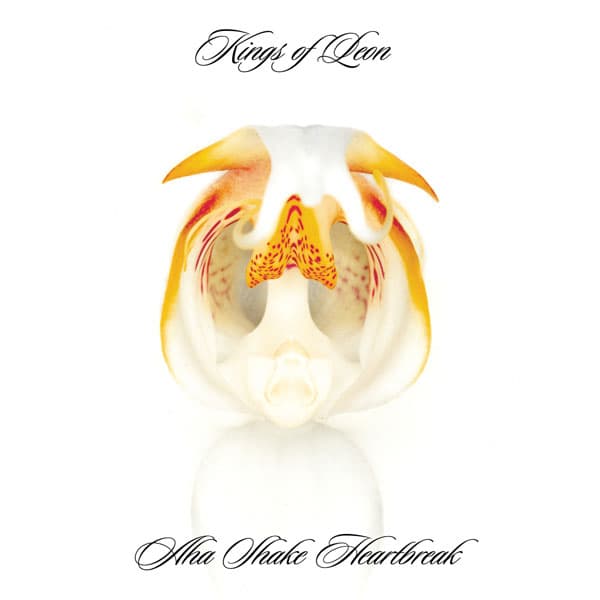
Aha Shake Heartbreak
Three brothers and a cousin, raised on a Pentecostal preaching circuit, playing scrappy Southern garage rock. Britain loved it years before America noticed.
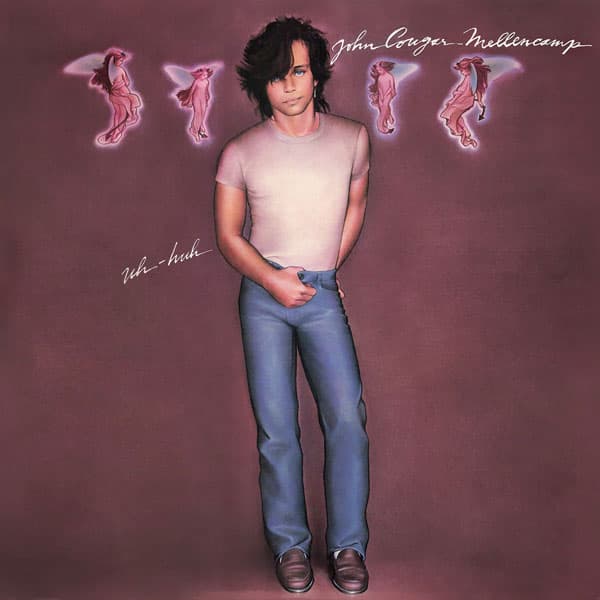
Uh-Huh
His label had made him record as Johnny Cougar for years, and this is the first album with his real surname on the cover.
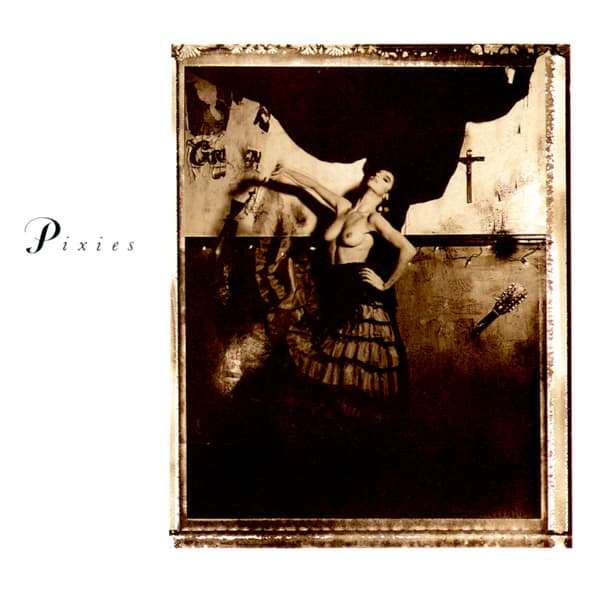
Surfer Rosa
Steve Albini recorded the drums in a bathroom to get the echo, taped studio chat between songs, and finished the whole thing in ten days.
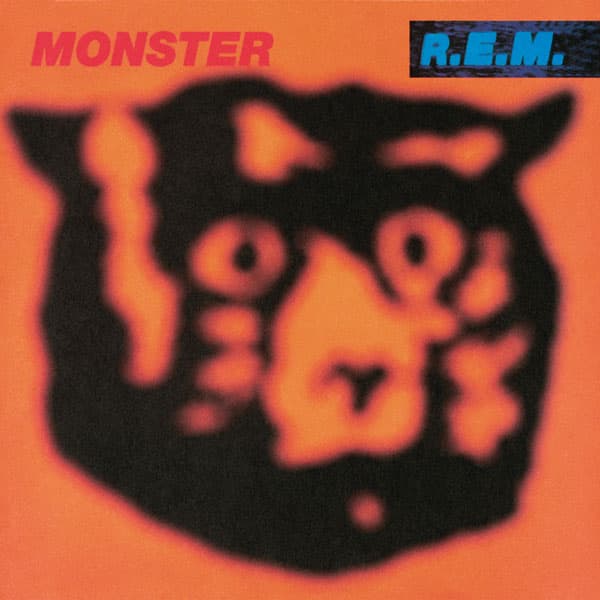
Monster
They plugged back in on purpose after two quiet albums, and for years it was the record most often found in second-hand shops.
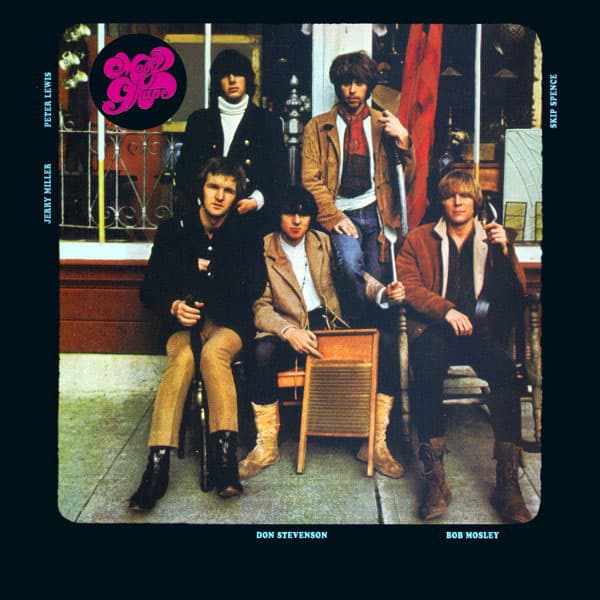
Moby Grape
Columbia released five singles from it on the same day, which made radio ignore all of them and effectively finished the band.
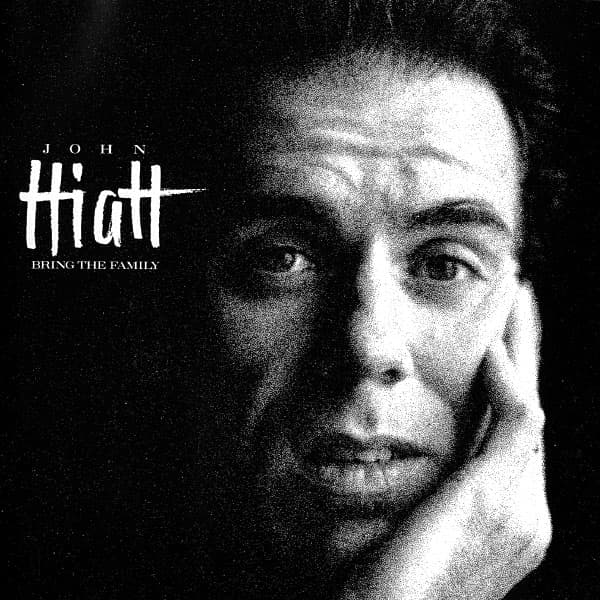
Bring the Family
Cut in four days with a band of Ry Cooder, Nick Lowe and Jim Keltner, by a man who had just got sober and had nothing.
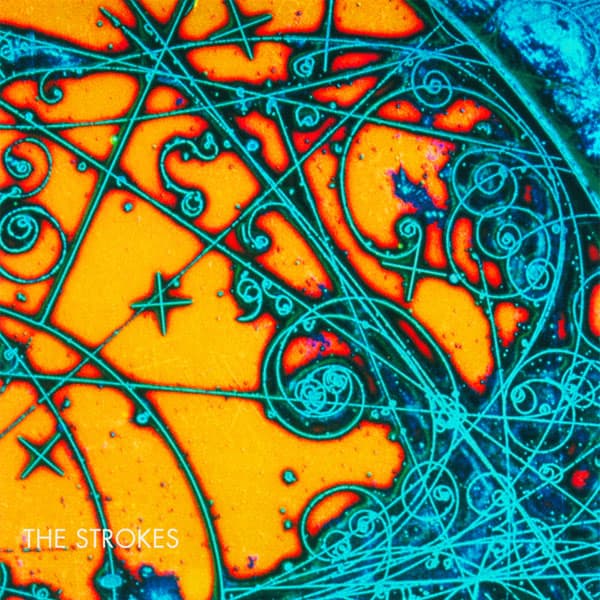
Is This It
Singer Julian Casablancas sang through a guitar amplifier to get that flattened, distant voice, and the whole thing was recorded in a basement.
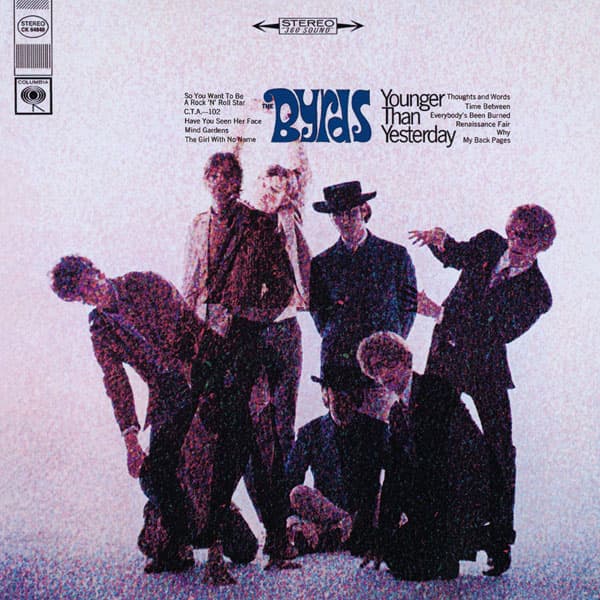
Younger Than Yesterday
Chris Hillman had never written a song before and suddenly wrote four, because Gene Clark had left and Crosby could not fill the gap alone.
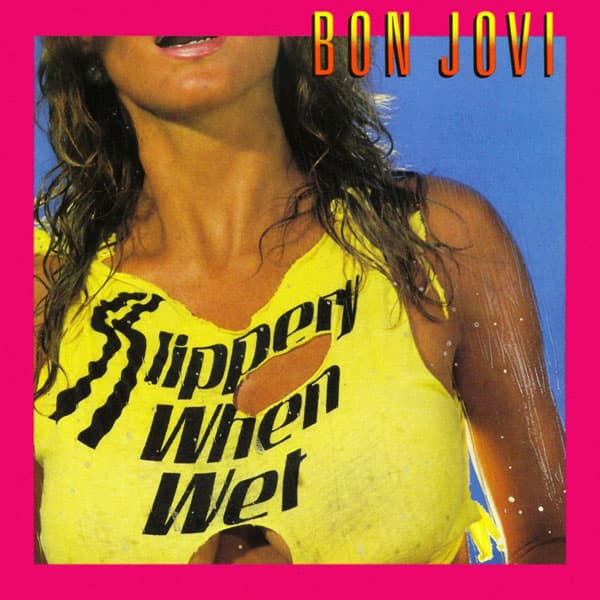
Slippery When Wet
They played demos to groups of New Jersey teenagers and cut the songs the kids liked least. It sold twenty-eight million copies.
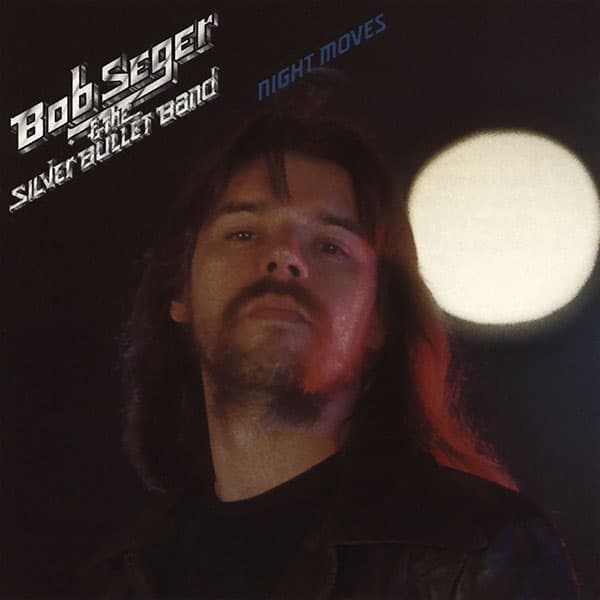
Night Moves
Half of it was cut with the Muscle Shoals house band, and the title song is Seger remembering a summer twenty years earlier.
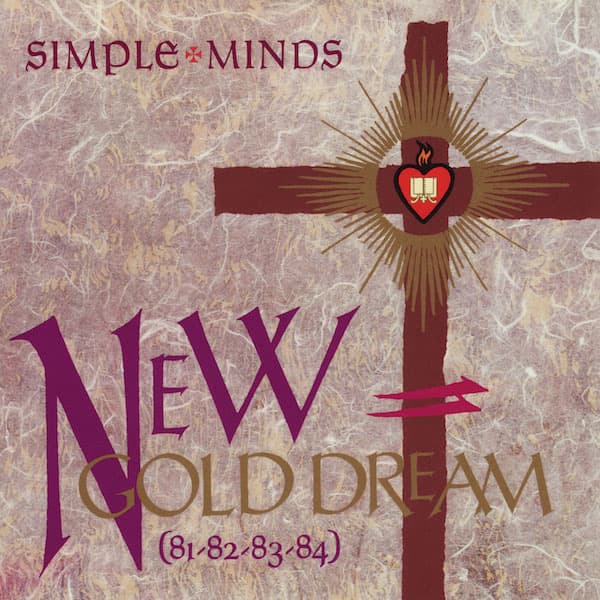
New Gold Dream
Herbie Hancock turns up to play a keyboard solo on one track, which nobody expected on a Scottish post-punk record.
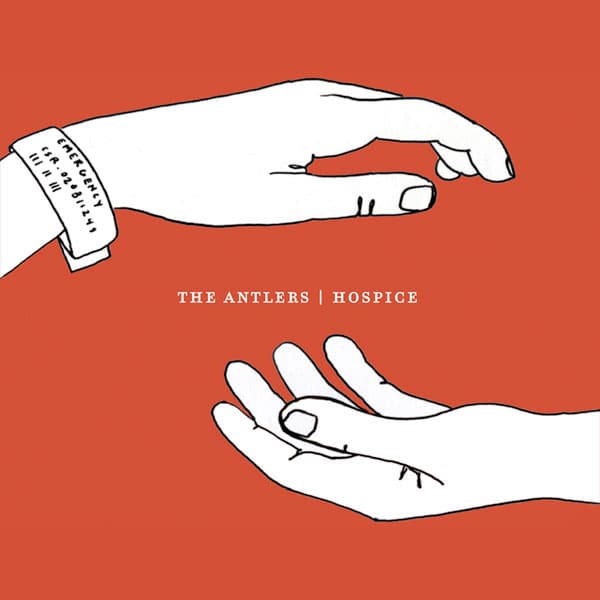
Hospice
A song cycle set in a hospice ward, about a worker and a dying patient, that most listeners take as being about something else entirely.
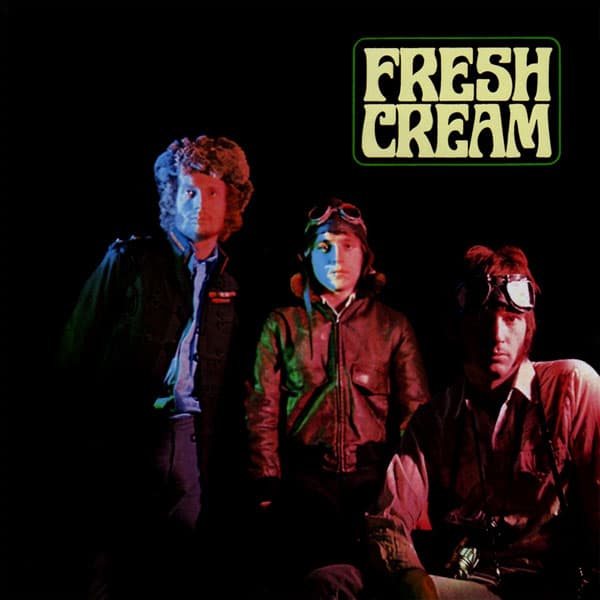
Fresh Cream
Jack Bruce and Ginger Baker had already been throwing things at each other in a previous band. Baker's drum solo takes up five minutes.
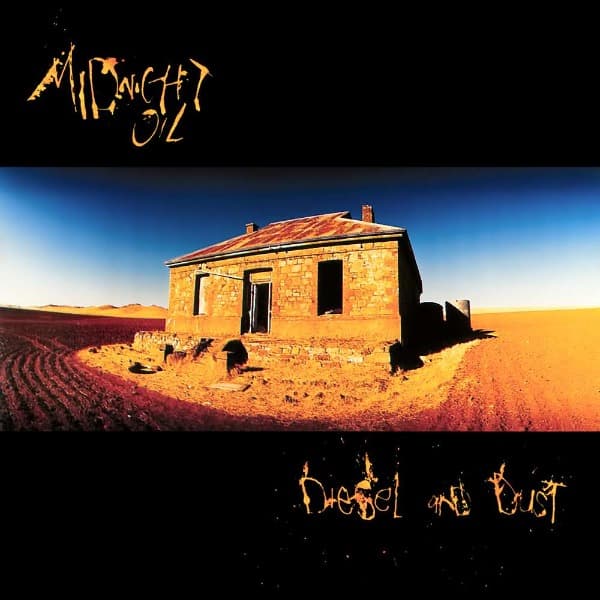
Diesel and Dust
The band toured remote Aboriginal communities in the outback first, and wrote the record afterward about what they had seen there.
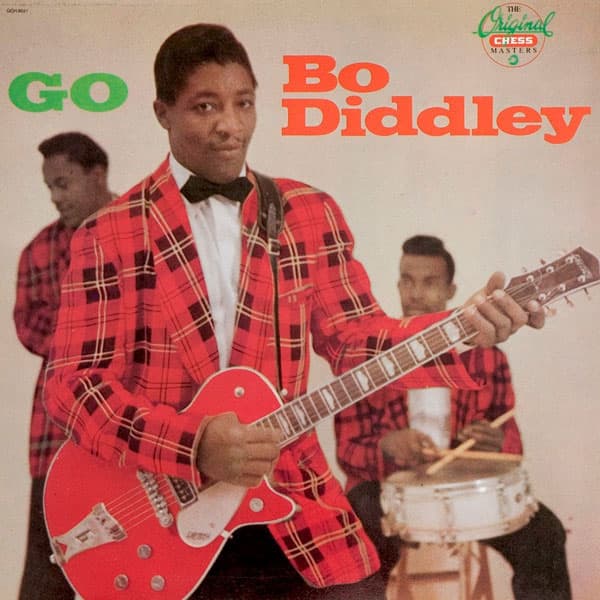
Bo Diddley
The beat he hammered out here has been borrowed ever since, by Buddy Holly, the Stones and everyone after. He built his own square guitars.
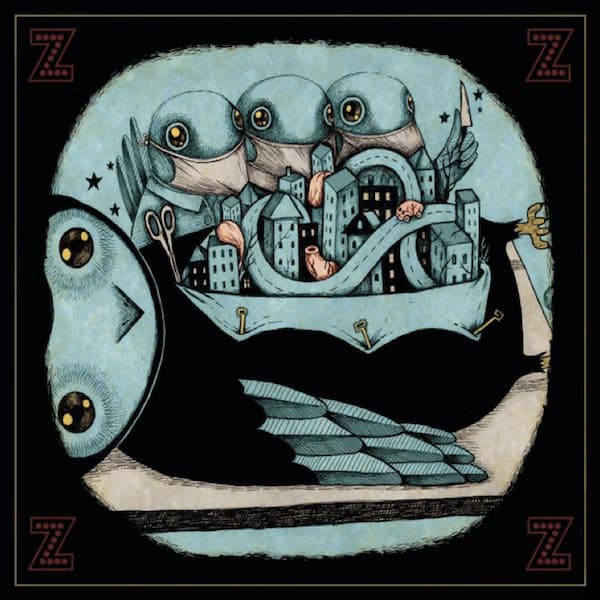
Z
Jim James recorded the earlier albums in a grain silo on his grandfather's farm for the echo. This is the first made in a real studio.

Wolfgang Amadeus Phoenix
The band come from Versailles and had spent ten years making records almost nobody outside France bought before this one arrived.
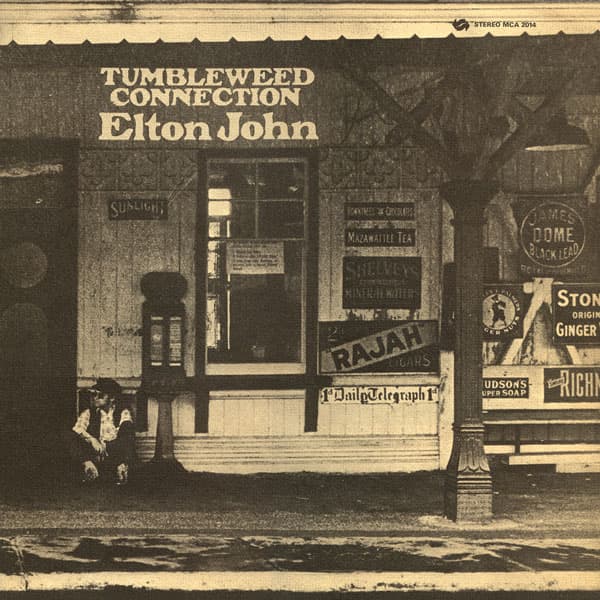
Tumbleweed Connection
Neither John nor Bernie Taupin had set foot in America when they wrote these songs about it. Taupin had been listening to The Band.
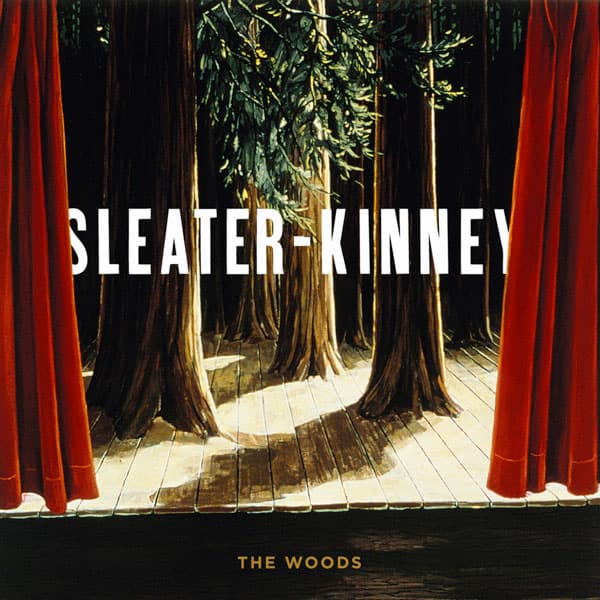
The Woods
Sleater-Kinney have no bass player, only two guitars and drums, and here producer Dave Fridmann pushed the levels until everything distorts.
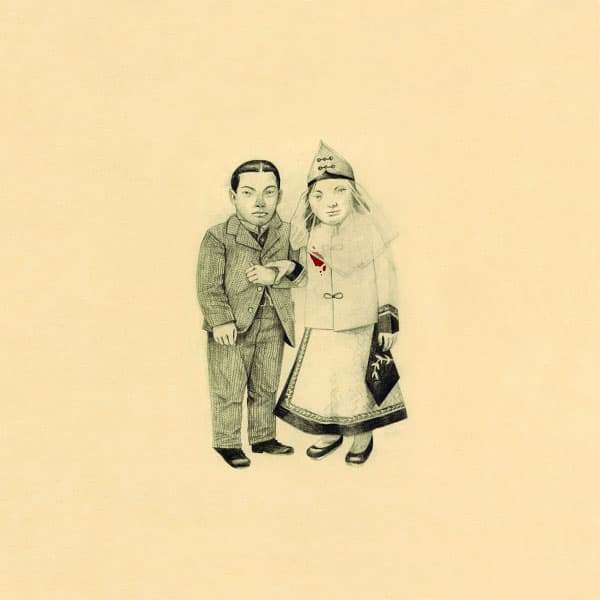
The Crane Wife
The title song is in three parts, and they are scattered across the record out of order. The story is a Japanese folk tale.
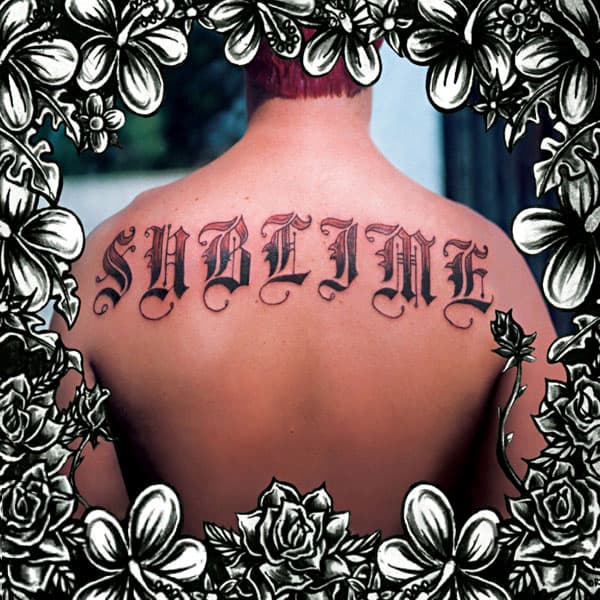
Sublime
Bradley Nowell's dalmatian appears on the cover and in half the songs. He died two months before the record came out.

Sounds of Silence
Their producer added drums and electric guitar to an old acoustic track without telling them. It became a hit and the duo reformed.
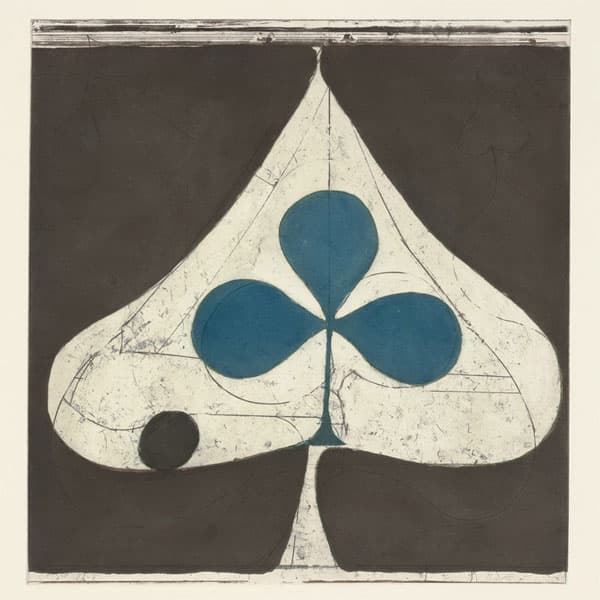
Shields
They threw away a year's work and began again. All four of them write, which is why nothing quite resolves the way you expect.
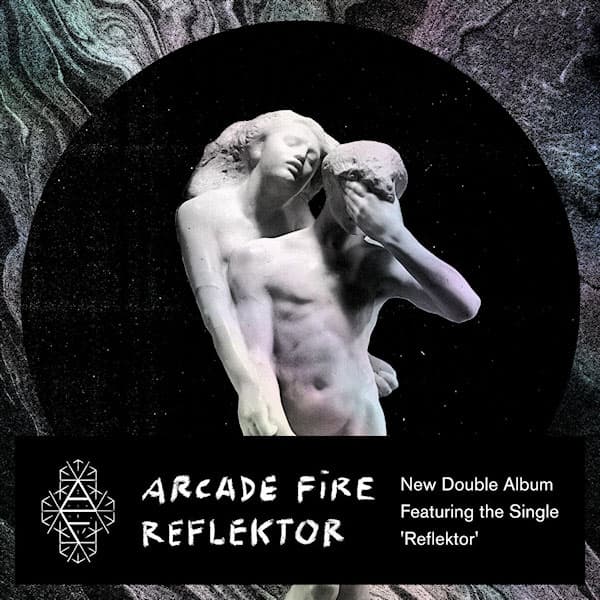
Reflektor
They recorded part of it in Jamaica with James Murphy of LCD Soundsystem producing, and David Bowie sings on the title track.

Parsley, Sage, Rosemary and Thyme
The last track lays a Christmas carol over a real news broadcast, so the two get harder to separate as it goes on.
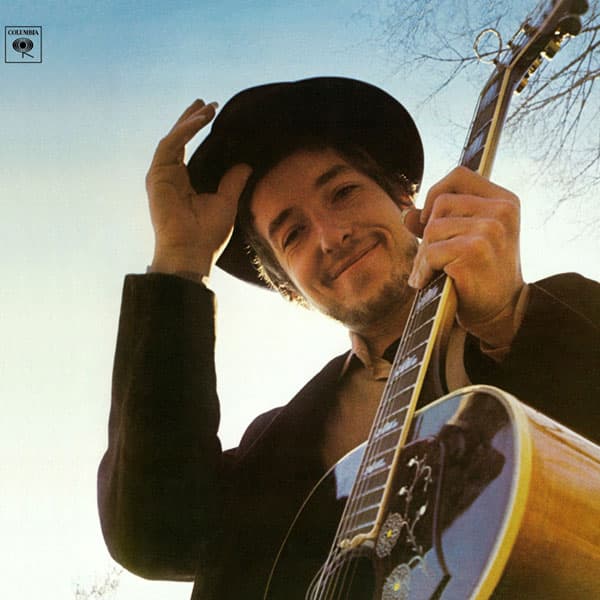
Nashville Skyline
Dylan had stopped smoking and his voice came back completely different, which nobody was expecting. Johnny Cash sings with him on the opener.
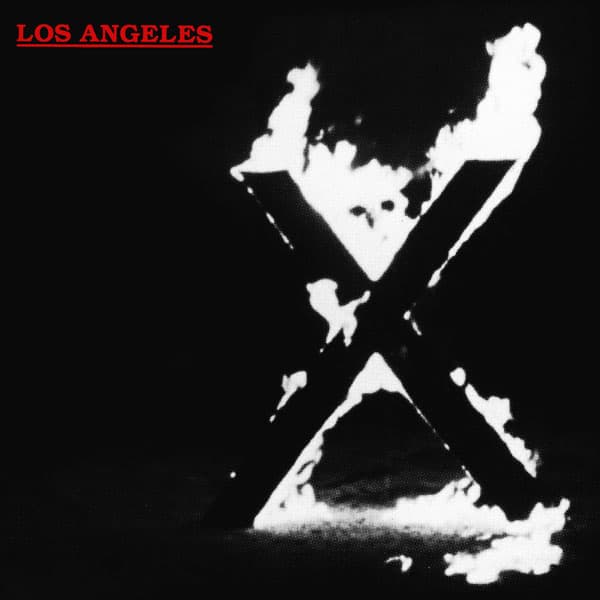
Los Angeles
Ray Manzarek of the Doors produced it and played the organ, which is why a punk record has that particular keyboard on it.

Kiss Me, Kiss Me, Kiss Me
Eighteen songs across a double album, deliberately in as many different styles as the band could manage, recorded in a French farmhouse.
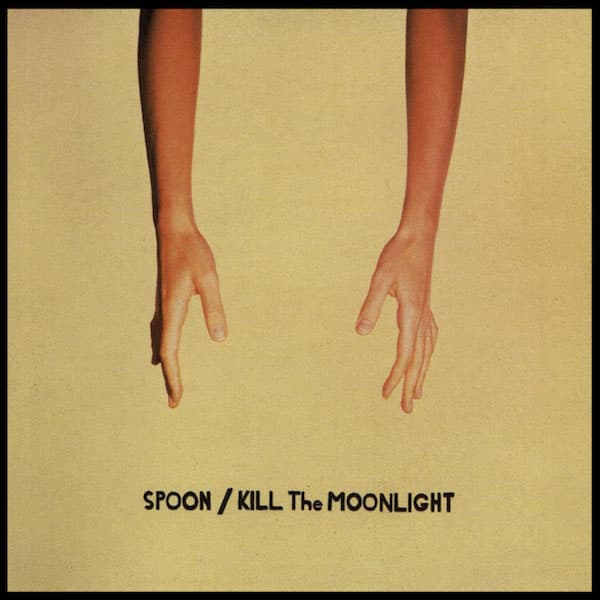
Kill the Moonlight
Spoon leave most of the space empty, so a tambourine or a single piano note does the work a guitar solo usually would.
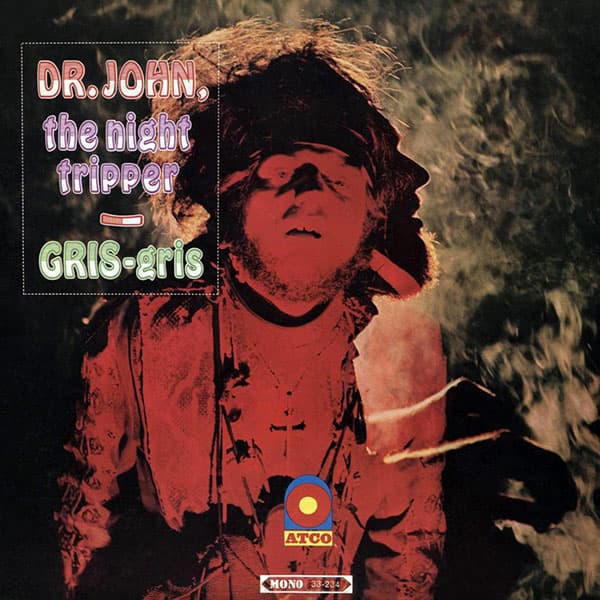
GRIS-Gris
Recorded in studio time left over from a Sonny and Cher session, in secret, using whatever instruments the previous band had left behind.

How to Dismantle an Atomic Bomb
Bono wrote Sometimes You Can't Make It on Your Own about his father, and sang it at his funeral before the record was finished.
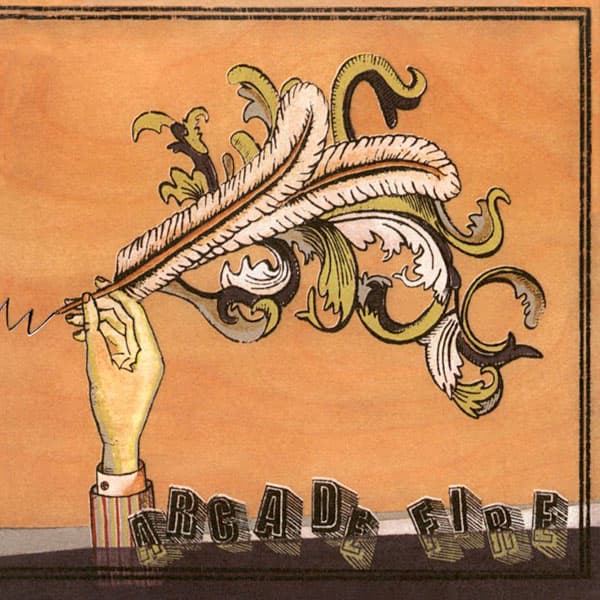
Funeral
Three of the band lost close relatives while they were making it, which is where the title came from. Everything is played as though shouted.
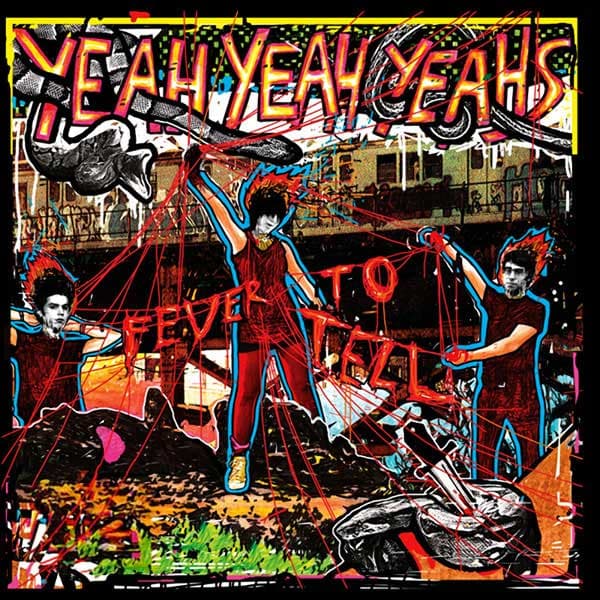
Fever to Tell
There is no bass player, just Nick Zinner's guitar and Brian Chase's drums under Karen O's yelping. Maps was written about missing someone.

Extraordinary Machine
An earlier version leaked online and fans mailed apples to her label demanding its release. She rerecorded almost all of it anyway.