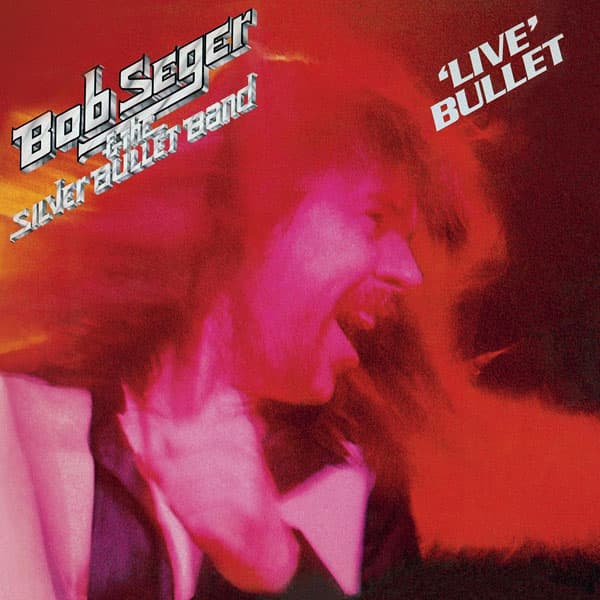
Live Bullet
1976
Seger had been playing for ten years with no national hit when this was taped over two nights at Cobo Hall in Detroit.
★ 2.9
 skopia
Seger had been playing for ten years with no national hit when this was taped over two nights at Cobo Hall in Detroit.

Garner could not read music, and the tape came from an amateur recorder someone happened to be running at the back of the hall.
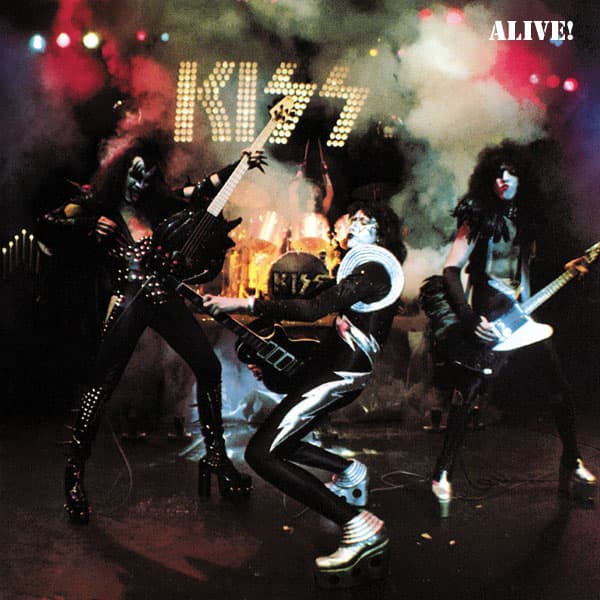
It is billed as a live album but a good deal of it was rebuilt in the studio afterward. It saved the record label from bankruptcy.
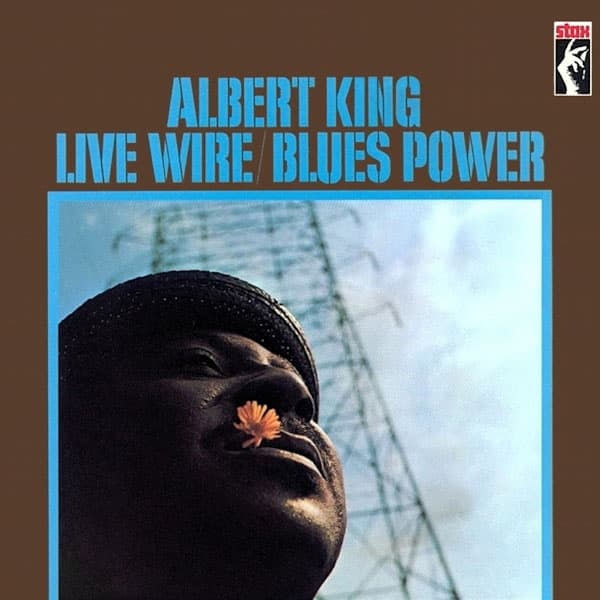
Recorded at the Fillmore in front of a rock crowd who had mostly never heard him, which is why he explains the blues between songs.
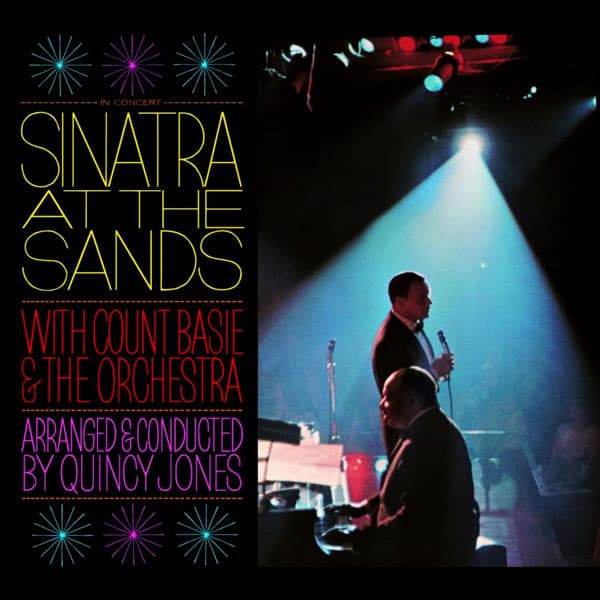
Count Basie's orchestra behind him, Quincy Jones's arrangements, and a long unscripted monologue in the middle that is half the reason people keep it.
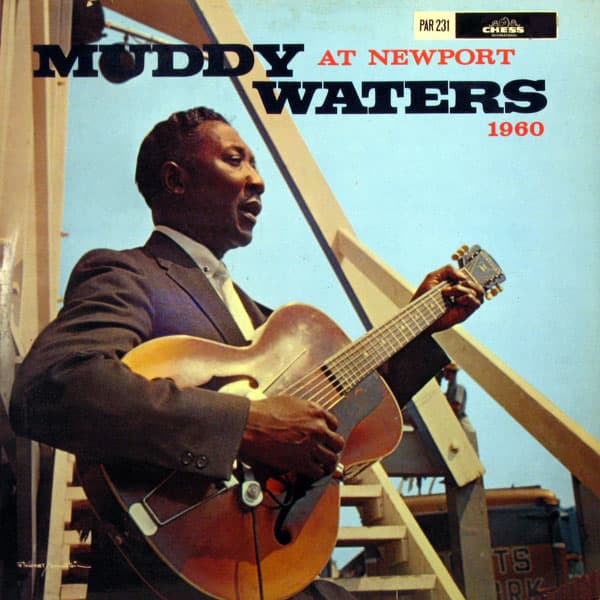
The 1960 festival ended in a riot, but Muddy's set got out on record and half of Britain's guitarists learned it.
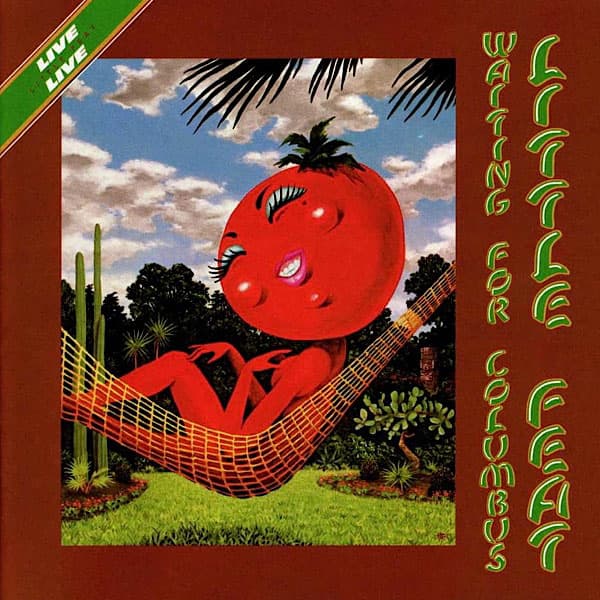
Tower of Power's horn section joined them for these shows, and a good deal of it was quietly fixed in the studio afterwards.
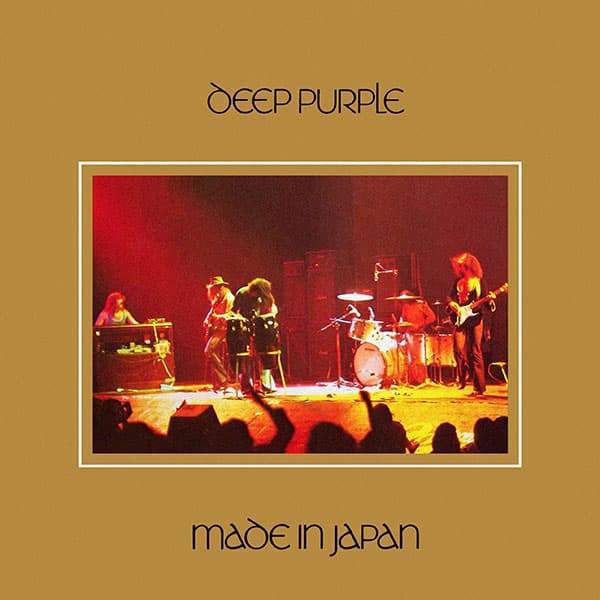
The band thought a live album was a waste of time and only agreed because it was for the Japanese market alone.

Recorded on the 1969 American tour, weeks before Altamont. Charlie Watts posed for the cover with a donkey carrying the band's instruments.
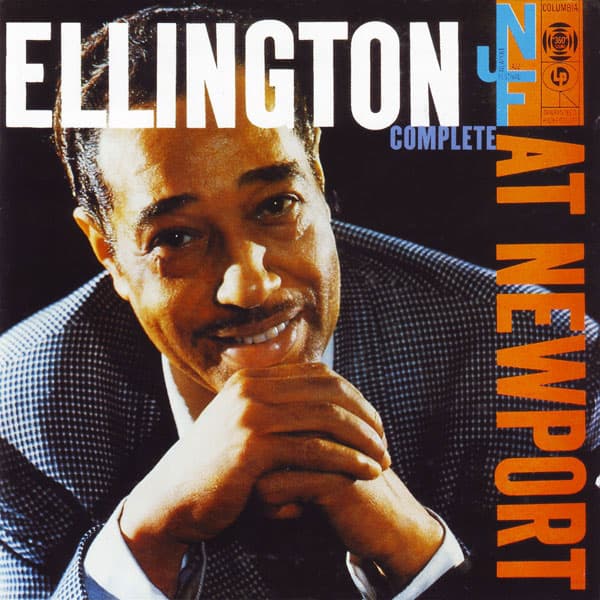
The tenor player Paul Gonsalves took twenty-seven choruses in a row and the crowd nearly rioted. Much of the record was quietly redone afterward.

The crowd answers every line he sings, and King plays around them rather than over them. He never plays and sings at the same time.
Martin Scorsese shot it with seven cameras and a written shot list keyed to the lyrics. Neil Diamond and Muddy Waters both turn up.
They burned the tapes of every other show on the tour and kept this one, packaged deliberately to look like a bootleg.

Scott LaFaro plays the bass as a third melodic voice rather than keeping time. He was killed in a car crash ten days later.

Cobain asked for lilies and candles on the set, refused to play the hits, and was dead five months later.

King Records refused to pay for a live album with no new songs on it, so Brown funded the recording himself. It reached number two.