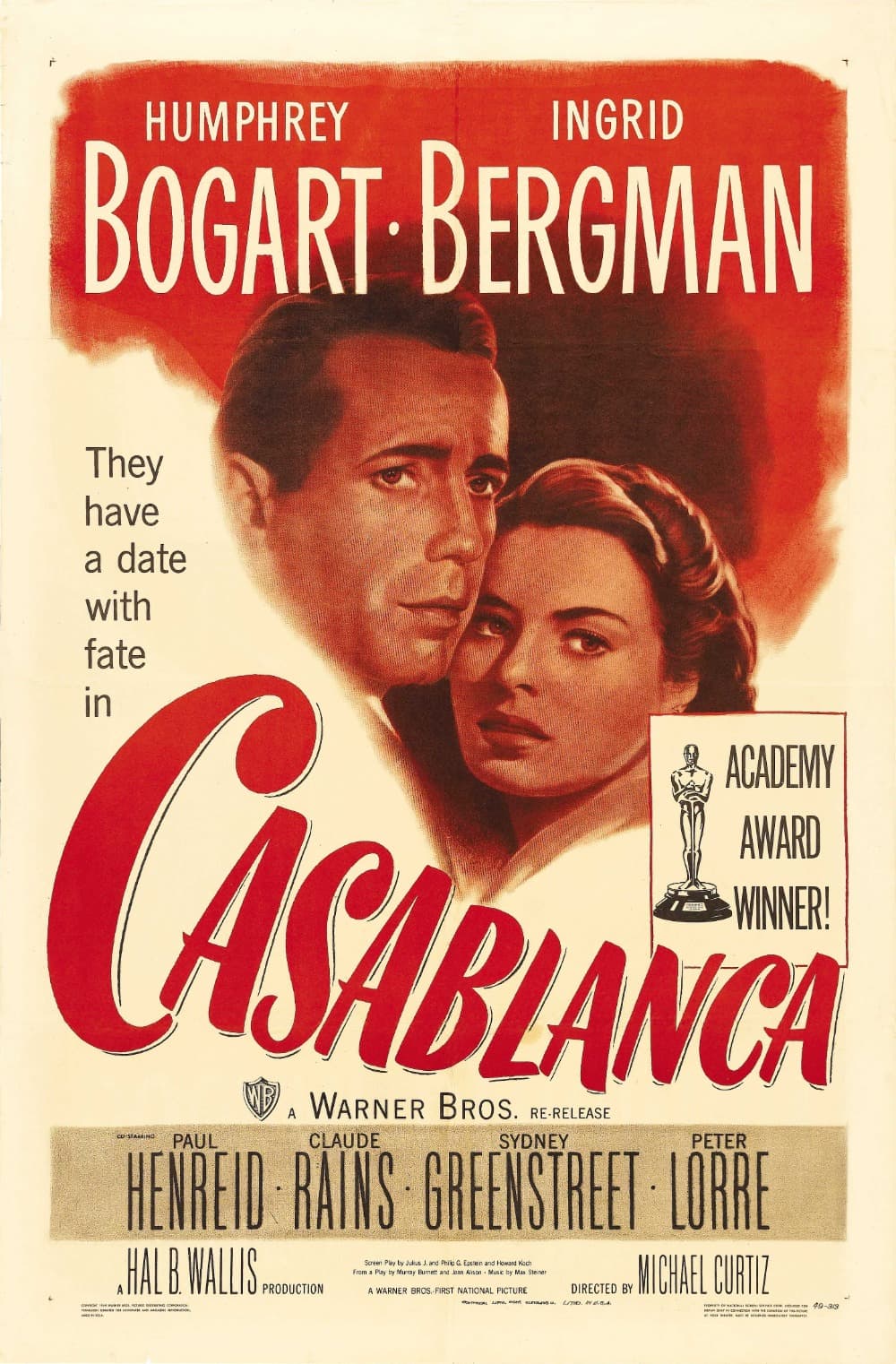
Casablanca
Directed by Michael Curtiz
1942
Proof that a studio picture thrown together in a hurry can outlive everything around it: eighty years on, the lines are still in the language and the romance still lands.
★ 9.7
 skopia
Proof that a studio picture thrown together in a hurry can outlive everything around it: eighty years on, the lines are still in the language and the romance still lands.
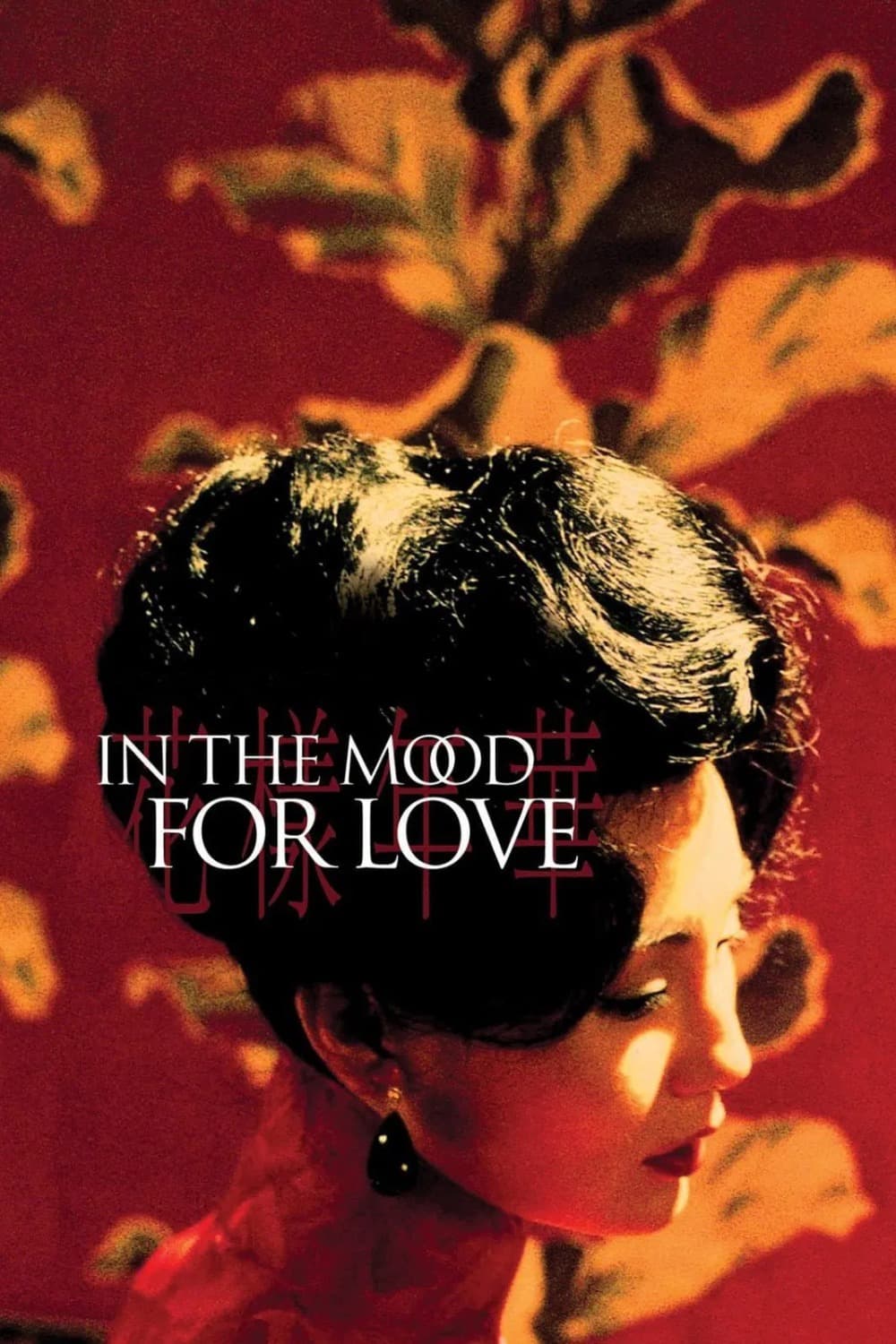
Longing has never been filmed better than this: Wong Kar-wai gets more out of a stairwell and one repeated waltz than most directors manage with an entire script.

No romance this century has come close: Kaufman's premise, that you could pay to have someone erased, turns out to be the most honest thing anyone has said about breakups.

It won the only Academy Award ever given for Unique and Artistic Picture: Murnau's camera never stops moving, and the film is astonishing to look at a century on.

Sciamma made a love story with almost no men in it and built the entire thing out of glances, firelight and the things two people decline to say.
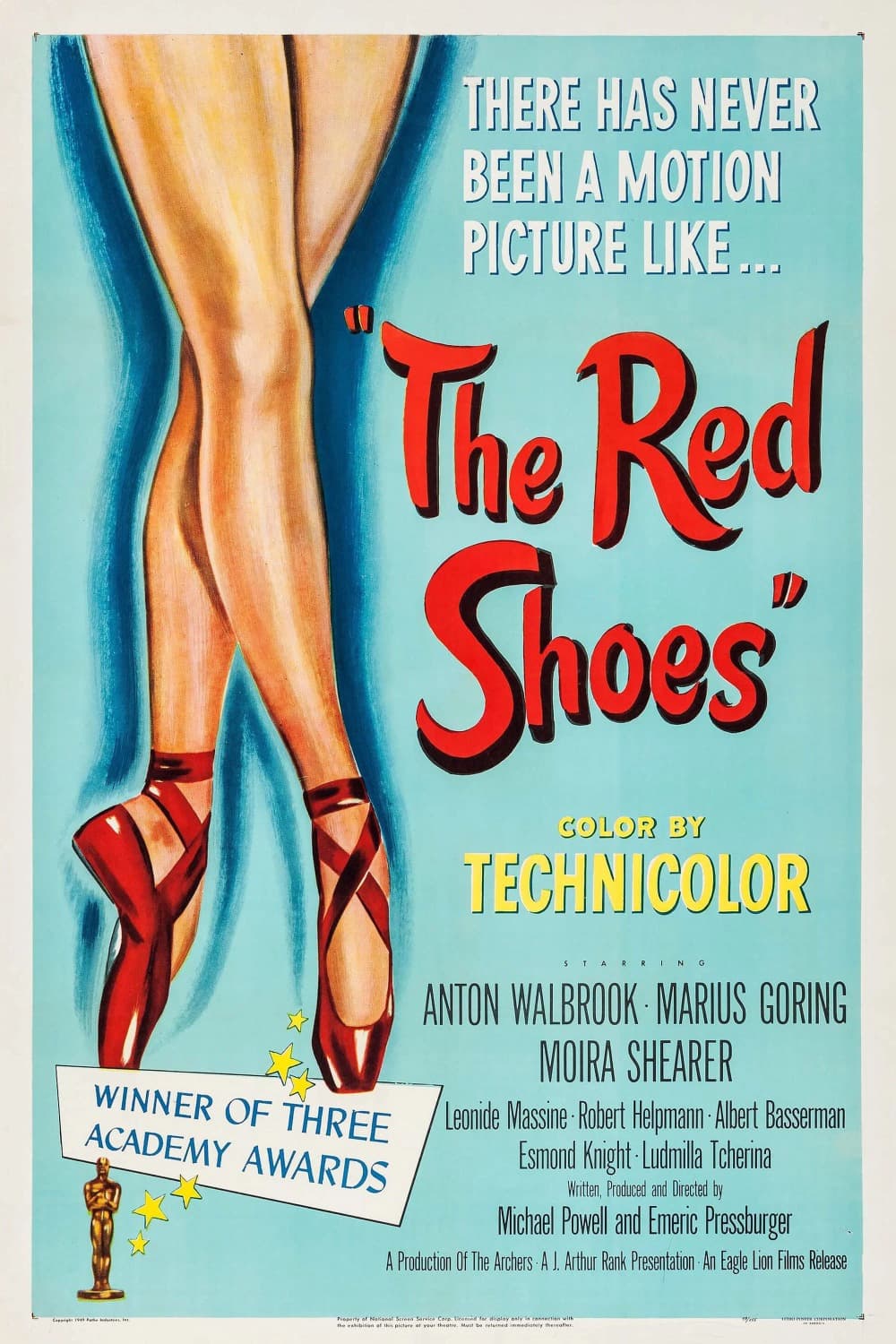
Scorsese has been watching it since childhood and has never stopped: Powell and Pressburger put a ballet on screen in Technicolor so saturated that it plays like a fever.
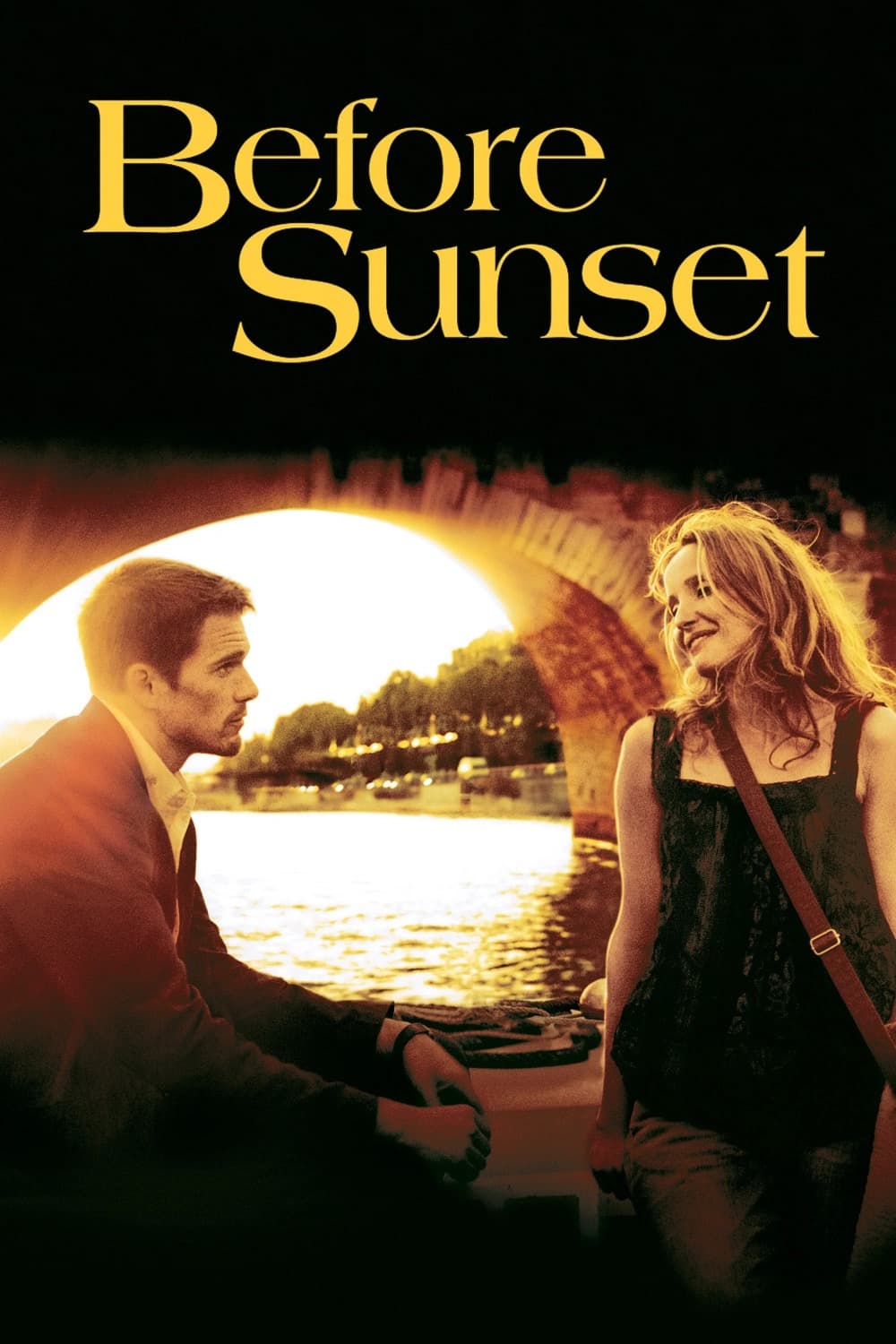
Very little else works the way this does: eighty minutes of two people walking around Paris talking, in close to real time, and it is over far too soon.
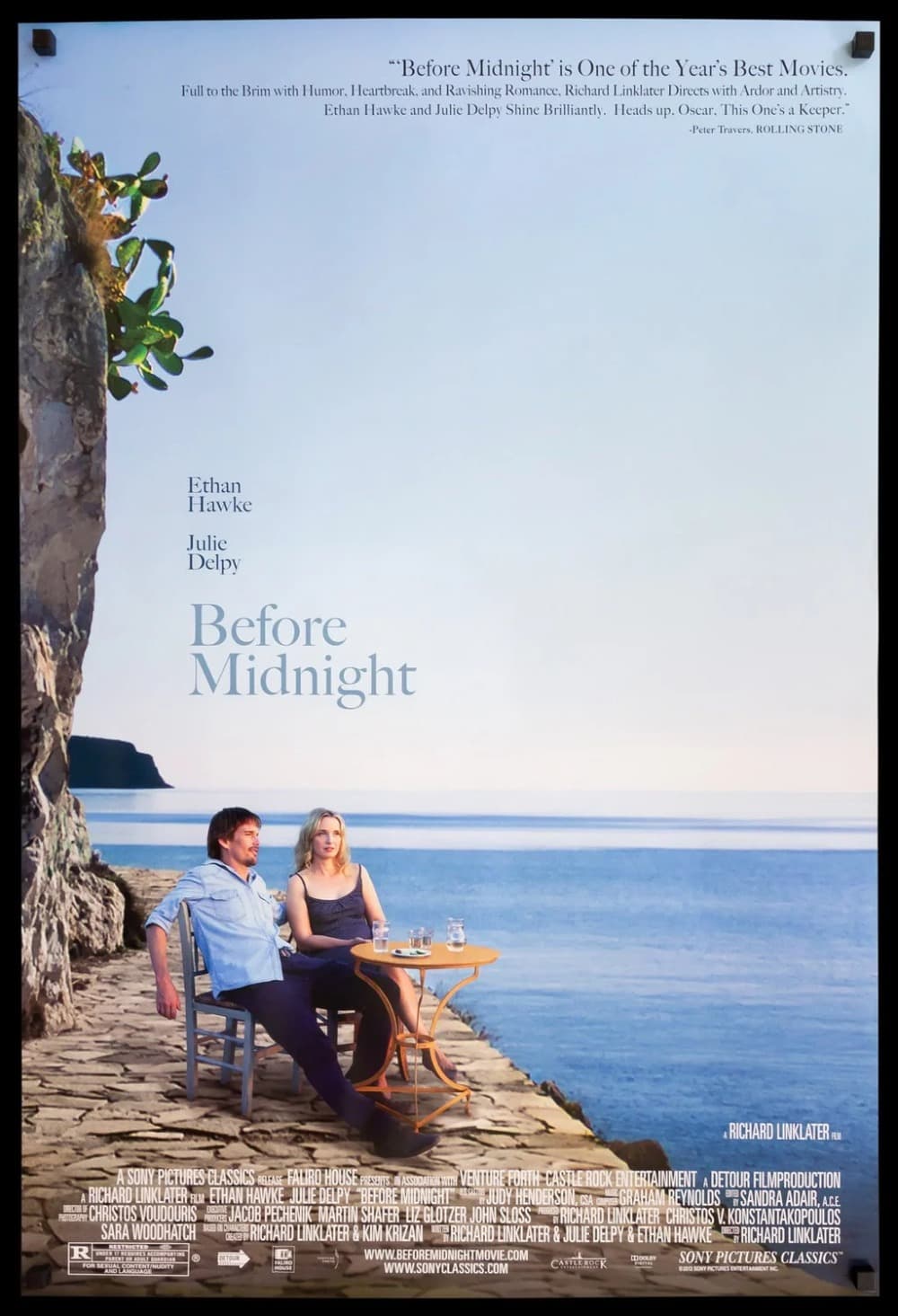
The third film is the one that hurts: Linklater and his two actors let nine more years pass, then take it somewhere the first two politely refused to go.
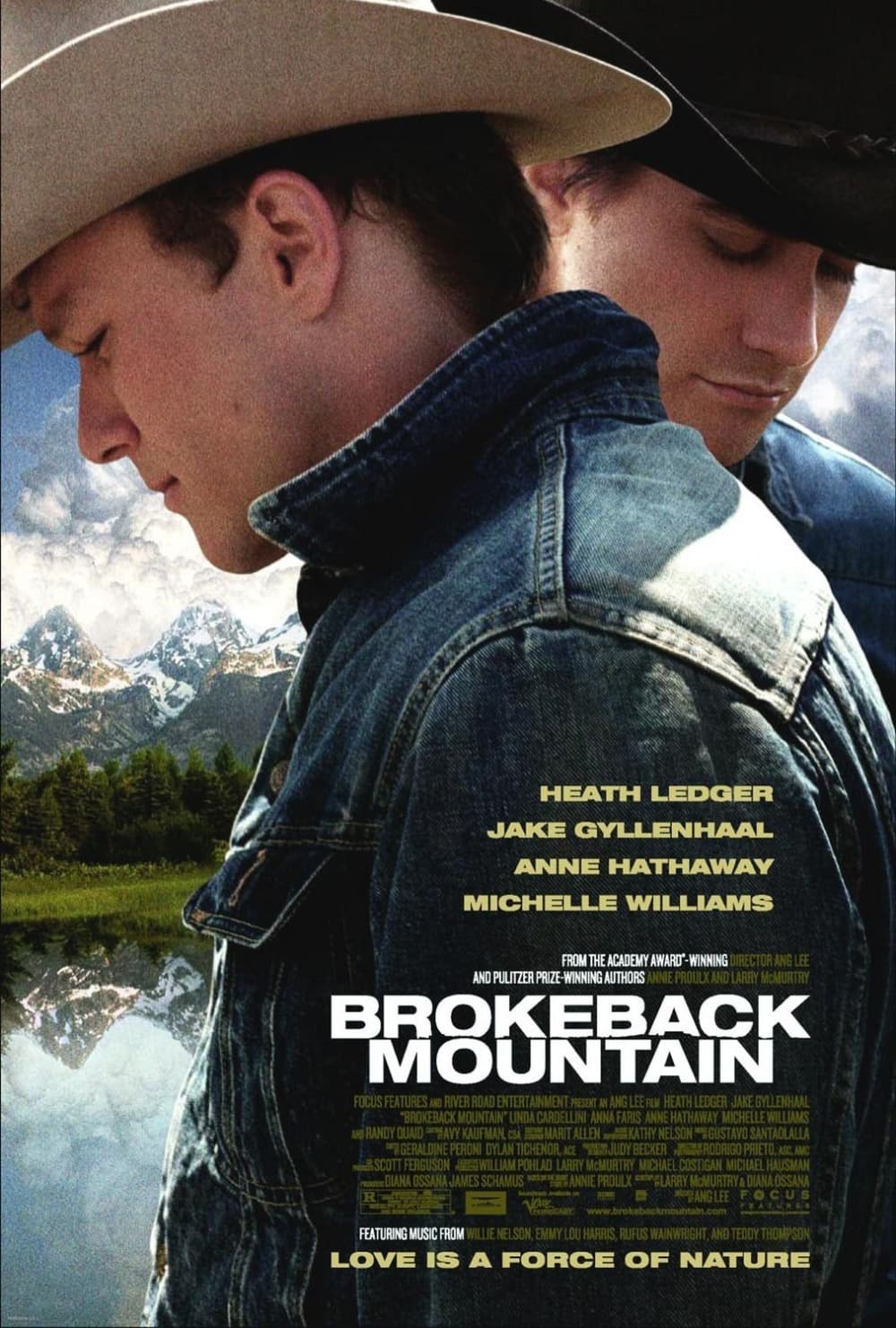
It changed what a mainstream American film could be about: Lee filmed twenty years of two men unable to say what they are, almost entirely in silence.
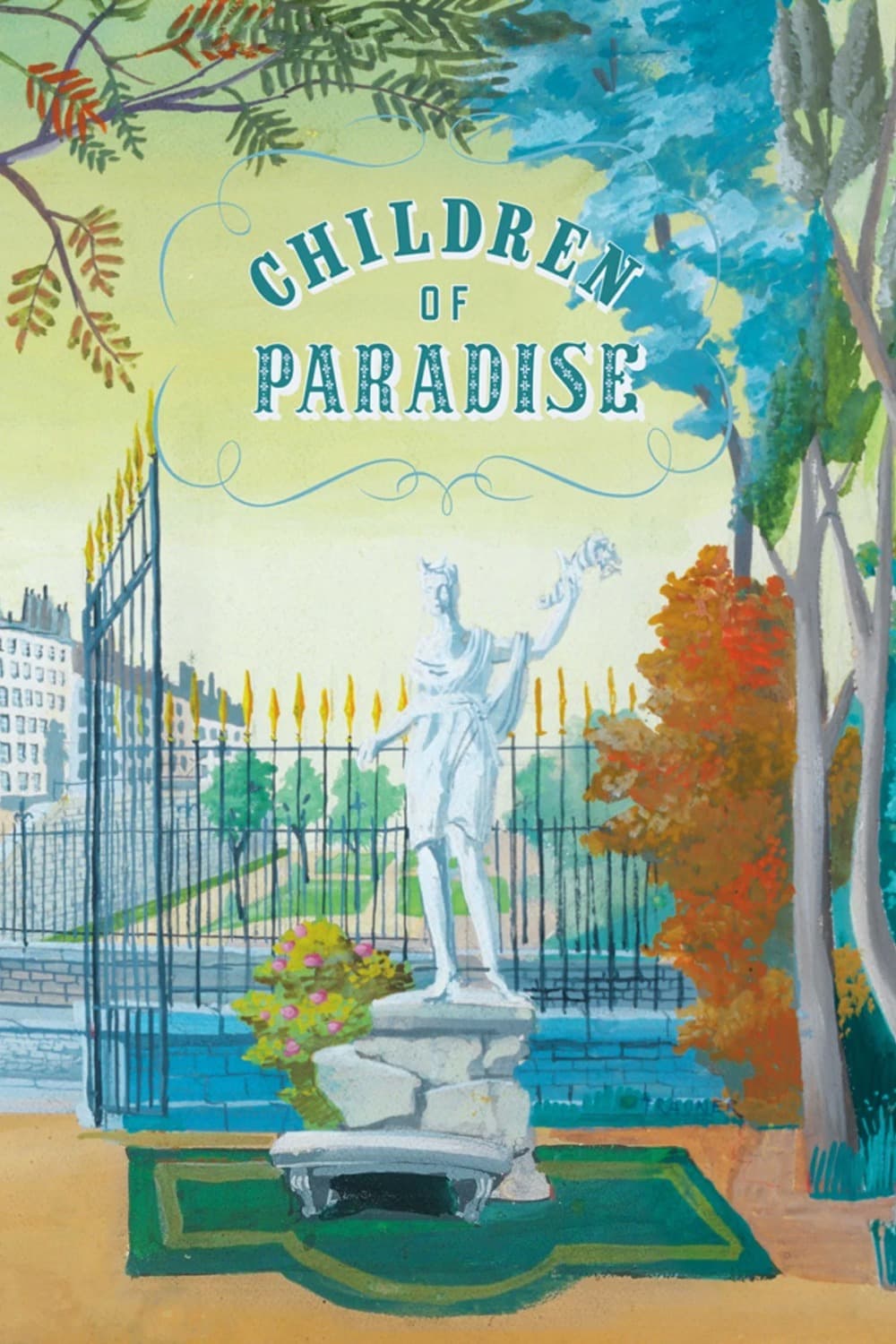
France's greatest film, and its Jewish designer and composer worked in hiding under German occupation: three hours of theater, mime and love among people who cannot afford it.
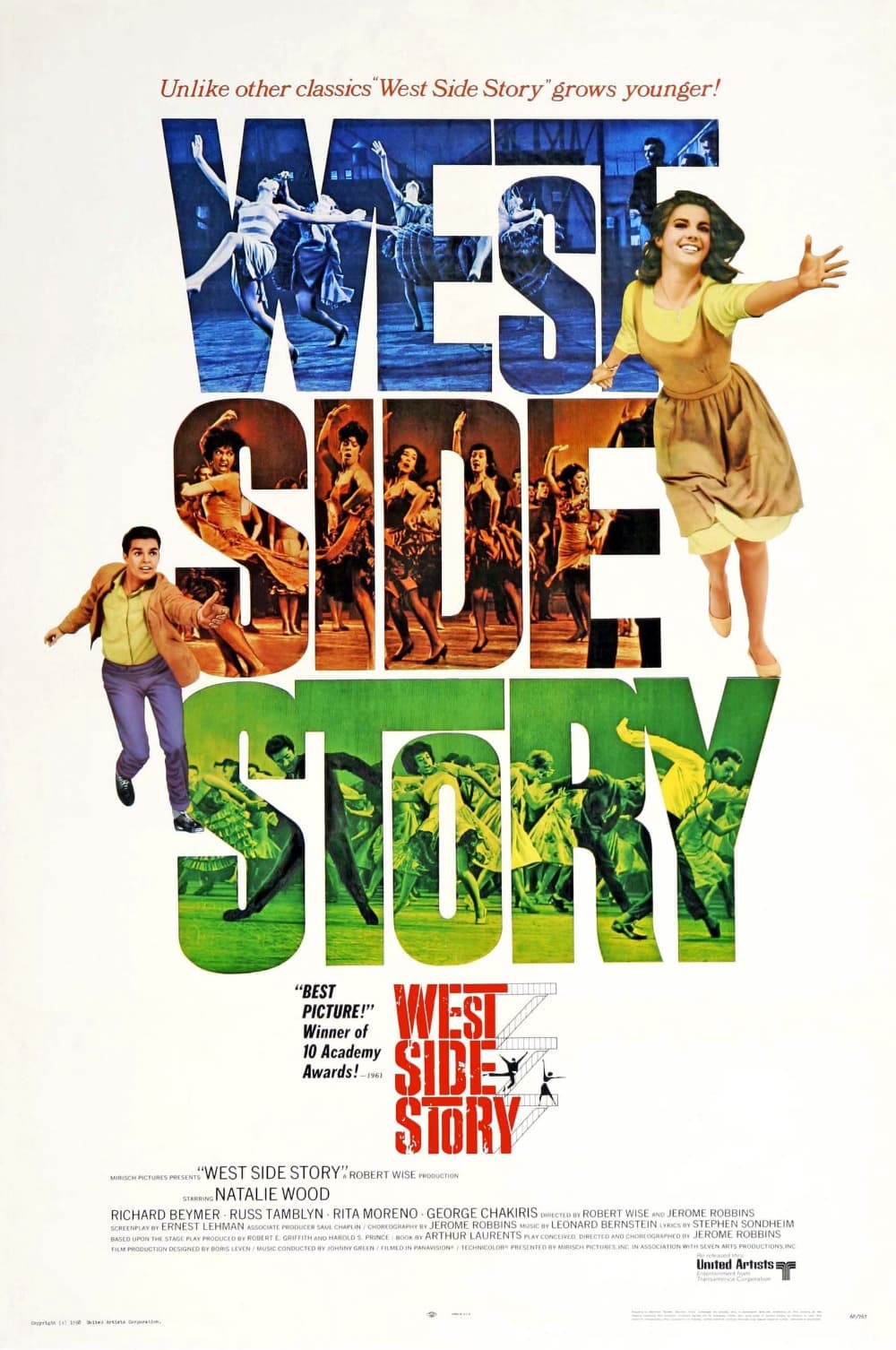
Romeo and Juliet moved to two New York gangs, and the dancing spills out of the theater into real streets: nothing on film snaps like Robbins's choreography.
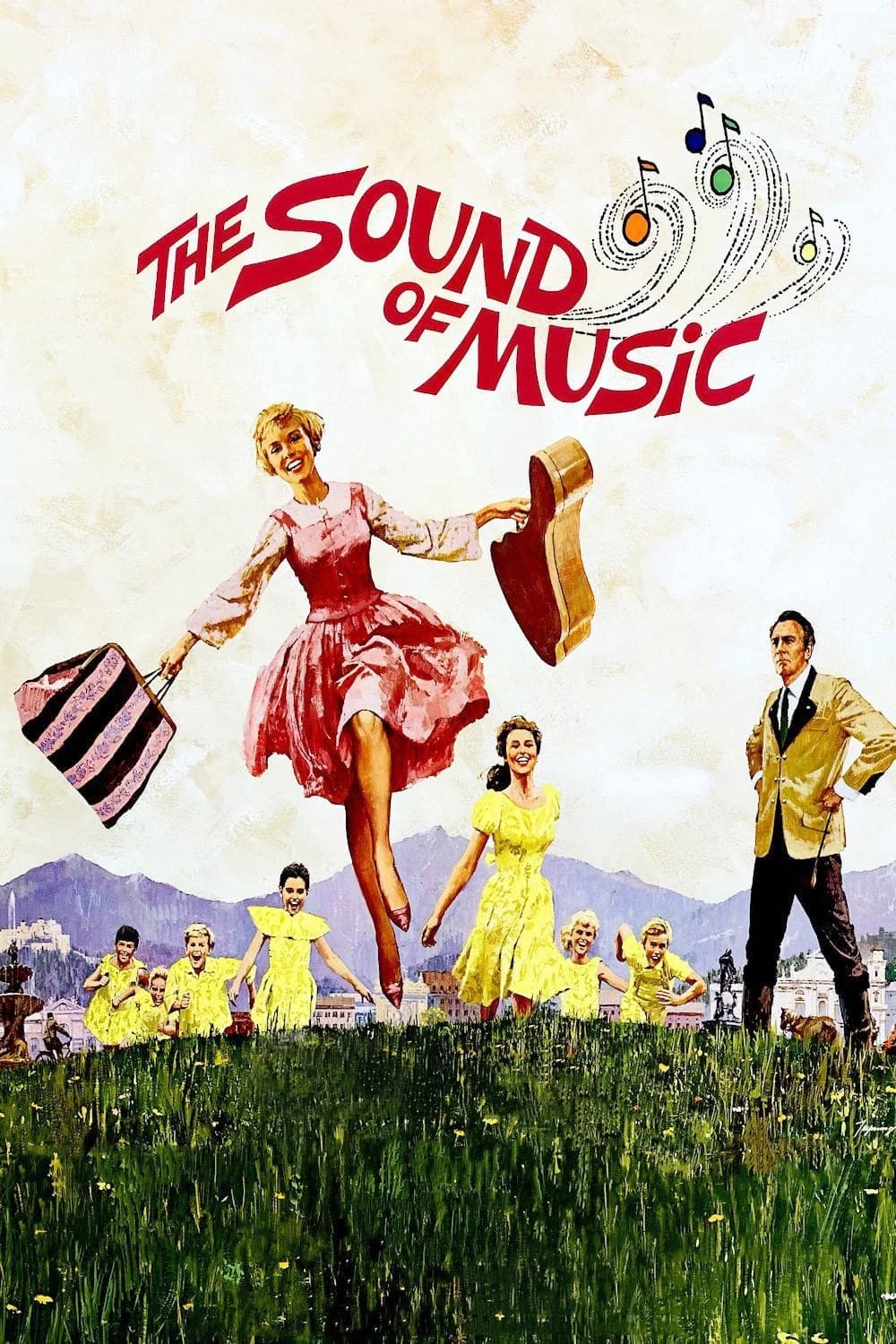
It saved a studio from bankruptcy and has never left the culture since: Salzburg in the mountains, a nun who cannot behave, and songs everyone somehow already knows.
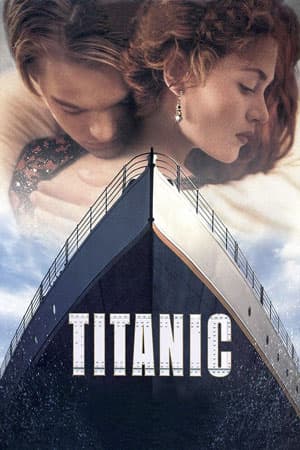
For twelve years no film made more money anywhere on earth: Cameron built the ship, sank it more or less in real time, and made a generation cry in public.
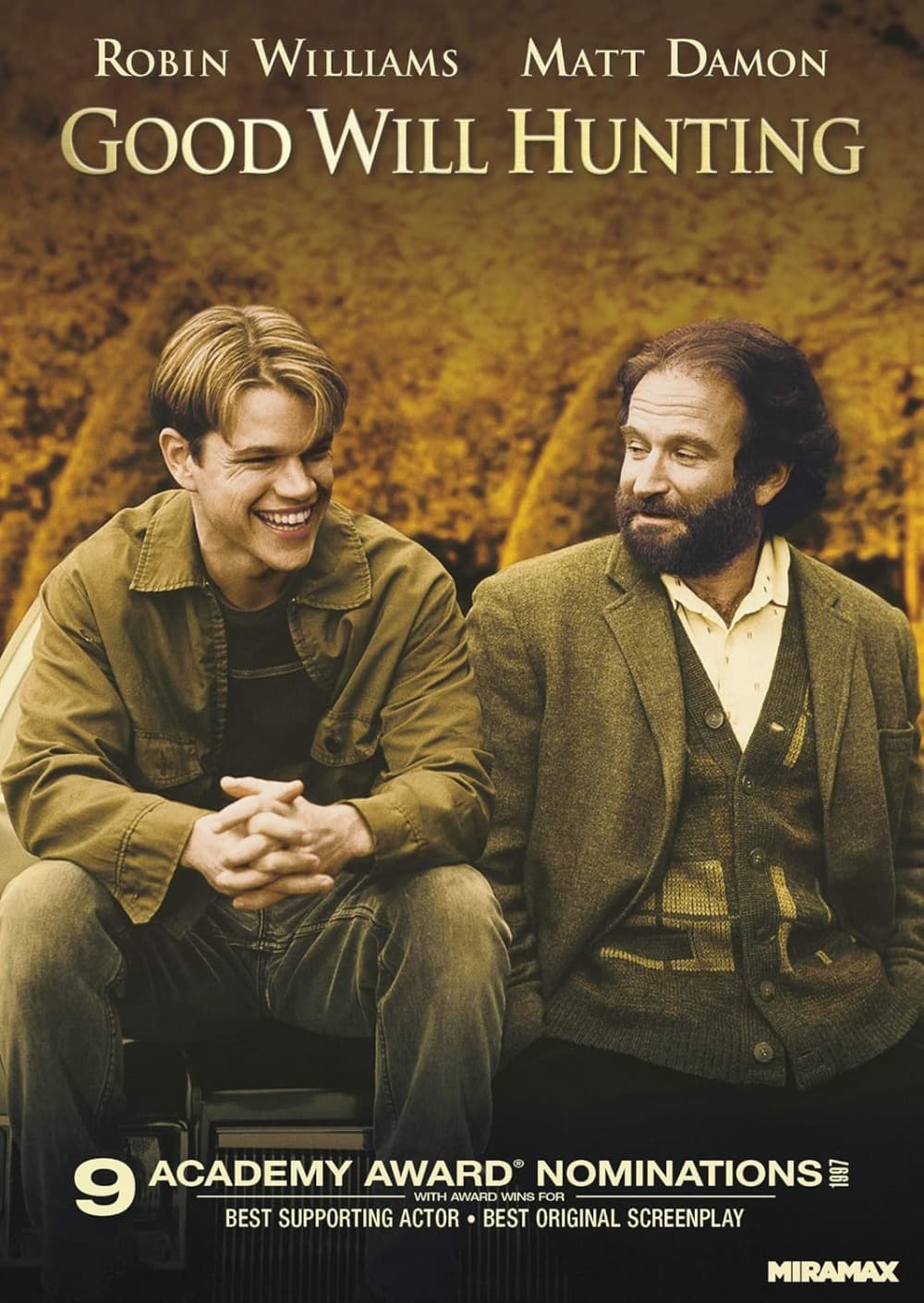
Two unknown actors in their twenties wrote it for themselves and it worked: a janitor at MIT can solve anything except himself, and Robin Williams sits opposite him.

Churchill tried to stop it in production and then to bar it from export, convinced it made the British Army look ridiculous: Powell and Pressburger made it anyway.
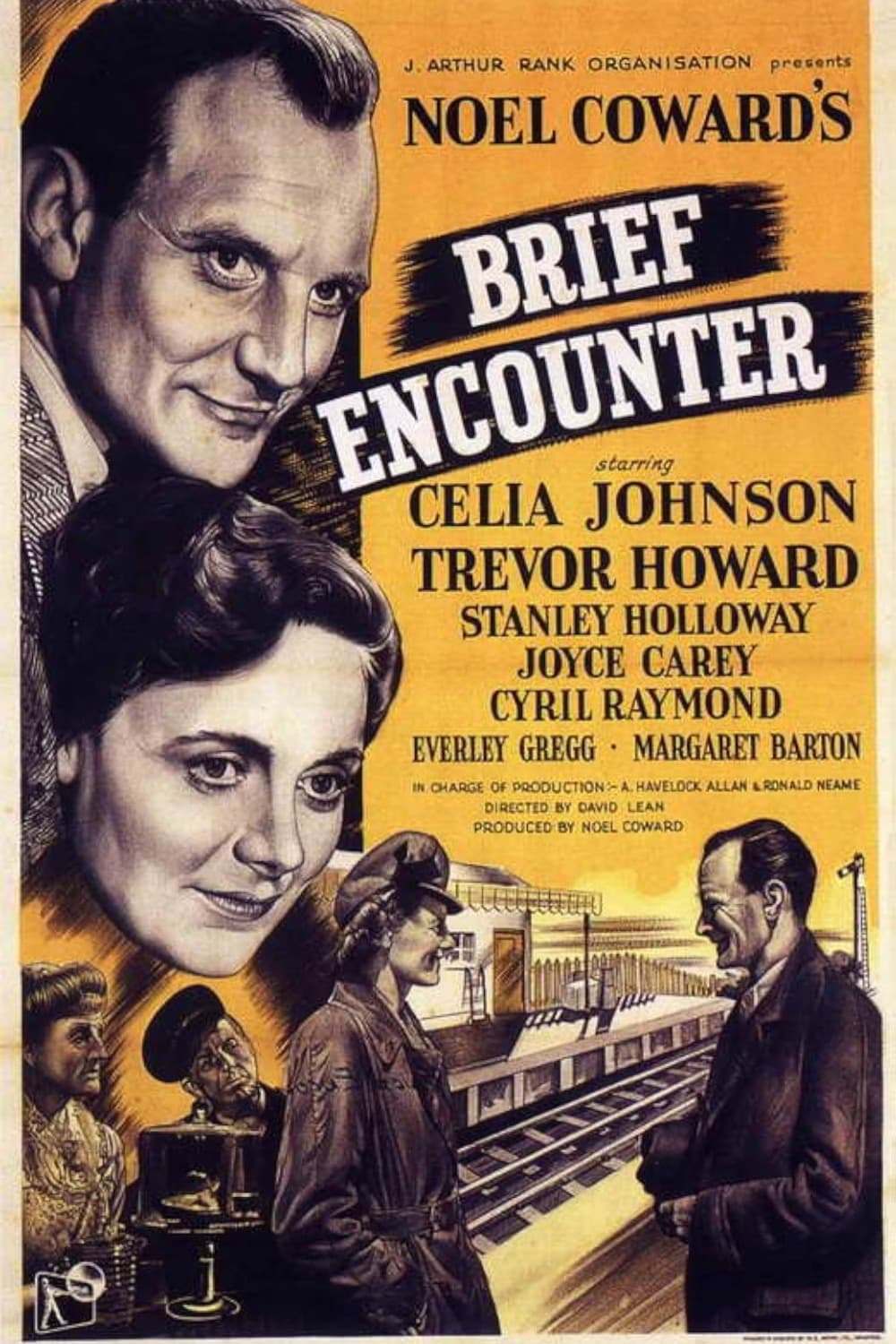
Two married people meet by chance in a railway station and keep meeting, and what they hold back is what destroys audiences: Lean does it in glances and Rachmaninov.
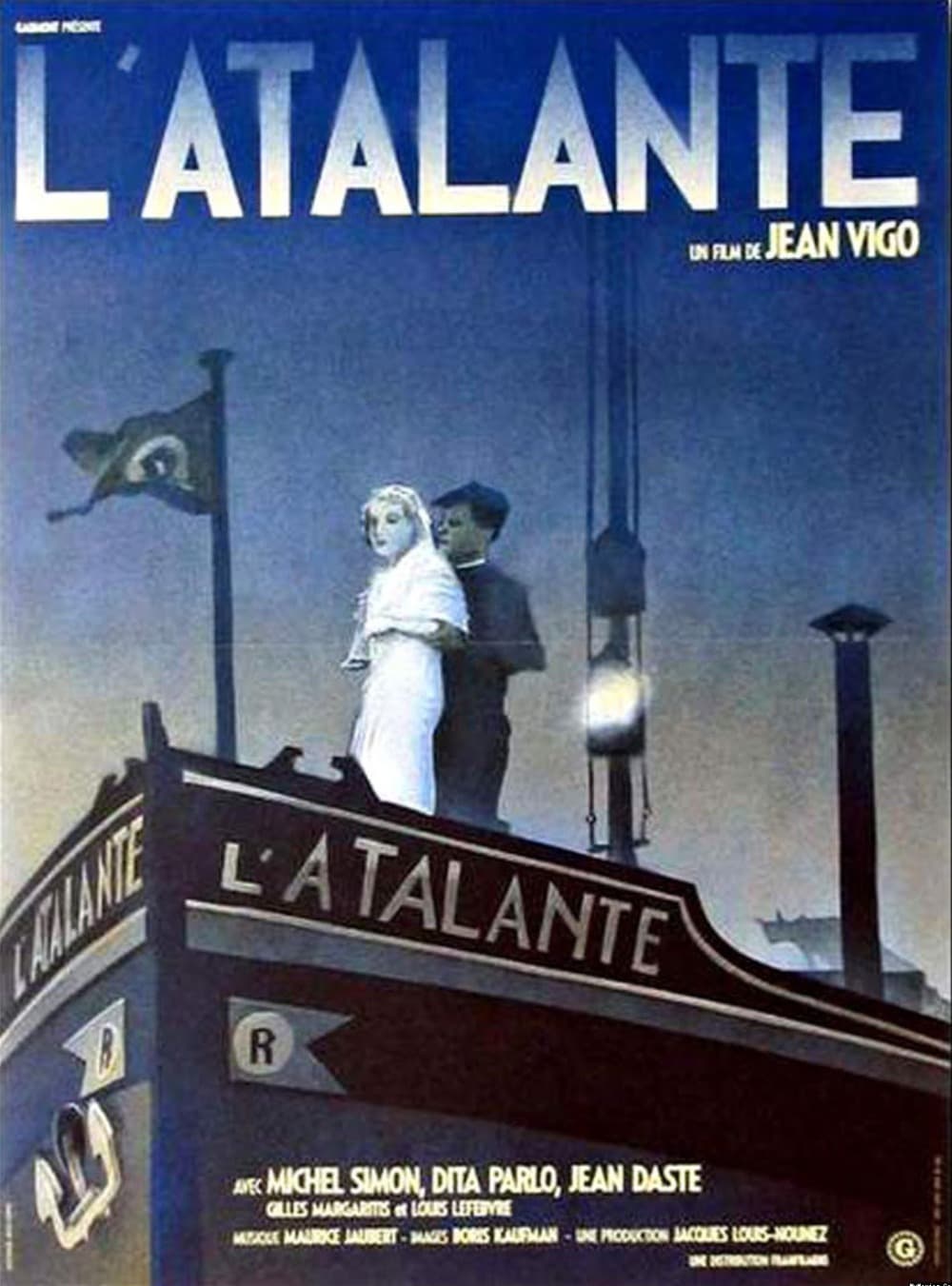
Vigo was dying at twenty-nine when he finished it and the studio hacked it apart anyway: restored, it is the most sensual thing ever filmed about being newly married on a working barge.
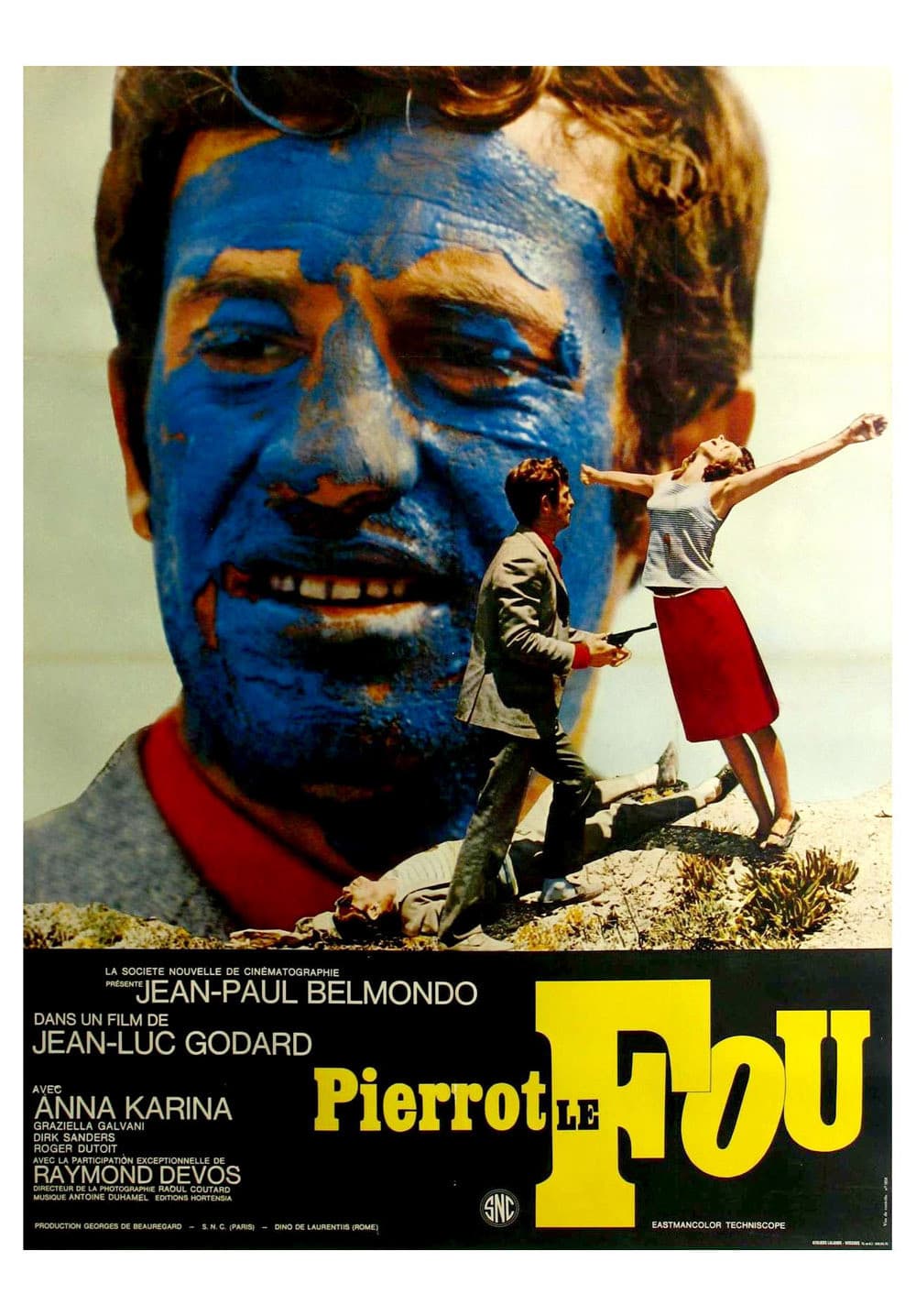
Godard at his most beautiful and least patient: Belmondo walks out of a party and drives south with Anna Karina, and the film keeps dissolving into color, quotation and pure play.
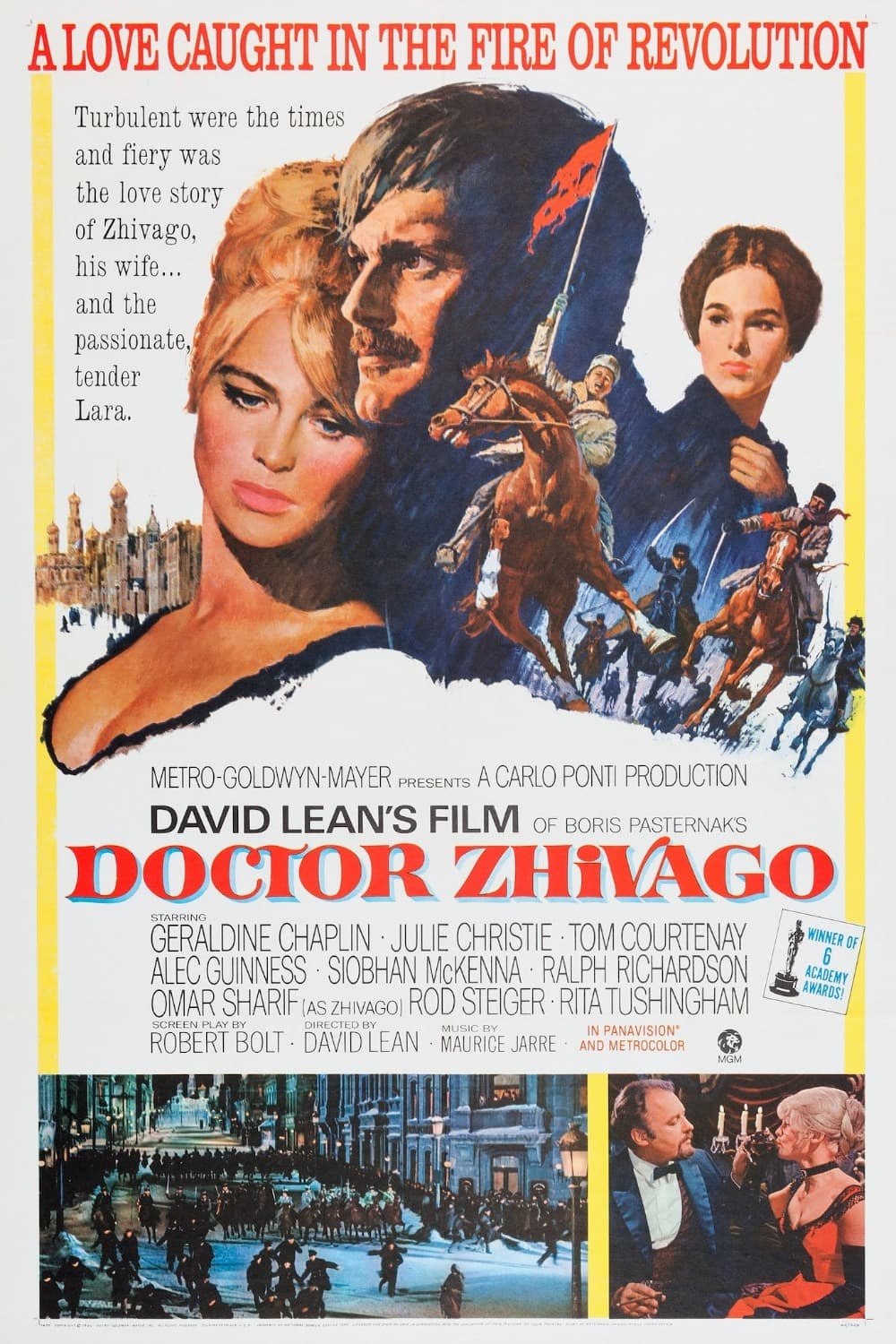
Critics savaged it on release and audiences ignored them completely: Lean shot the Russian winter in Spain, and Maurice Jarre's balalaika theme was inescapable for a decade afterward.
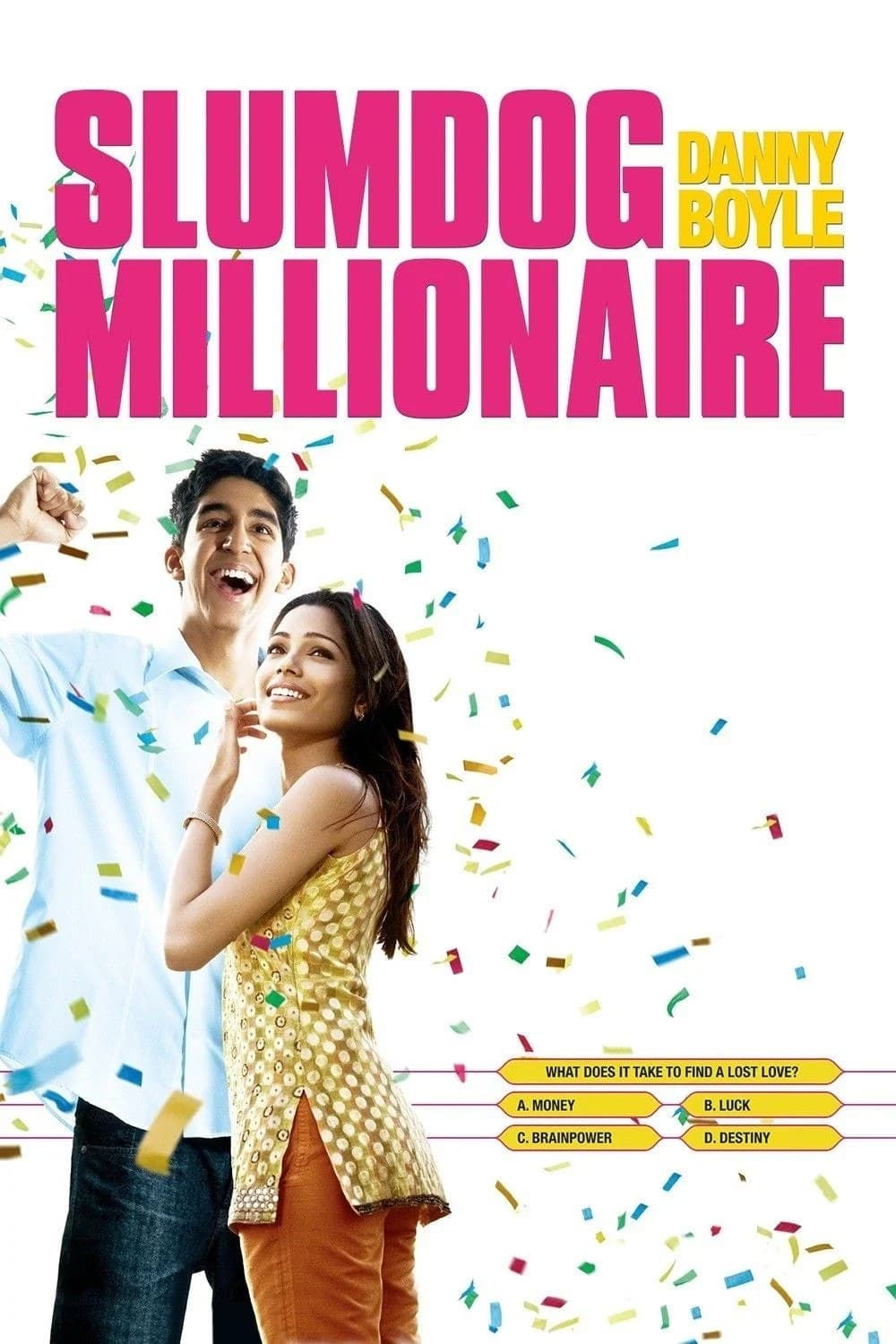
Boyle shot Mumbai on small digital cameras in real streets and Rahman's score carried it around the world: a contestant from the slums is detained for cheating, and each question opens a memory.