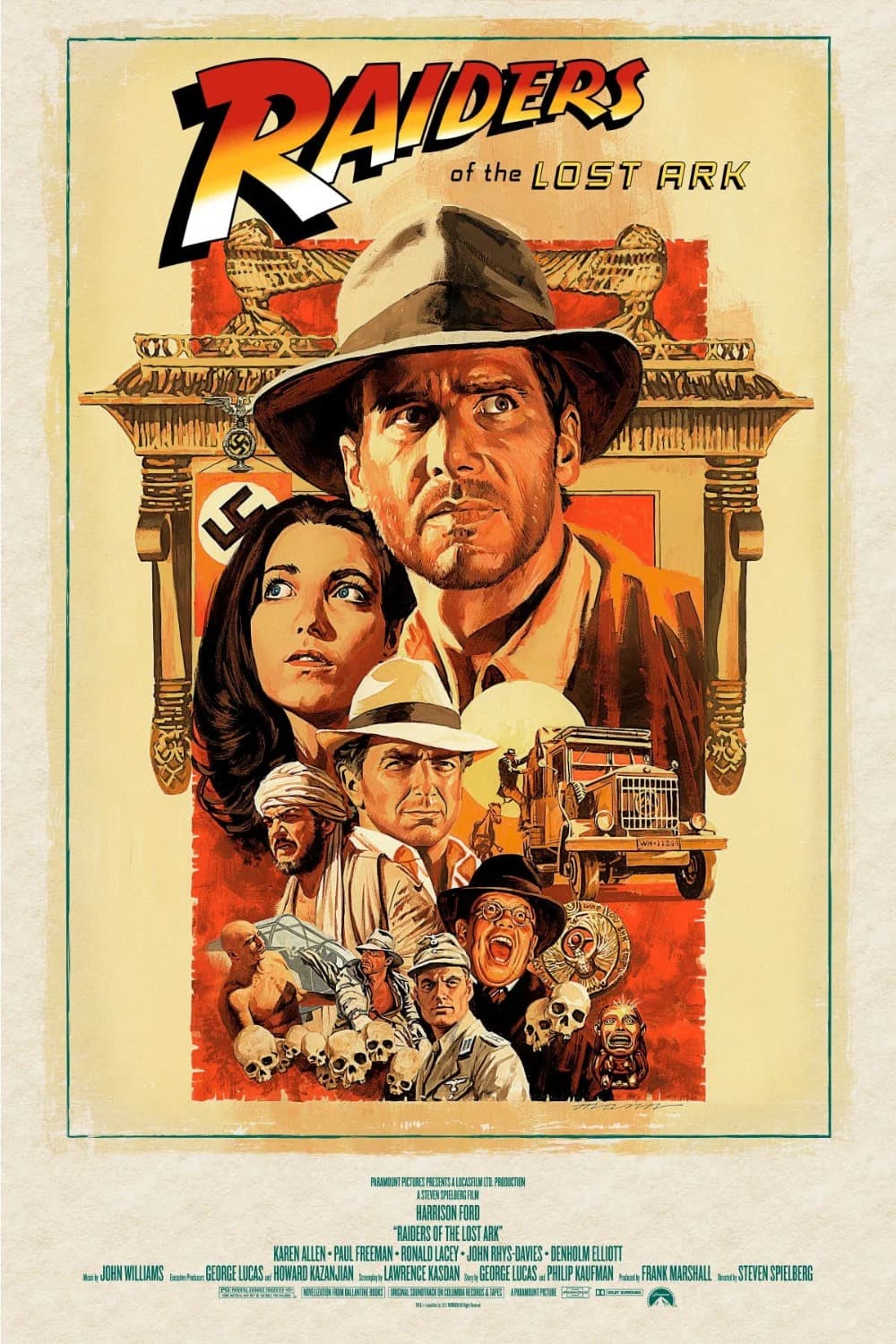
Raiders of the Lost Ark
Directed by Steven Spielberg
1981
Every adventure film since is measured against it: Spielberg and Lucas built a machine of chases and near misses so efficient that forty years of imitation have not worn it out.
★ 9.5
 skopia
Every adventure film since is measured against it: Spielberg and Lucas built a machine of chases and near misses so efficient that forty years of imitation have not worn it out.
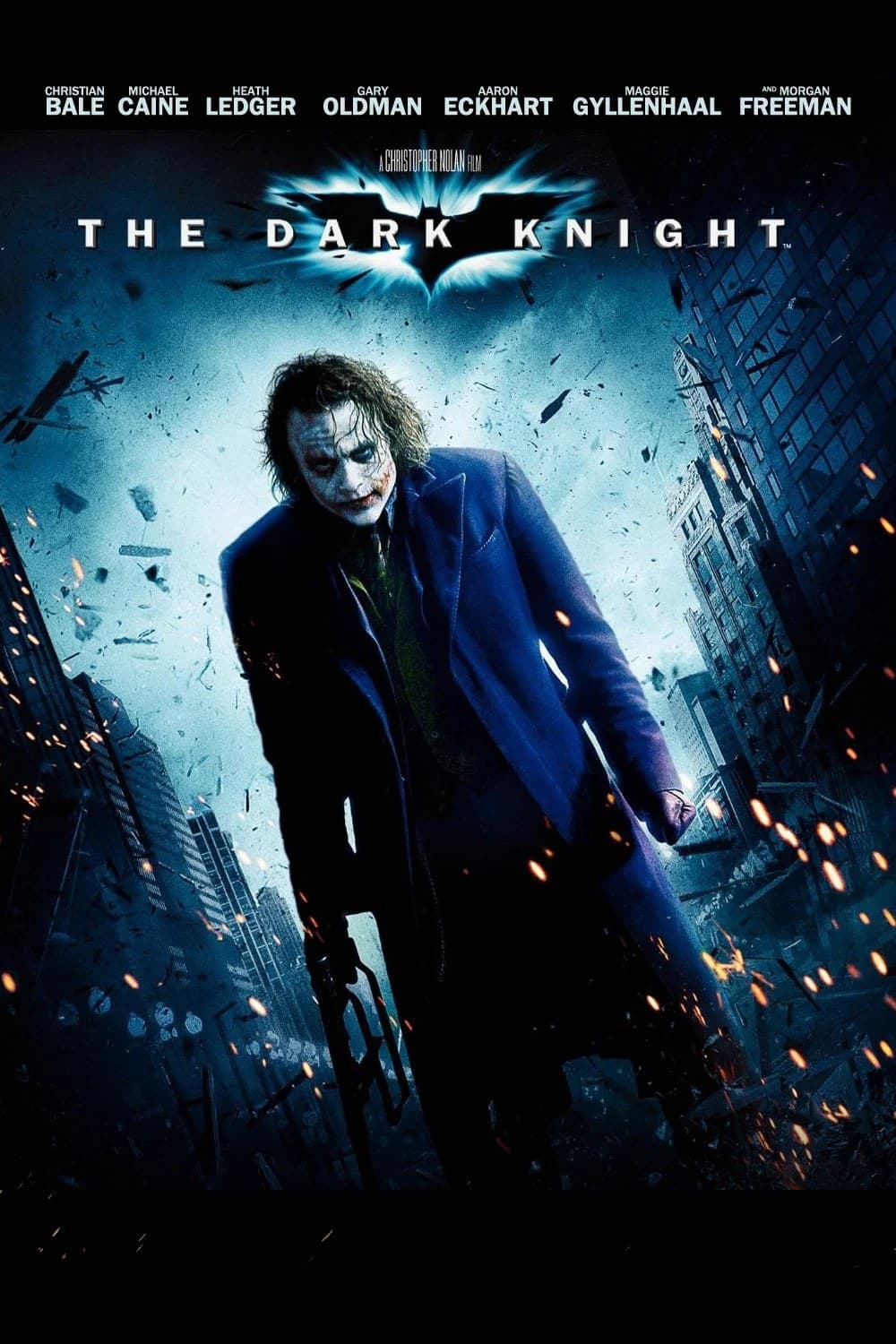
Adults started arguing about superhero films because of this one: Ledger's Joker is so unnerving that the Academy gave a posthumous Oscar to a man in clown makeup.
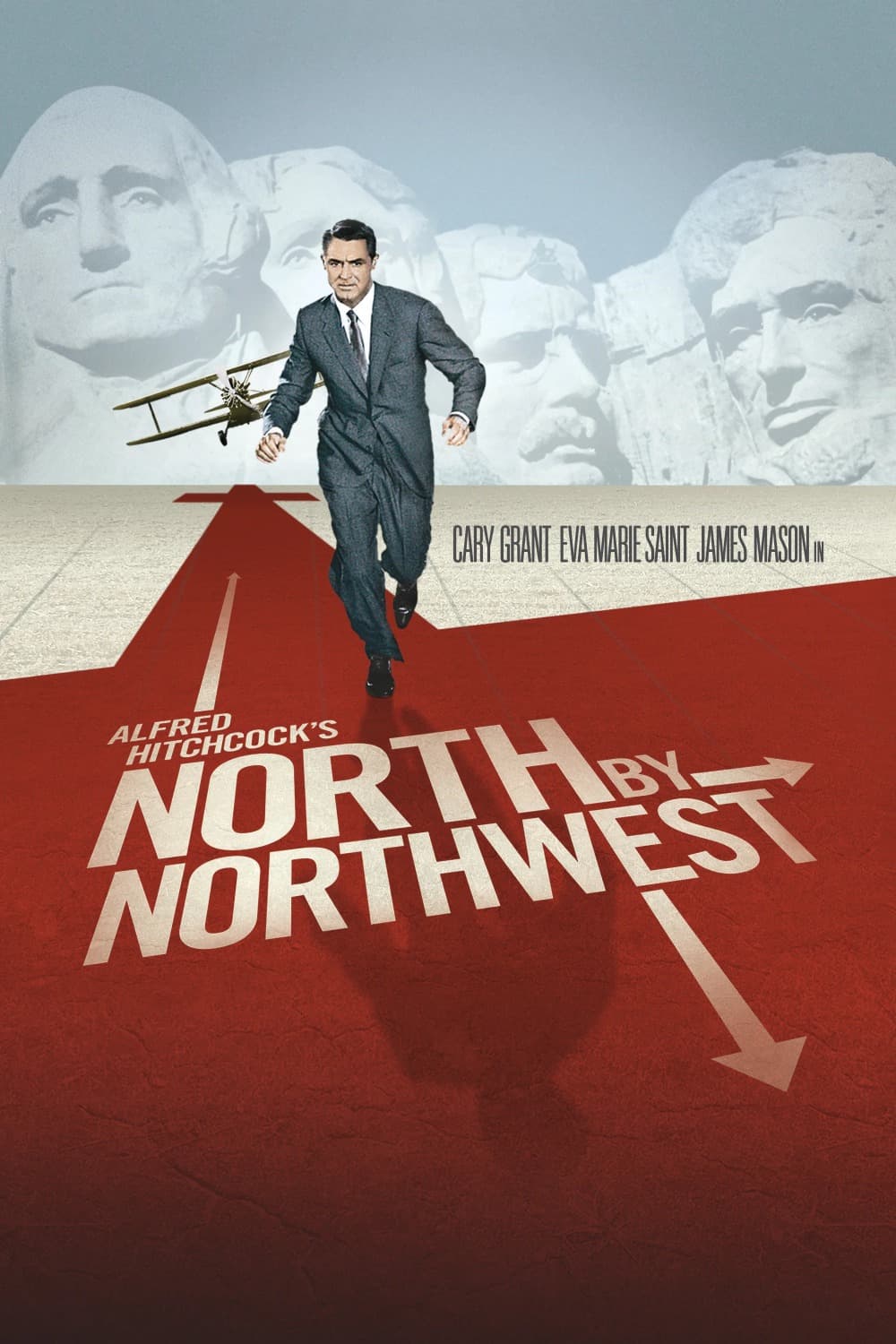
Every spy thriller since owes it something, James Bond most of all: Hitchcock chases an innocent man across America by crop duster and over Mount Rushmore, enjoying himself throughout.
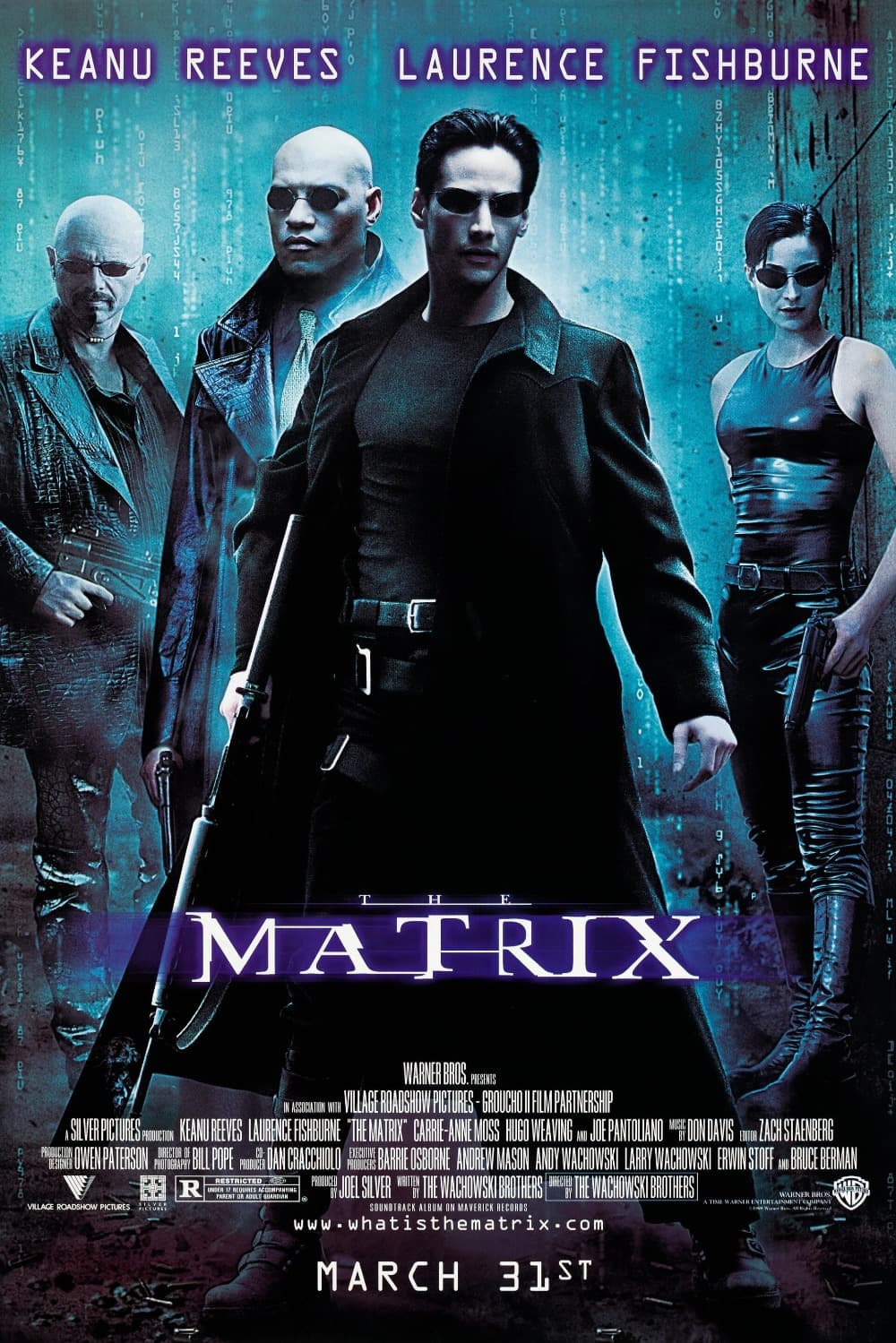
Action filmmaking divides neatly into before and after this one: the Wachowskis fused Hong Kong wire work with a philosophy seminar's premise and everyone spent five years copying it.
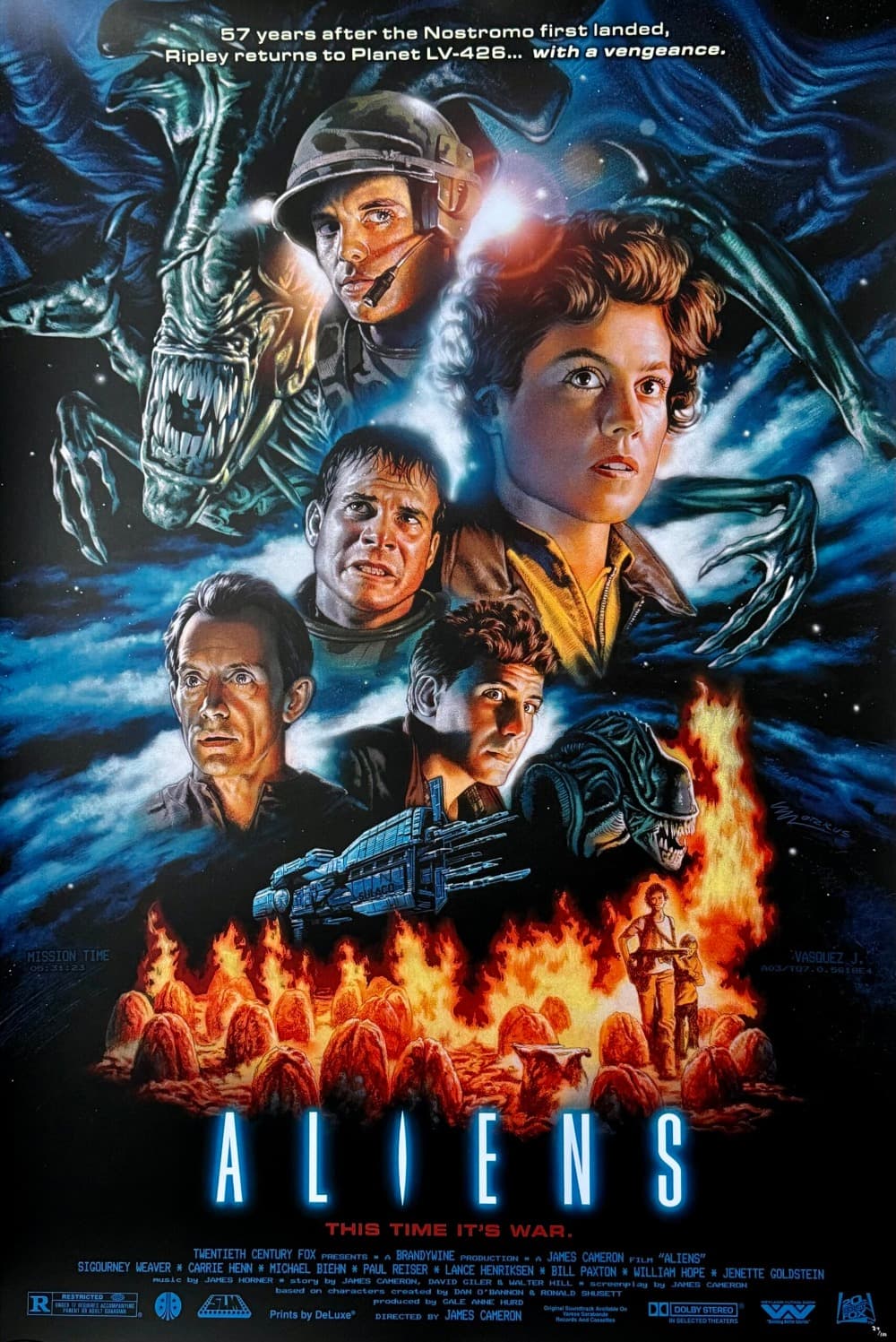
Almost no sequel changes genre and survives it: Cameron turned Scott's haunted house into a war picture, and an action performance drew a rare Academy Award nomination.
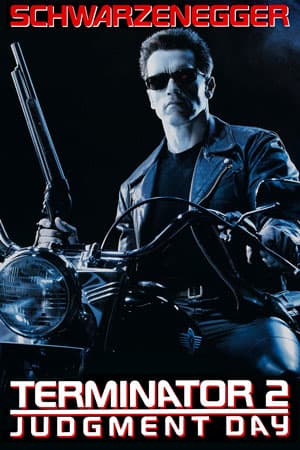
Computer effects became believable overnight: Cameron spent more money than anyone ever had, put a liquid metal killer on screen, and every studio in town immediately started writing checks.
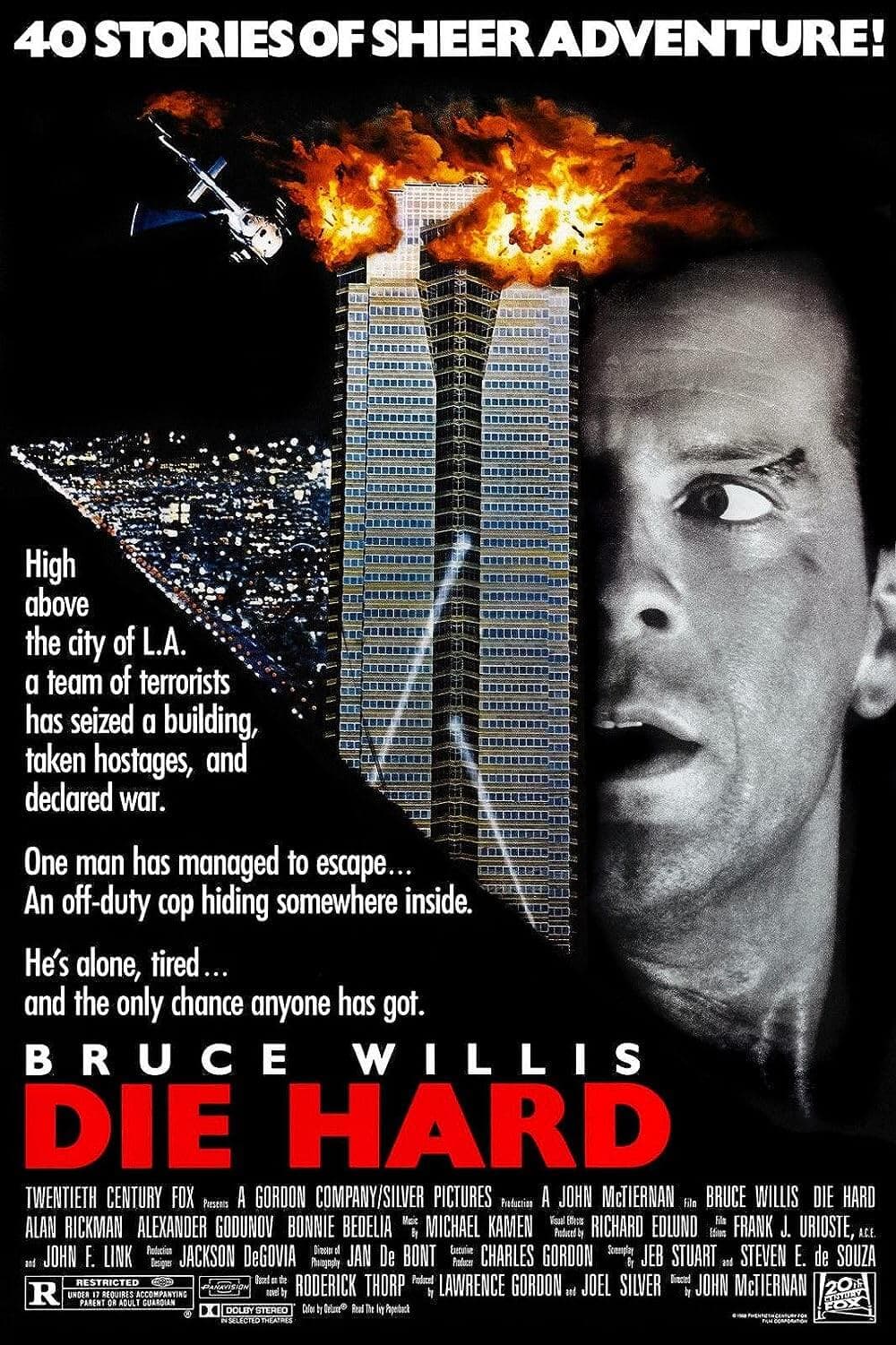
Hollywood spent the next decade pitching films as Die Hard on a boat, a bus, a plane: McTiernan built the action machine everyone has been copying since 1988.
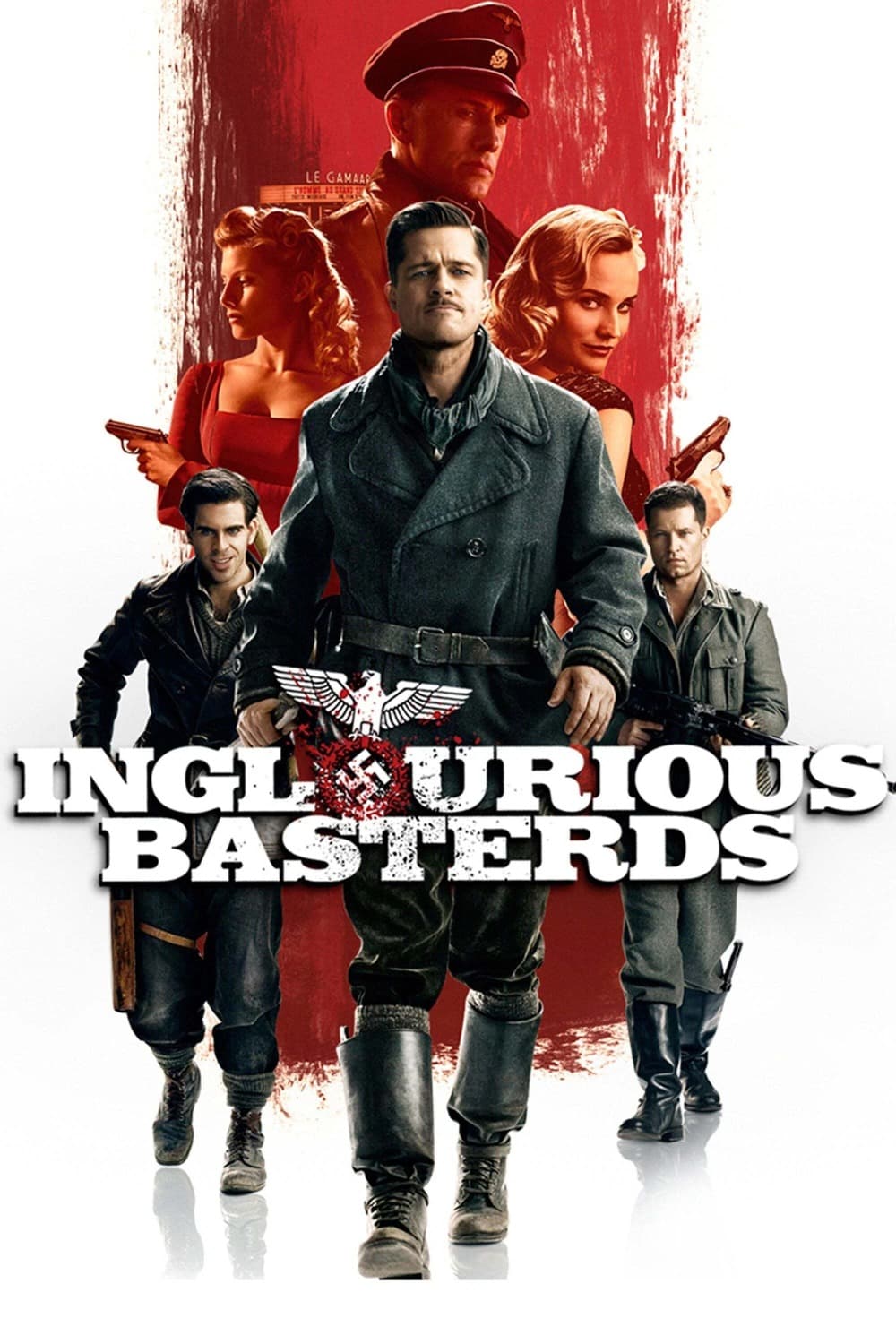
Christoph Waltz plays four languages and makes every one of them frightening: Tarantino builds his scenes as long conversations where somebody at the table already knows too much.
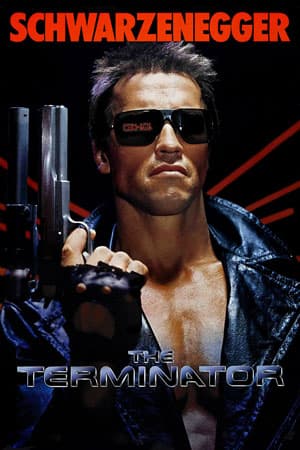
Cameron made it for six million dollars and launched two careers and a franchise: a machine that cannot be bargained with, cannot be reasoned with, and absolutely will not stop.
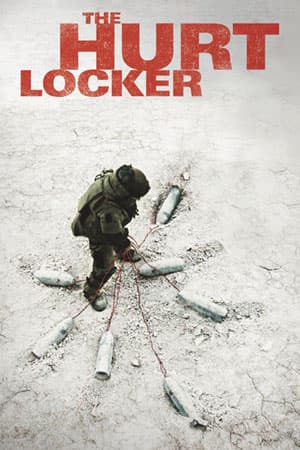
Bigelow made war feel like an addiction rather than a duty: a bomb disposal sergeant works without much fear, and every defusal is stretched until the room turns physical.
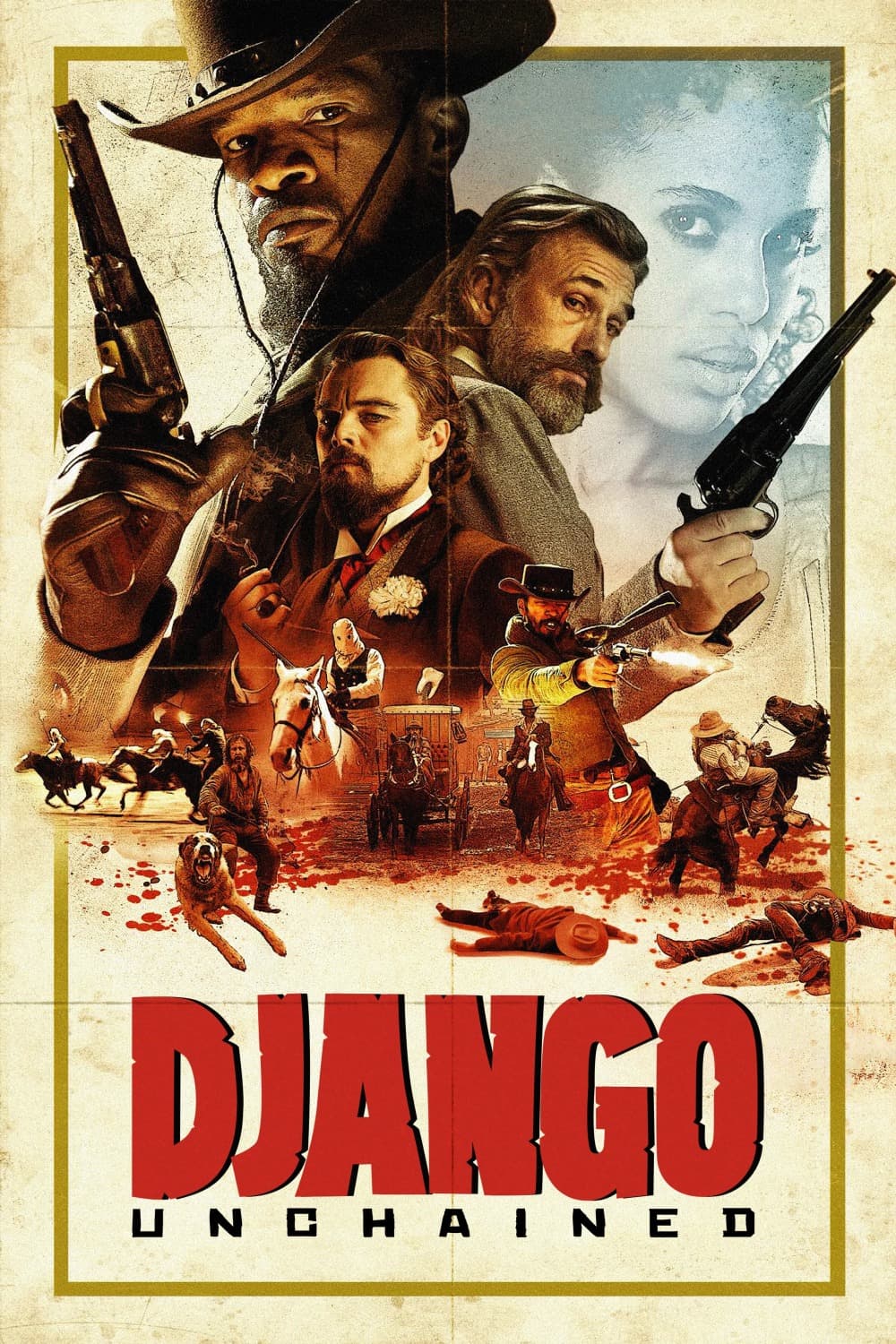
Tarantino turned American slavery into a spaghetti western and got away with it: a freed slave rides with a German bounty hunter, and the dialogue never stops crackling.
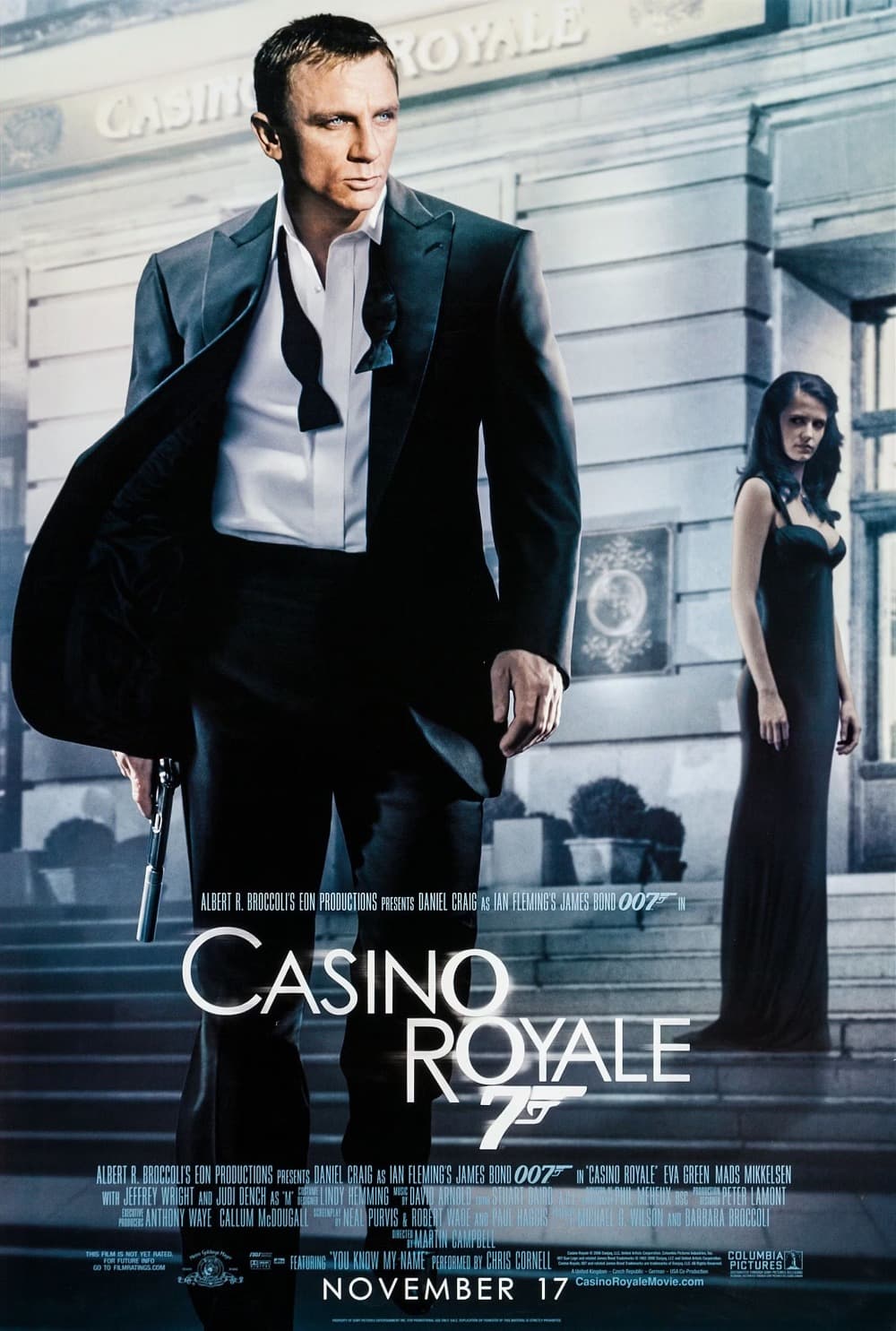
It stripped Bond back to a man who bleeds: the parkour chase in the opening twenty minutes told audiences immediately that the gadgets and the winking were gone.

Casting Sean Connery as the father was the best idea the series ever had: the bickering carries a treasure hunt that would otherwise just be a rerun.
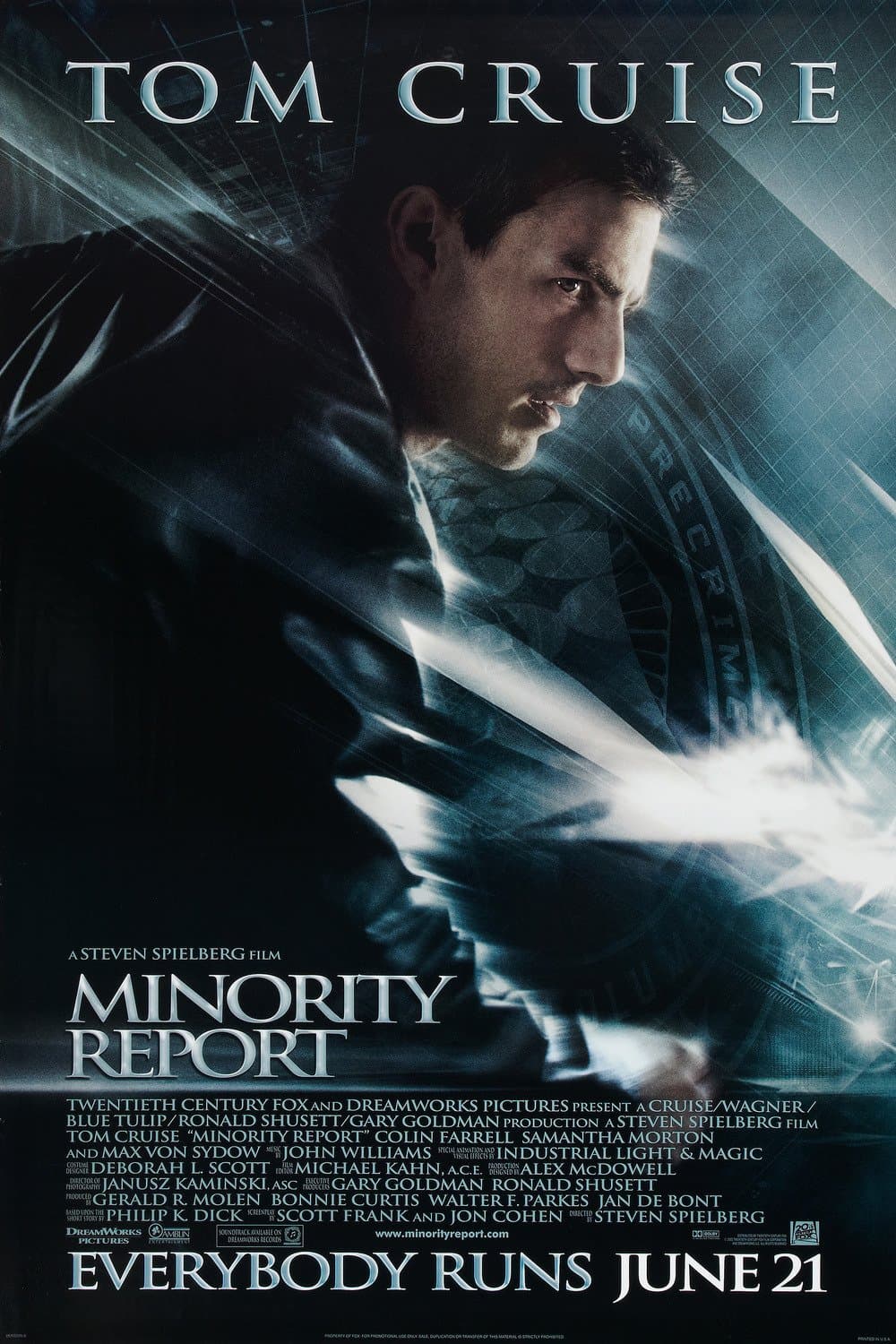
Spielberg hired futurists to design 2054 and most of what they invented has since arrived: gesture screens, targeted advertising, and a police force that arrests you beforehand.
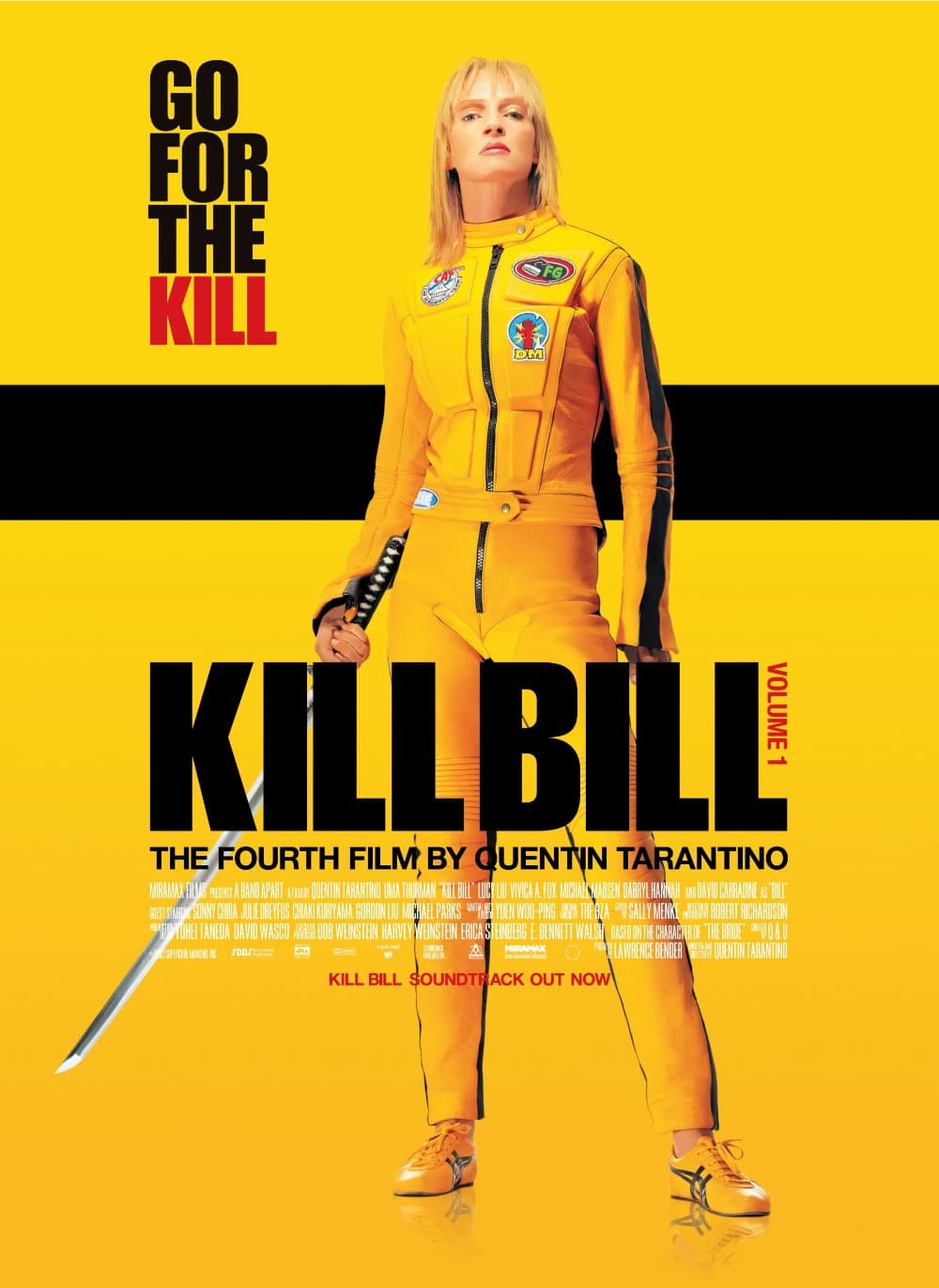
Tarantino built it out of every film he ever loved: kung fu, spaghetti westerns, anime and samurai pictures, and the House of Blue Leaves fight tops all of them.
Woo shoots gunfights the way other directors shoot musical numbers: two pistols, slow motion, doves, and underneath it a straight-faced story about honor between a hitman and the cop hunting him.
Handheld chases got shakier for a decade because of this film: Greengrass films spying as legwork rather than glamour, and the Waterloo Station chase is the most tightly constructed surveillance sequence ever filmed.
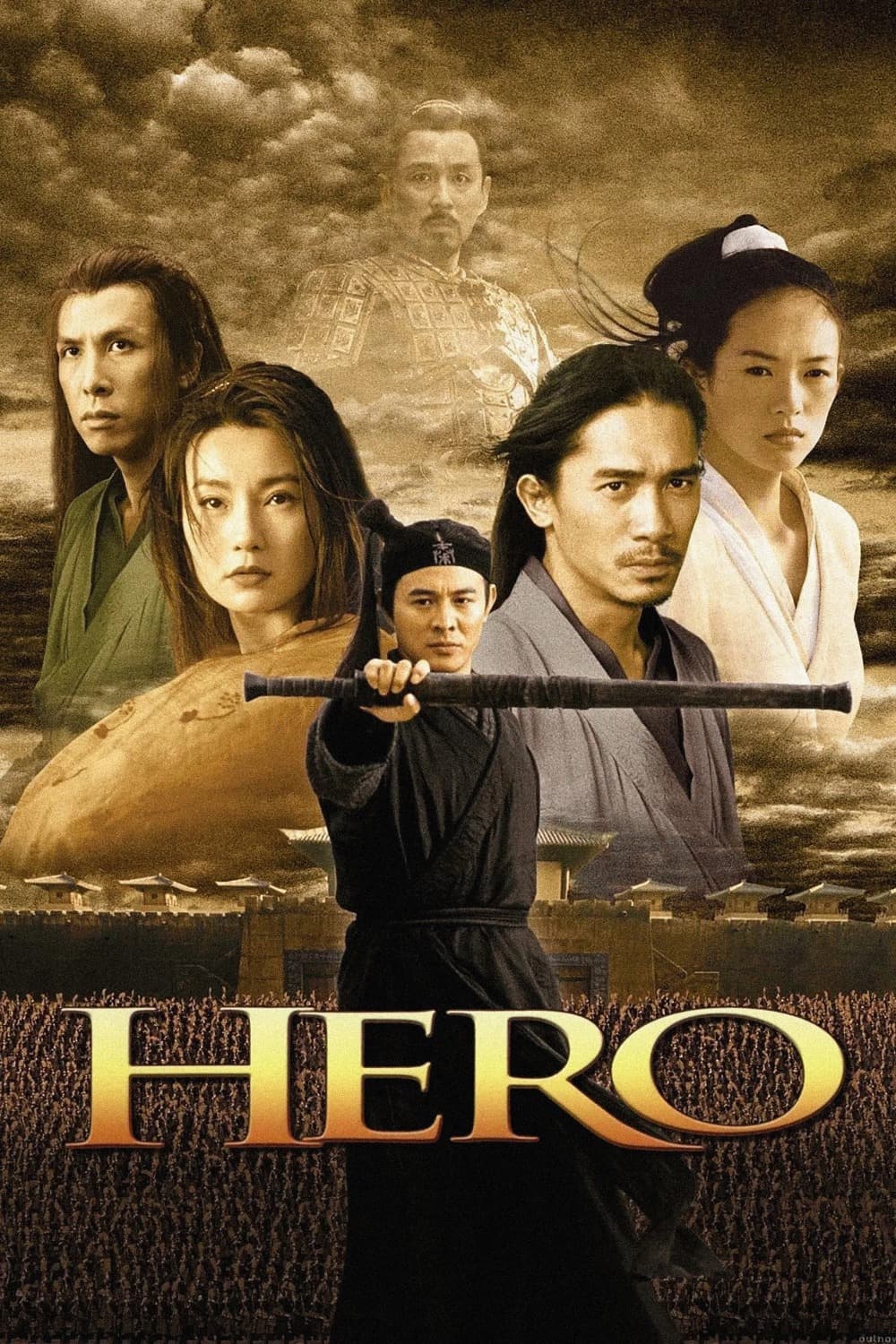
Zhang Yimou shot each retelling of one assassination attempt in a different color: Christopher Doyle's photography is so beautiful that the film's politics start an argument every single time.
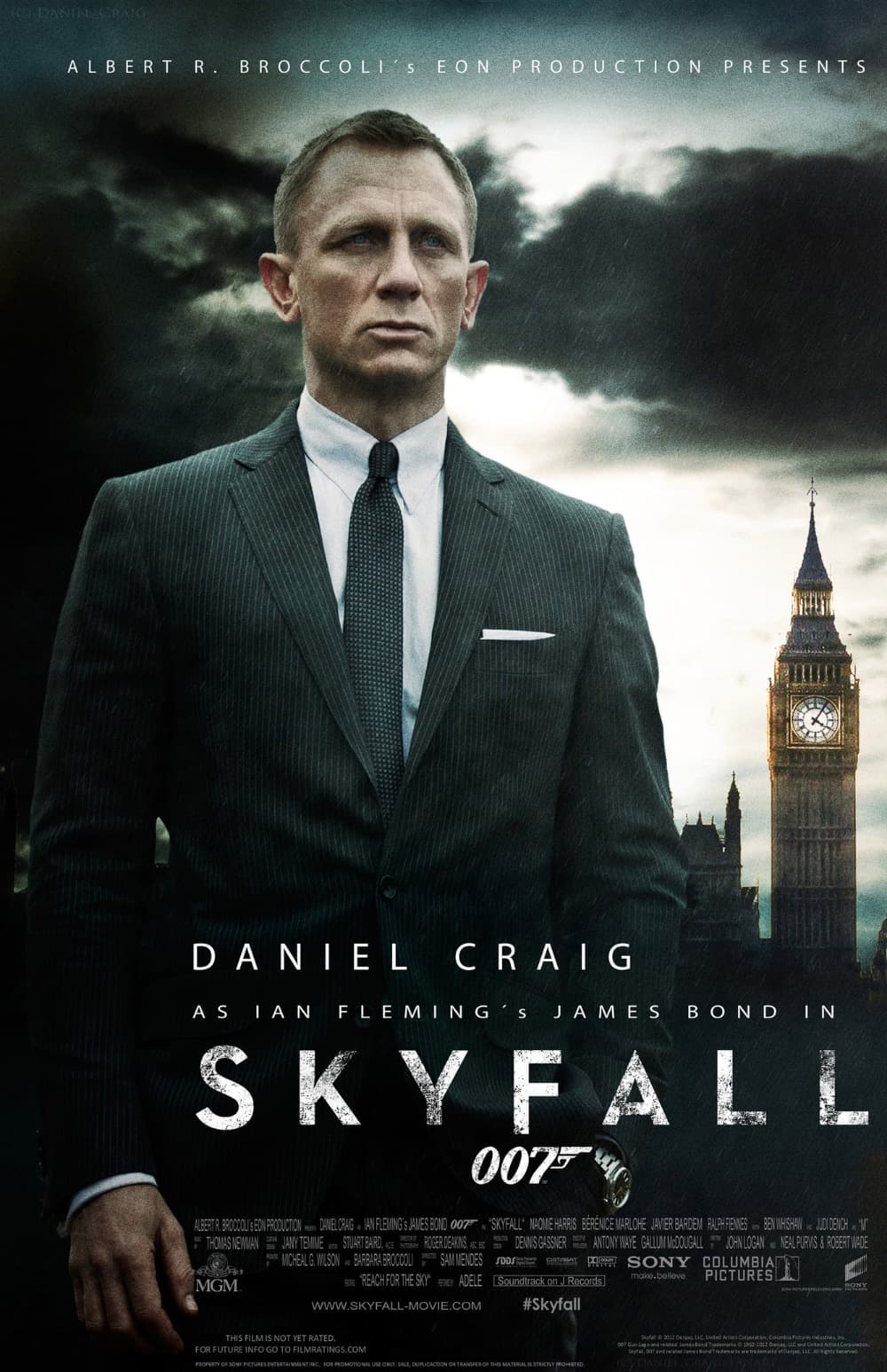
Roger Deakins photographed a James Bond film and the series has never looked the same: the Shanghai fight plays out in silhouette against neon, and the plot finally asks what Bond is for.
The train wreck was staged for real because it was cheaper than faking it: a surgeon convicted of his wife's murder runs, and Tommy Lee Jones's marshal is better company than the hero.