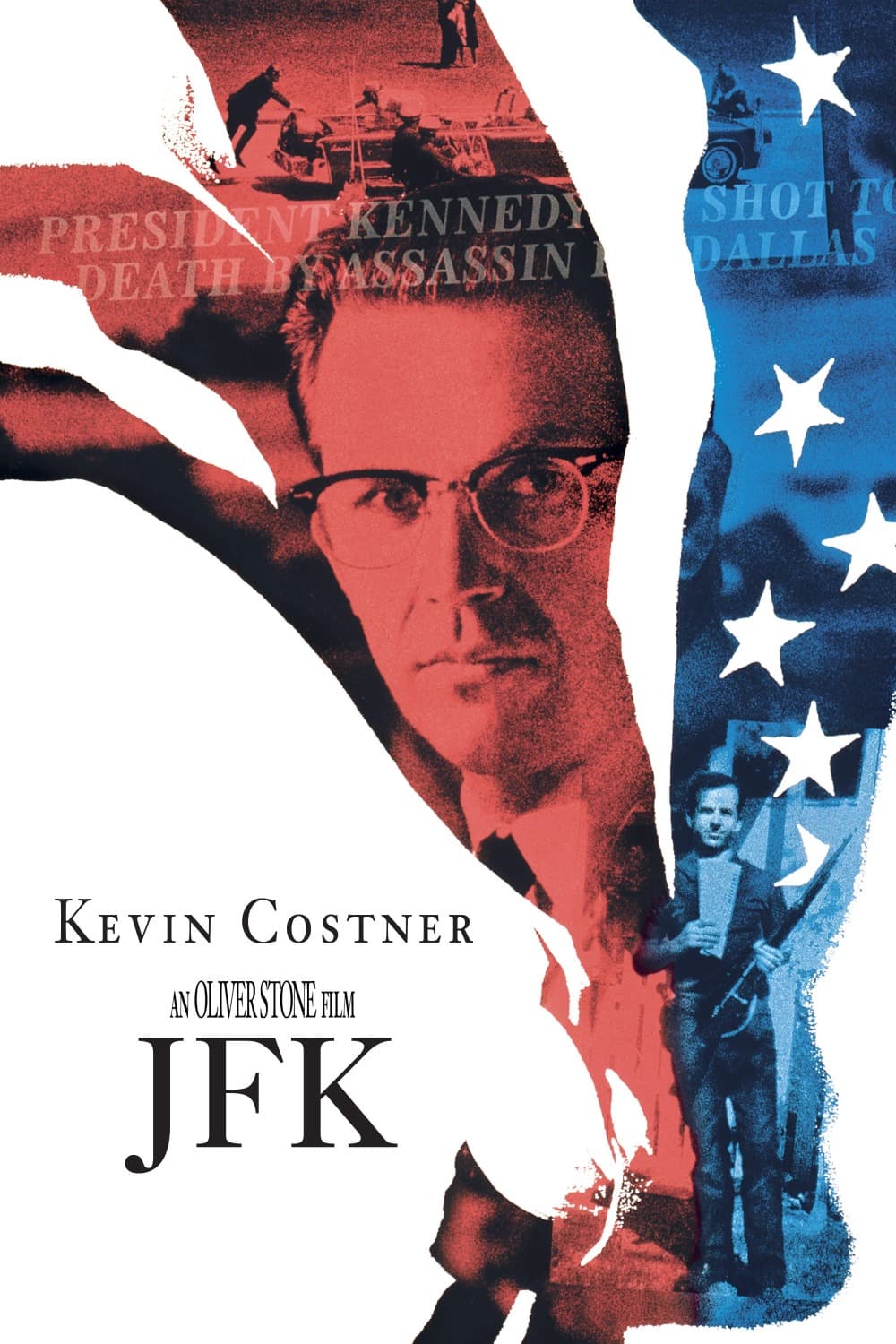
JFK
Directed by Oliver Stone
1991
A film that changed federal law: the outcry over Stone's conspiracy case pushed Congress to pass the JFK Records Act, and the editing that sells it remains the most aggressive in American film.
★ 6.6
 skopia
A film that changed federal law: the outcry over Stone's conspiracy case pushed Congress to pass the JFK Records Act, and the editing that sells it remains the most aggressive in American film.
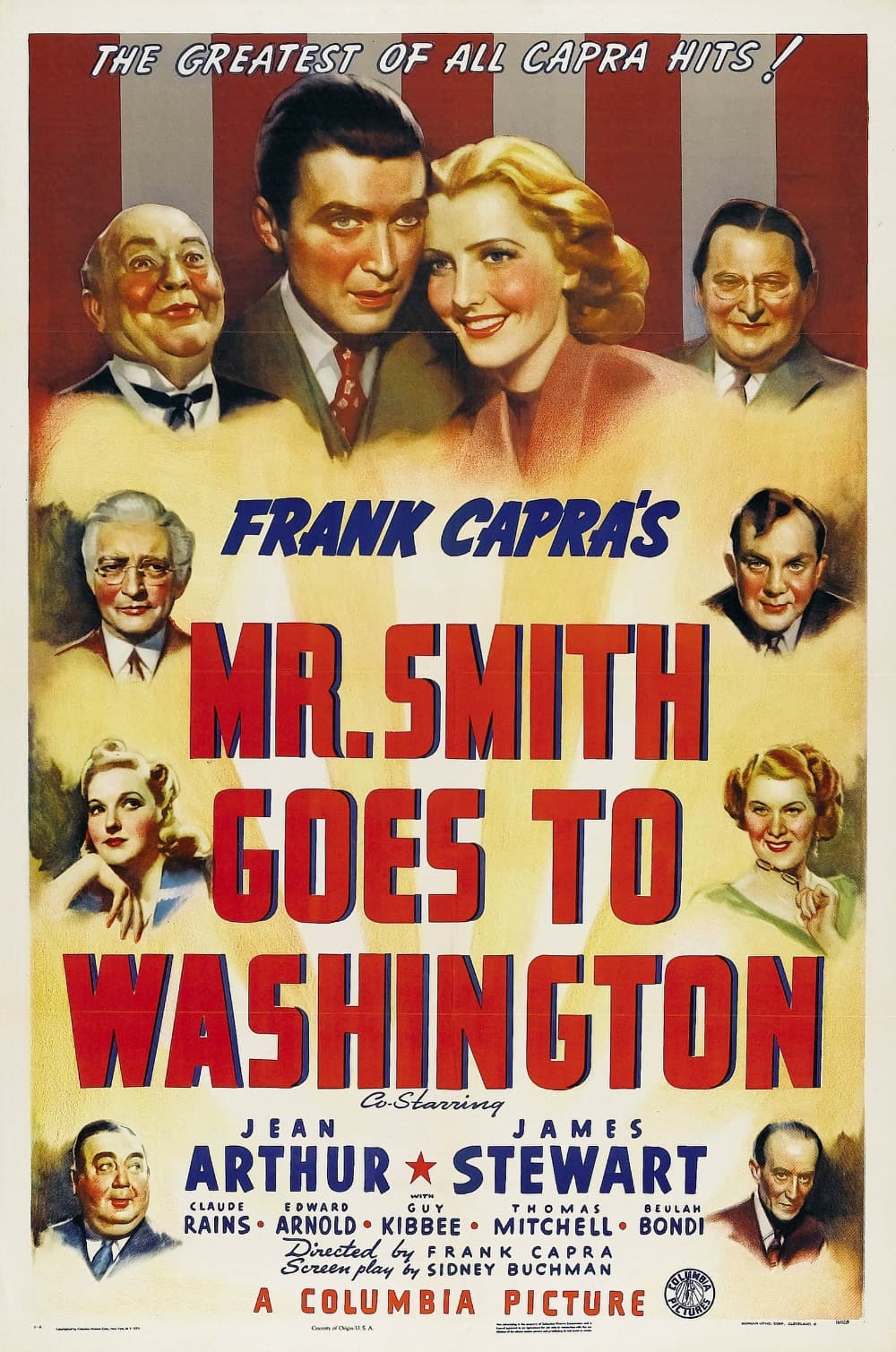
Capra built the most stirring film ever made out of parliamentary procedure: an amateur senator holds the floor with nothing but his voice and the rulebook, and Washington's press corps hated it.
Haing Ngor had never acted in his life and won an Academy Award for this: Roland Joffe films the fall of Phnom Penh through an American reporter and the Cambodian colleague beside him.
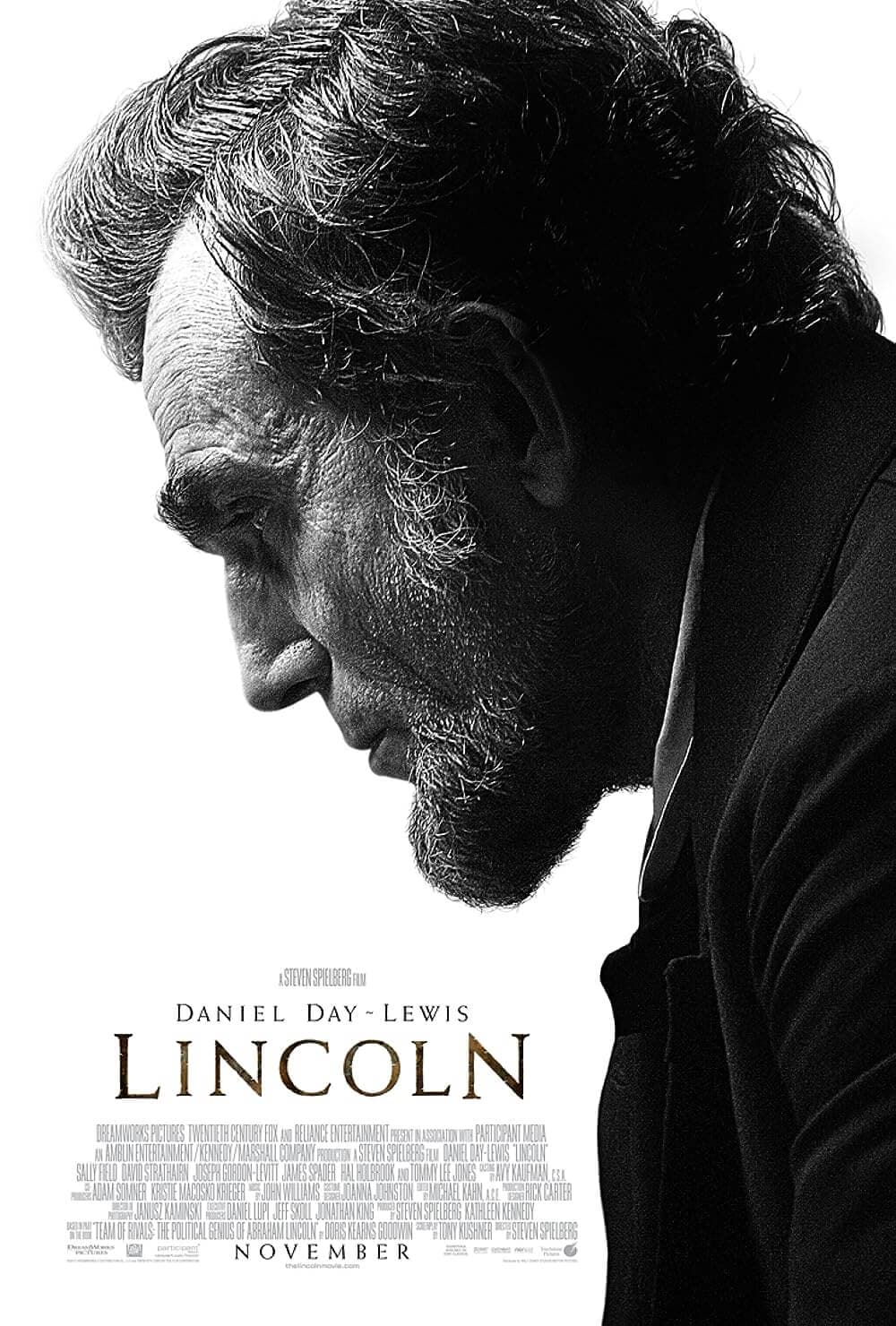
Day-Lewis found a high, reedy voice for Lincoln because the historical accounts describe one: Spielberg and Tony Kushner build a whole film out of counting votes for the Thirteenth Amendment.
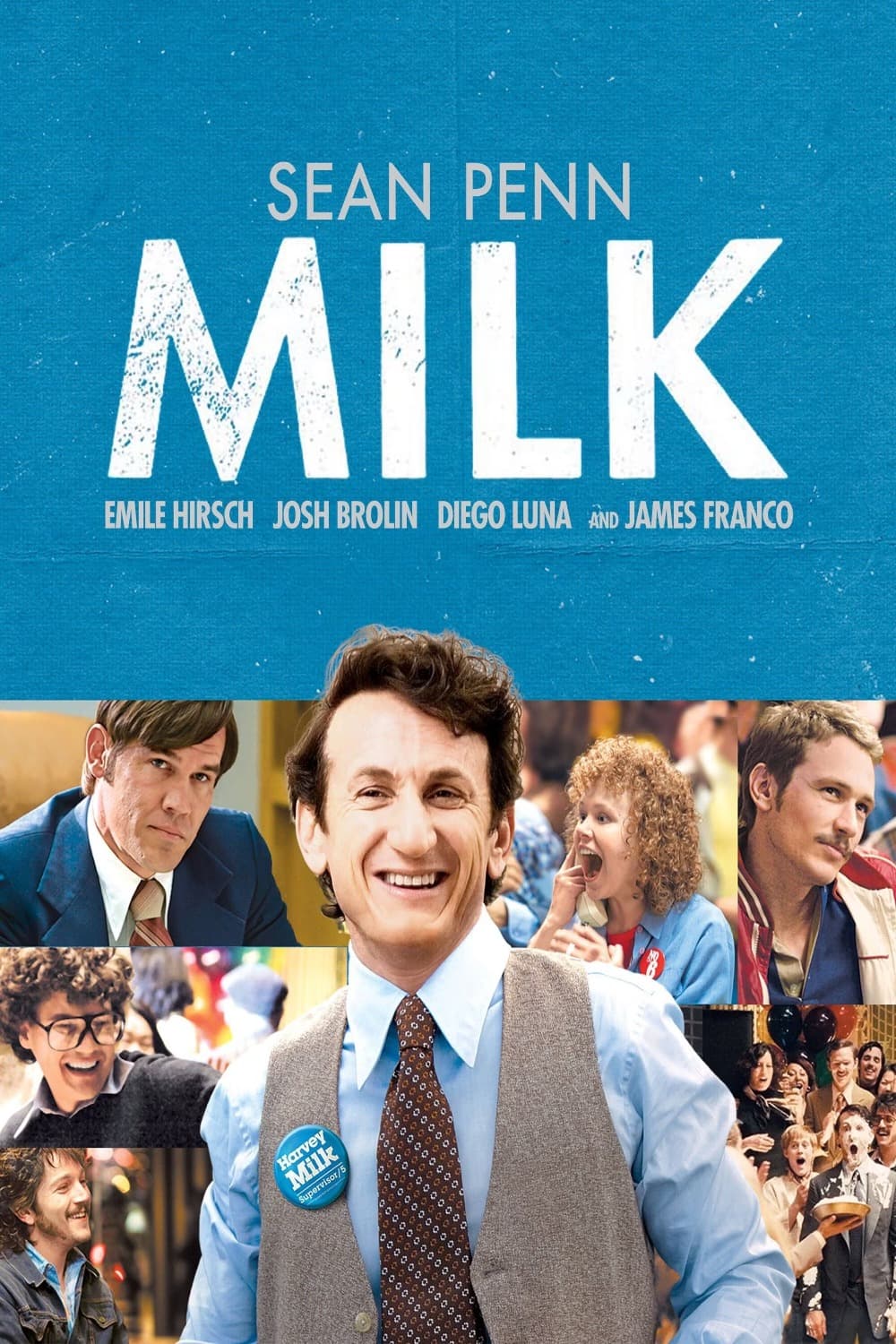
Van Sant shot in the actual Castro Street storefront where Harvey Milk ran his campaigns: Sean Penn plays the first openly gay man elected to major office in California, and plays him delighted.
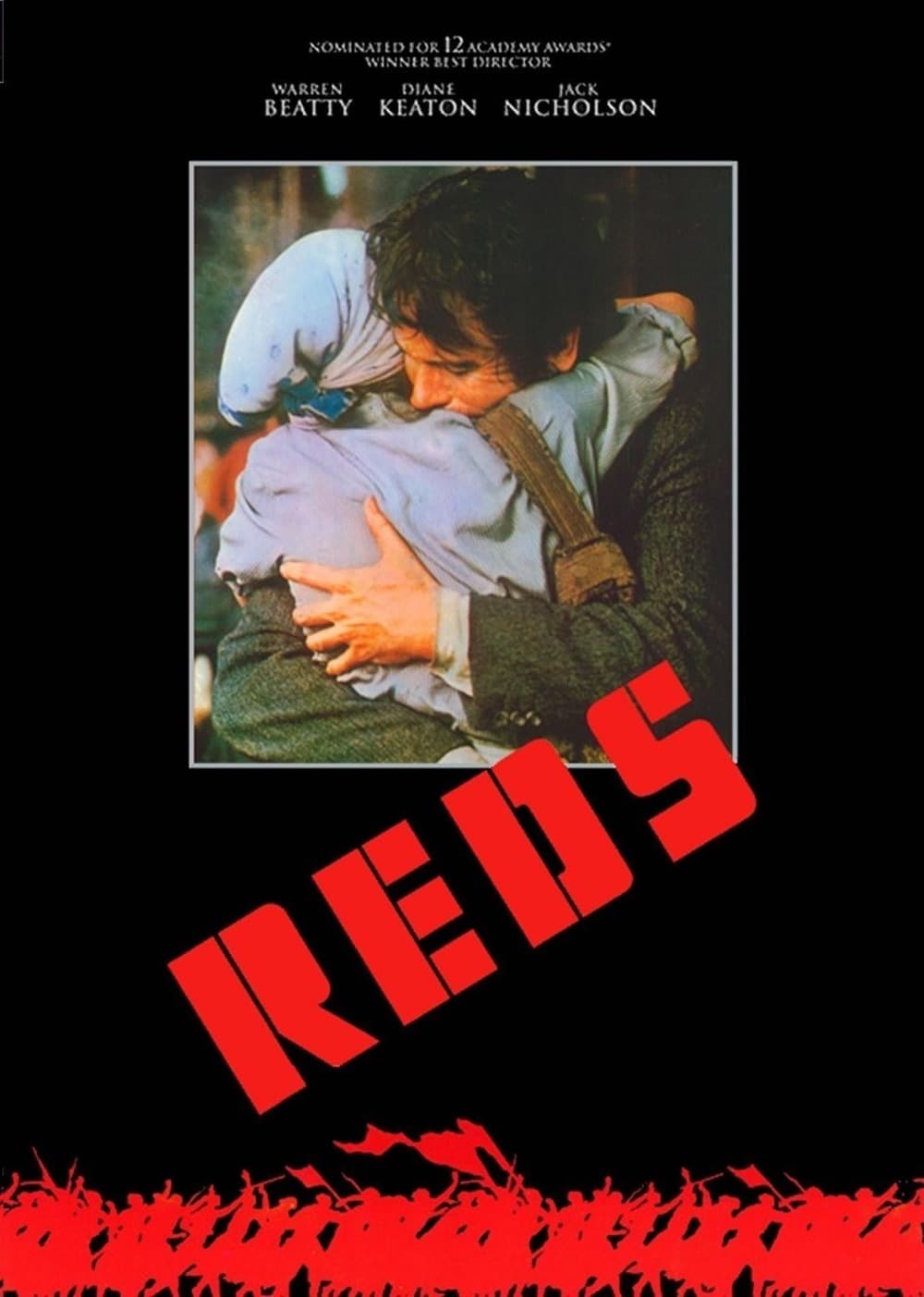
Beatty tracked down dozens of surviving witnesses and cut their interviews straight into the film: the Russian Revolution seen through two American radicals who cannot stop arguing.
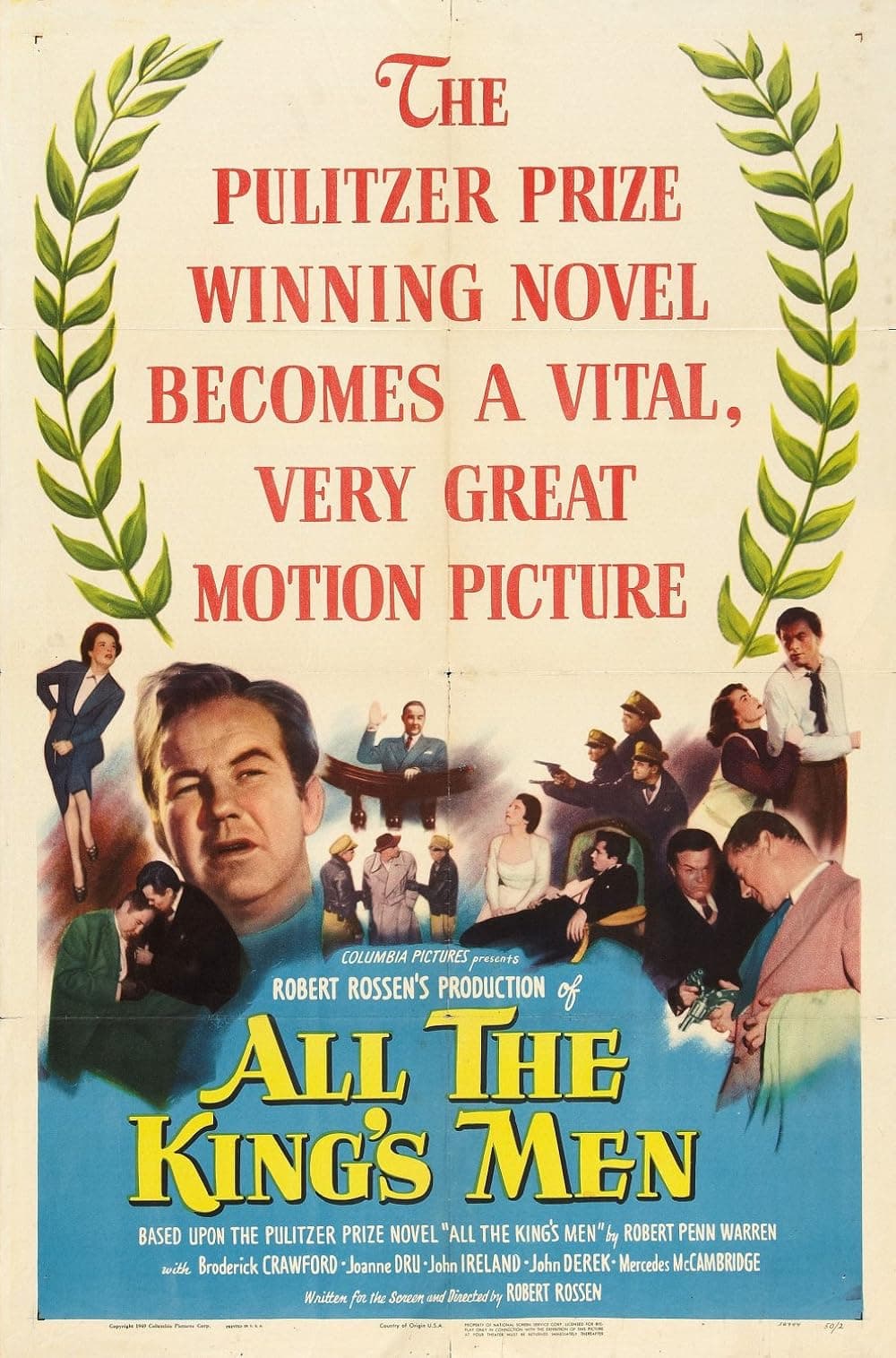
Robert Penn Warren's novel about Huey Long, filmed with real Californians pulled off the street as extras: a country lawyer discovers what he can do with a crowd.