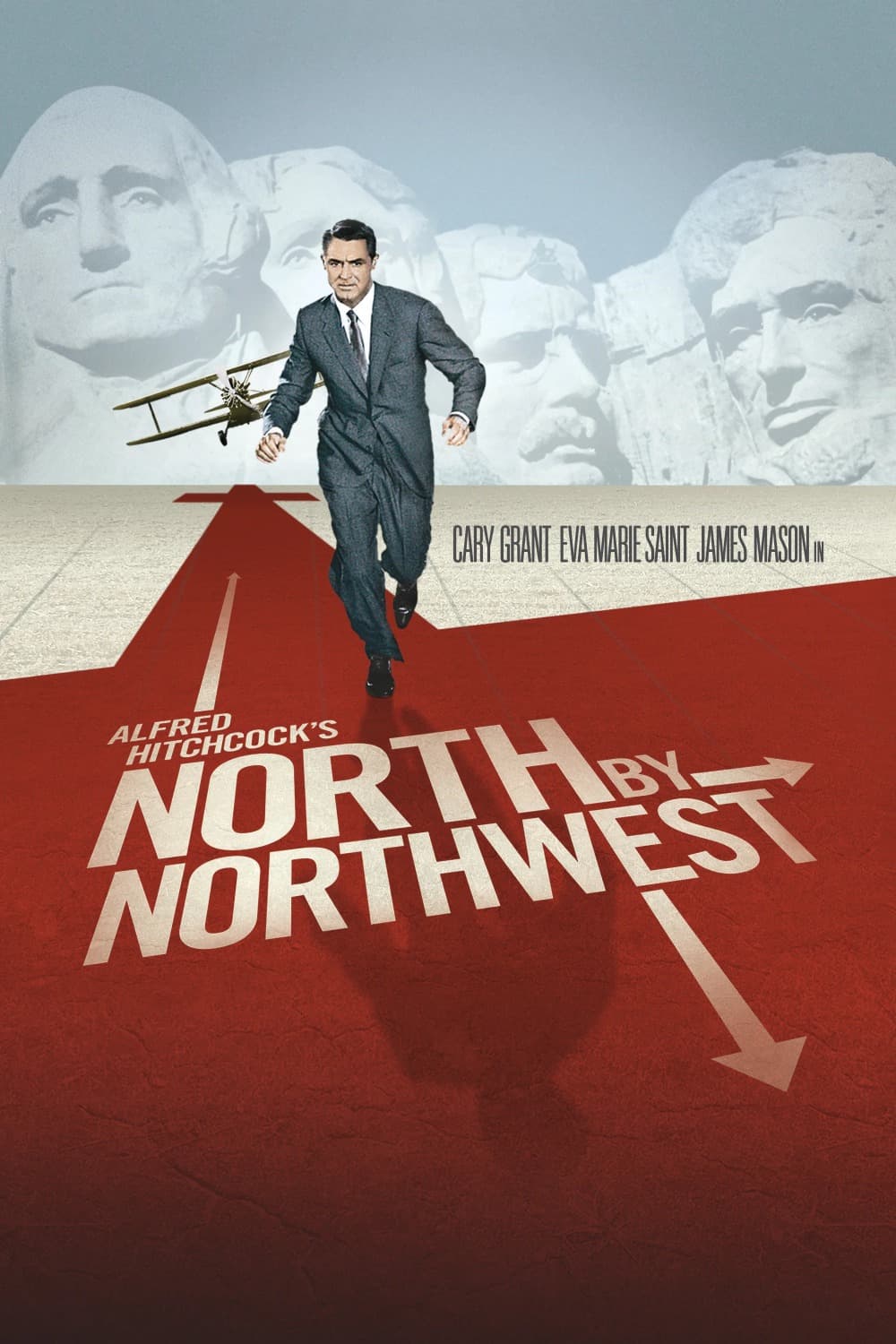
North by Northwest
Directed by Alfred Hitchcock
1959
Every spy thriller since owes it something, James Bond most of all: Hitchcock chases an innocent man across America by crop duster and over Mount Rushmore, enjoying himself throughout.
★ 9.1
 skopia
Every spy thriller since owes it something, James Bond most of all: Hitchcock chases an innocent man across America by crop duster and over Mount Rushmore, enjoying himself throughout.
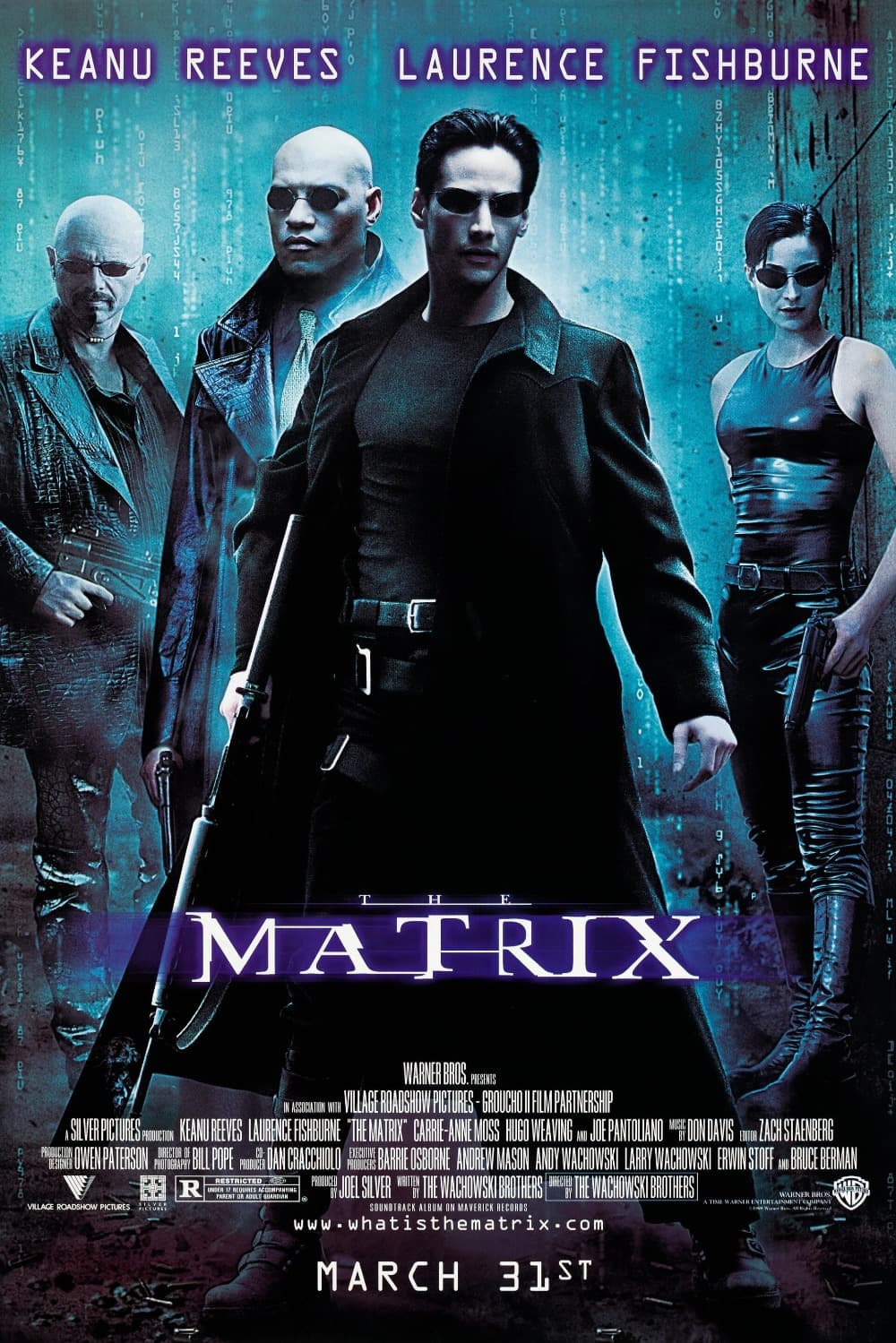
Action filmmaking divides neatly into before and after this one: the Wachowskis fused Hong Kong wire work with a philosophy seminar's premise and everyone spent five years copying it.
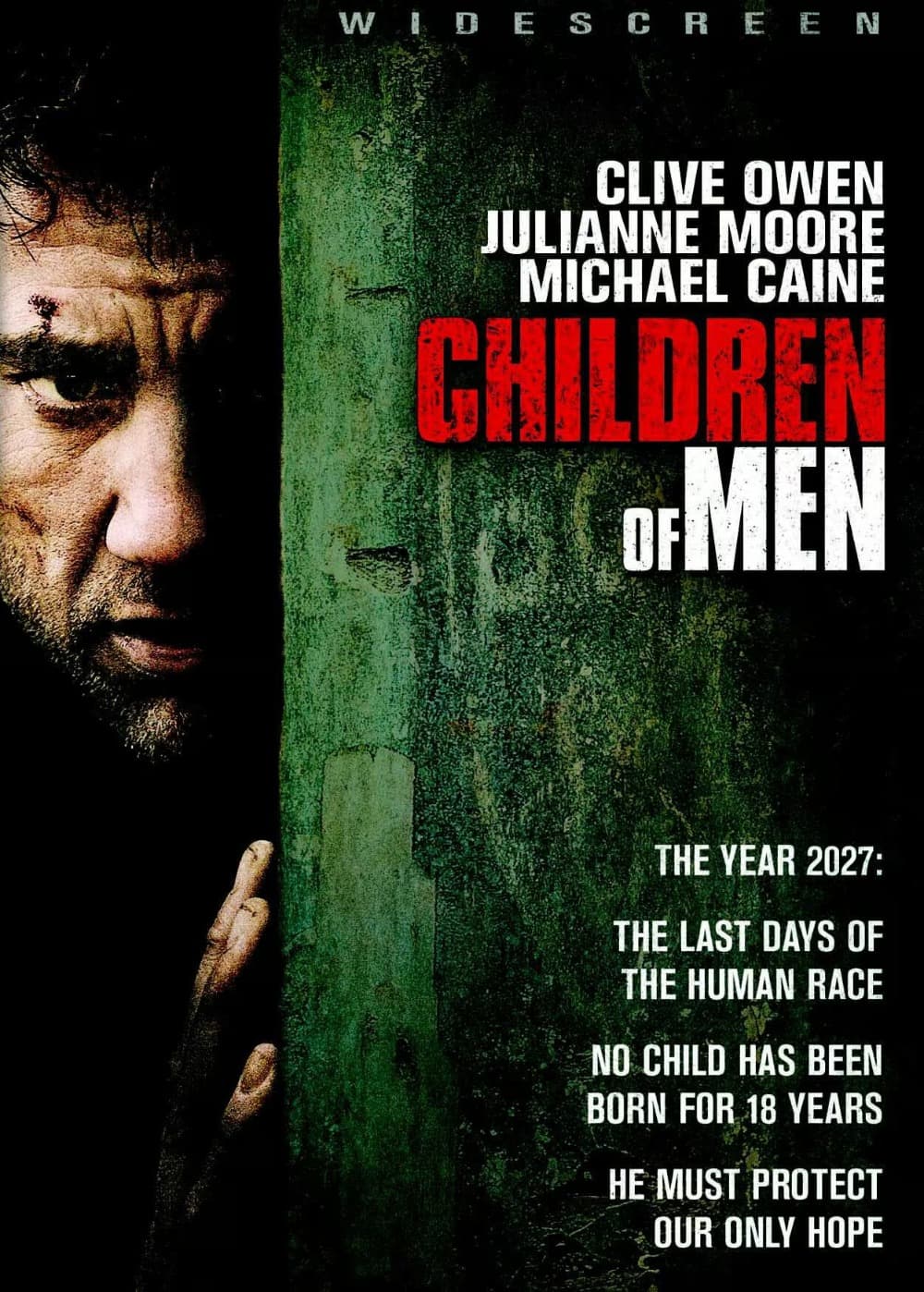
It looked like science fiction in 2006 and looks like the news now: Cuaron's roaming takes put you inside a collapsing Britain, and the ambush in the car is astonishing.
Computer effects became believable overnight: Cameron spent more money than anyone ever had, put a liquid metal killer on screen, and every studio in town immediately started writing checks.
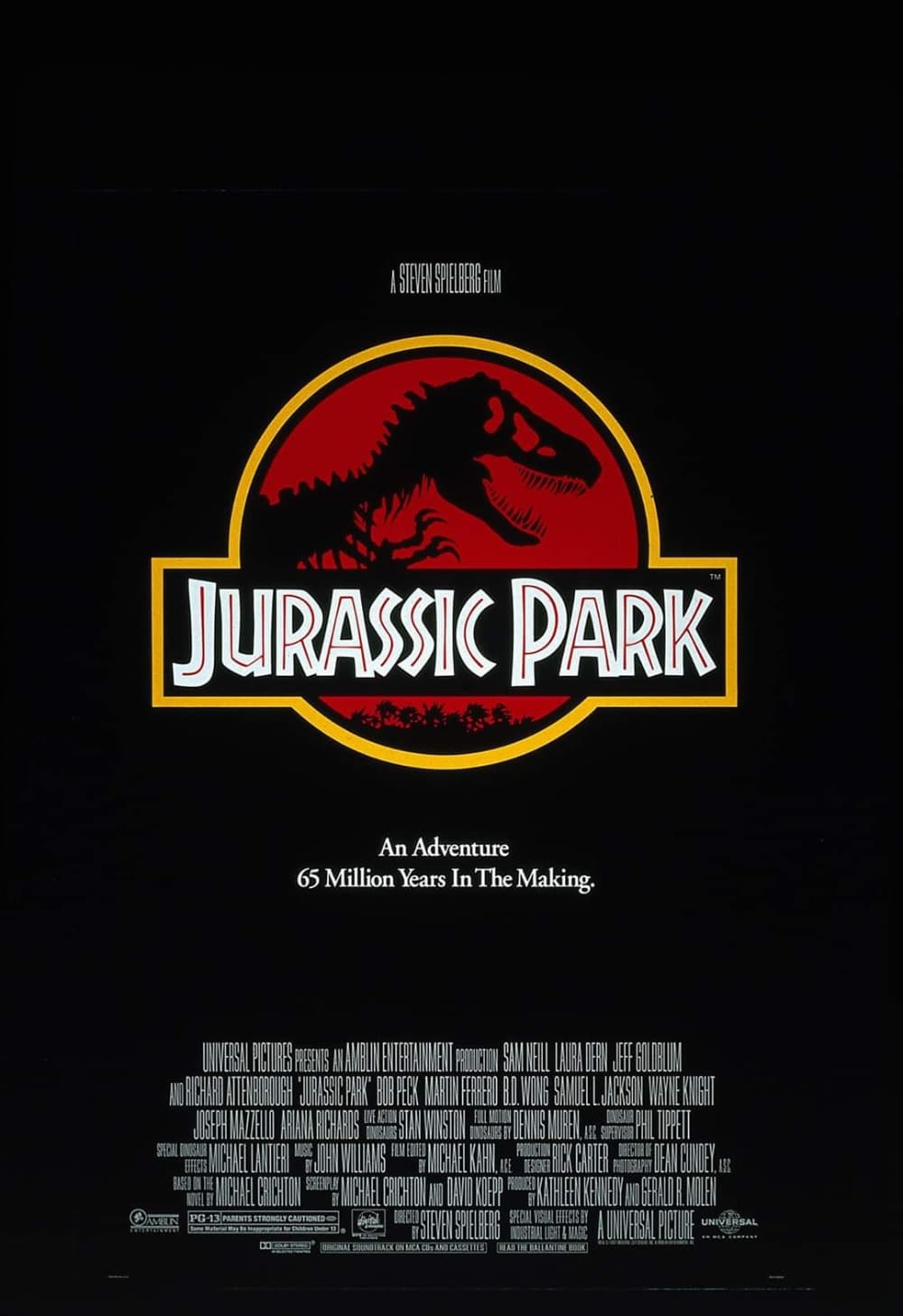
The moment the first dinosaur appears is the moment audiences stopped trusting their own eyes: Spielberg mixed puppets and computers so well that the seams still do not show.
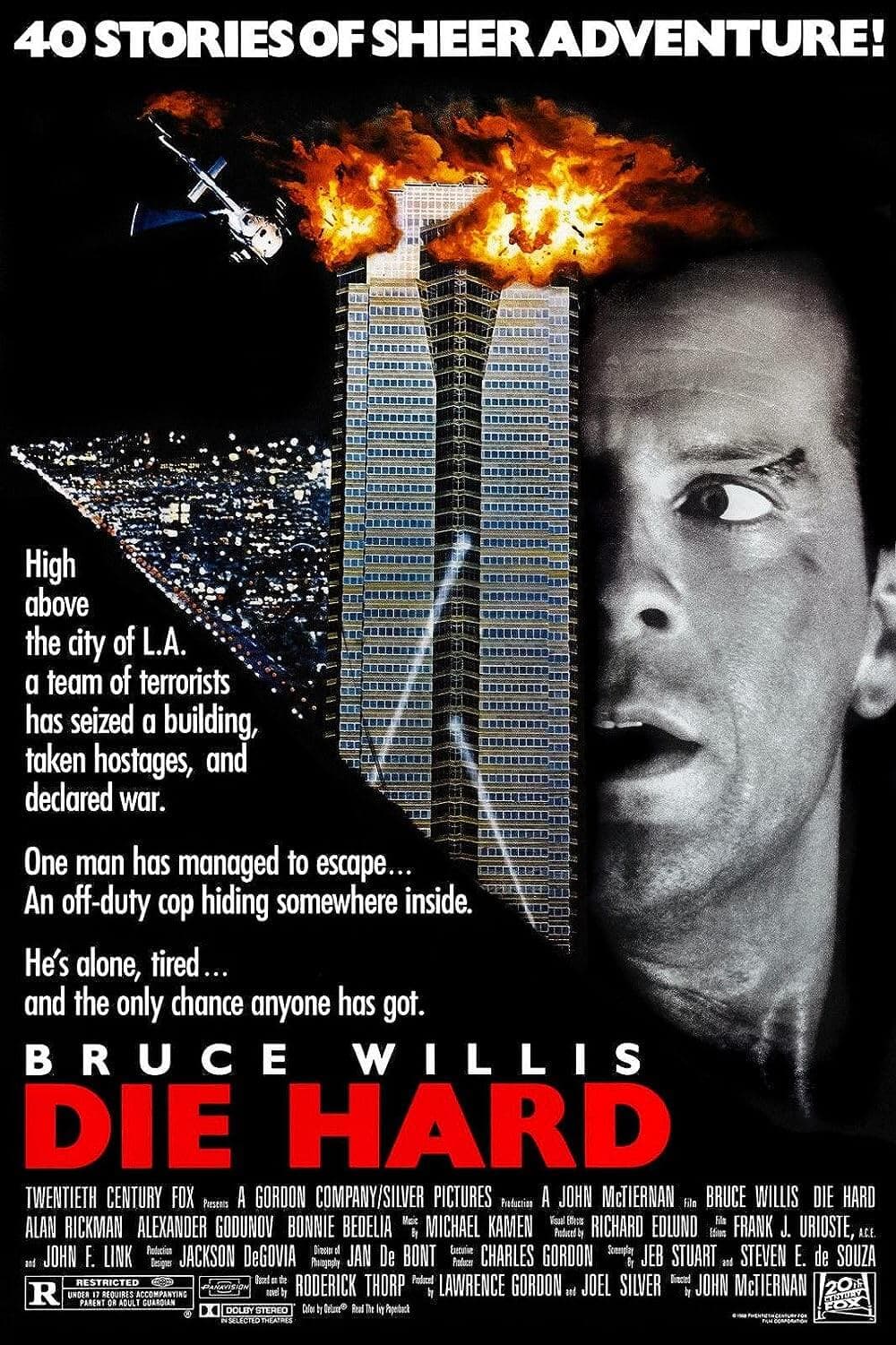
Hollywood spent the next decade pitching films as Die Hard on a boat, a bus, a plane: McTiernan built the action machine everyone has been copying since 1988.
Bigelow made war feel like an addiction rather than a duty: a bomb disposal sergeant works without much fear, and every defusal is stretched until the room turns physical.
Bigelow filmed a decade-long manhunt as pure procedure and let the audience sit with what it cost: the torture scenes started an argument that has never been settled.
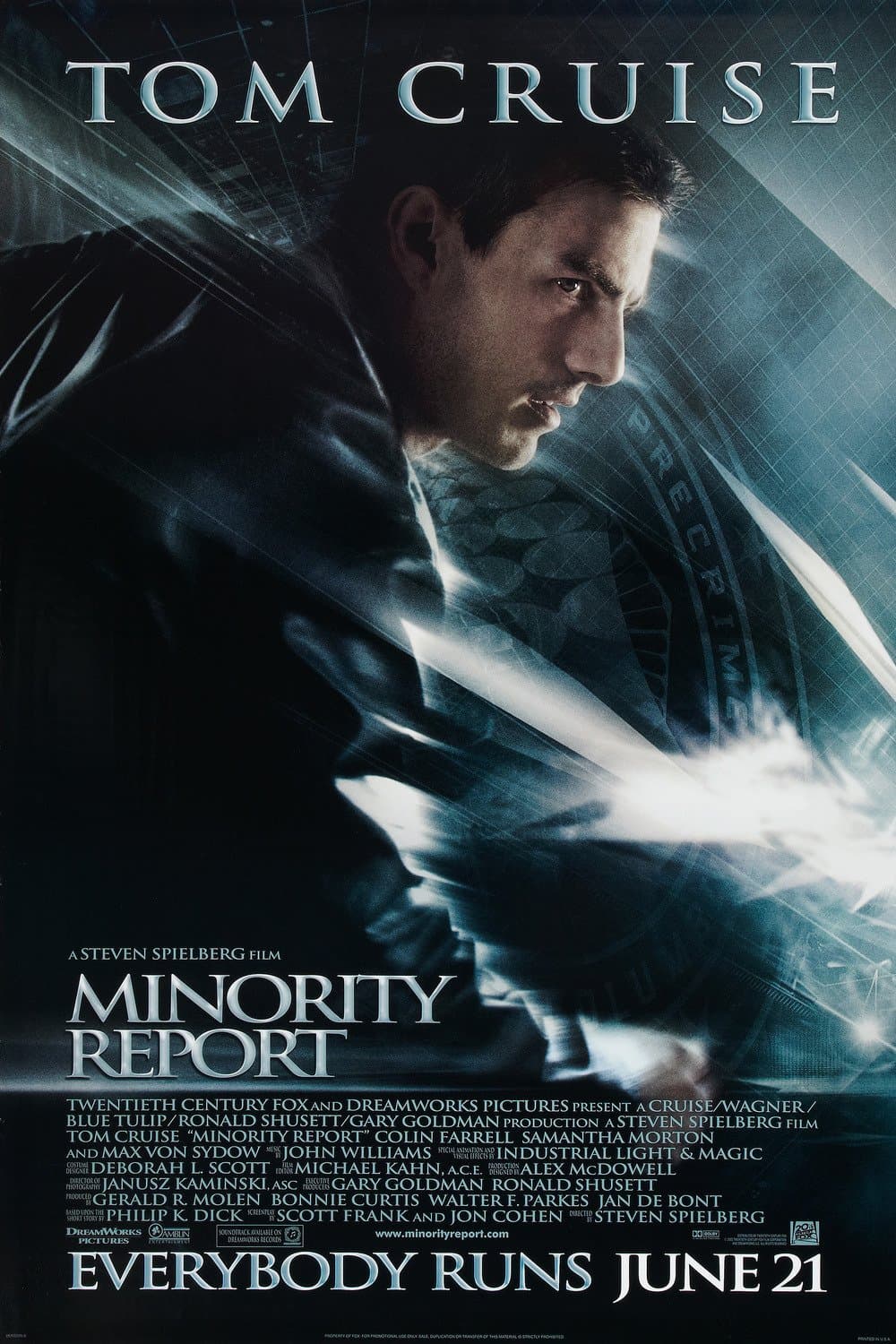
Spielberg hired futurists to design 2054 and most of what they invented has since arrived: gesture screens, targeted advertising, and a police force that arrests you beforehand.
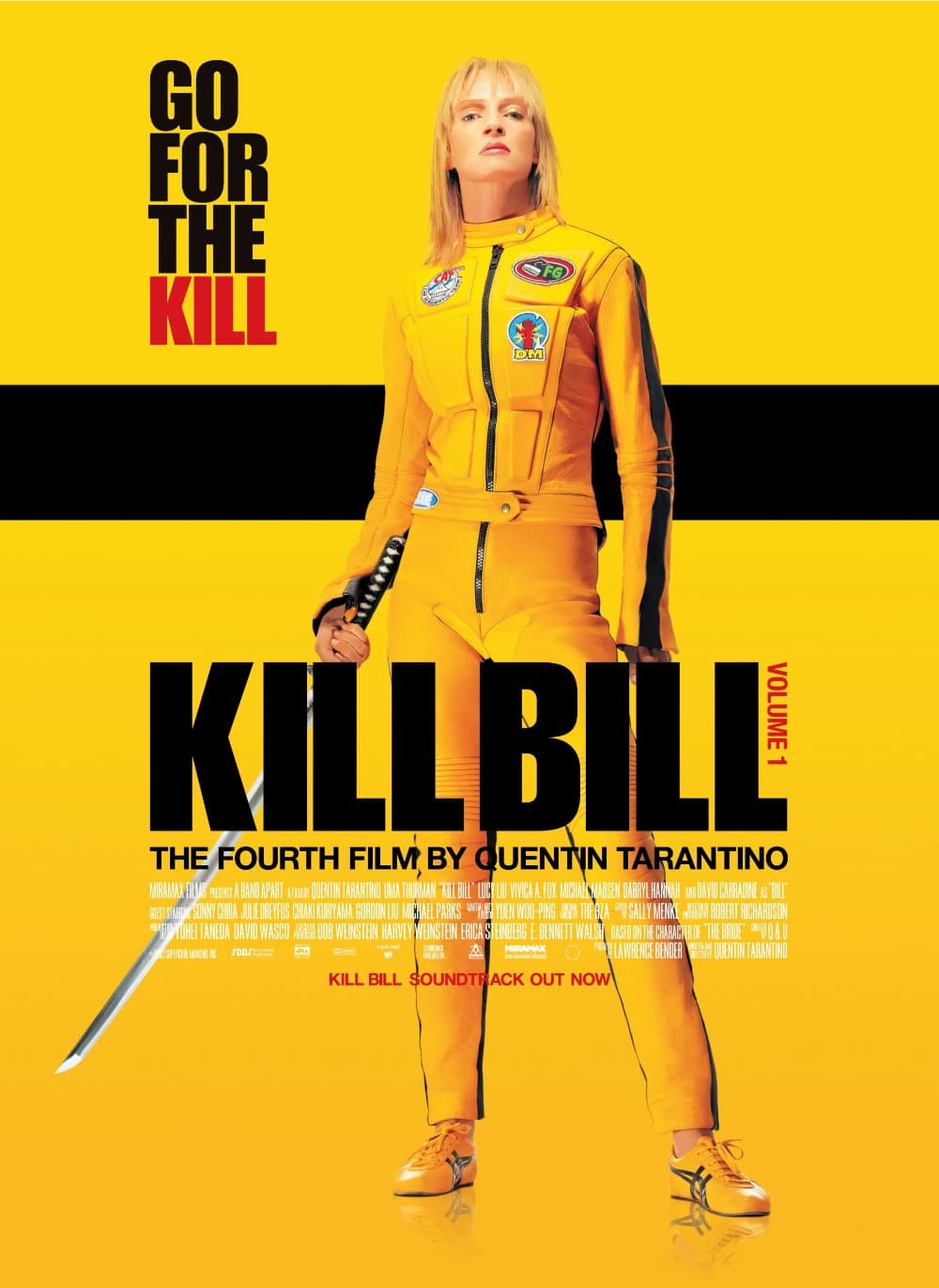
Tarantino built it out of every film he ever loved: kung fu, spaghetti westerns, anime and samurai pictures, and the House of Blue Leaves fight tops all of them.
Woo shoots gunfights the way other directors shoot musical numbers: two pistols, slow motion, doves, and underneath it a straight-faced story about honor between a hitman and the cop hunting him.
Handheld chases got shakier for a decade because of this film: Greengrass films spying as legwork rather than glamour, and the Waterloo Station chase is the most tightly constructed surveillance sequence ever filmed.
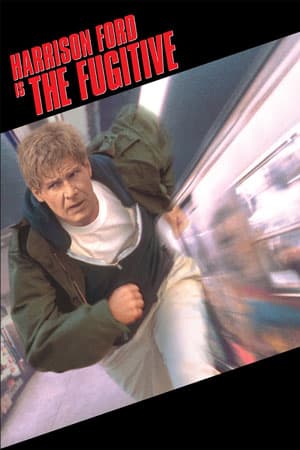
The train wreck was staged for real because it was cheaper than faking it: a surgeon convicted of his wife's murder runs, and Tommy Lee Jones's marshal is better company than the hero.
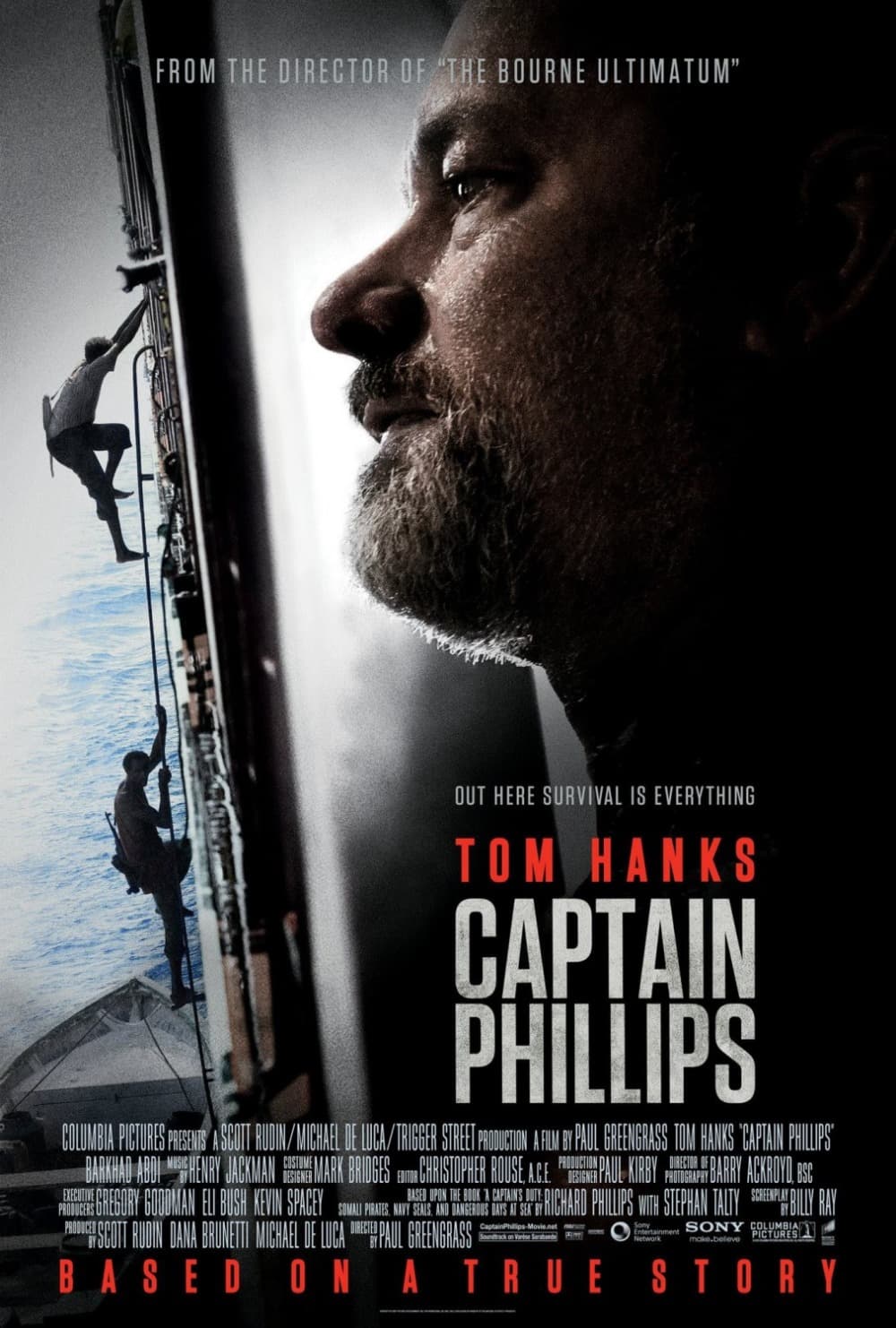
Barkhad Abdi had never acted and was cast out of a Minneapolis open call: he holds the screen against Tom Hanks through the last hour on a lifeboat off Somalia, and never blinks.
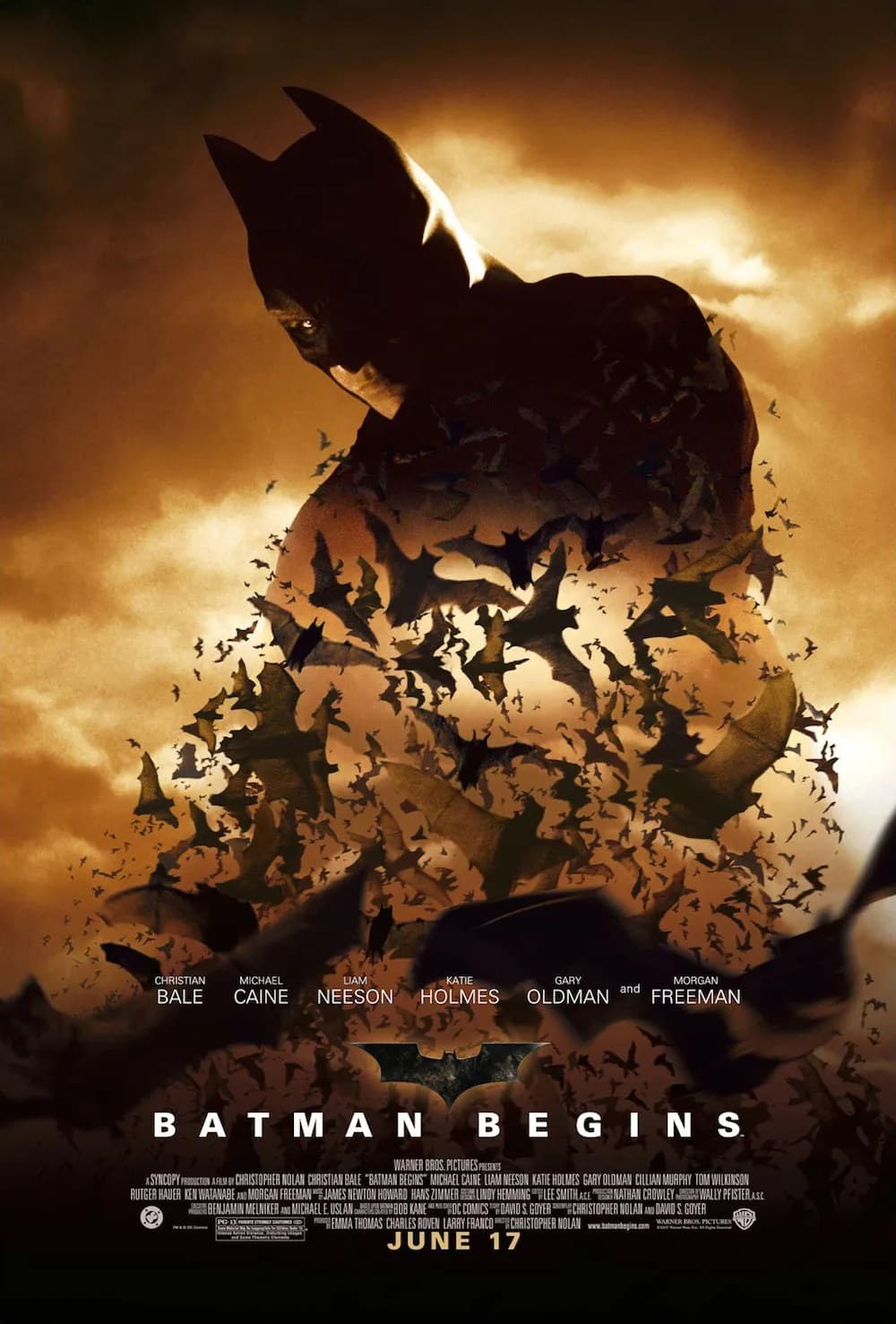
Serious superhero films begin here: Nolan built the car for real, kept Gotham plausible, and treated a man in a bat costume as a psychological problem rather than a joke.
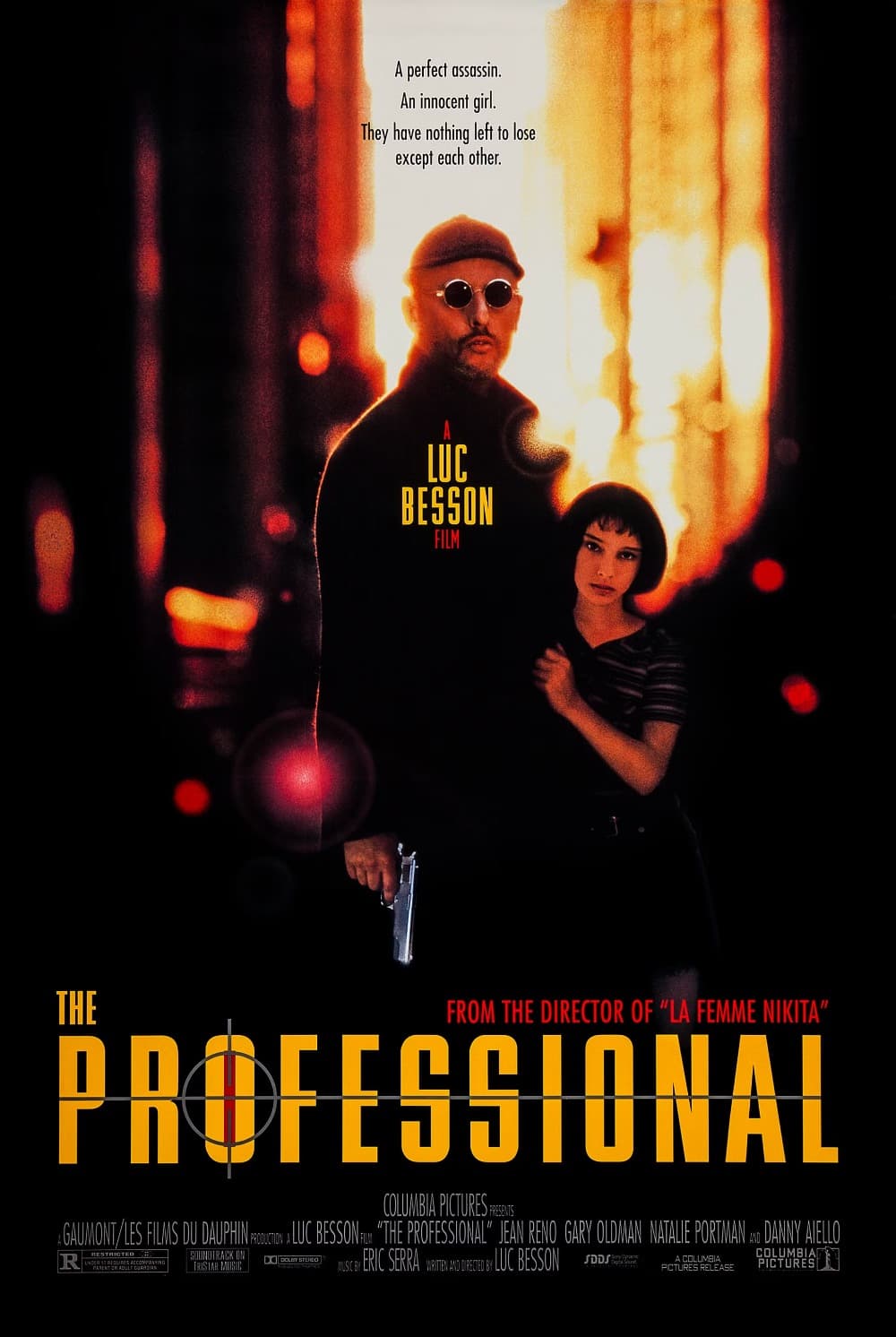
Natalie Portman was twelve and had never acted: Besson pairs her with a hitman who waters his houseplant like a dependent, and the film has been argued about ever since.
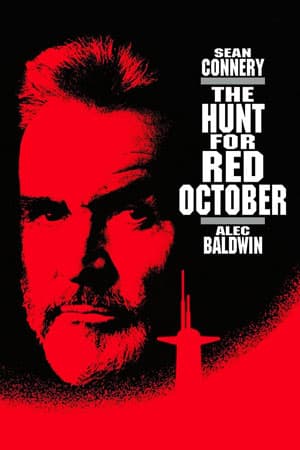
John McTiernan solves the language problem with a slow push in on the Russian political officer, and everyone speaks English from then on: submarine cat-and-mouse with almost no violence in it.
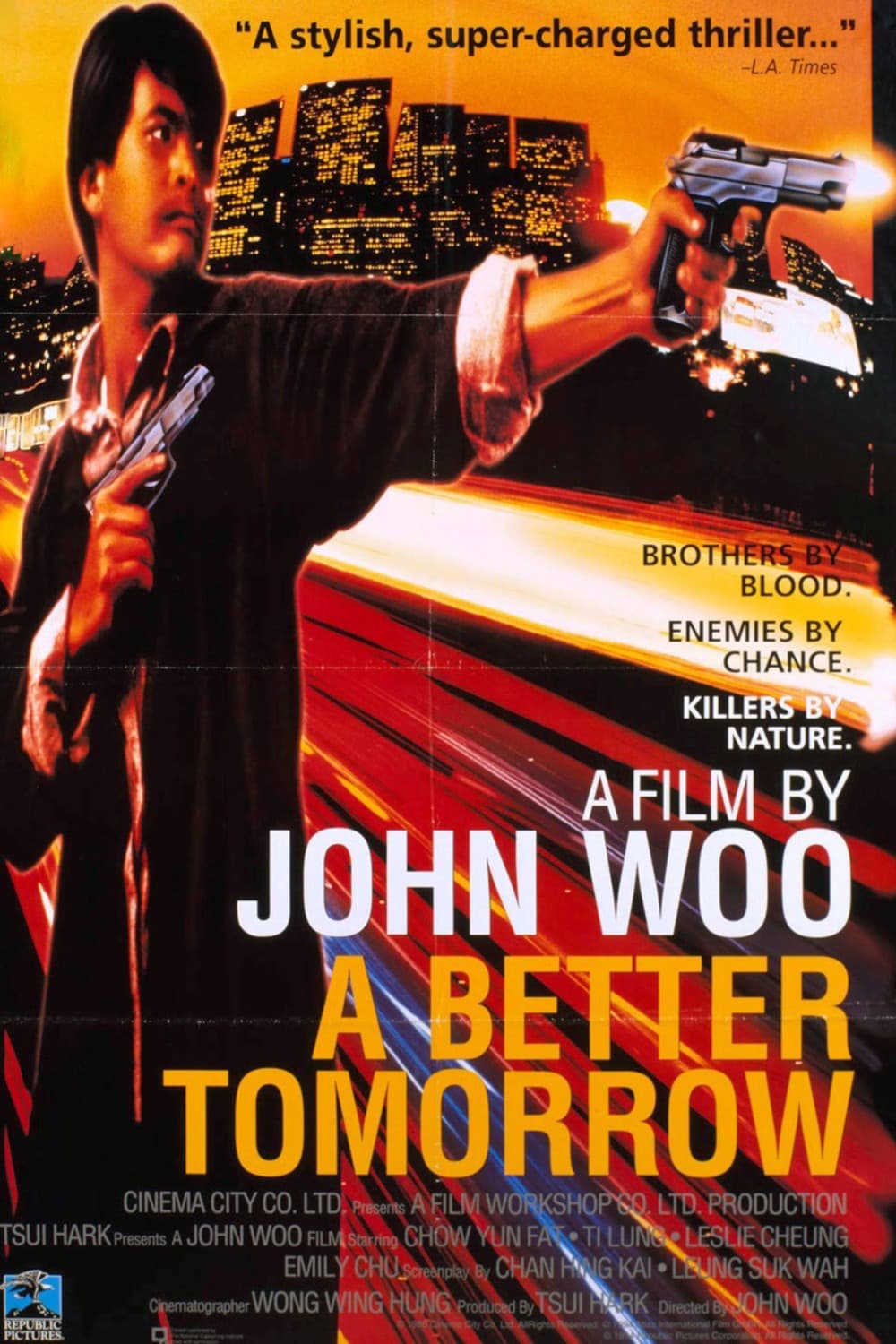
It made Chow Yun-fat a superstar and started an entire Hong Kong genre: two brothers on opposite sides of the law, and a gunman in a trenchcoat lighting a cigarette with money.
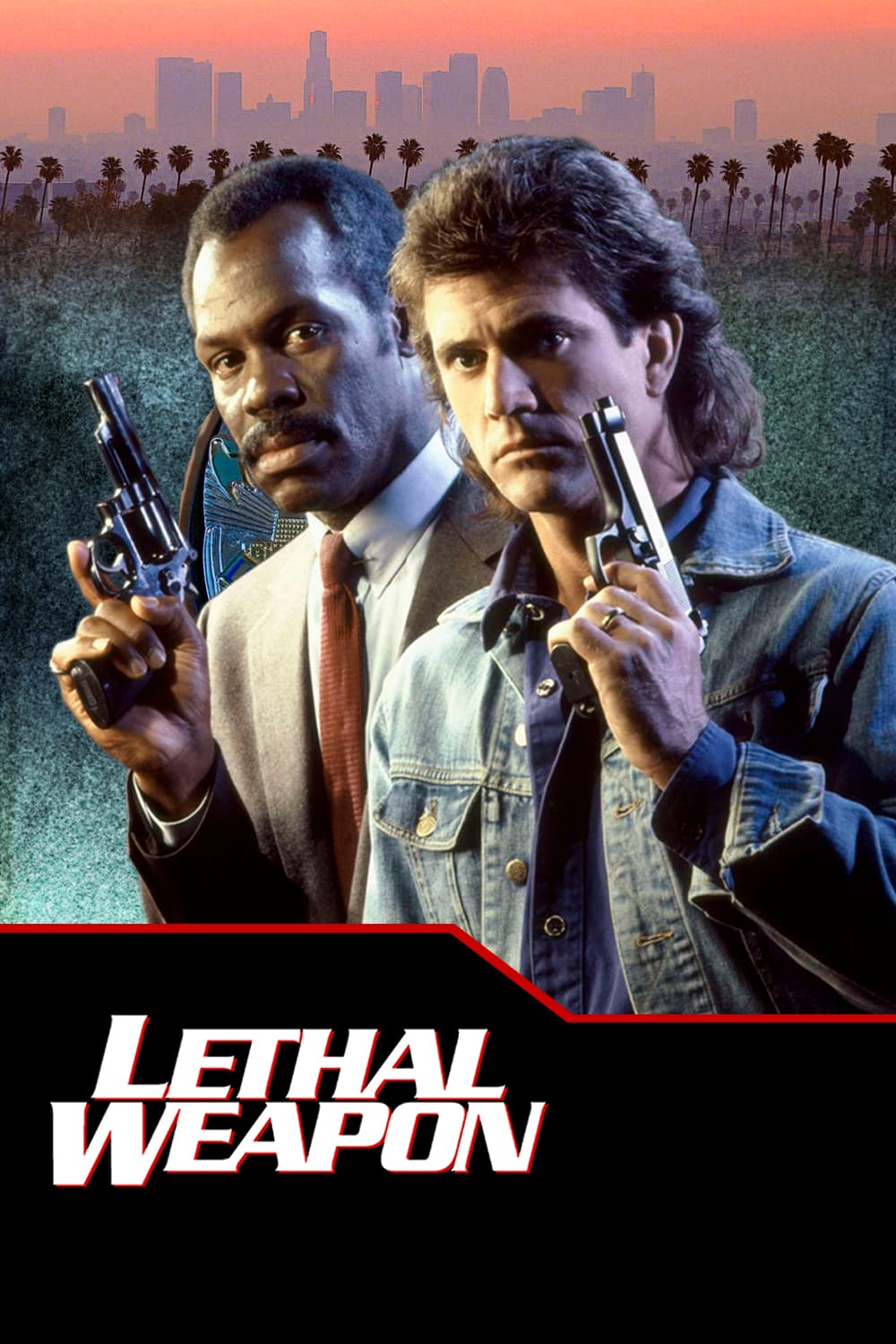
Shane Black sold the script at twenty-three and set the buddy-cop template for two decades: one cop is counting down to his pension, the other is a widower nobody trusts to be careful.

Tarantino took the color-coded aliases straight from this for Reservoir Dogs: four men hijack a subway car under Manhattan and Walter Matthau negotiates with them by radio, entirely deadpan.