
The Garden of Earthly Delights
1505 · El Prado, Madrid
Three panels run from Eden to hell, with a whole naked humanity climbing into giant fruit in between. Nobody has settled what it means.
★ 10.0
 skopia
Three panels run from Eden to hell, with a whole naked humanity climbing into giant fruit in between. Nobody has settled what it means.
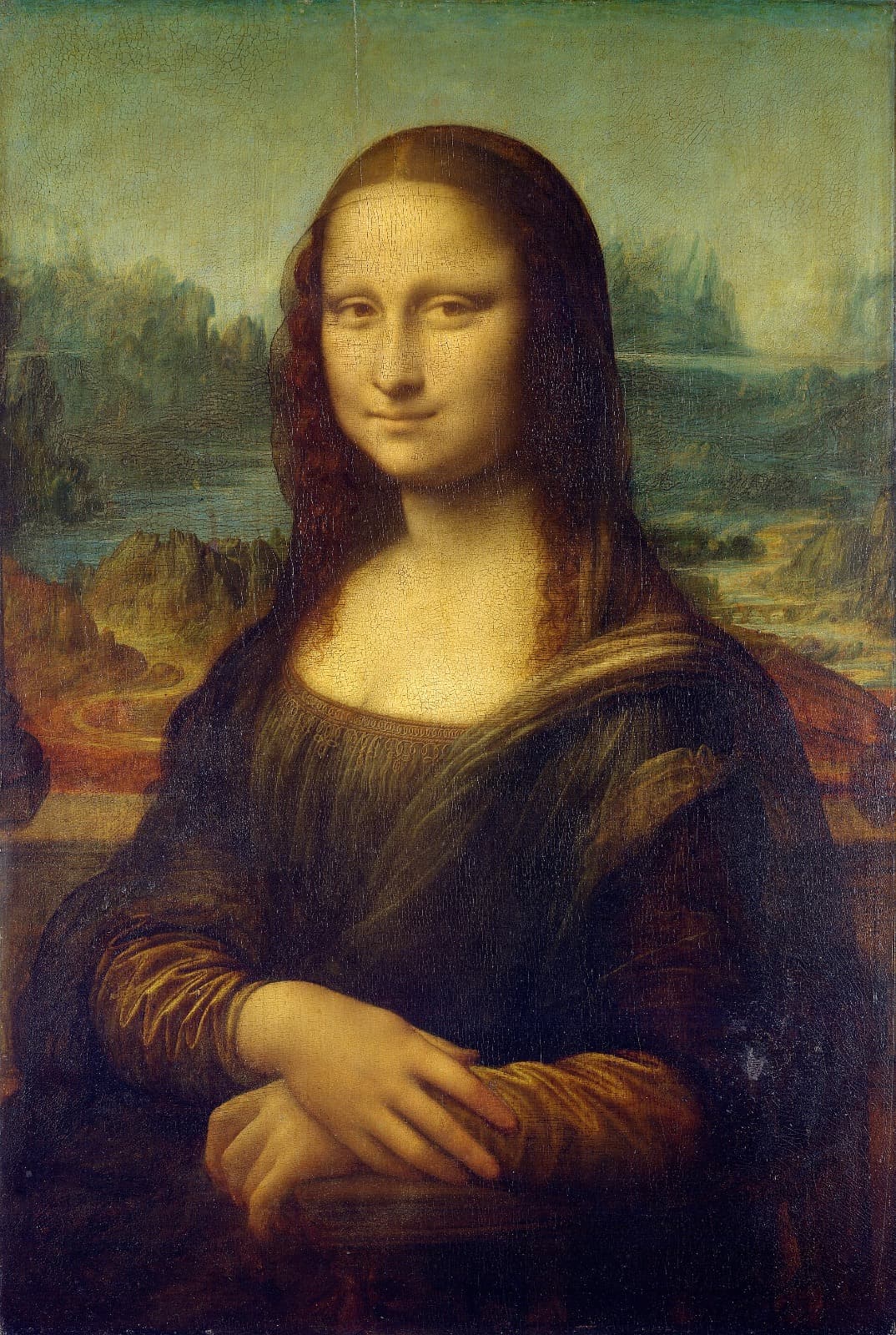
She was probably Lisa Gherardini, a merchant's wife, and Leonardo kept reworking her for years and never handed the portrait over.
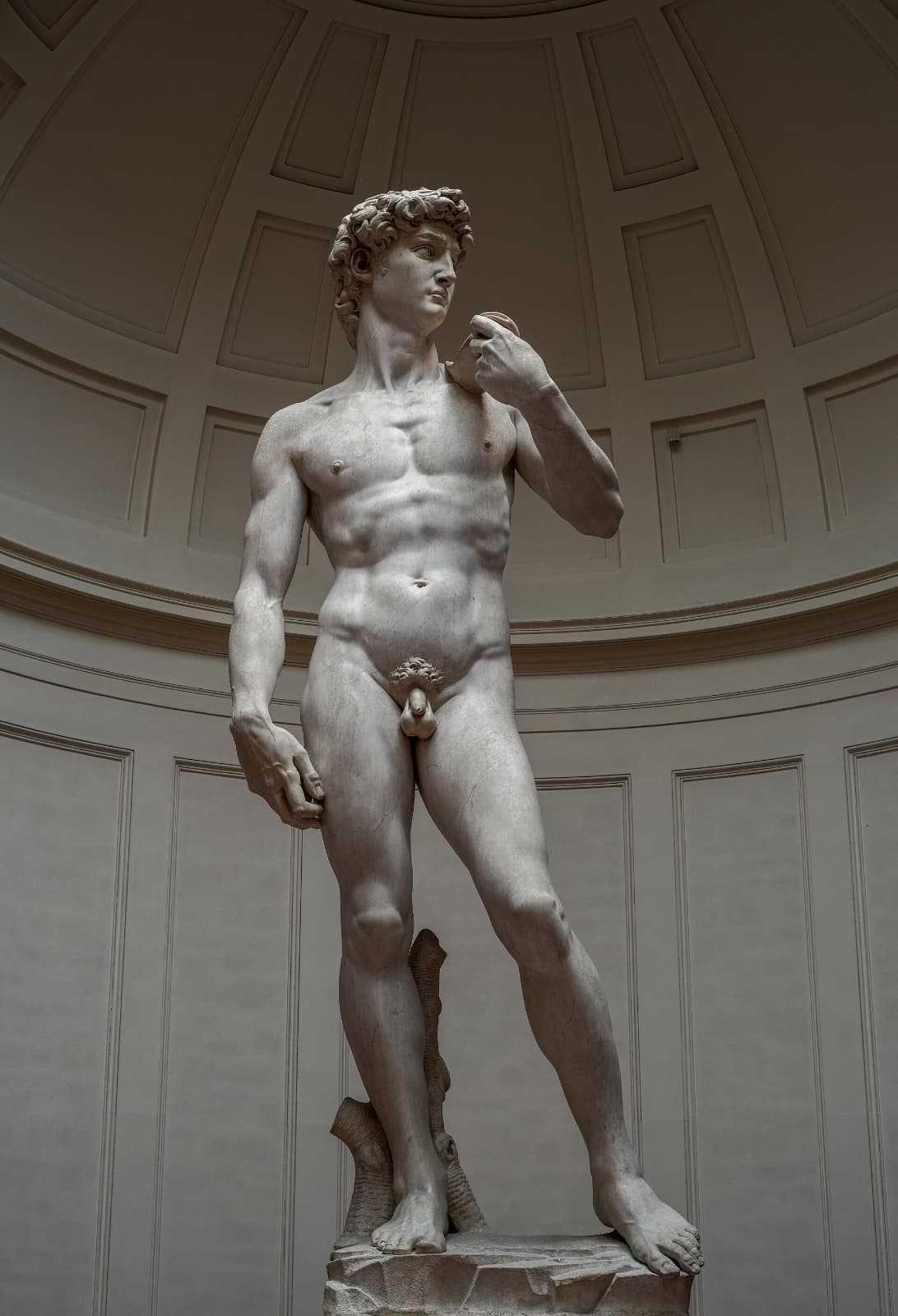
The marble block had been abandoned as flawed before Michelangelo took it, and he carved a boy who is watching Goliath, not beating him.
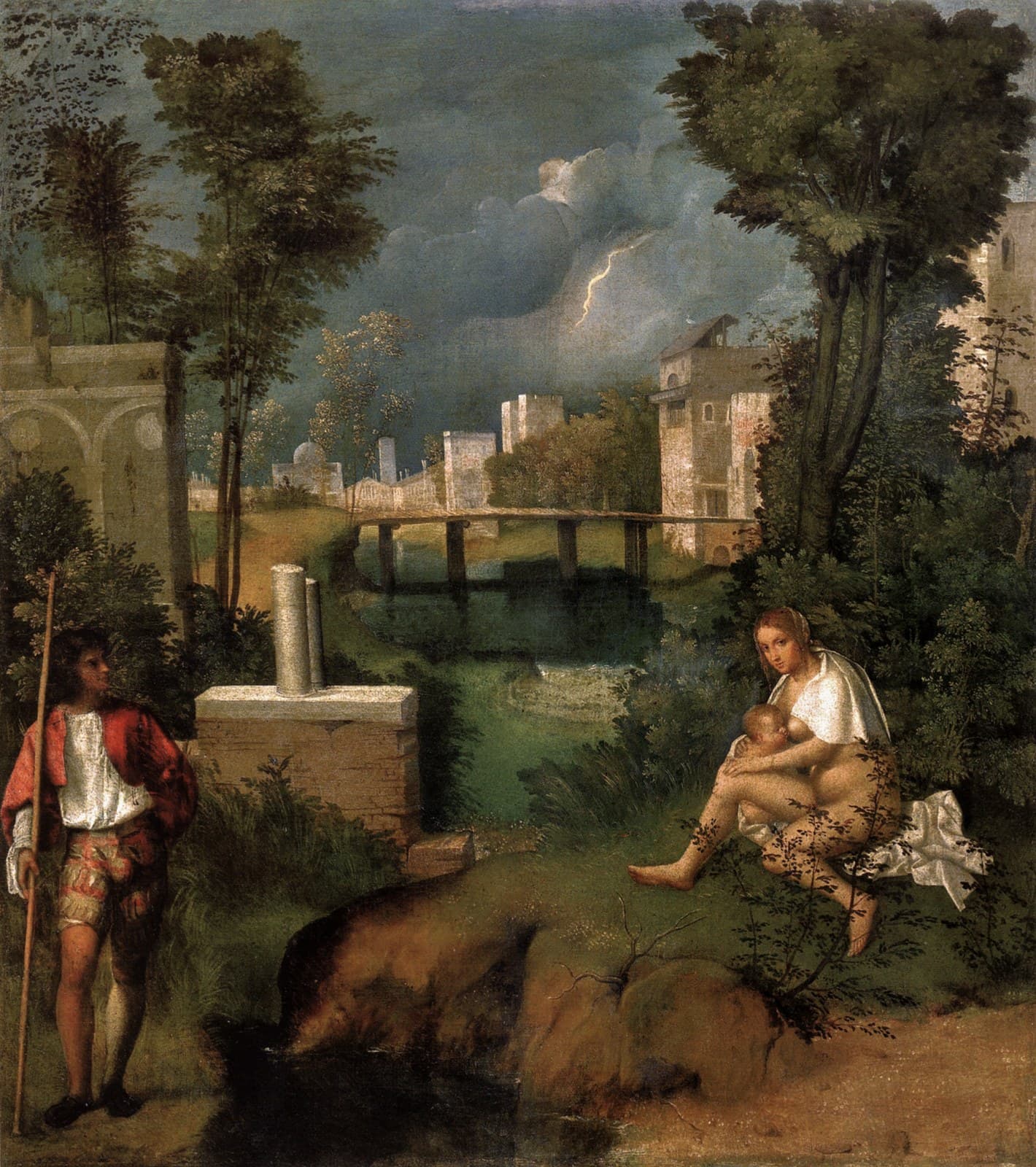
A soldier, a nursing woman, and lightning over the town beyond. Nobody has explained what connects them, and Giorgione died young leaving few certain works.
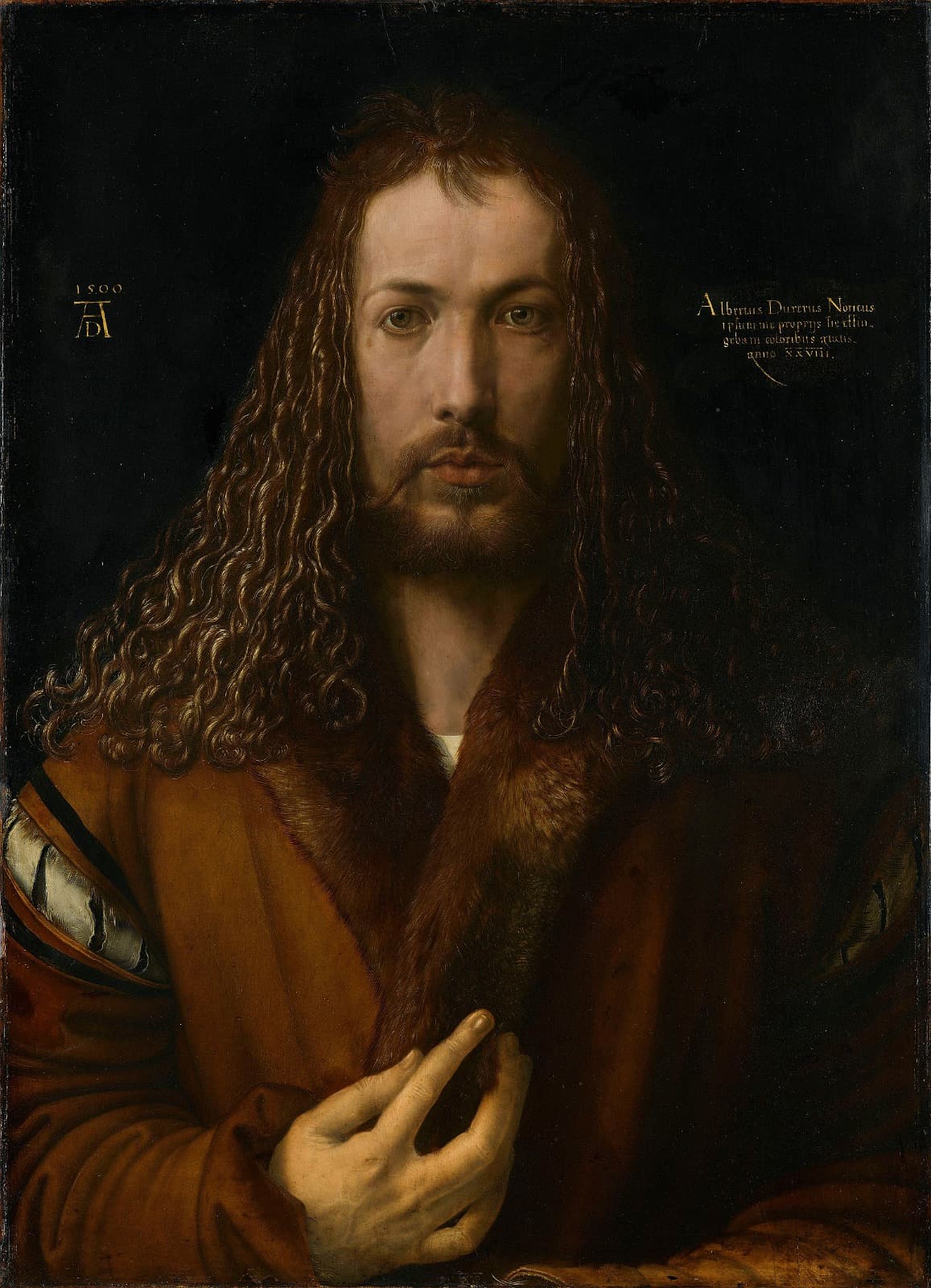
Dürer faced himself head-on in a pose reserved for images of Christ, and wrote across the panel that he had painted it at twenty-eight.

Bellini painted the brocade thread by thread and turned the official portrait from a profile on a coin into a man met face to face.
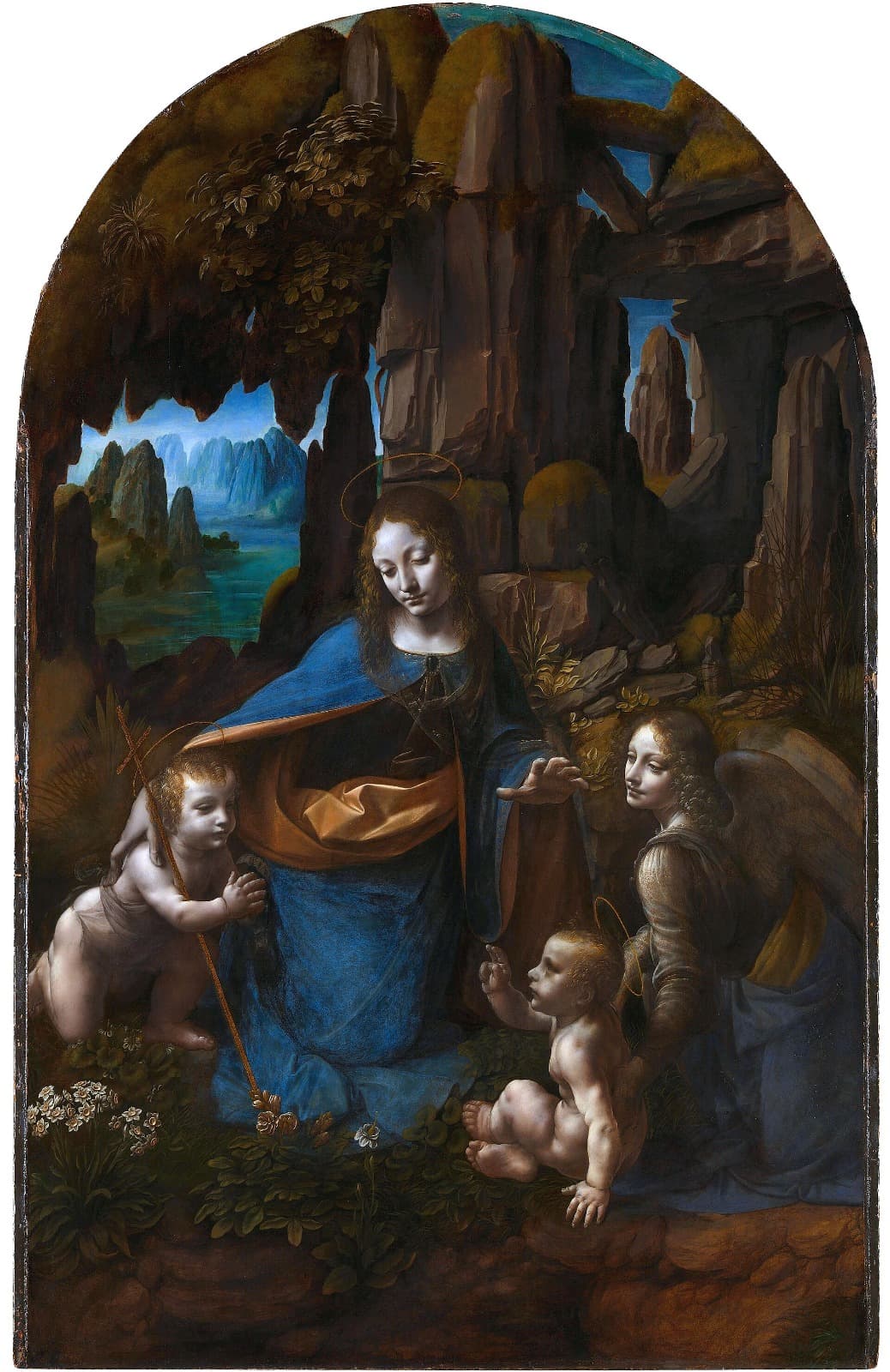
The second version, painted to settle a long quarrel with the confraternity. Everyone now has a halo and the angel has stopped pointing.
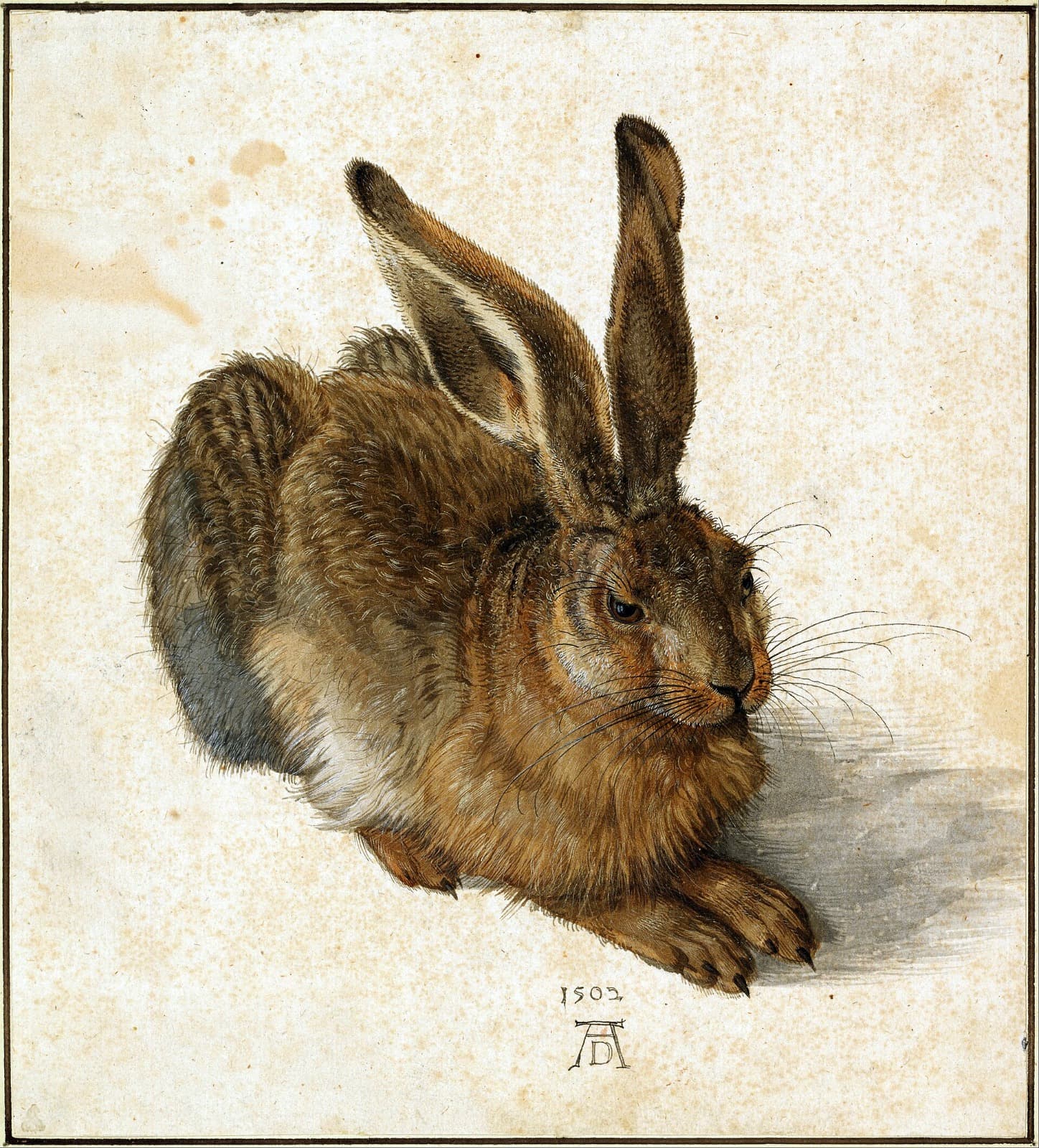
Every whisker set down separately, and in the dark eye a studio window is reflected. Dürer signed an animal study as a finished work.

Flying fish, reading toads and a burning village, and in the middle of it Anthony kneels and blesses a small Christ, entirely undistracted.

Cat, mouse, rabbit, ox and elk stand for the temperaments held in balance, and the cat is about to pounce.
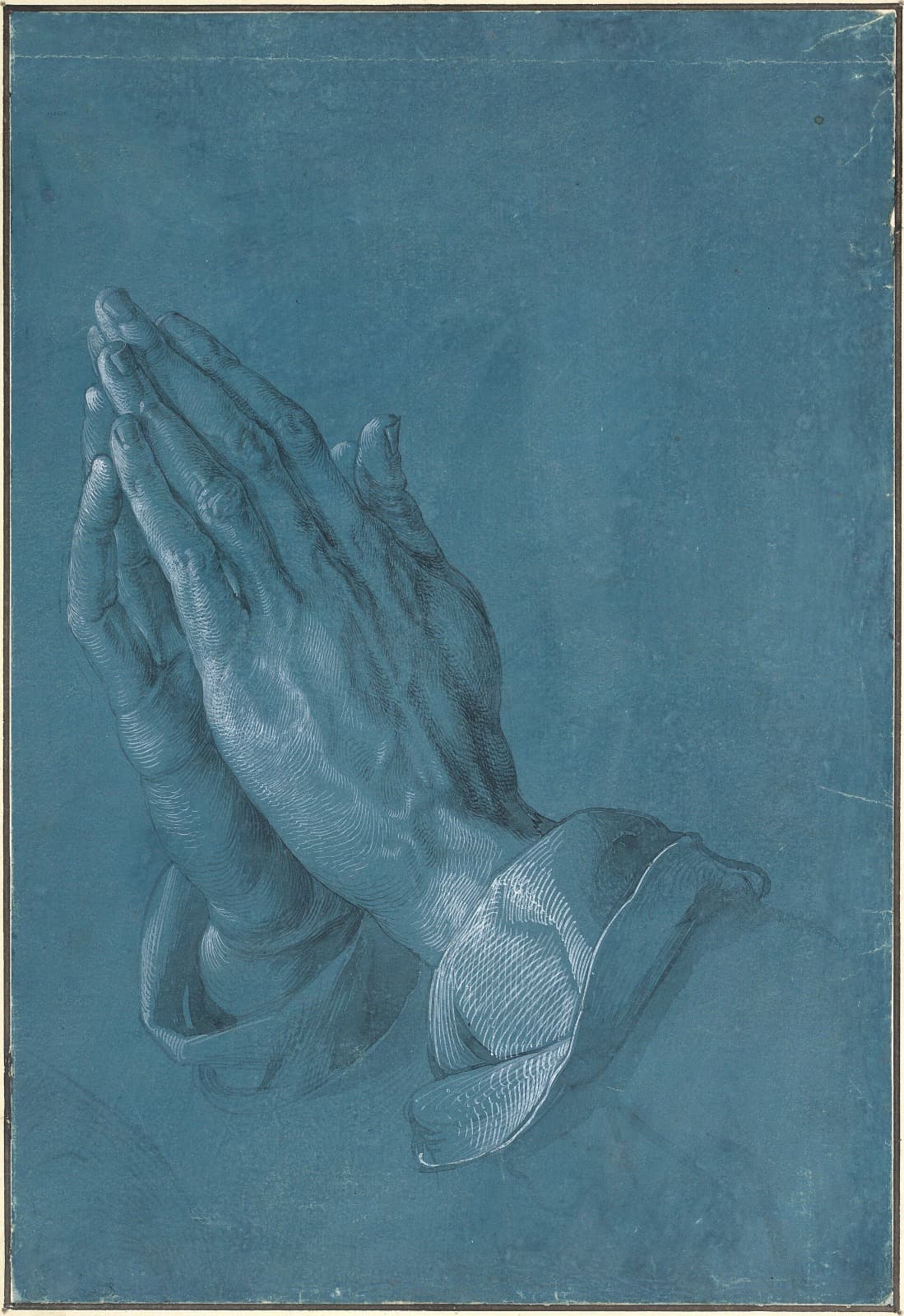
A study for an altarpiece that later burned, so the drawing has outlived the painting it was made to serve.
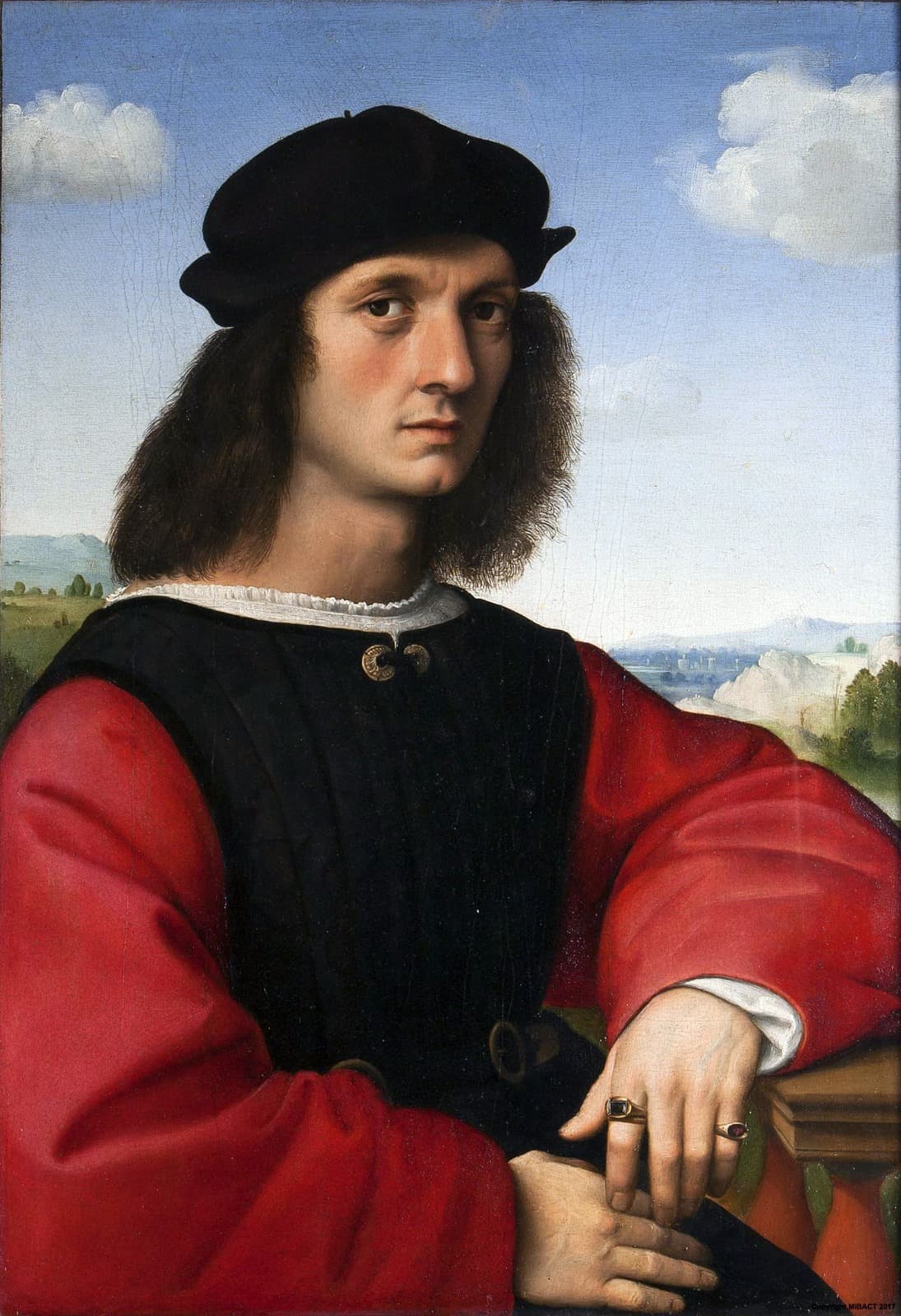
Raphael had just arrived in Florence and studied the Mona Lisa hard, then did the same pose in clear light instead of smoke.

Dürer painted it in Venice to prove a German could beat the Venetians at color, and wrote on it that it took five months.

Her face is finished and breathing while the hair around it stays loose scribble, and nobody knows whether Leonardo considered it done.
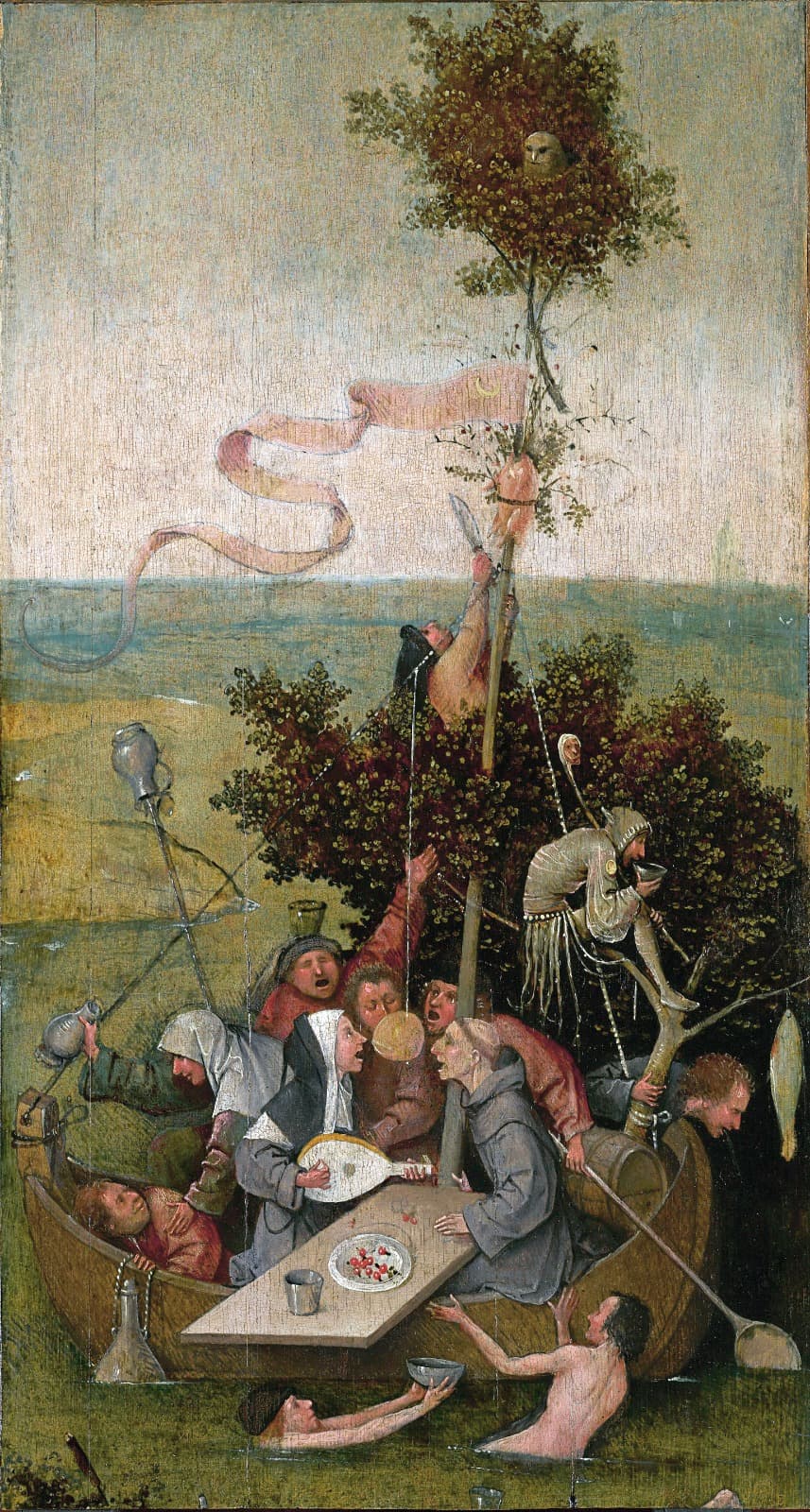
A monk and a nun bawl a song over a lute while somebody vomits over the side. The boat has no rudder, which is the point.

Blindfolded and beaten while pipers play to make a show of it. Everything Italy was perfecting at that moment, Grünewald wanted none of.

Death comes through the door while an angel points to the crucifix and a demon offers one more bag of gold. The man has not chosen.

Bare priming still shows where the Virgin was meant to sit. Michelangelo probably set it aside to go back to Florence and carve the David.

The Child sits astride a lamb, which is the sacrifice, and Raphael took the interlocking group straight out of Leonardo.

The lyrical Bosch, all calm light and wide landscape, except for the small insect-demon with a human face tending a fire in the corner.

A man rides a wine barrel while swimmers chase a floating pie. It was sawn off the bottom of the Ship of Fools.
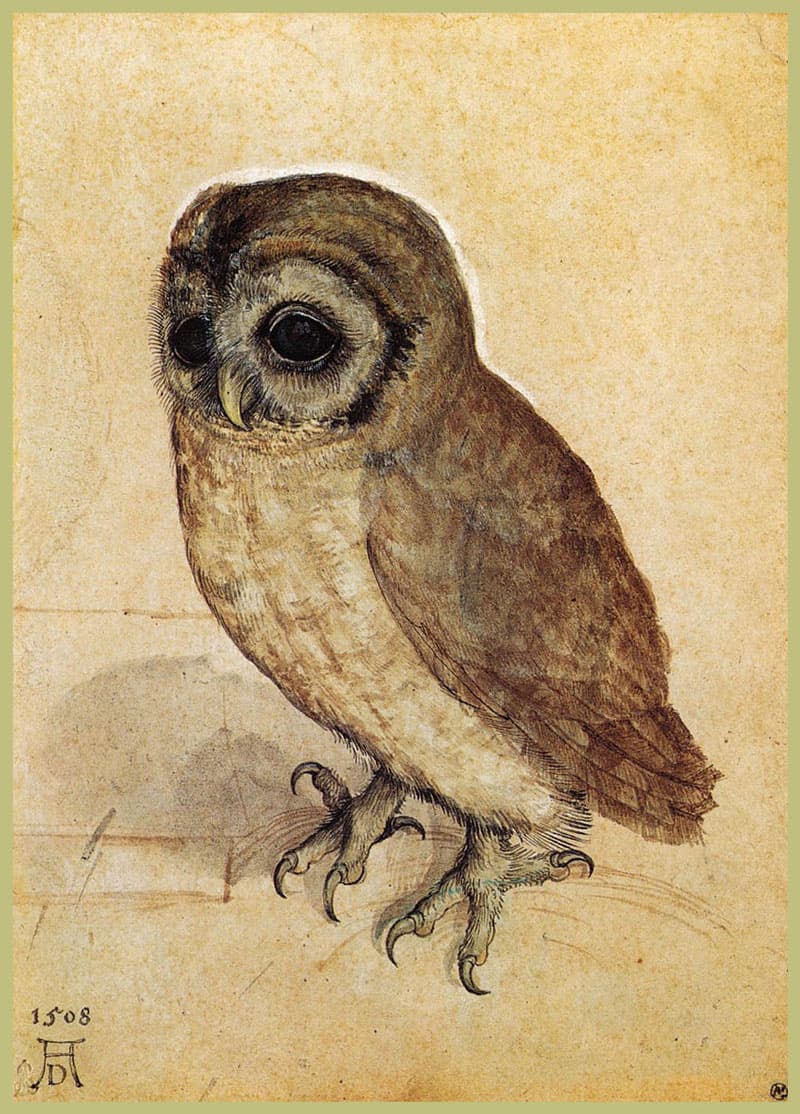
Owls carried centuries of symbolism in the north, but Dürer's is mostly just an owl, looking back at you with its talons over a ledge.

Thousands are clubbed and thrown off cliffs, and Dürer paints himself walking calmly through the middle of it holding a banner with his name.

The tiny kneeling figures in the corners are the Nuremberg family who paid for it, inserted so they could share in the grief.
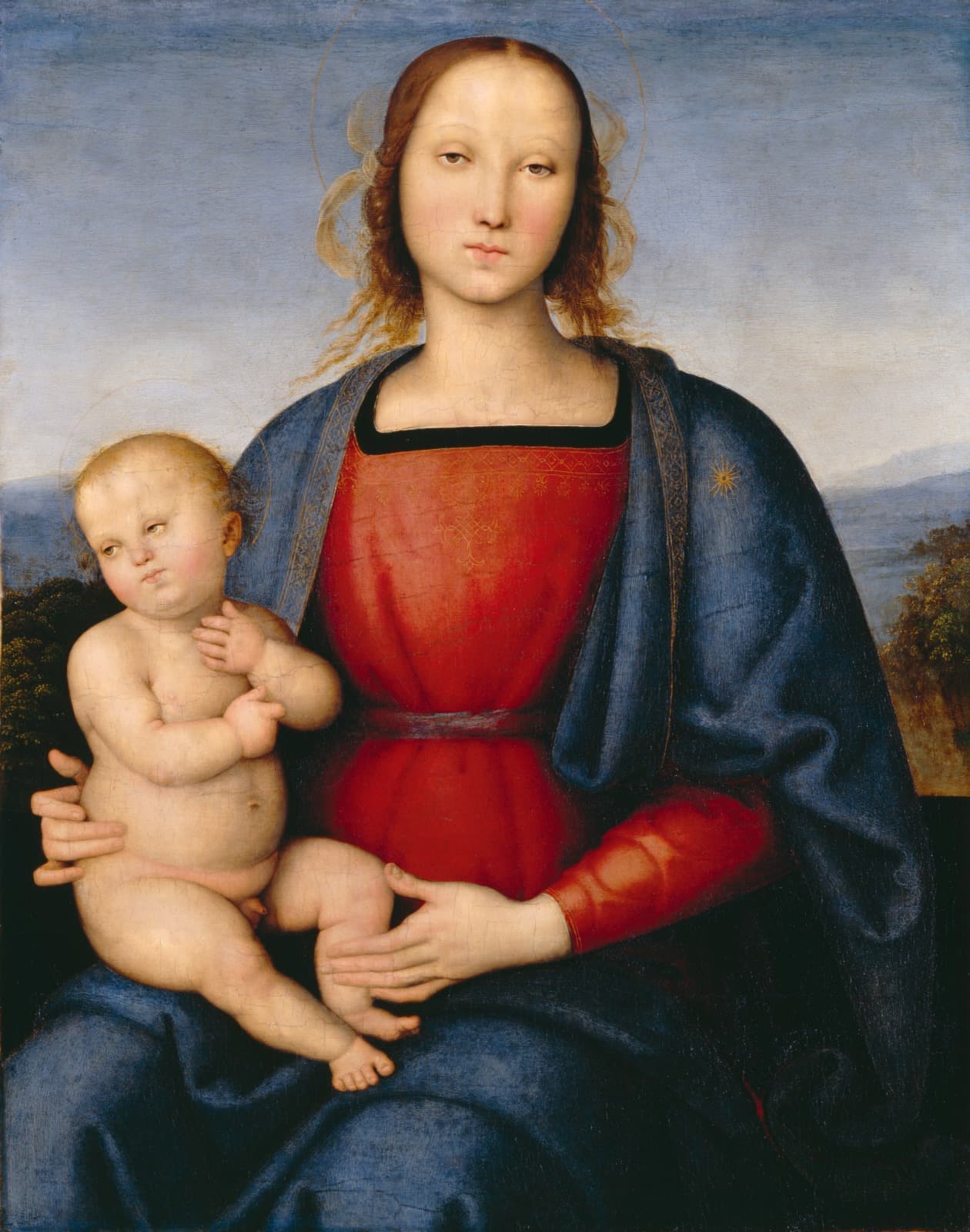
The oval face, the lowered eyes, the Umbrian distance melting into air. Raphael took all of it and then went past it.
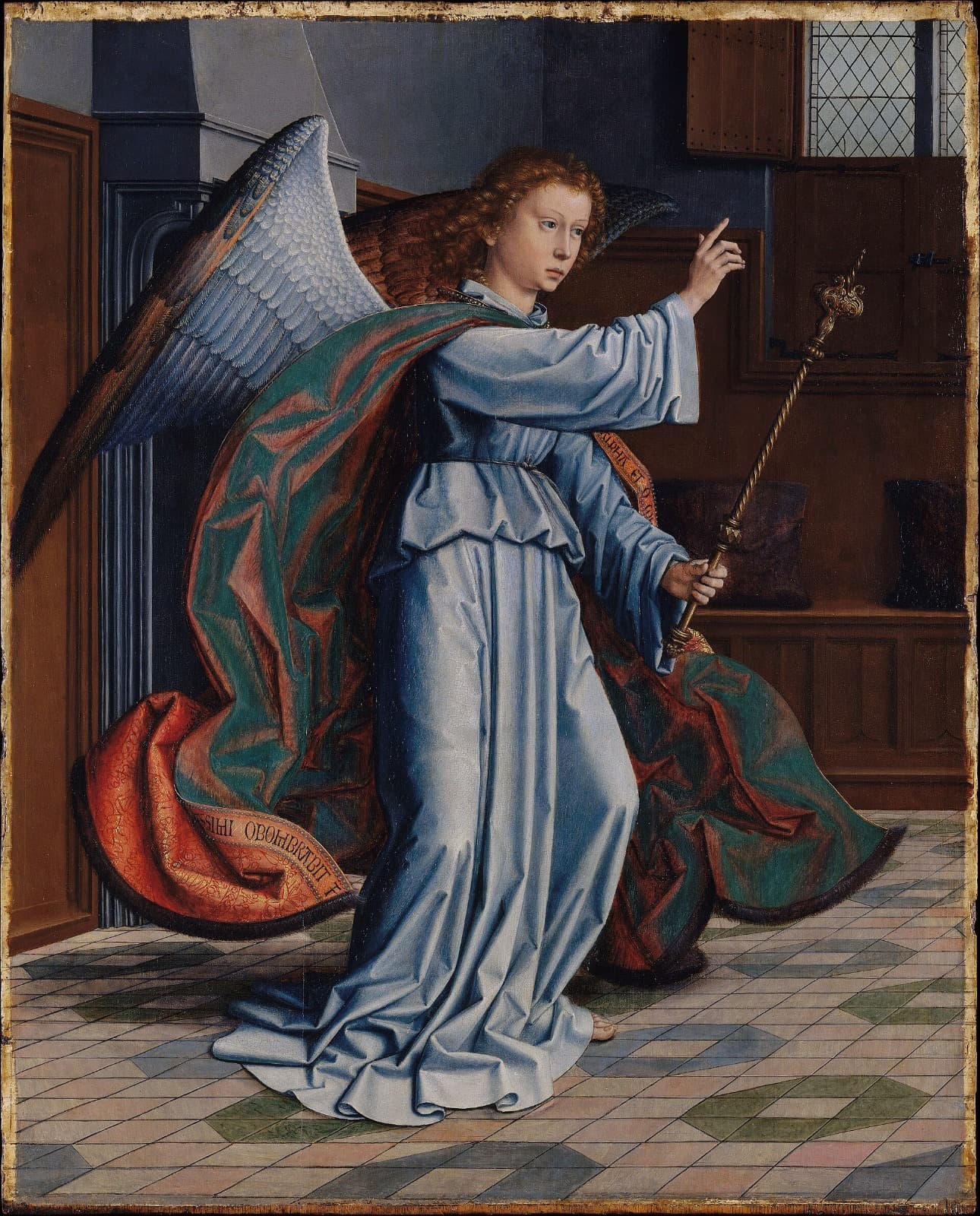
This is only the angel. Mary received the message on a companion panel, and the two now hang together as a pair.
The printer Ottaviano Petrucci issued it in 1502, in the first book of polyphony ever set in movable type. Four voices enter one at a time.