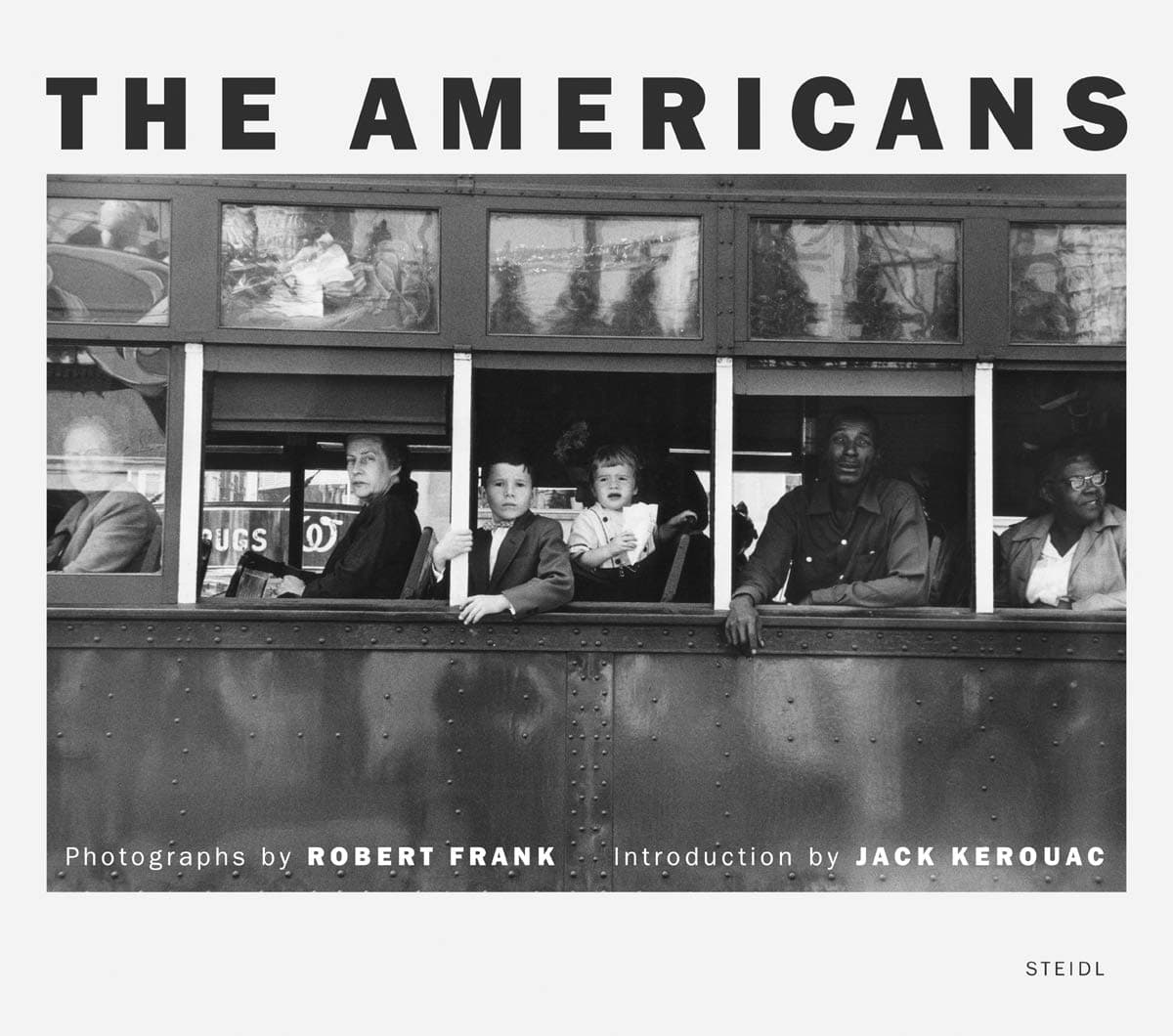
The Americans
1958 · 180 pages
Frank drove ten thousand miles across America in 1955 and 1956, then cut the trip to eighty-three photographs of jukeboxes, funerals, and flags. American photography has not left their shadow since.
★ 7.1
 skopia
Frank drove ten thousand miles across America in 1955 and 1956, then cut the trip to eighty-three photographs of jukeboxes, funerals, and flags. American photography has not left their shadow since.
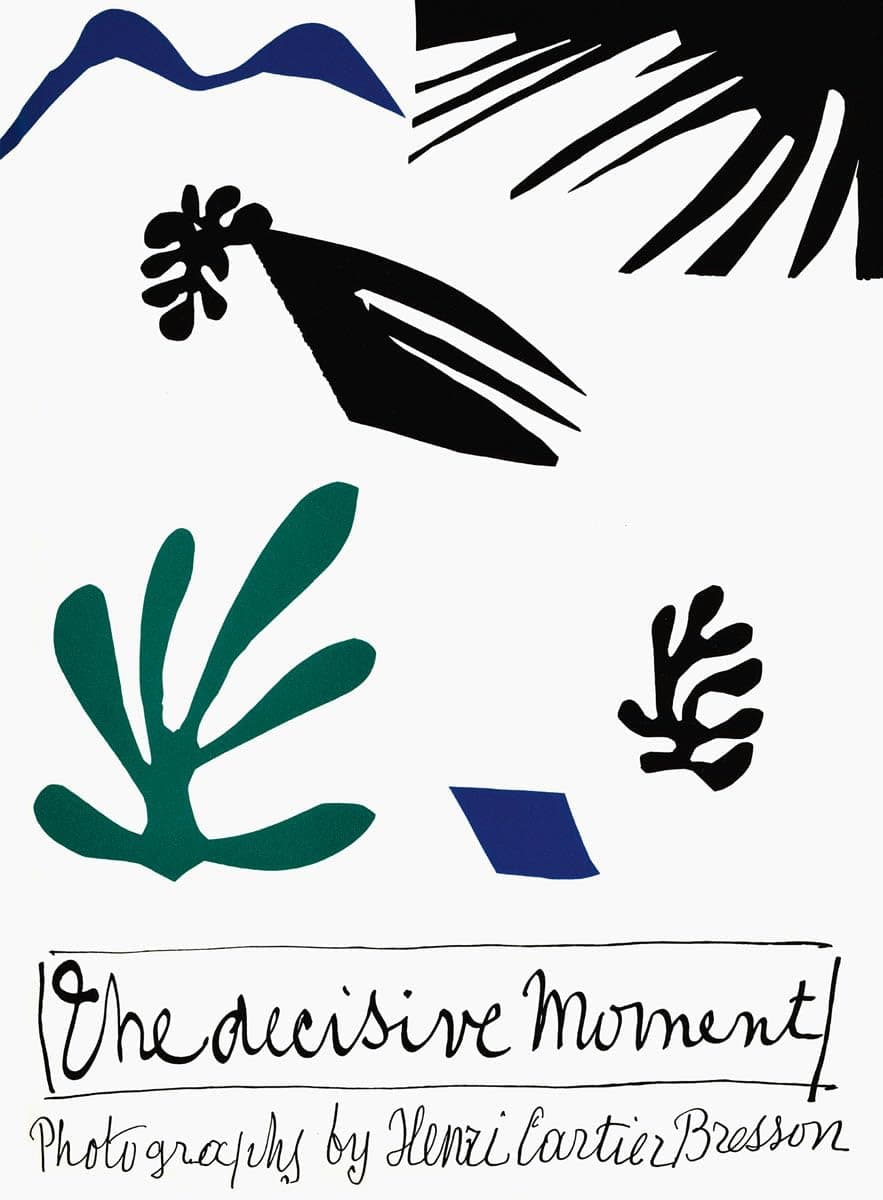
Photography is the simultaneous recognition of an event's significance and of the precise arrangement of forms expressing it, Cartier-Bresson wrote. The 126 pictures that follow taught the century how to look.

Eighty-seven photographs of faces, storefronts, gravestones, and wooden churches, sequenced by Evans into a cold portrait of the United States. Robert Frank and the photographers after him worked from his example.

Eggleston shot a child's tricycle from ground level and suburban Memphis in dye-transfer color. The critic Hilton Kramer called the 1976 exhibition perfectly boring, and color photography has been art ever since.
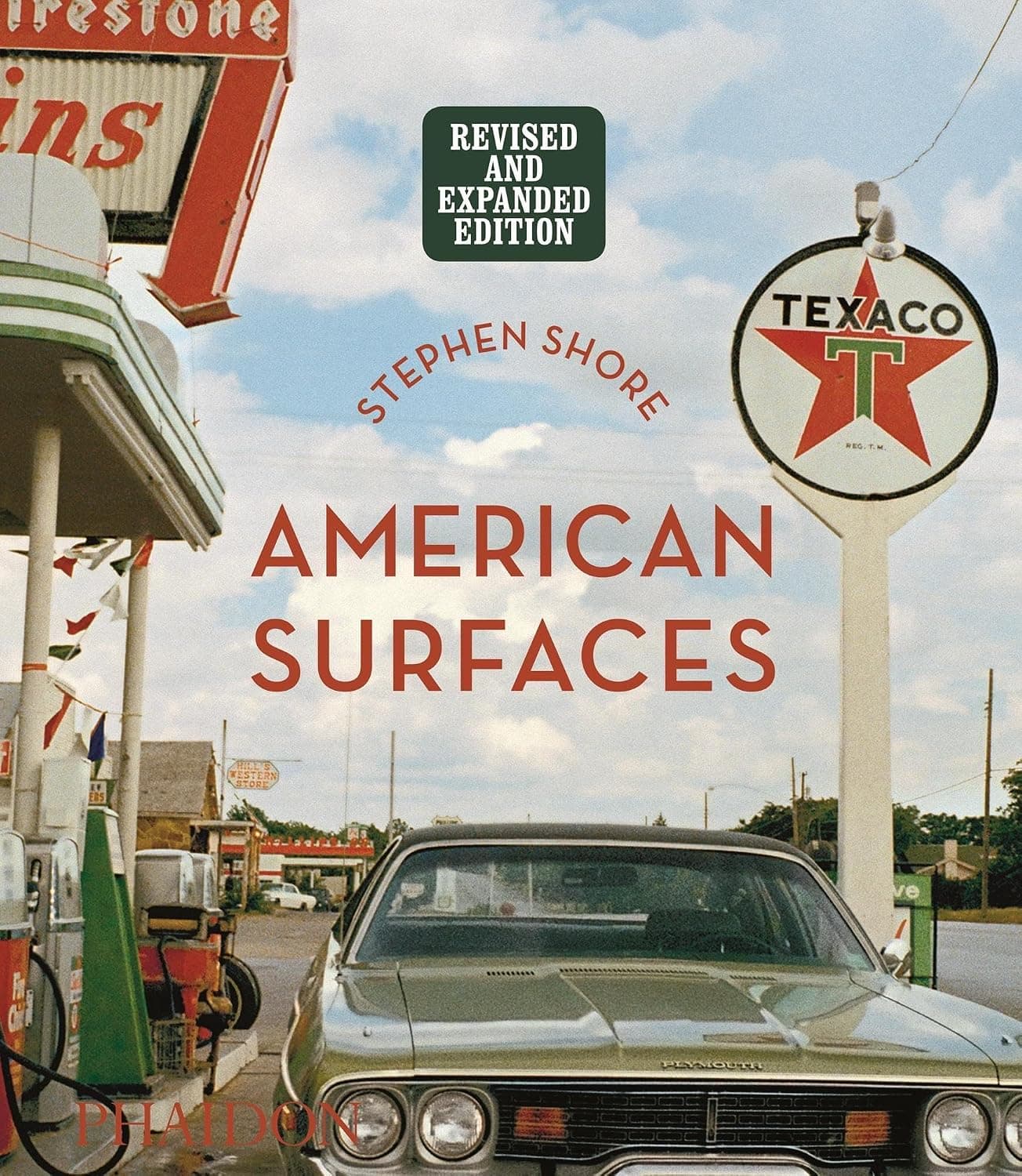
Every meal, every motel bed, every stranger the photographer Stephen Shore met driving America in 1972, printed cheap at a drugstore. He made the throwaway snapshot into how America gets pictured.

Forty photographs, and Adams tells how each was made. His meter lost in New Mexico, he computed the exposure from the moon's known brightness and got one negative before the light went.
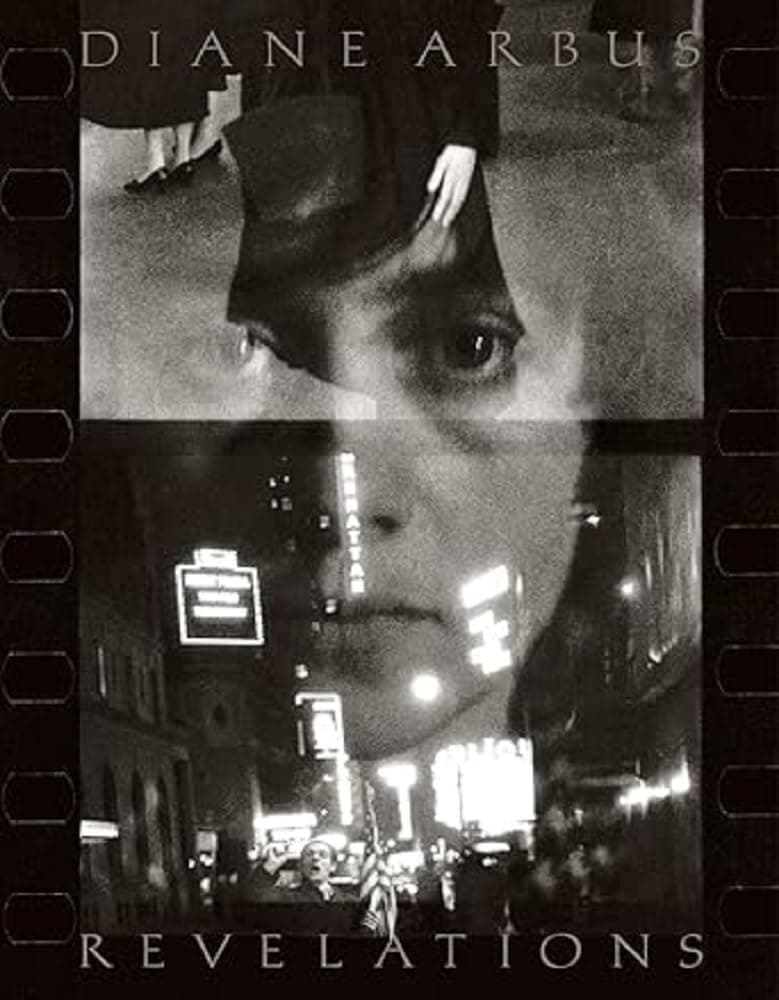
Arbus met twins, giants, nudists and Westchester couples with the same level stare. Here are the prints with her notebooks and letters, and the argument American photography has never settled about her.
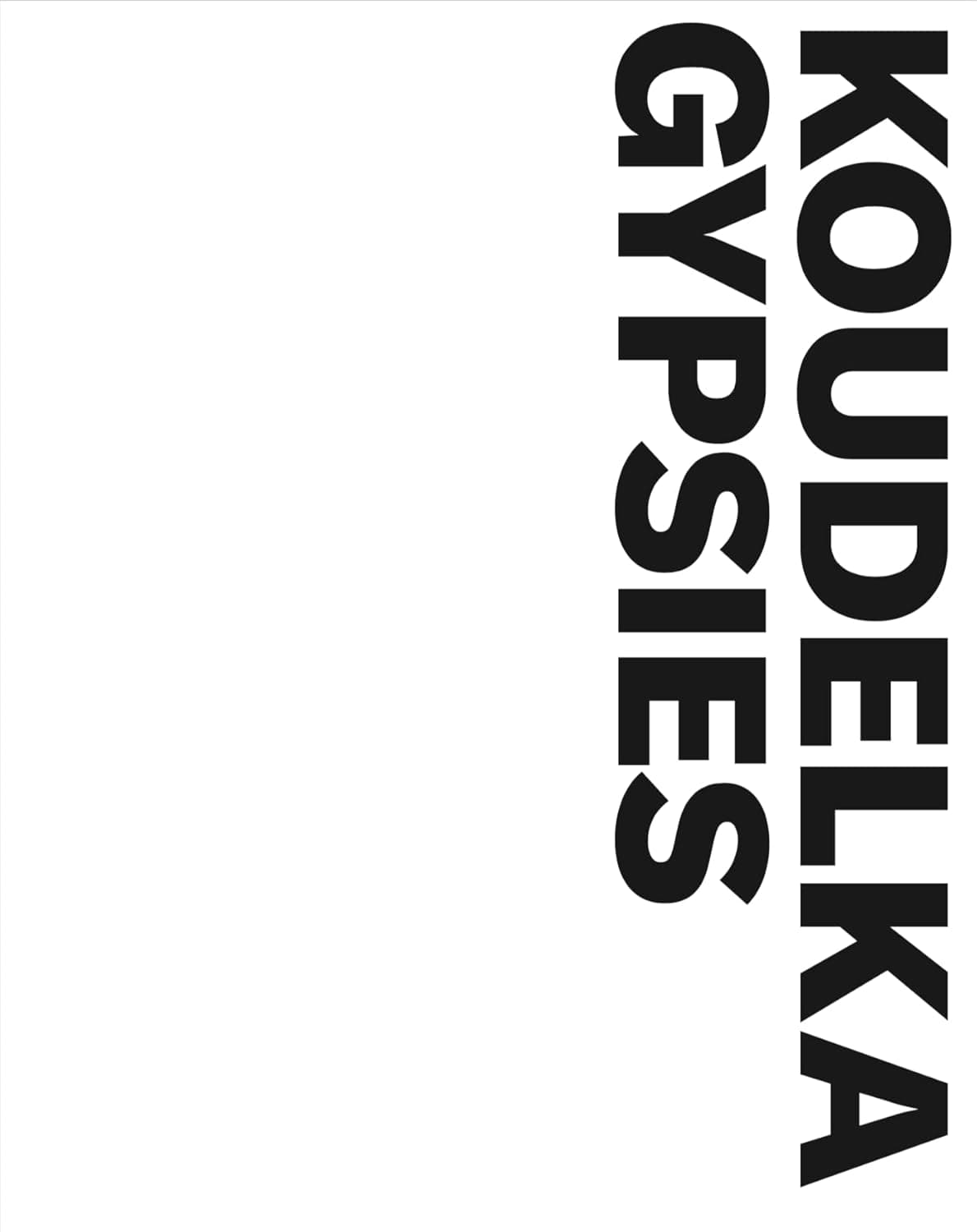
For a decade the Czech photographer Josef Koudelka lived among Roma families in Slovakia, waiting for his subjects to present themselves. The portraits are grave, formal, and free of pity.

Avedon spent five years photographing drifters, miners, waitresses, and slaughterhouse workers against plain white paper. Printed larger than life, the faces leave nothing to hide behind and no cowboy myth standing.

Fifty thousand men climb out of a Brazilian gold pit on wooden ladders, caked in mud. Salgado spent six years across twenty-six countries photographing manual labor as the machines took it away.

Sister Mary Bradley, a grandmother Hughes invented, tells death to wait because her feet are caught in the sweet flypaper of life, then walks you through DeCarava's photographs of her Harlem block.

Serious photography meant black and white when Singh shot India in color, insisting a country this saturated demanded it. He packs pilgrims, monsoon light, and painted walls into frames borrowed from Indian painting.

A Los Angeles magazine asked architects how postwar America should live, and Eames, Koenig, and Neutra answered in steel and glass on hillsides. Julius Shulman's photographs sold California modernism to the world.
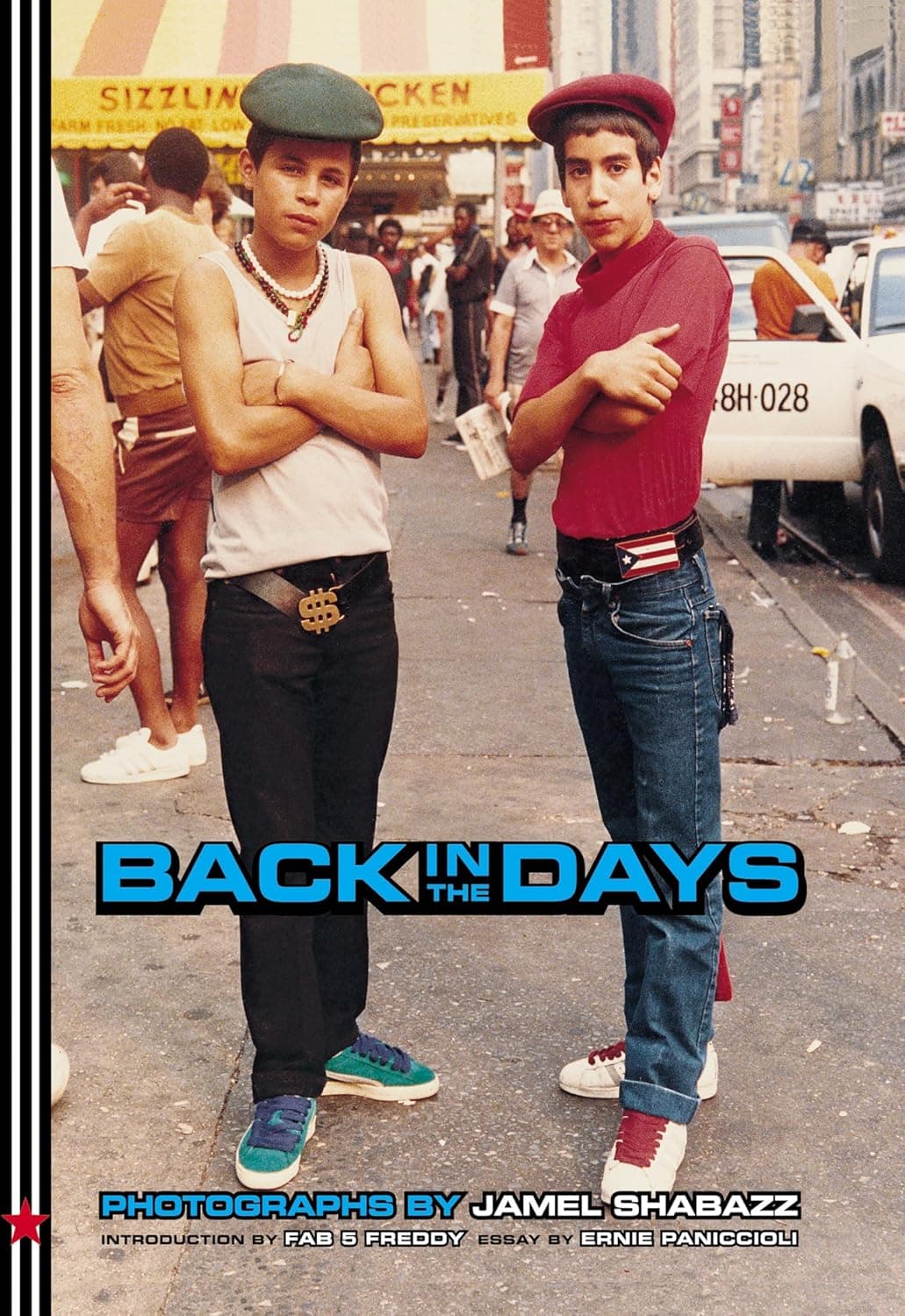
Between 1980 and 1989, Shabazz stopped young New Yorkers on the street and photographed them in shell-toe Adidas, sheepskin coats, and gold ropes. Everything hip hop later sold the world is already here.

Chin skied from the summit of Everest and hung off El Capitan to film Alex Honnold climbing it without a rope. His photographs come with what it cost to stand there.