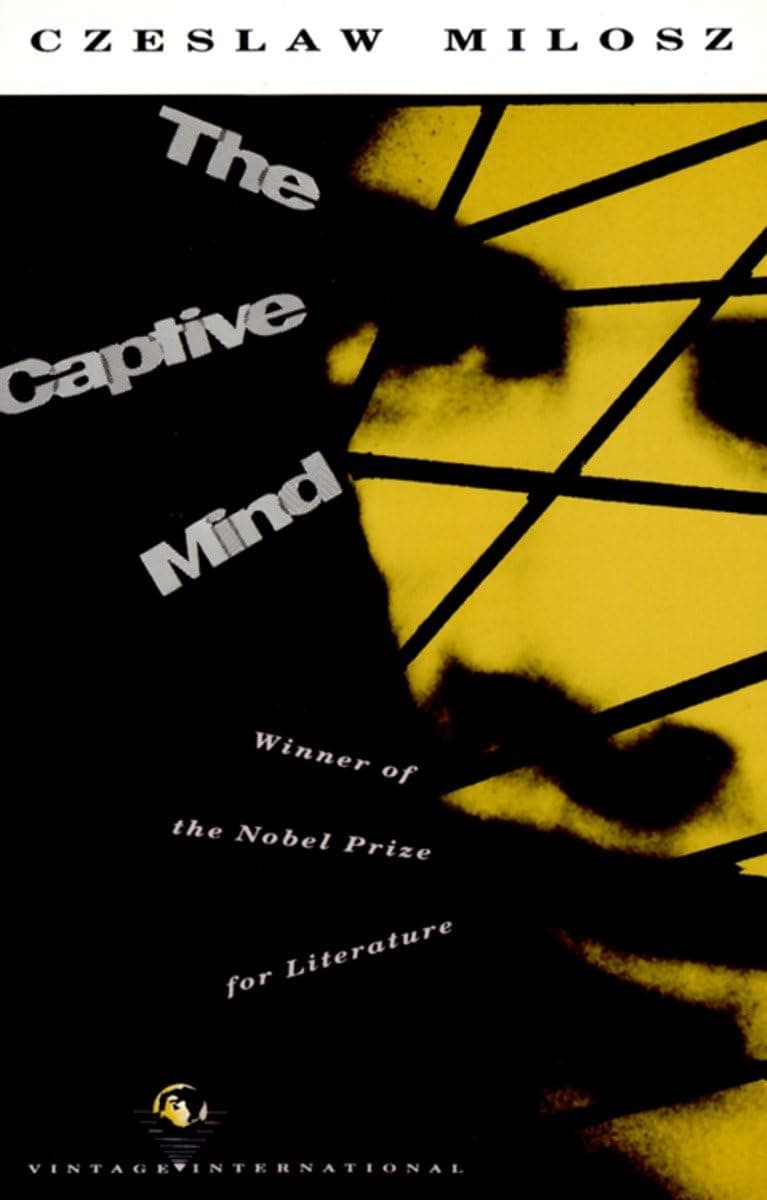
The Captive Mind
1953 · 272 pages
Milosz, a Polish poet who served the new regime and then defected, explains how intelligent people talked themselves into Stalinism. Ketman, he calls it: believing one thing and professing another.
★ 7.0
 skopia
Milosz, a Polish poet who served the new regime and then defected, explains how intelligent people talked themselves into Stalinism. Ketman, he calls it: believing one thing and professing another.

Smith, Malthus, Marx, Veblen and Keynes written as characters, obsessions and bad ideas intact. Nearly four million copies have sold, and generations took their economics from this rather than a textbook.
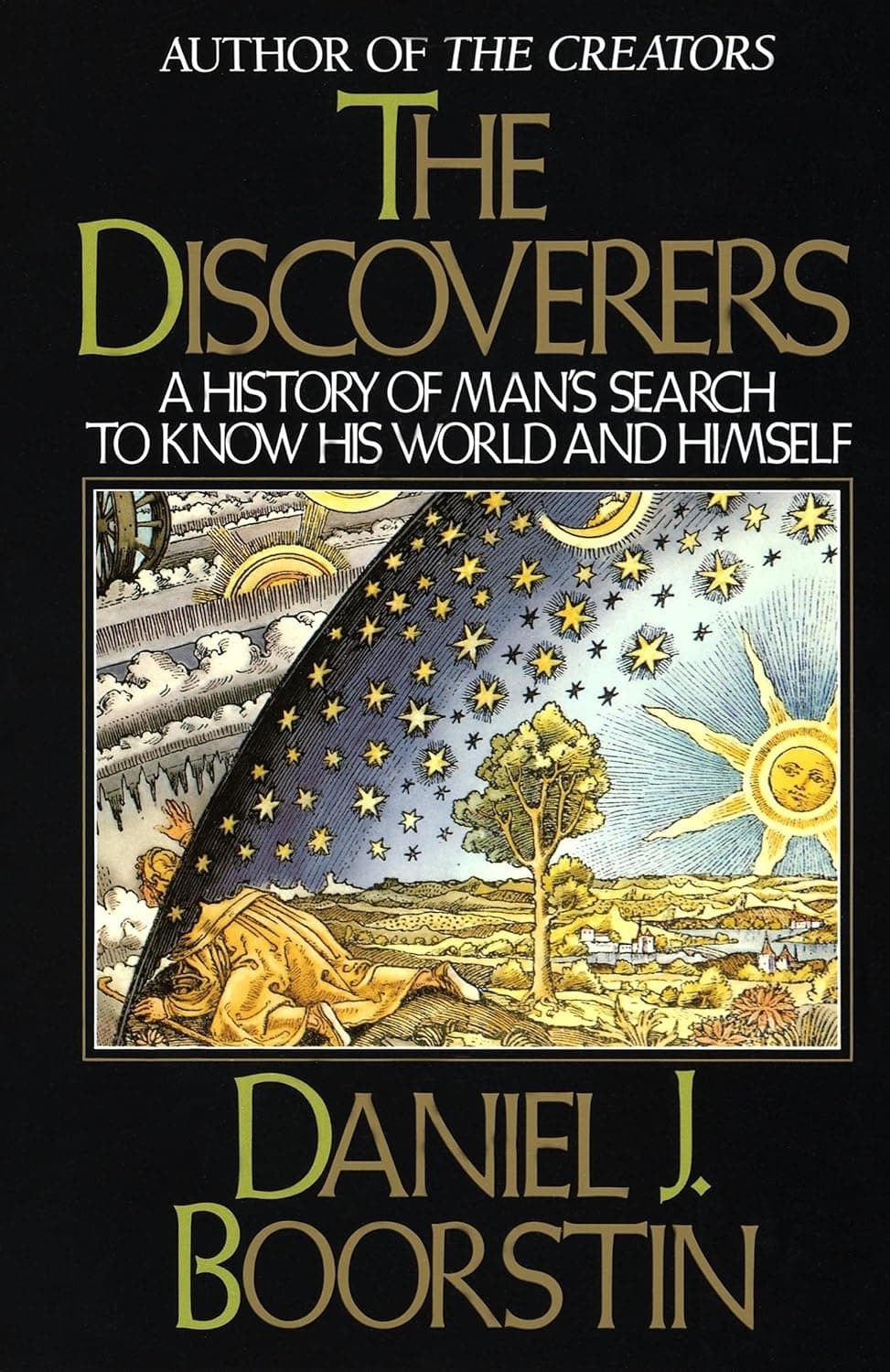
The obstacle to discovery was never ignorance but the illusion of knowledge, Boorstin argues, then walks through the clock, the compass and the microscope as victories over what everyone was certain of.

Hofstadter strips the myths off American statesmen from Jefferson to Franklin Roosevelt and finds one propertied creed underneath. The Emancipation Proclamation, he writes, had all the moral grandeur of a bill of lading.
Bloch's son asked what the use of history was. He answered from hiding: history is the science of men in time, and evidence speaks only when questioned. The Gestapo shot him in 1944.
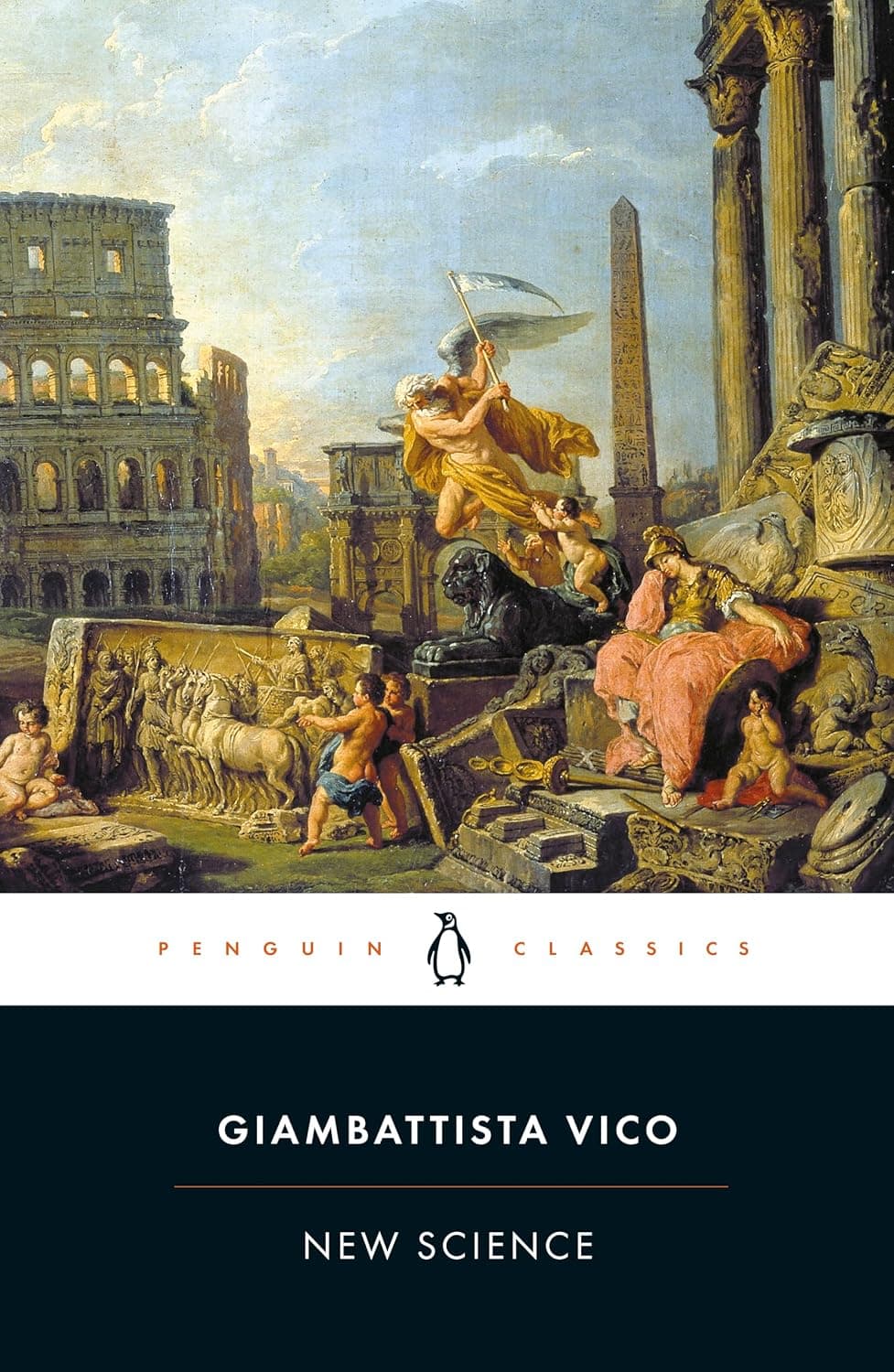
History can be known, Vico argues, because men made it. He reads myth and law as the record of every nation passing through ages of gods, heroes, and men, then collapsing into barbarism.
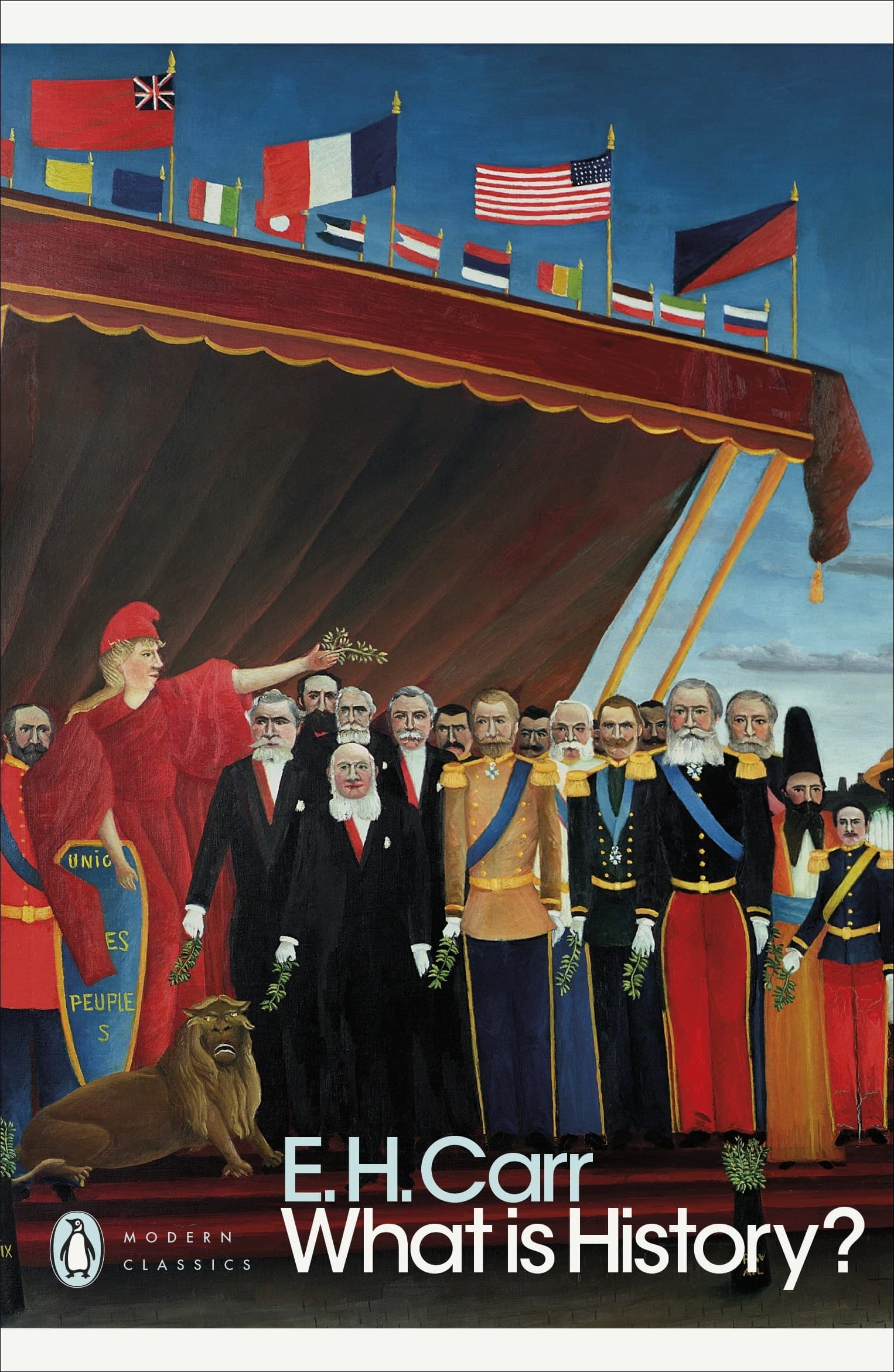
Facts do not speak for themselves, Carr insists. The historian decides which ones get to speak, so study the historian before the evidence. English-speaking historians are still arguing with him.

Marx called religion the opium of the people. Aron answered that Marxism is the opium of intellectuals, then took apart the founding myths of Left, Revolution and Proletariat. Paris shunned him for decades.

Wonder was never innocent, Greenblatt argues. Reading Columbus's landfall and the travel writers around him, he catches the moment when amazement at a new world hardens into a claim to own it.

The finest modern life of a poet. Holmes walks Coleridge's roads and brings him back talking, from "The Ancient Mariner" and Wordsworth's company to the laudanum and the sailing for Malta.