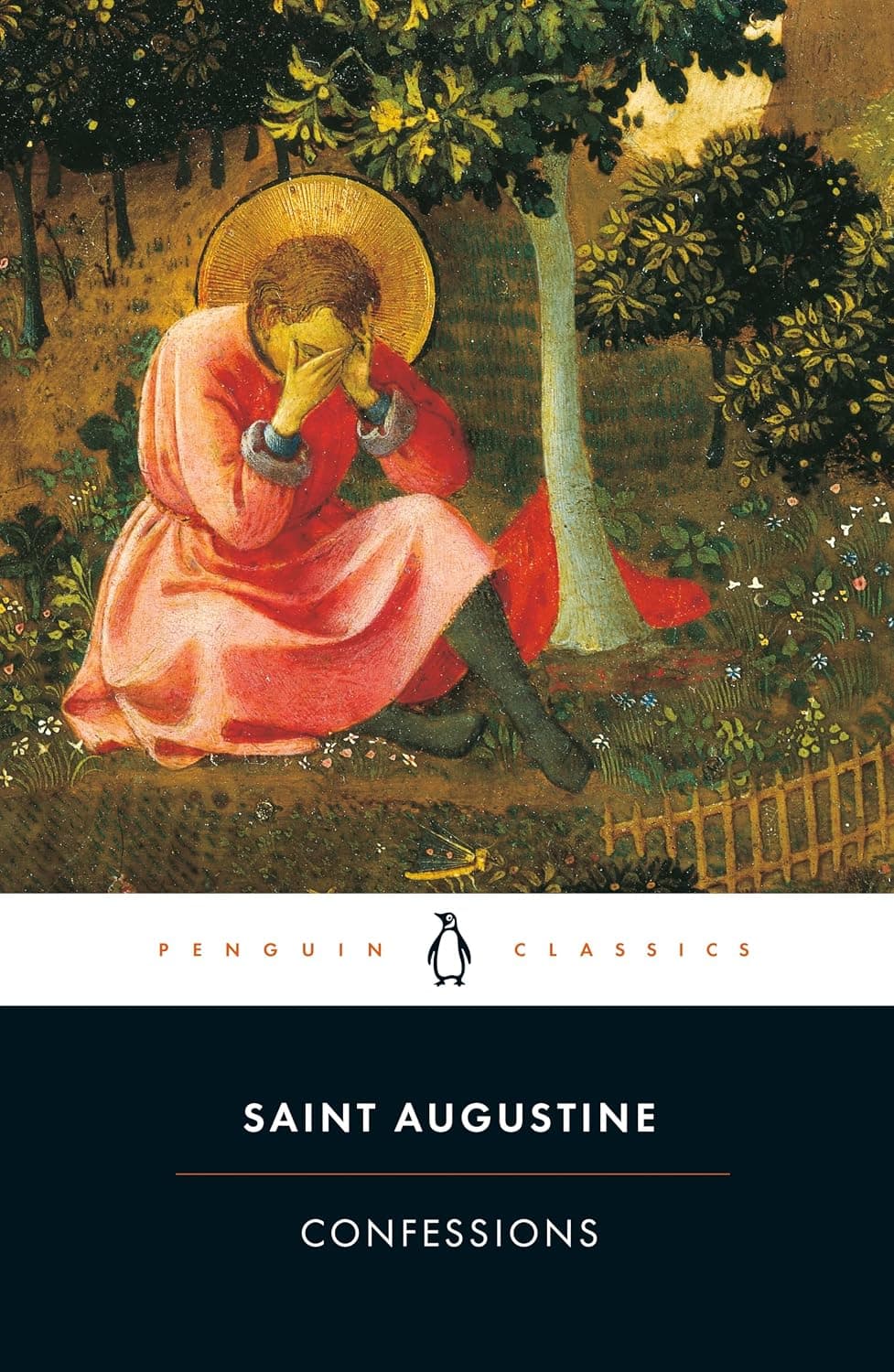
Confessions
398 · 346 pages
Augustine addresses God directly, confessing the stolen pears, the years of lust, and a prayer for chastity but not yet. Sixteen centuries on, his self-examination still cuts deeper than modern memoir.
★ 9.3
 skopia
Augustine addresses God directly, confessing the stolen pears, the years of lust, and a prayer for chastity but not yet. Sixteen centuries on, his self-examination still cuts deeper than modern memoir.

Rome fell to the Goths in 410 and pagans blamed the Christians. Augustine answers by sorting all history into two cities, one built on love of God and one on love of self.
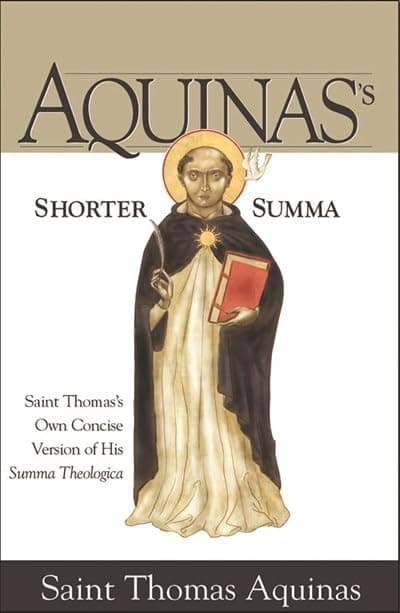
Aquinas asks thousands of questions about God, law, virtue, and sin, and answers each only after stating the strongest case against himself. Catholic thought has been arguing with him for 750 years.

The method that would break an empire took shape over twenty years in South Africa, and Gandhi sets it down beside his vows, his diets, and his failures, with disarming candor.
Writing from a hut ten feet square, a Kyoto recluse recalls the fire, whirlwind, famine, and earthquake that destroyed the capital, and concludes that nothing built by people is meant to stay.
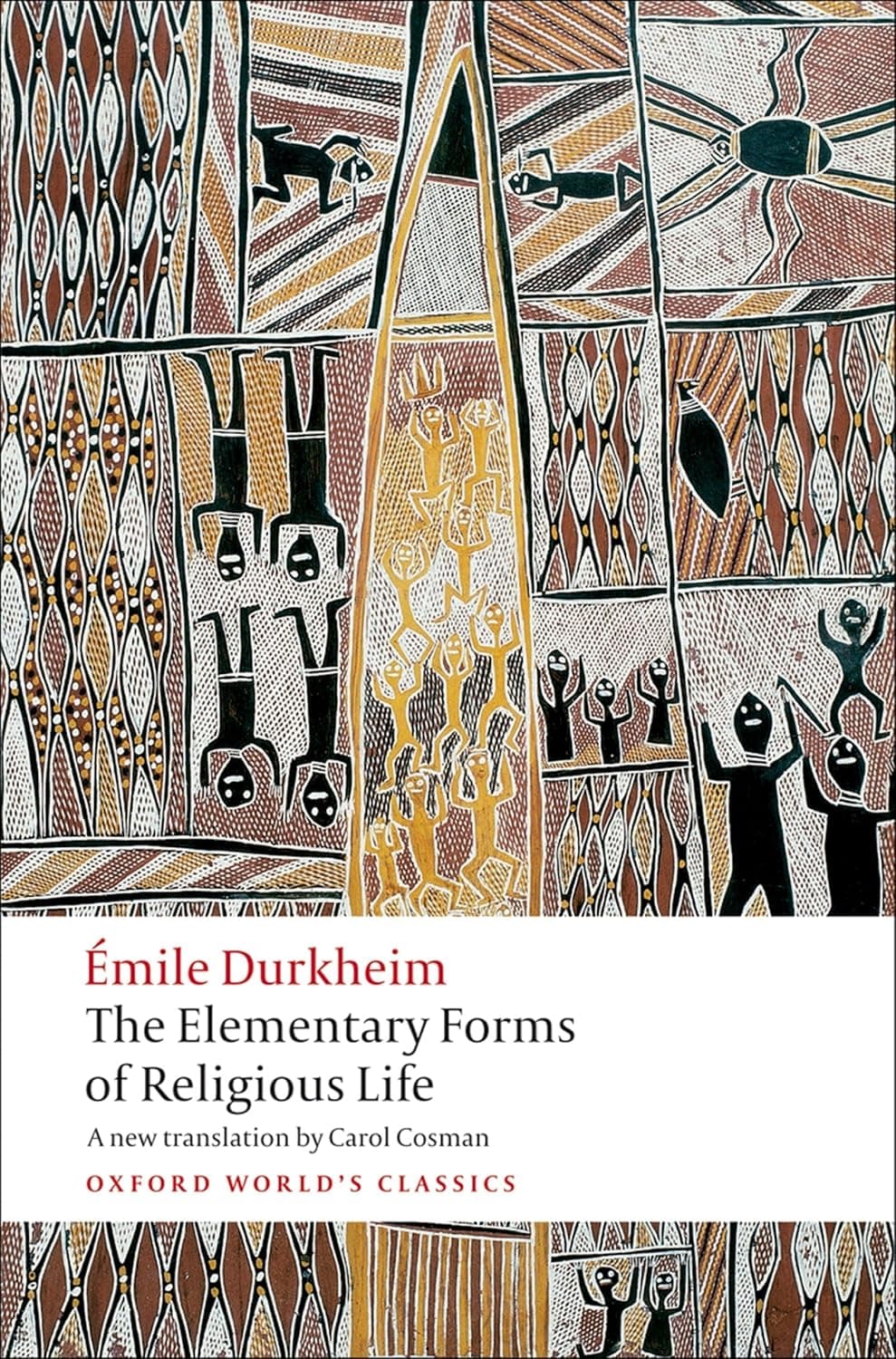
Religion is society worshiping itself. Durkheim builds the case from Australian Aboriginal totemism: a clan gathers, works itself into collective frenzy, feels a force greater than any member, and calls it a god.
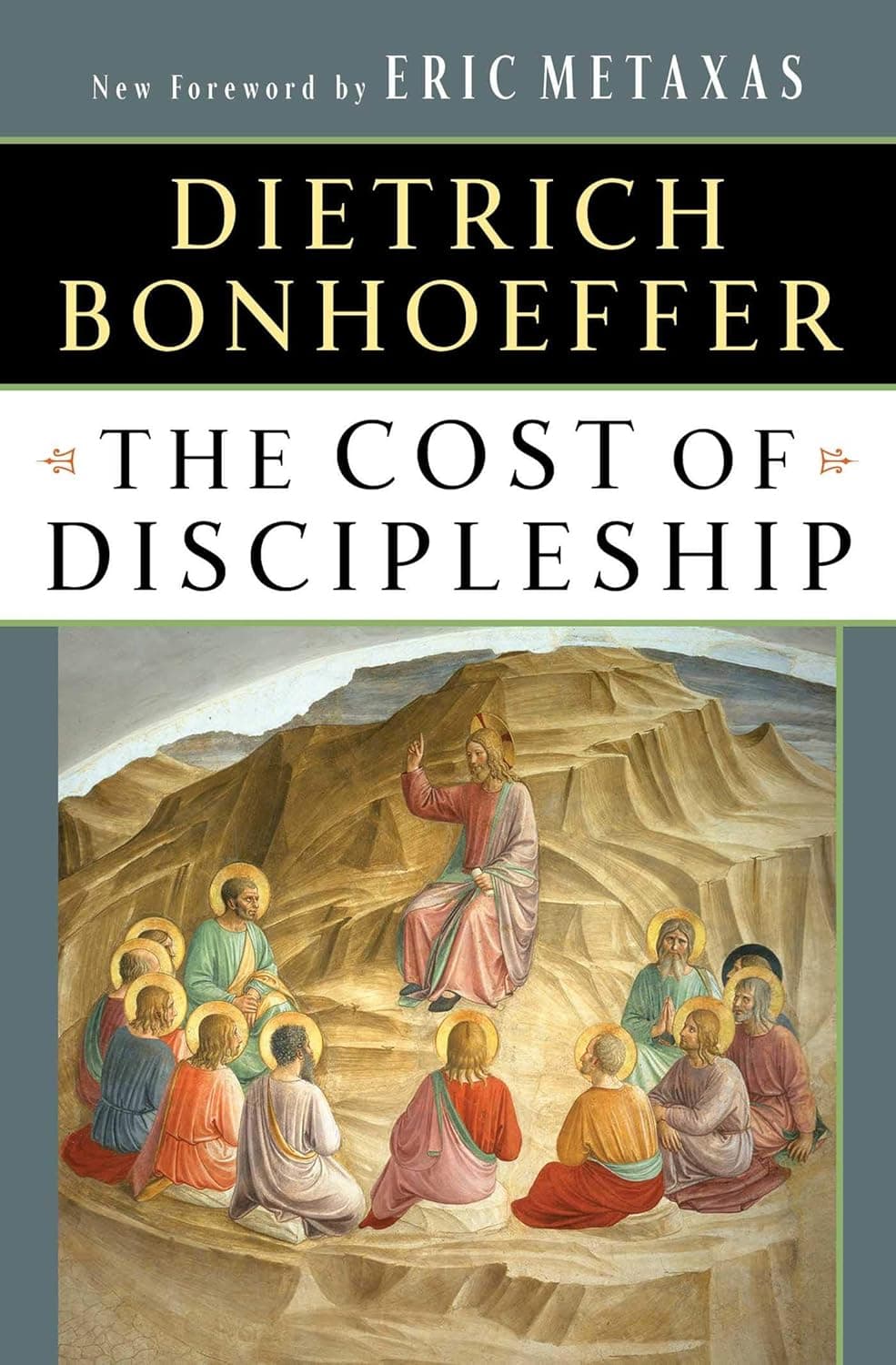
Cheap grace forgives without changing anyone, Bonhoeffer wrote from an outlawed seminary in Nazi Germany. Real grace costs a life: Christ calls a man to come and die. He was hanged in 1945.
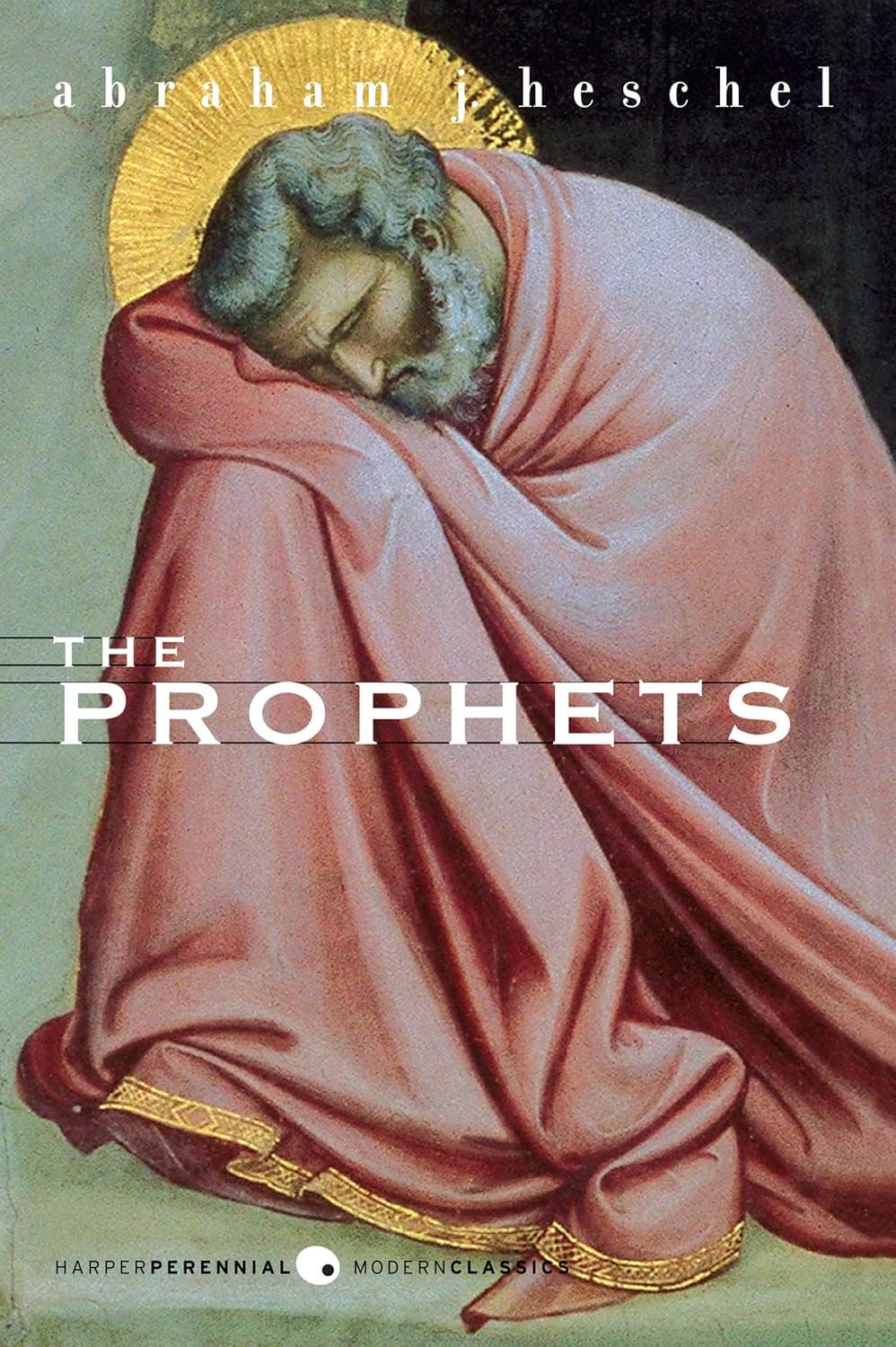
The God of Amos and Jeremiah is not serene but stung to anger by human cruelty, Heschel argues, and the prophet feels it. Marching at Selma, he felt his legs were praying.

The earliest surviving English book by a woman came from an anchoress sealed into a cell beside a Norwich church. Julian saw all creation lying in her palm, small as a hazelnut.
Broadcasting to a Britain at war, Lewis started from one claim: everyone appeals to a standard of right nobody invented. The talks became the book that does most of modern Christianity's arguing.

A Dominican friar who watched it happen set down, island by island, what Spain did to the people of the Caribbean. He forced an empire to argue whether the conquered were human.