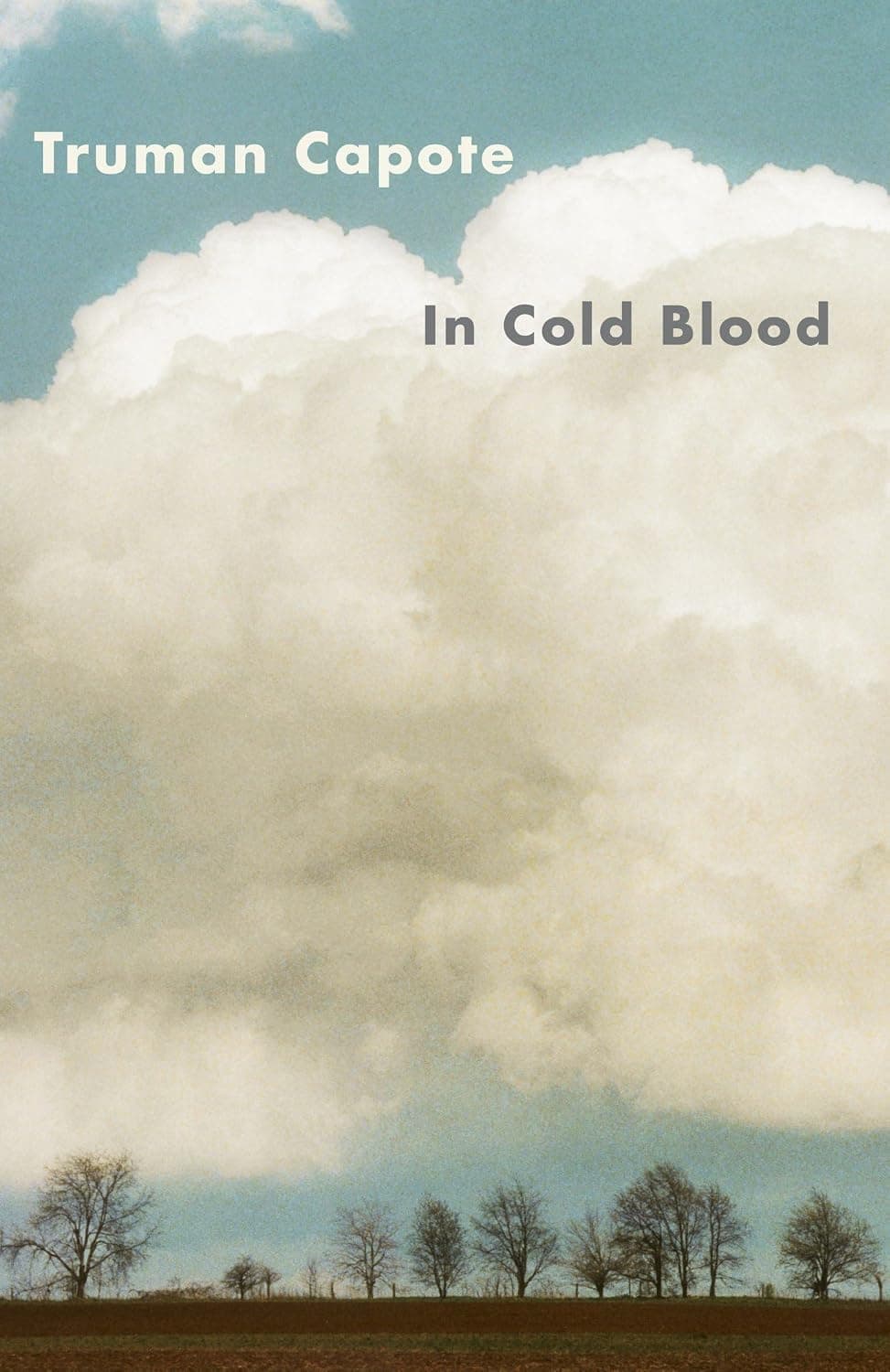
In Cold Blood
1966 · 343 pages
In 1959 two ex-convicts murdered a Kansas farm family of four they had never met. Capote spent years with the killers and turned reporting into a novel, patient and entirely without comfort.
★ 8.0
 skopia
In 1959 two ex-convicts murdered a Kansas farm family of four they had never met. Capote spent years with the killers and turned reporting into a novel, patient and entirely without comfort.

The men who walked America into Vietnam were the most credentialed in Washington, and Halberstam shows how their brilliance became the problem. He reconstructs the meetings and memos that made escalation feel reasonable.

Woodward and Bernstein worked doorsteps, phone books, and a source who met Woodward in a parking garage, tracing campaign money into the White House. Journalism has measured itself against this reporting ever since.

Shilts reconstructed the AIDS epidemic's first years and showed the deaths were a political choice, from unfunded research to blood banks that refused to screen. He learned his diagnosis the day he finished.

Every journalist knows what he does is morally indefensible, Malcolm opens, then proves it through a convicted murderer suing the writer who befriended him and delivered him to readers as a sociopath.

Henry Hill spent twenty-five years as a Lucchese associate, from stolen cigarettes to the Lufthansa robbery, and Pileggi lets him tell it himself. Scorsese lifted whole scenes of Goodfellas straight from it.
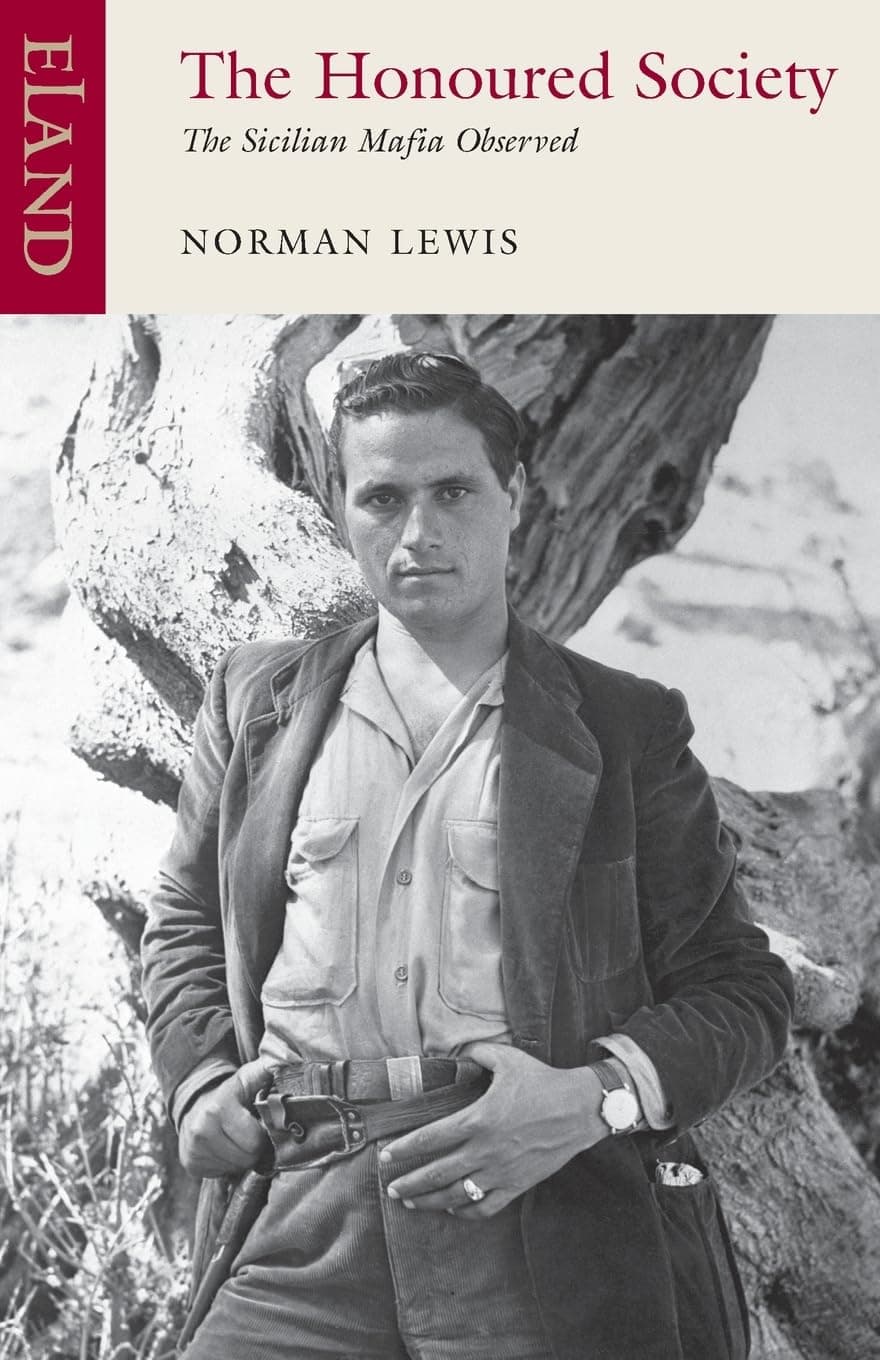
Lewis walked postwar Sicily and found monks running extortion from the confessional and Mafia bosses installed as mayors by American liberators, whose invasion, he argues, restored what Mussolini had nearly destroyed.
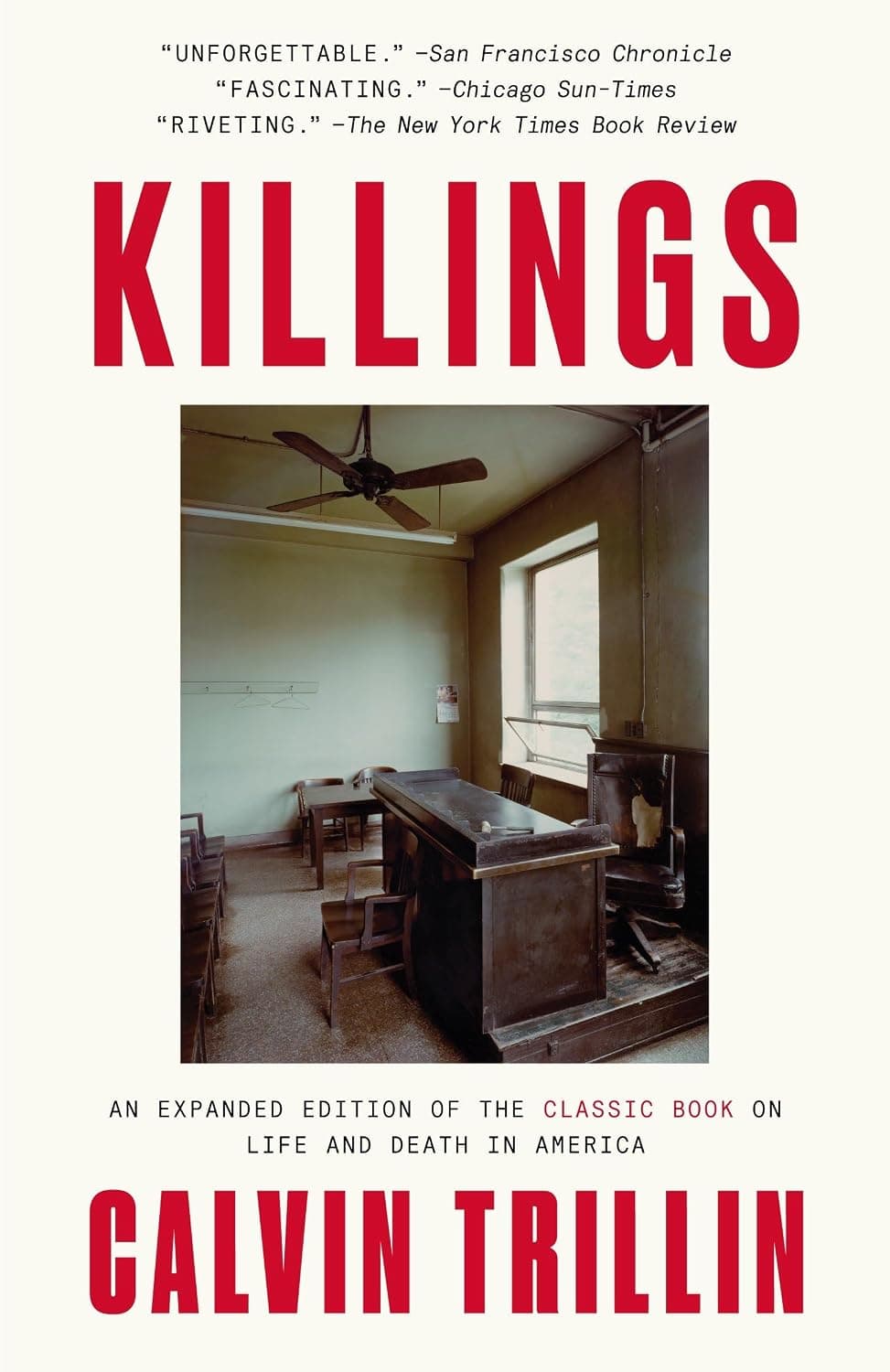
One killing per chapter, in towns no reporter usually visits, including a Kentucky landowner who shot a documentary filmmaker for trespassing. Trillin cares how these Americans lived, not how they died.