
Beyond Good and Evil
1886 · 240 pages
Philosophers smuggle their own prejudices in as truth, Nietzsche says, and the morality they defend was invented by the weak. He writes in short bursts aimed straight at the reader.
★ 8.2
 skopia
Philosophers smuggle their own prejudices in as truth, Nietzsche says, and the morality they defend was invented by the weak. He writes in short bursts aimed straight at the reader.
Everyone wants to be happy. Aristotle's answer is that happiness is not a feeling but a life of acting well, and that you become brave only by doing brave things.
Spinoza proves, in numbered propositions, that God and nature are one substance and that everything follows from it as necessarily as a theorem. Freedom is understanding that necessity, not escaping it.

Guilt began as unpaid debt, Nietzsche argues, and conscience is cruelty turned inward for want of anyone else to hurt. Three essays dig up where good and evil came from.
Cicero gives the argument to Laelius, a statesman grieving his dead friend: real friendship binds only good men, is wanted for nothing beyond itself, and makes fortune brighter and hardship lighter.

Smith argues that conscience is imagined company: we judge ourselves by picturing an impartial spectator and wanting his approval. The economist famous for self-interest built his moral system on fellow feeling.
Modern moral argument never ends, MacIntyre says, because we speak in fragments of a tradition we have forgotten. He sent philosophy back to Aristotle's virtues and made ethics a fight about character again.

What holds men to war, Gray decided, is the spectacle, the comradeship, and a delight in destruction nobody admits to. The day his Columbia doctorate arrived, so did his draft notice.
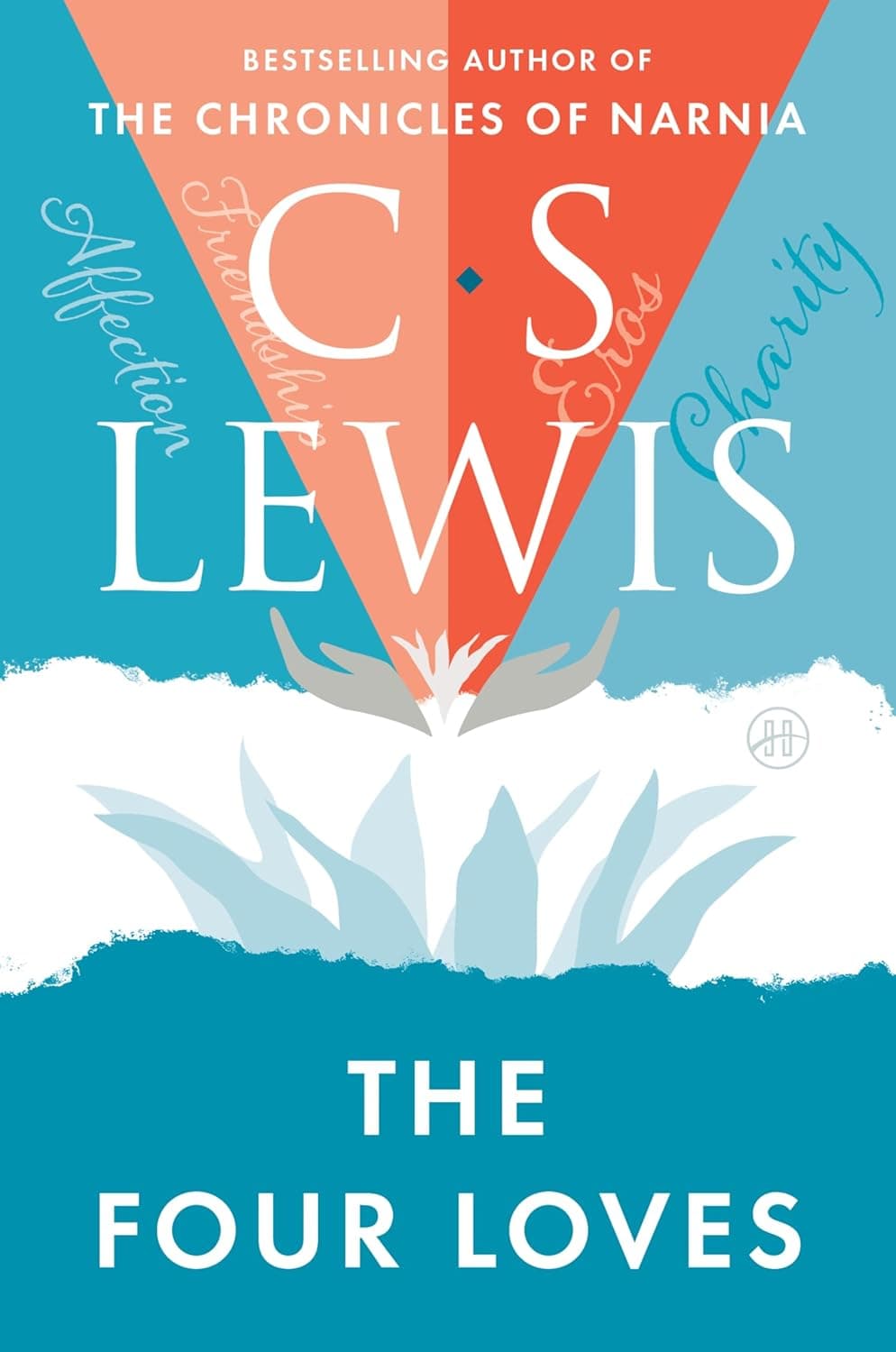
To love at all is to be vulnerable, Lewis writes, then sorts the risk into affection, friendship, eros and charity. Each natural love turns demonic the moment it is made into a god.