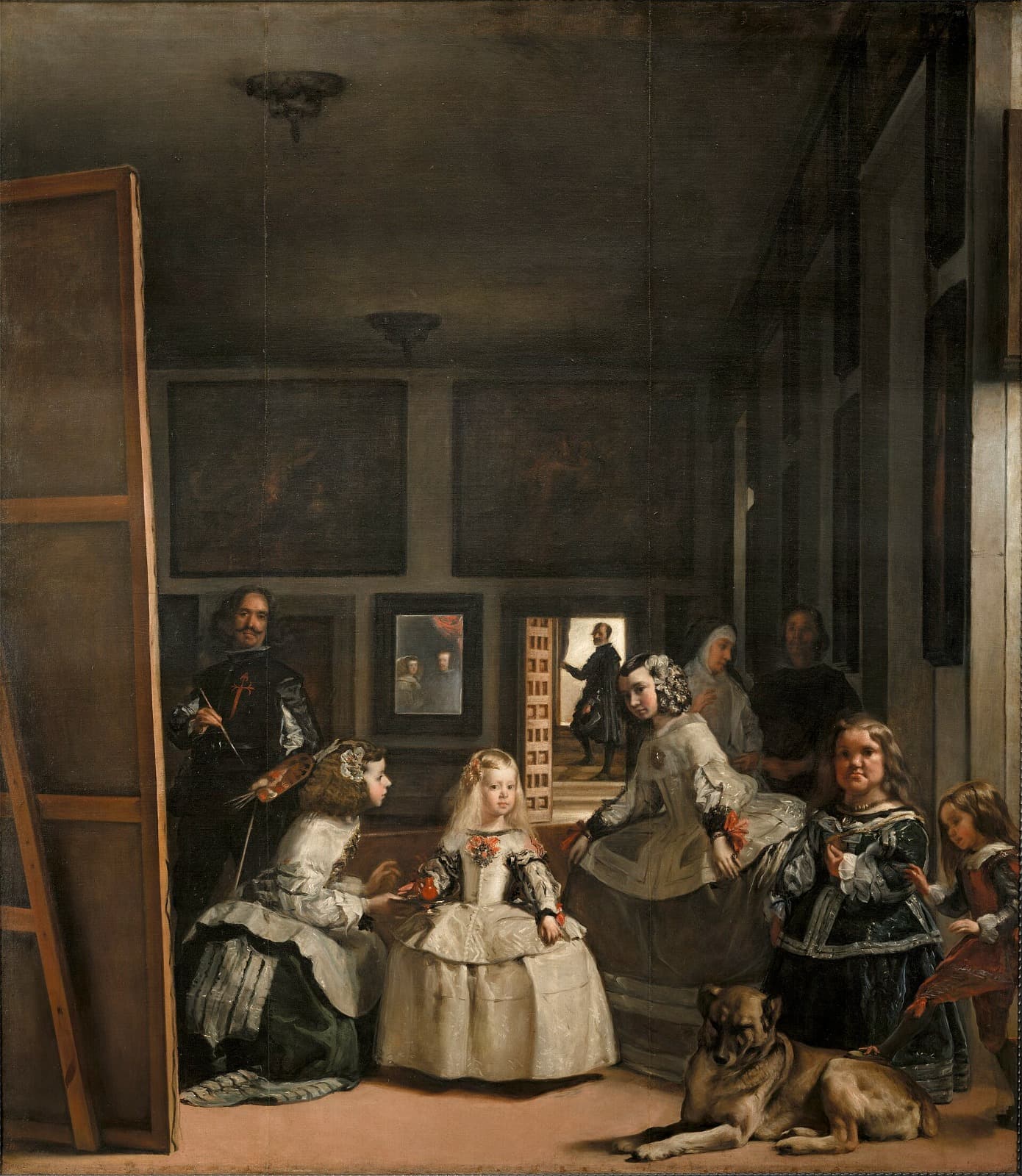
Las Meninas
1656 · El Prado, Madrid
The Infanta and her maids fill the room, but Velázquez has put himself at his easel and the king and queen in a mirror behind.
★ 9.8
 skopia
The Infanta and her maids fill the room, but Velázquez has put himself at his easel and the king and queen in a mirror behind.

More than eight hundred figures crowd five meters of scroll, and Chinese painters have been copying and forging it for nine hundred years.
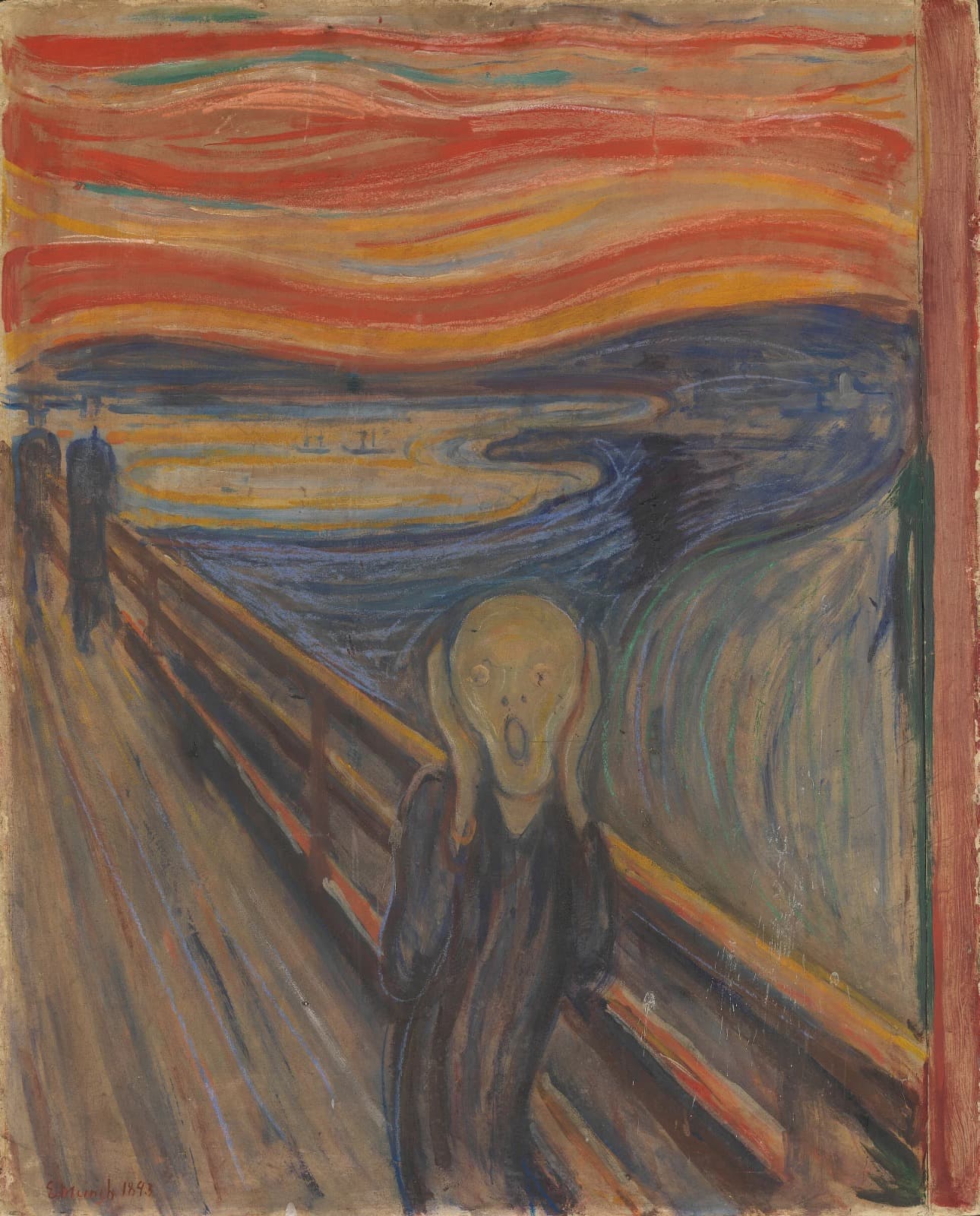
Munch said an infinite scream was passing through nature, and put two figures on the bridge behind who walk on without noticing.

A militia company surges out of the shadow with a dog barking and a girl glowing among the men. Varnish, not night, made it dark.
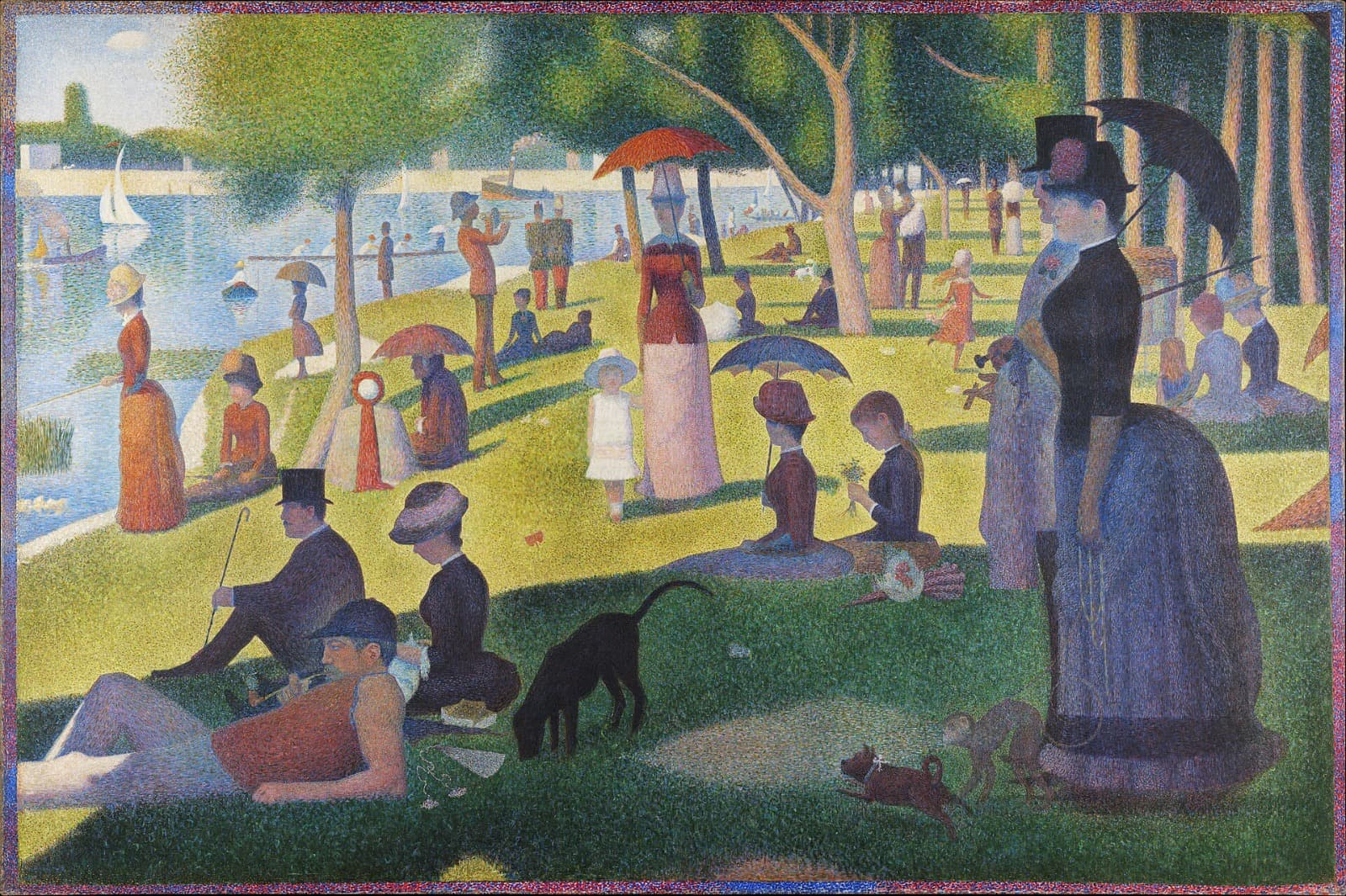
Seurat spent two years building this riverbank out of tiny dots of unmixed color, applying optical theory to a crowd standing oddly still.

Manet worked from a real barmaid named Suzon and put her reflection in the wrong place, which people have been arguing about ever since.
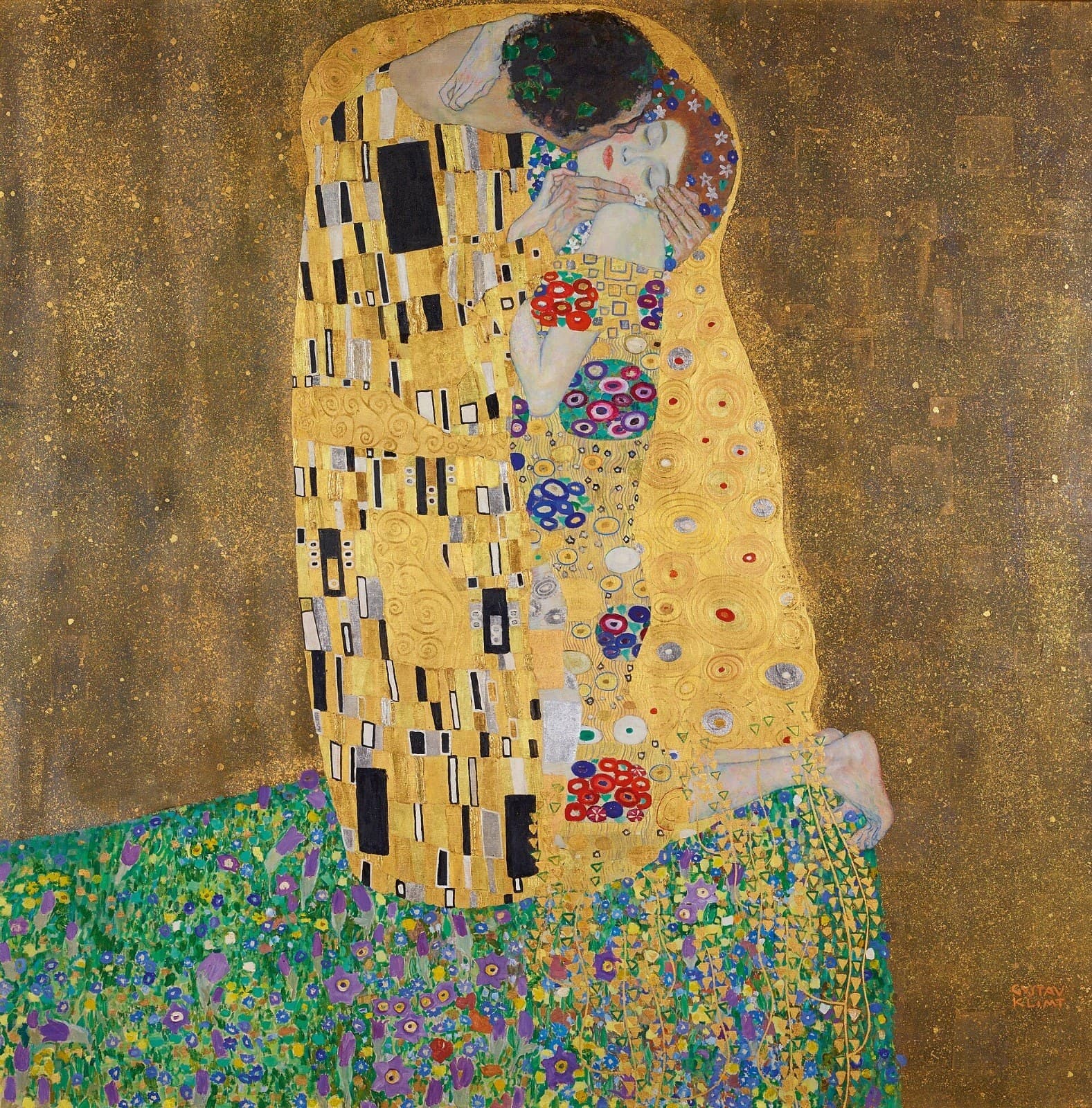
Two lovers kneel wrapped in a single gold robe, rectangles patterning his side of it and circles hers, on a meadow of flowers.

A naked woman picnics with two clothed men and looks calmly out at us. The Salon refused it, so it hung with the rejects.

A court lady steps between a lunging bear and the emperor. What survives is a later copy, crowded with the seals of everyone who owned it.

Fourteen of Renoir's friends linger over the wreckage of lunch above the Seine, his future wife among them, cooing at a dog on the table.

Thirty-two canvases, one for every variety Campbell's then sold, hung in a row like stock on a supermarket shelf.

Two saints lower a nobleman into his grave while his soul slips through a tear in the sky. The mourners are El Greco's own neighbors.
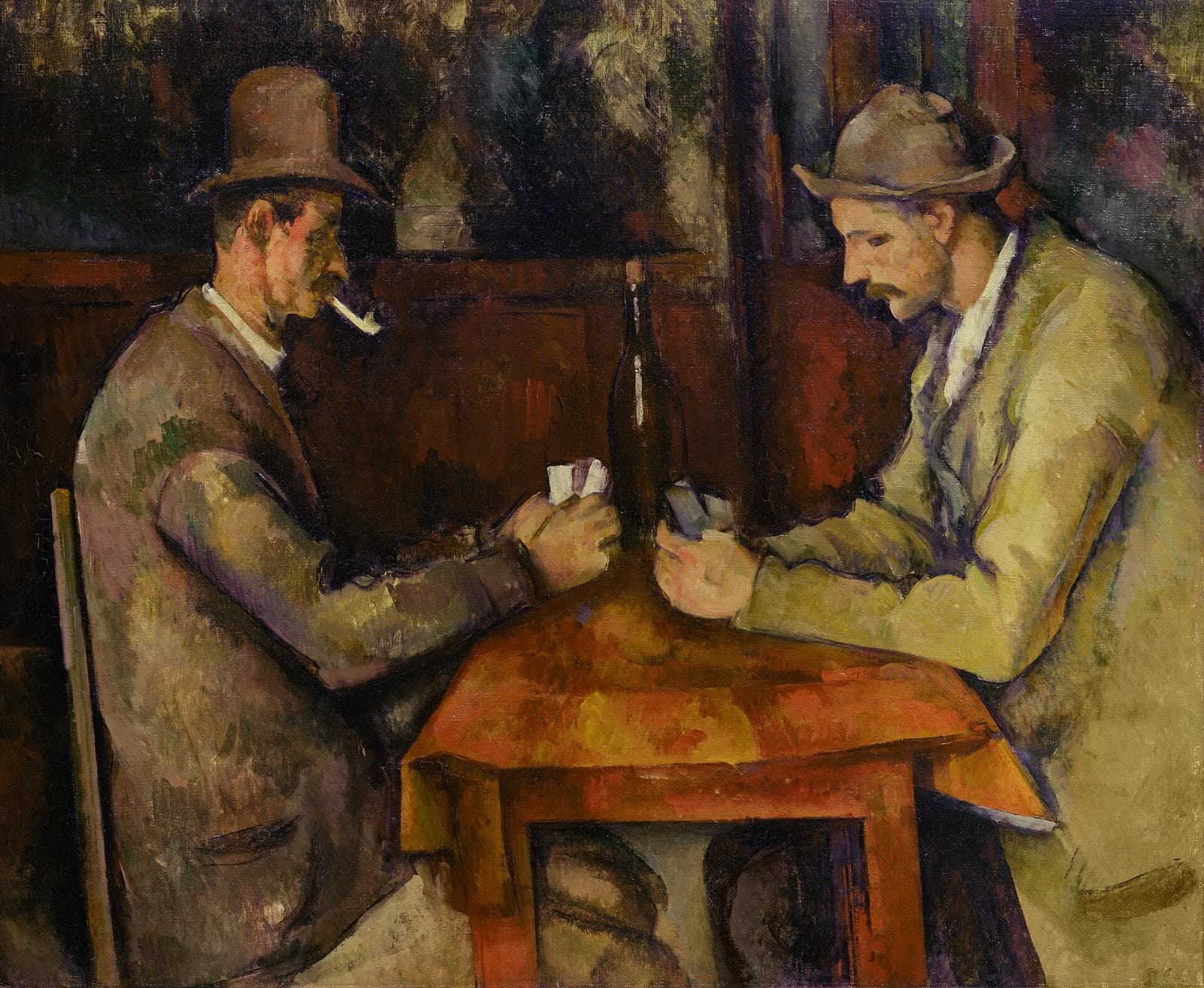
Cézanne used local farmhands as models and painted several versions, stripping the old tavern subject down until only two men and a bottle remain.
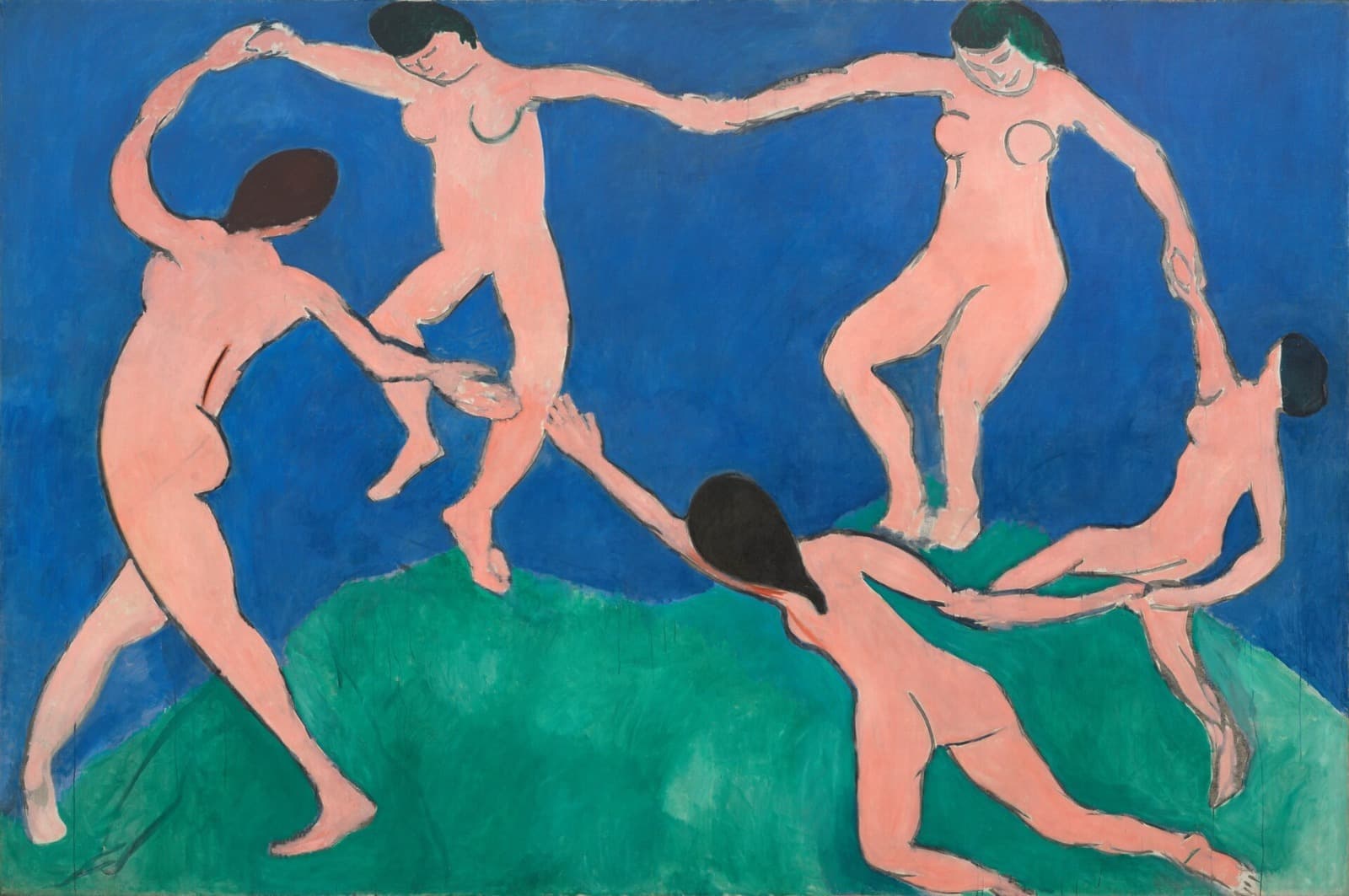
Five figures wheel in a ring against blue and green, reduced to three colors and the strain of holding hands at speed.
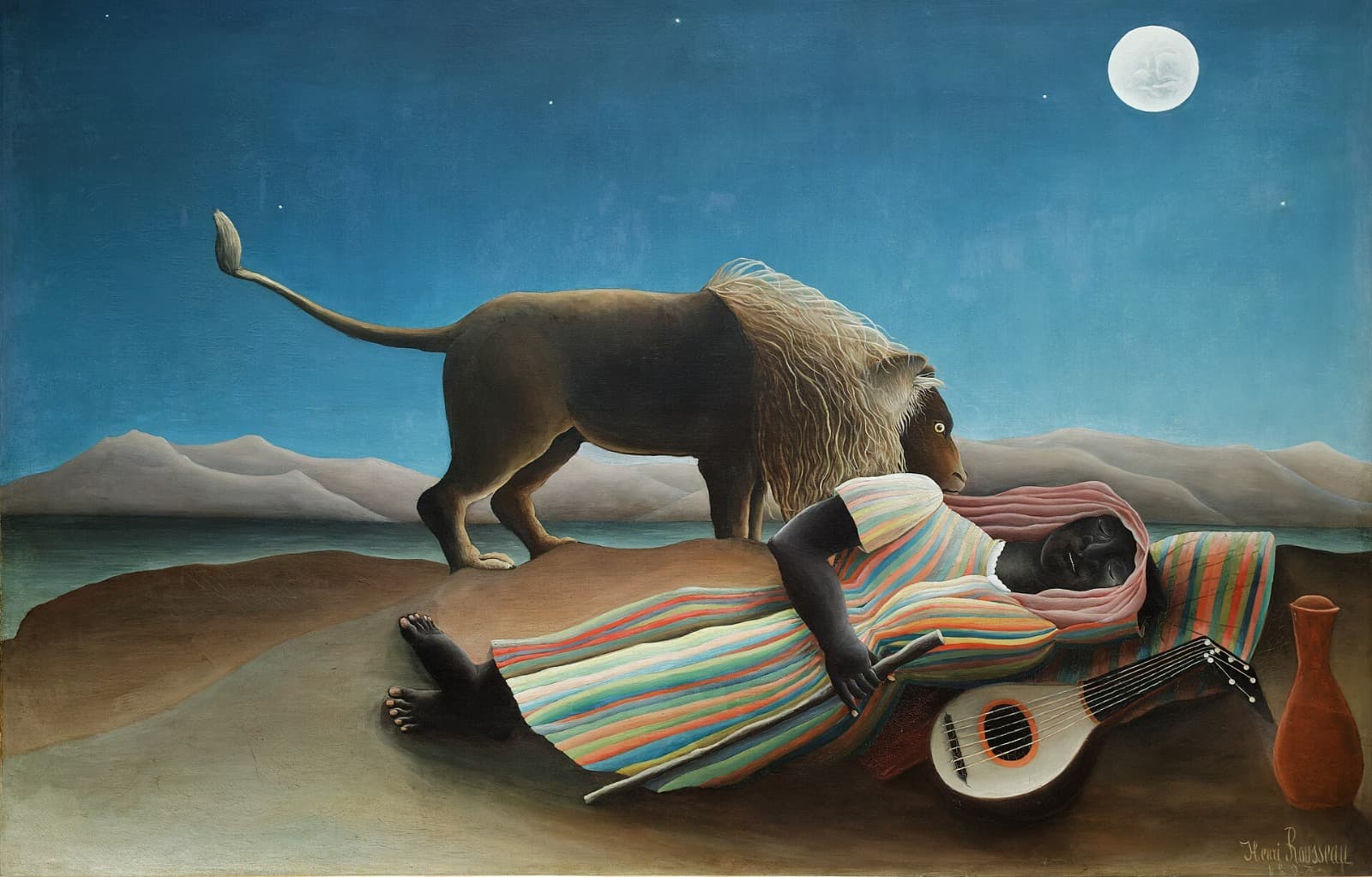
A lion sniffs at a sleeper in the desert without waking her. Rousseau was a customs officer who never took a lesson.
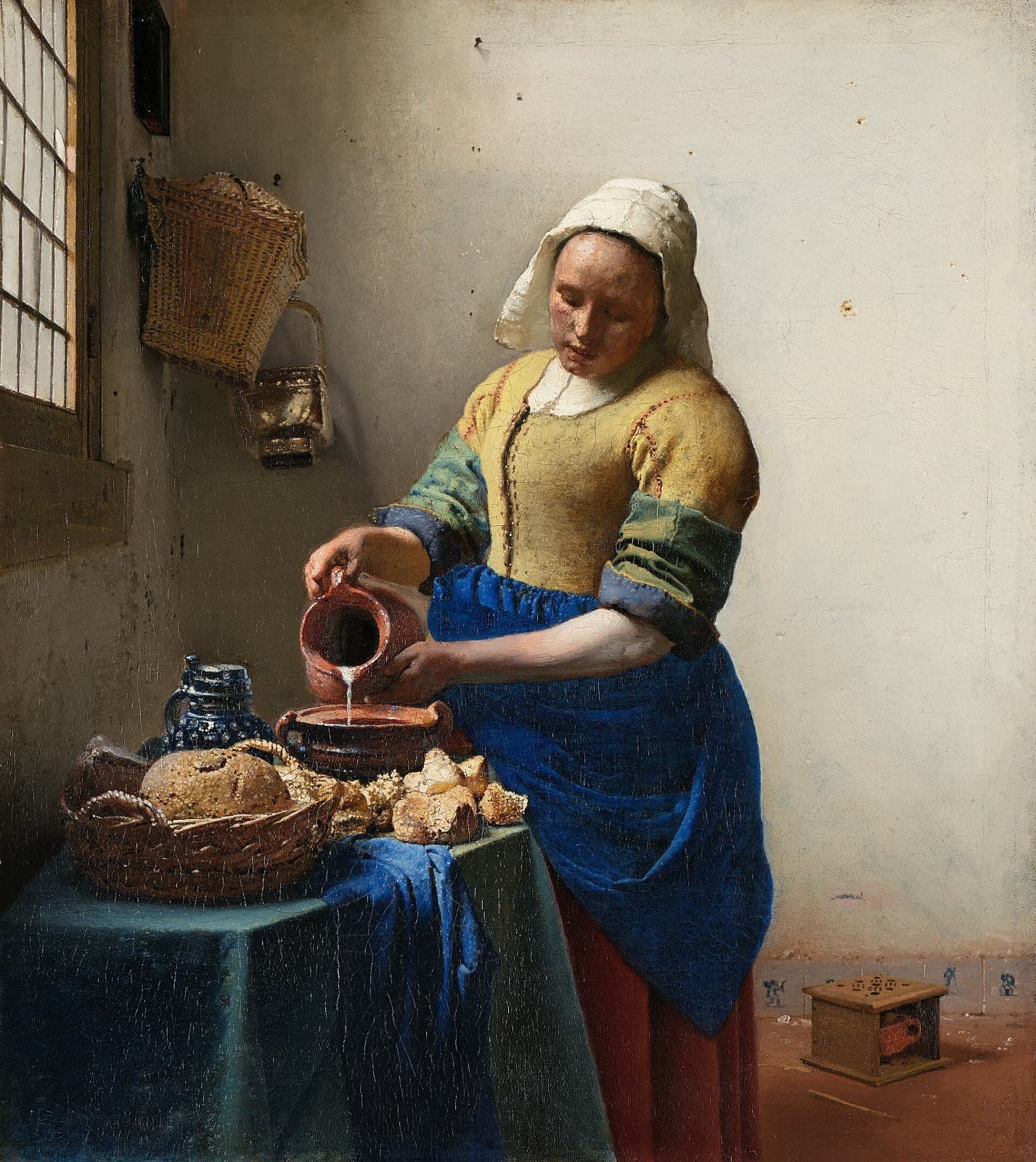
A kitchen maid pours a thin stream of milk in ordinary daylight, given the weight and stillness usually reserved for saints.

Sunlight comes through the trees in patches over a Montmartre dance floor, a big ambitious canvas given over entirely to a Sunday afternoon.

Courbet gave an ordinary village funeral the scale reserved for kings and saints, and the critics were furious about it.

Nudes lounge and pipe and dance in a ring in a glade of colors nothing in nature has, a Fauve idyll from 1906.

Vermeer never sold this one. The model poses as Clio, muse of history, with a great map of the Netherlands filling the wall behind.
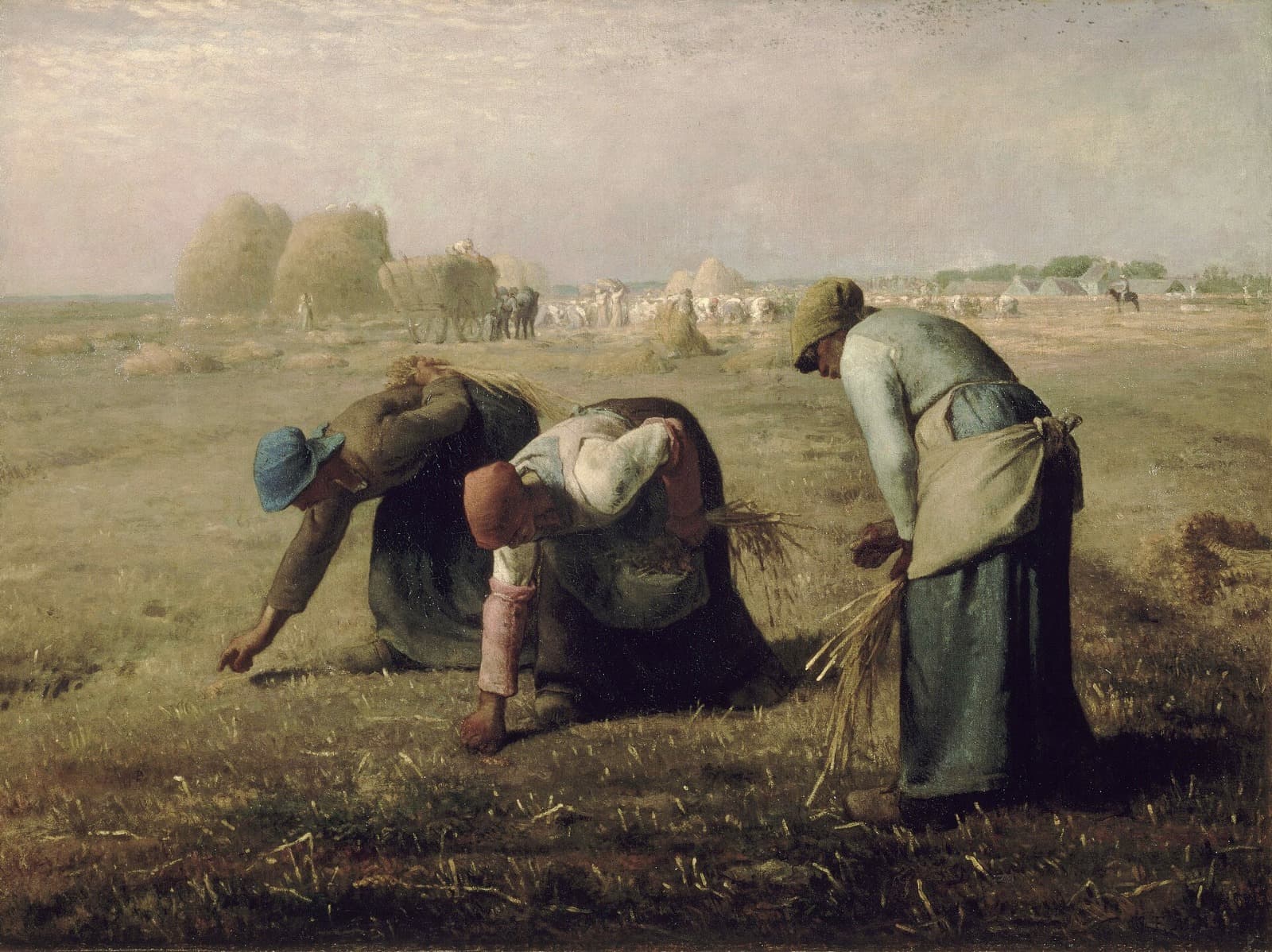
Three women bend for the stalks left after harvest while a full farm sits small in the distance, which unsettled the people buying paintings.
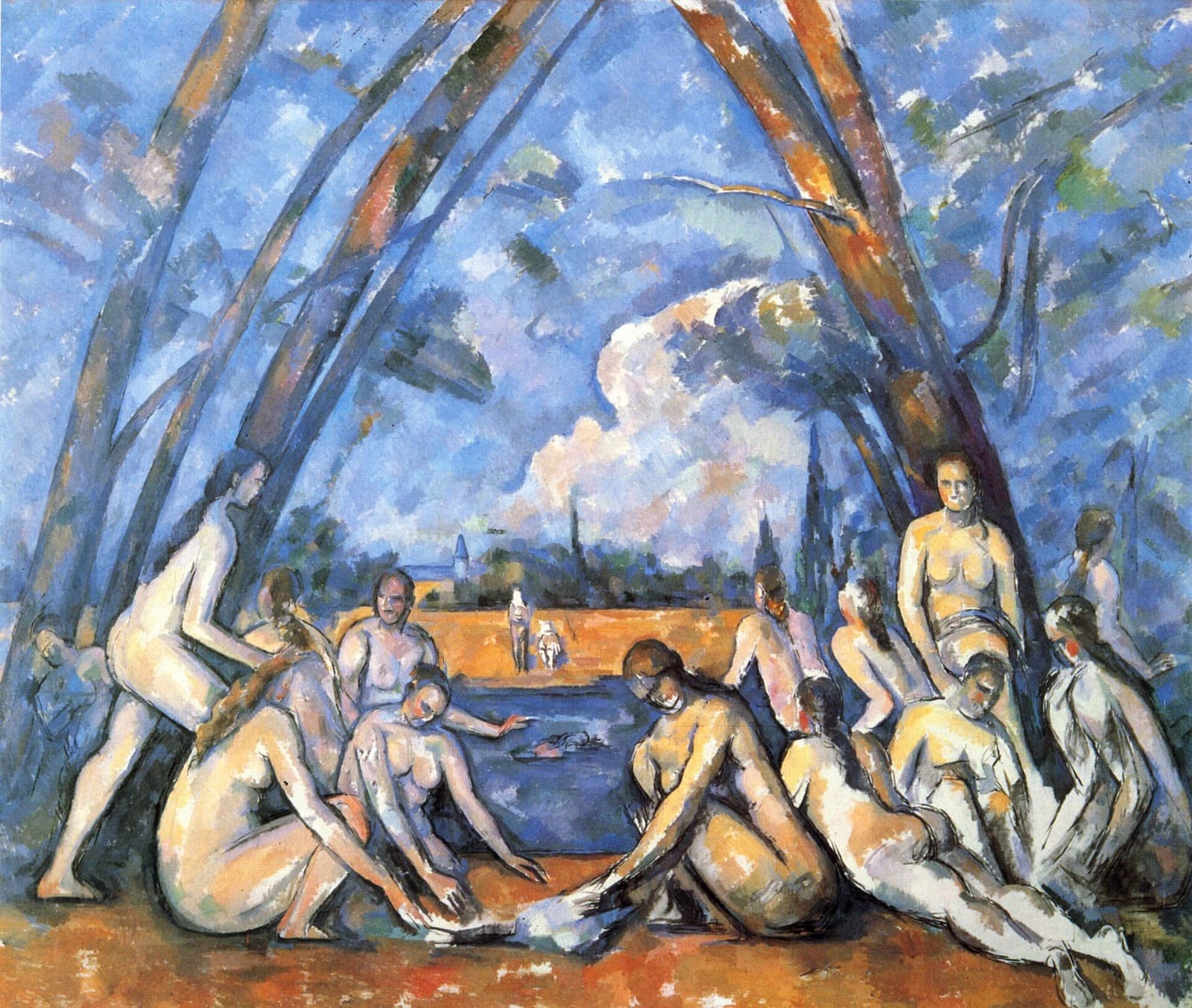
Cézanne worked on it for years and died before he finished, bending the trees inward so they rhyme with the bodies underneath.
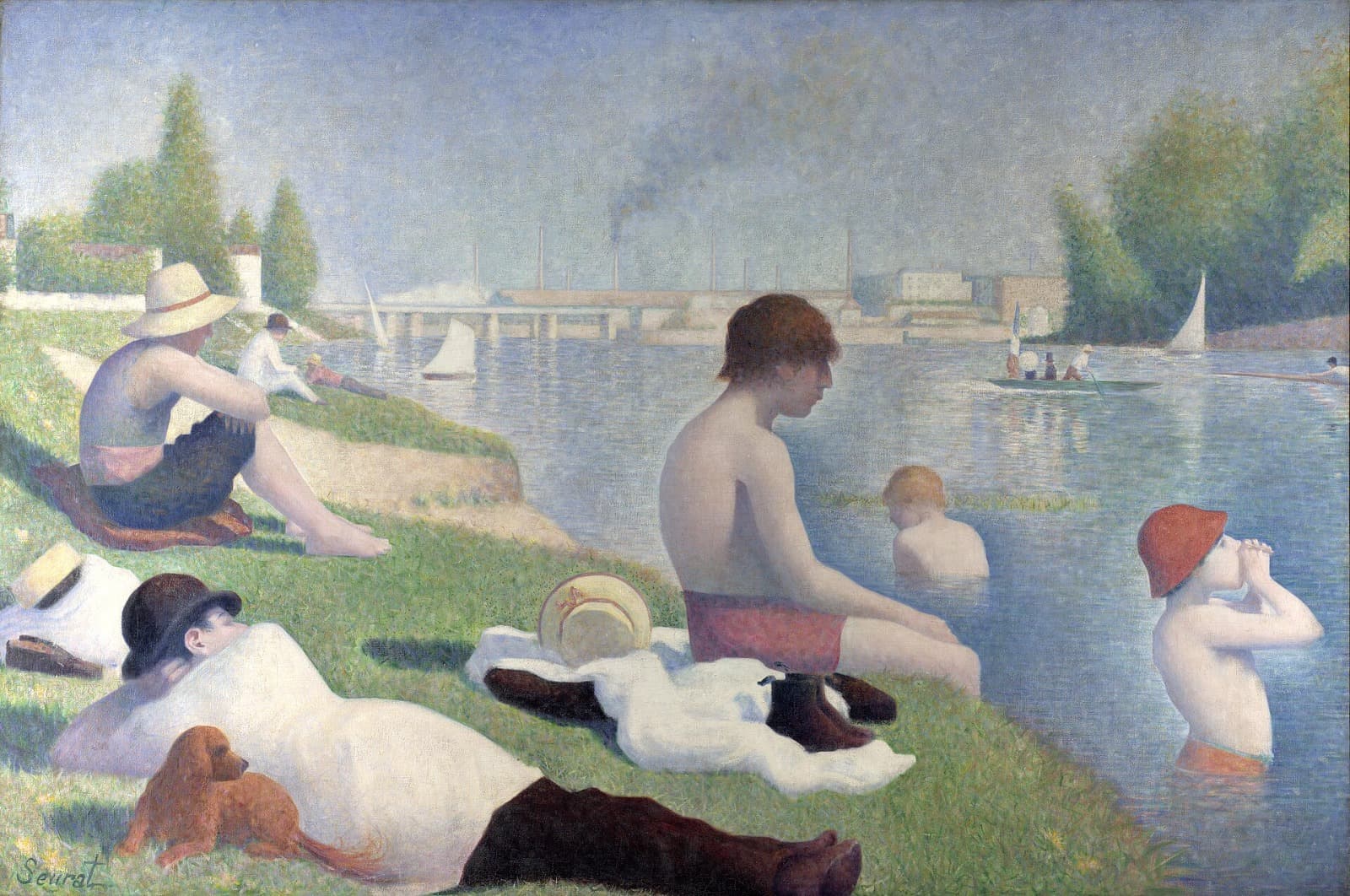
Working men bathe on the bank while factory chimneys smoke across the river, the figures given the weight of a classical frieze.
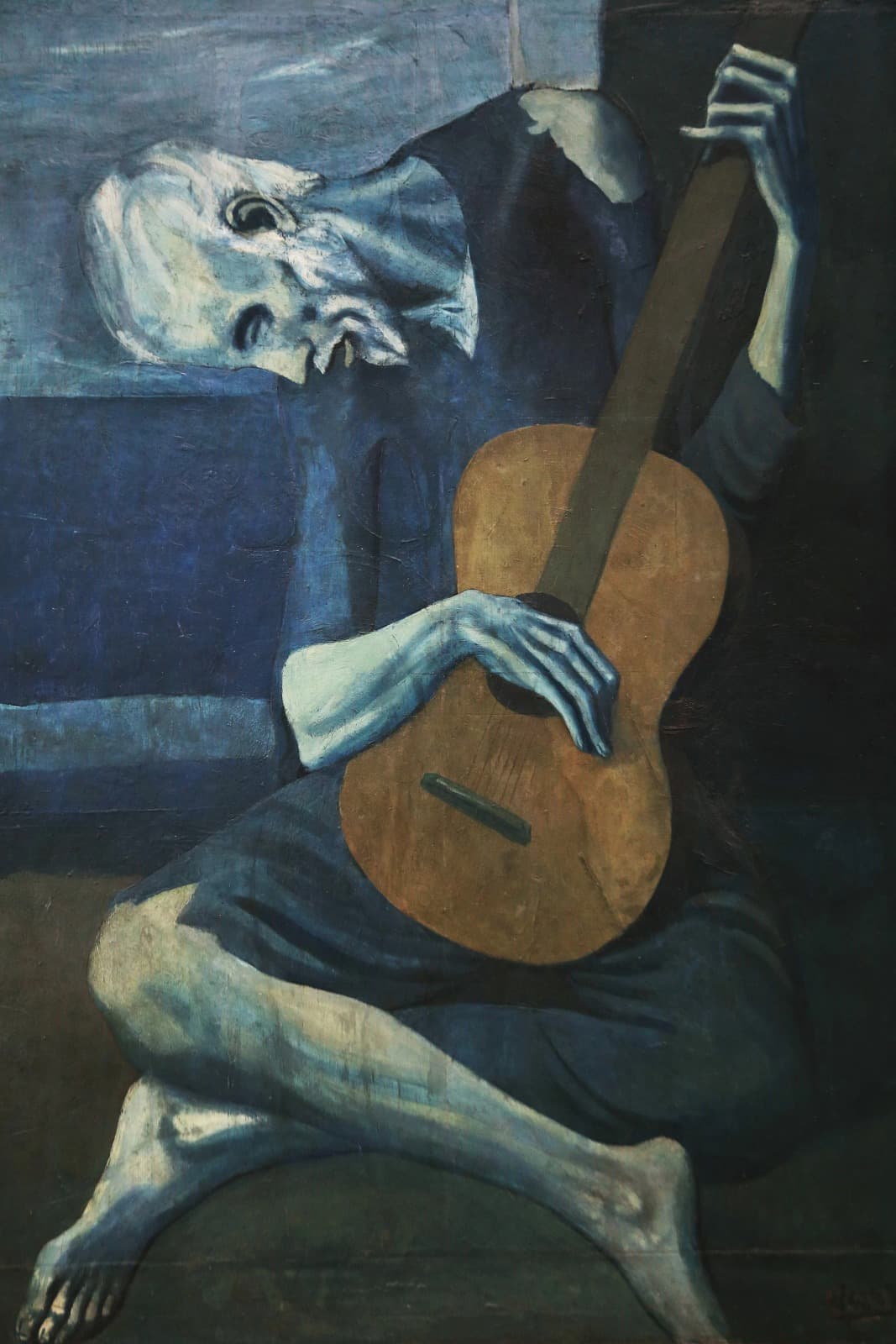
The guitar is the only warm note in the picture. Picasso painted it in his Blue Period, poor himself and living on very little.
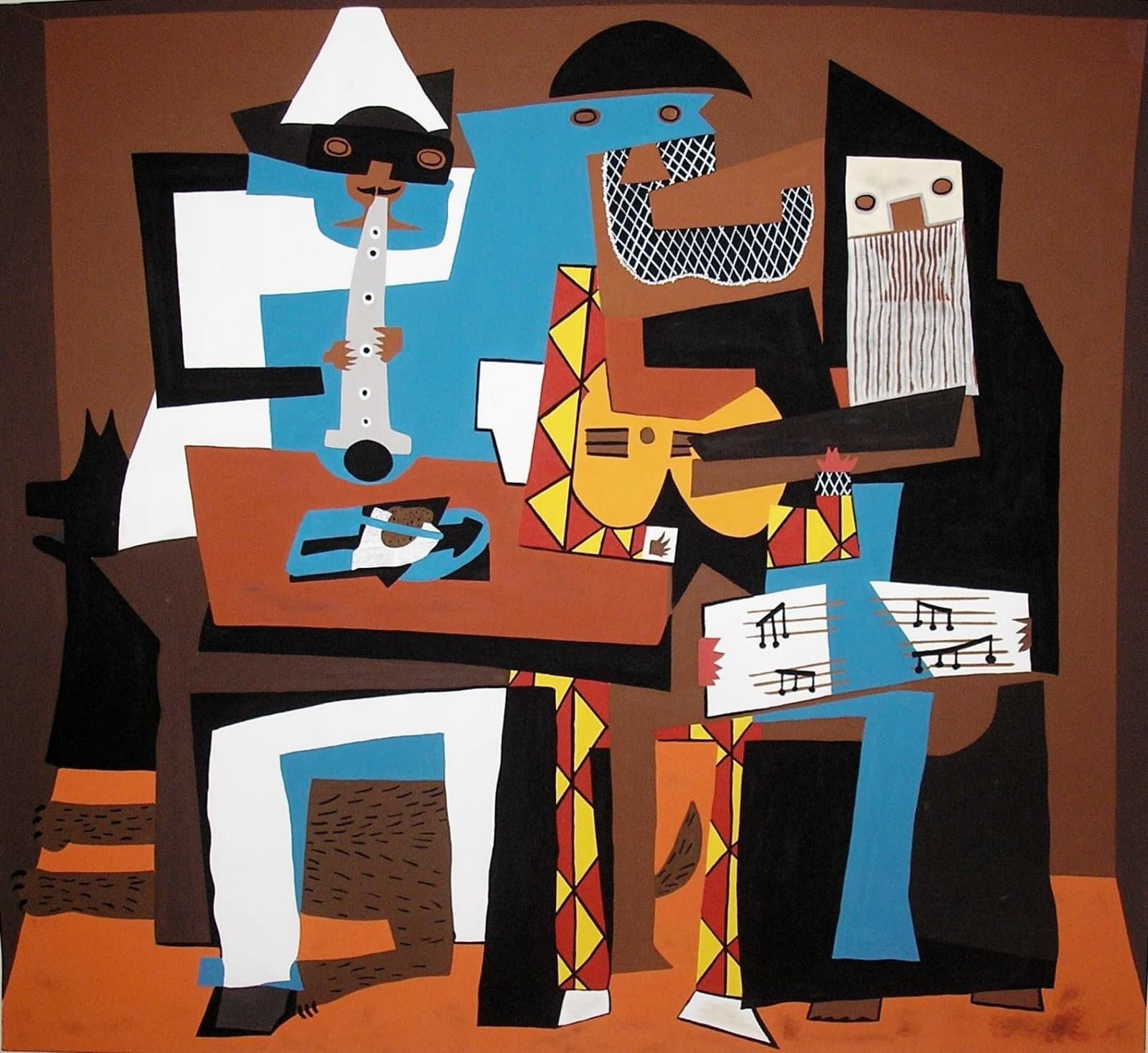
A harlequin, a Pierrot and a monk in flat interlocking shapes that look cut from paper. Synthetic Cubism at its grandest and most deadpan.
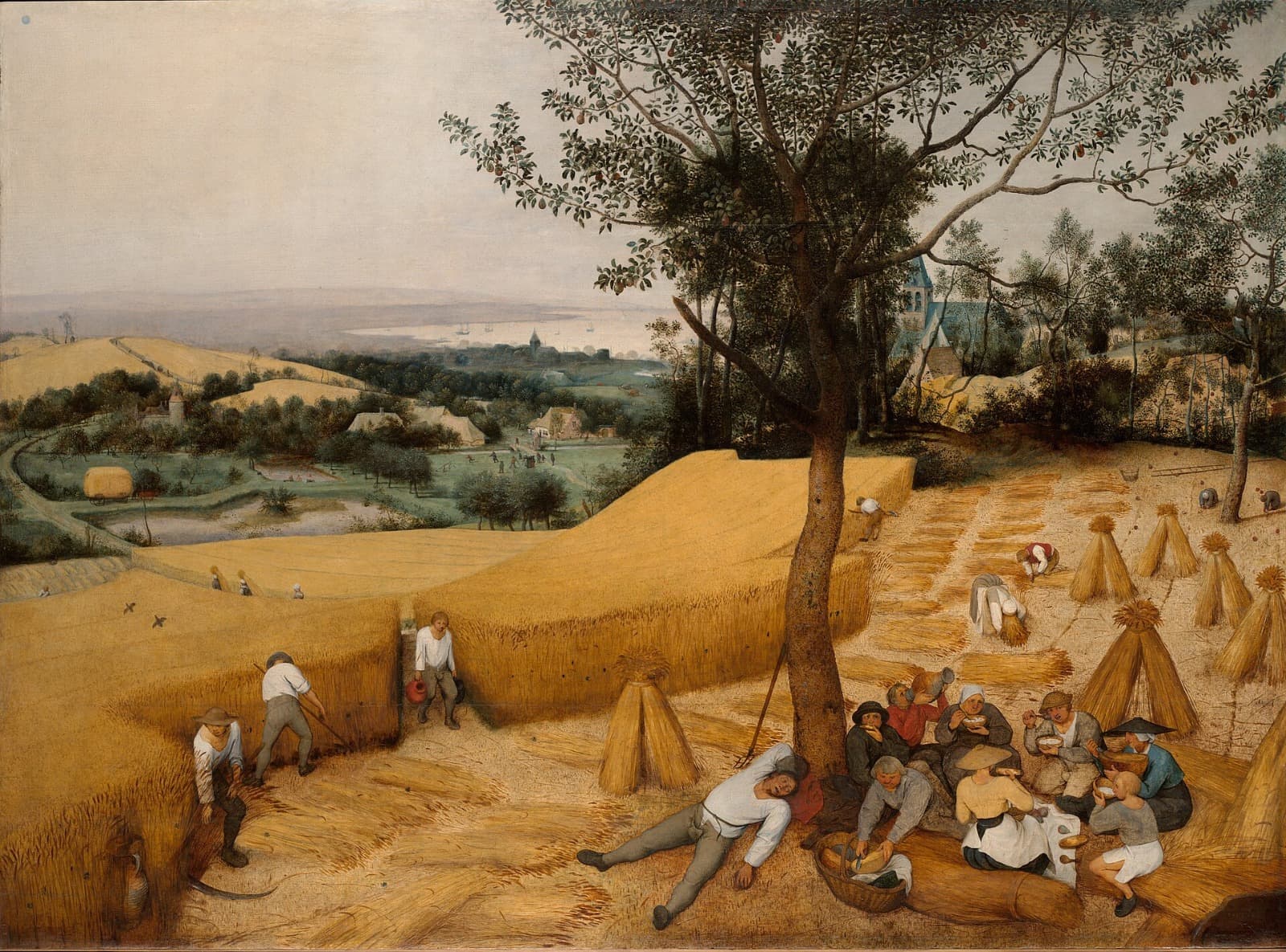
One man lies flat on his back with his mouth open while the others cut wheat. Late summer, from the same series of months.

Umbrellas cross the wet cobbles of Haussmann's new boulevards, composed with a photographic exactness his Impressionist friends had no use for.
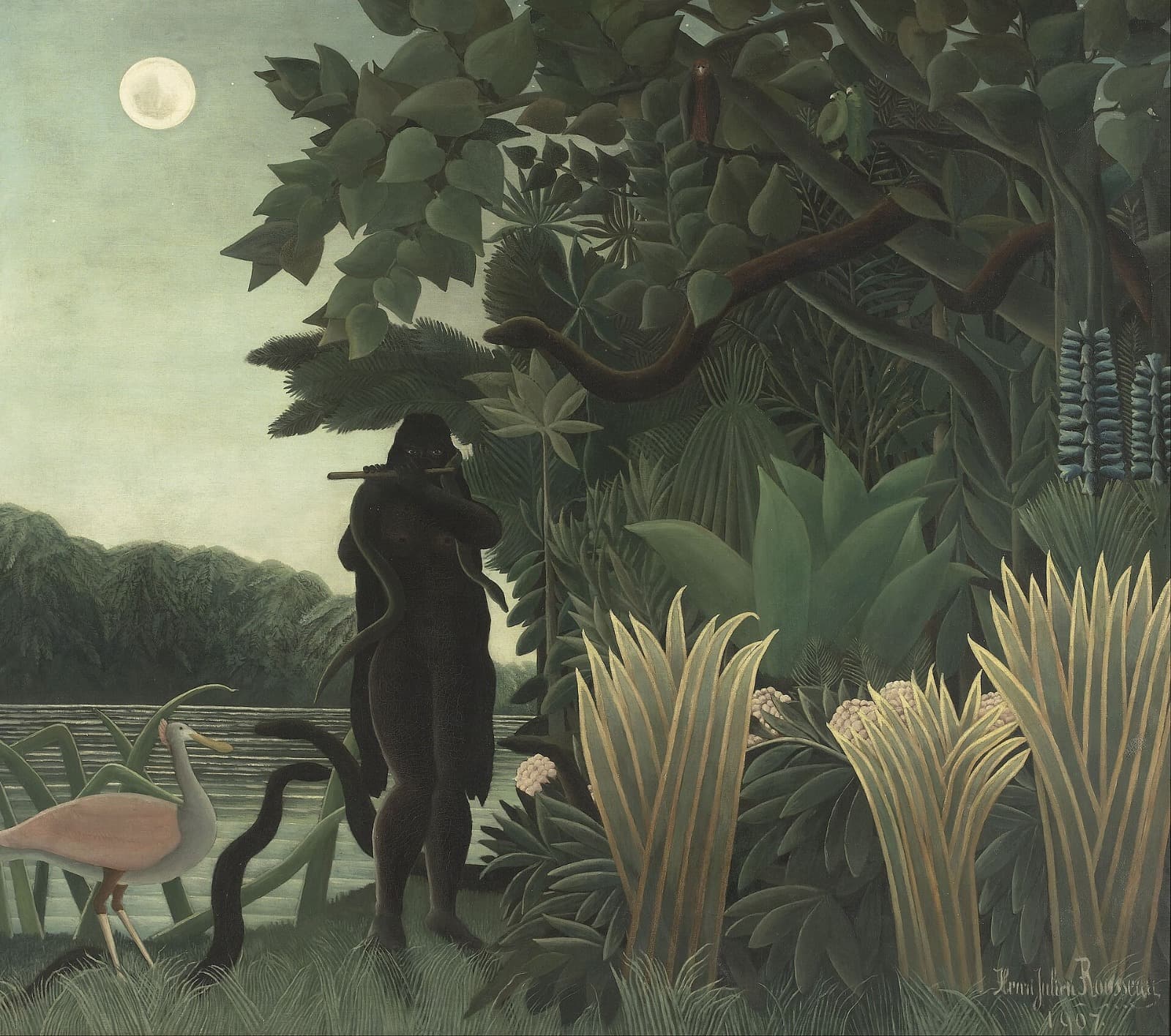
A black silhouette plays a flute and the snakes come out of the leaves toward the music, in moonlight Rousseau invented entirely.
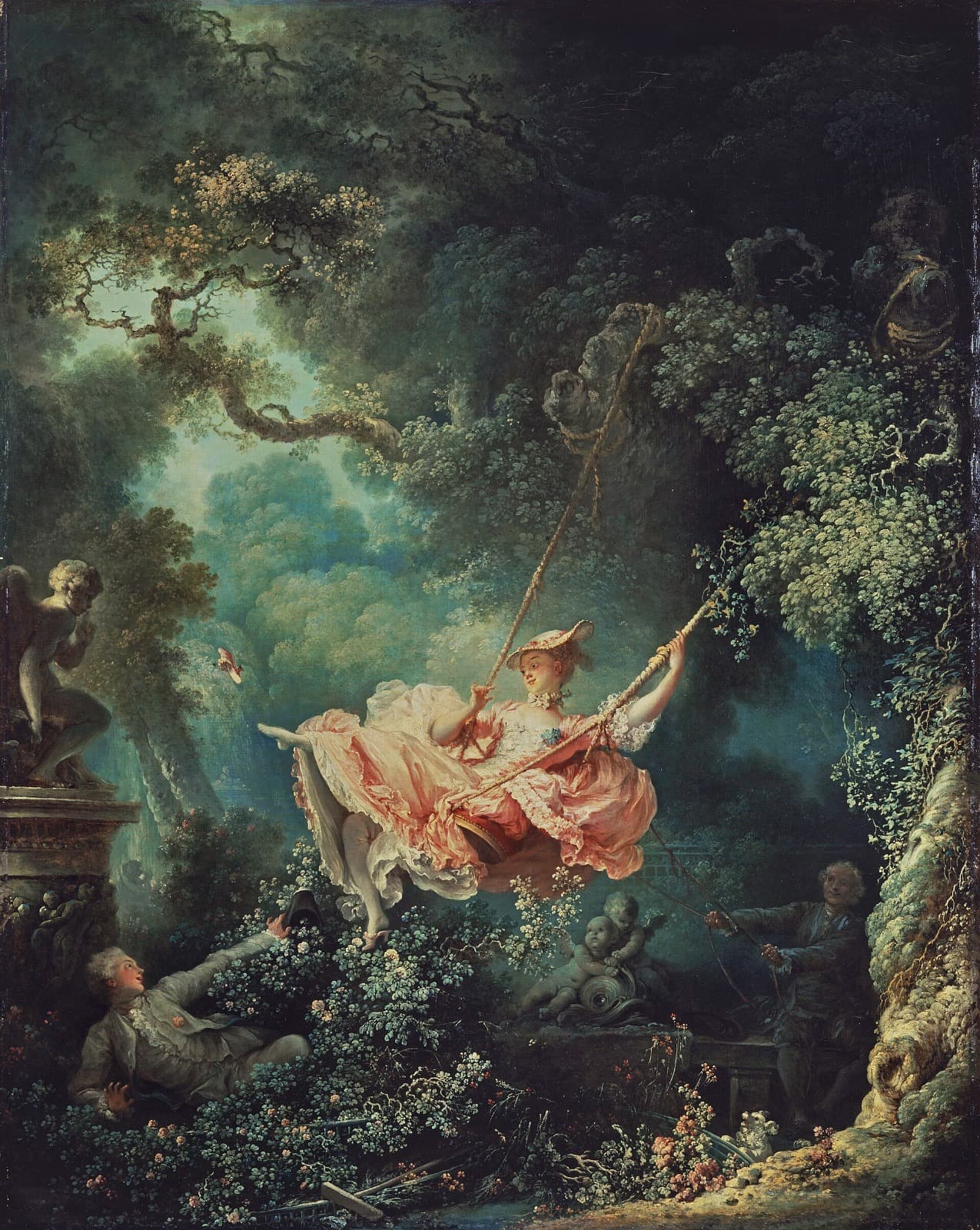
An old man works the ropes without knowing the young man in the bushes is looking straight up her skirts. A slipper flies off.

Shepherds trace the carved words on a tomb, Even in Arcadia I am here, and Poussin lets death speak without raising its voice.

Circus people stand together in an empty landscape without looking at each other. The Rose Period at its largest and most wistful.
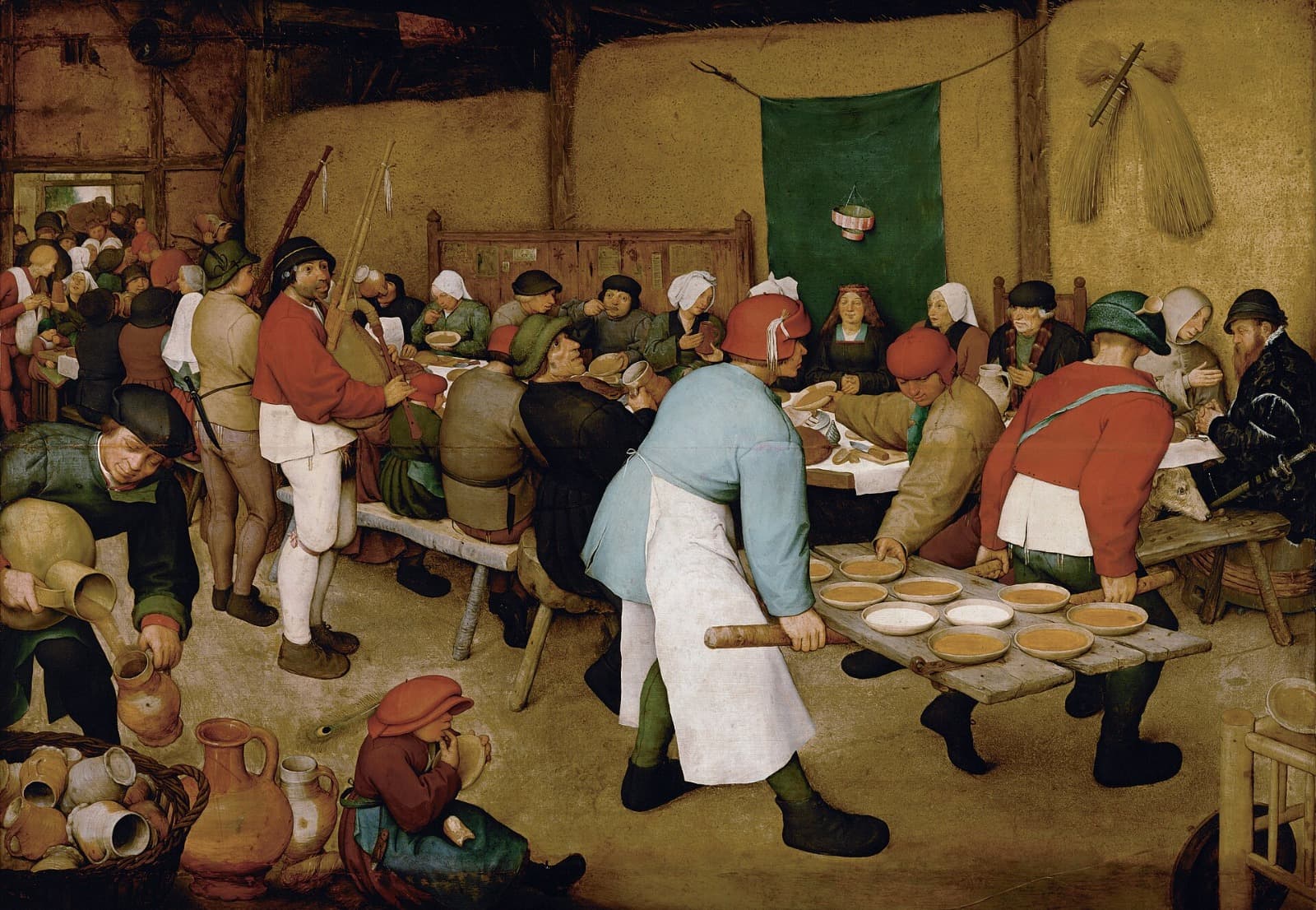
Two men carry the porridge in on an unhinged door, the bagpiper eyes it hungrily, and the bride sits idle under her paper crown.
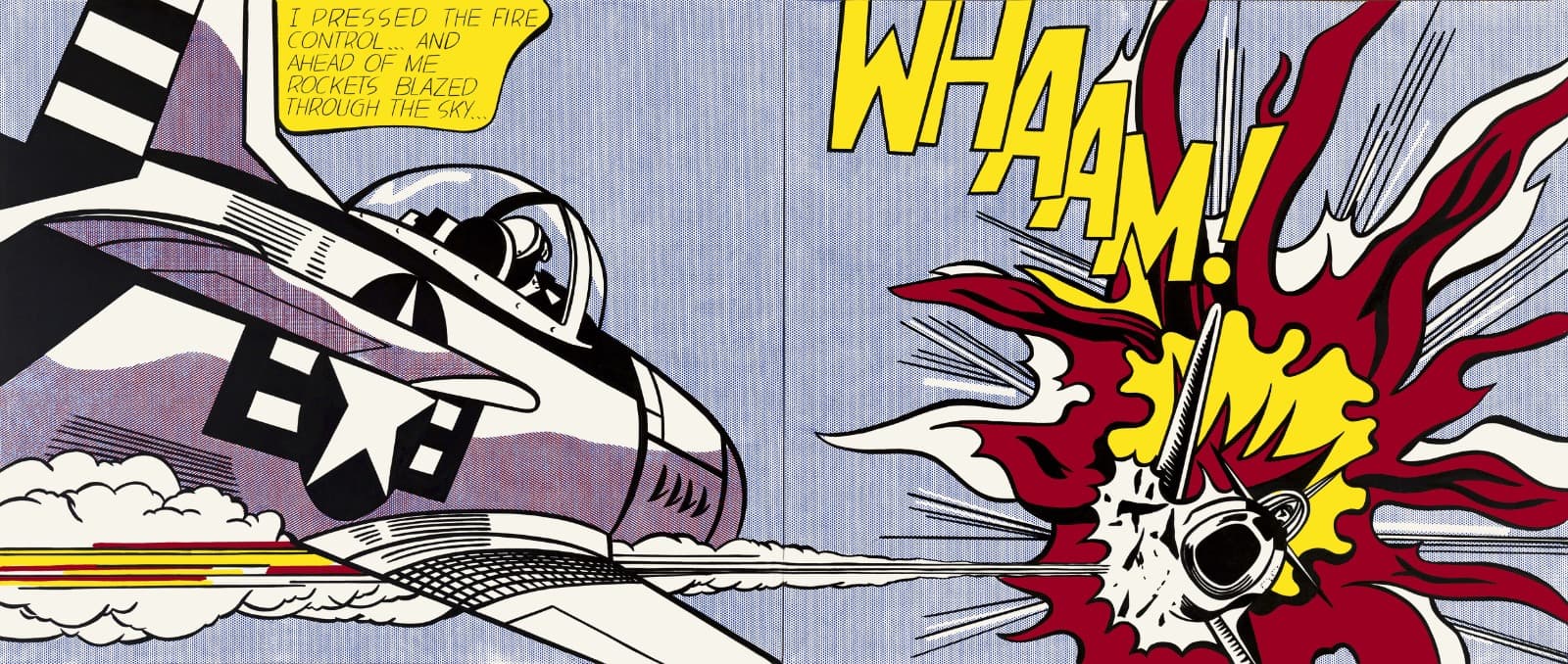
Lichtenstein blew a single war-comic panel up to mural scale across two canvases, Ben-Day dots, caption box and all.
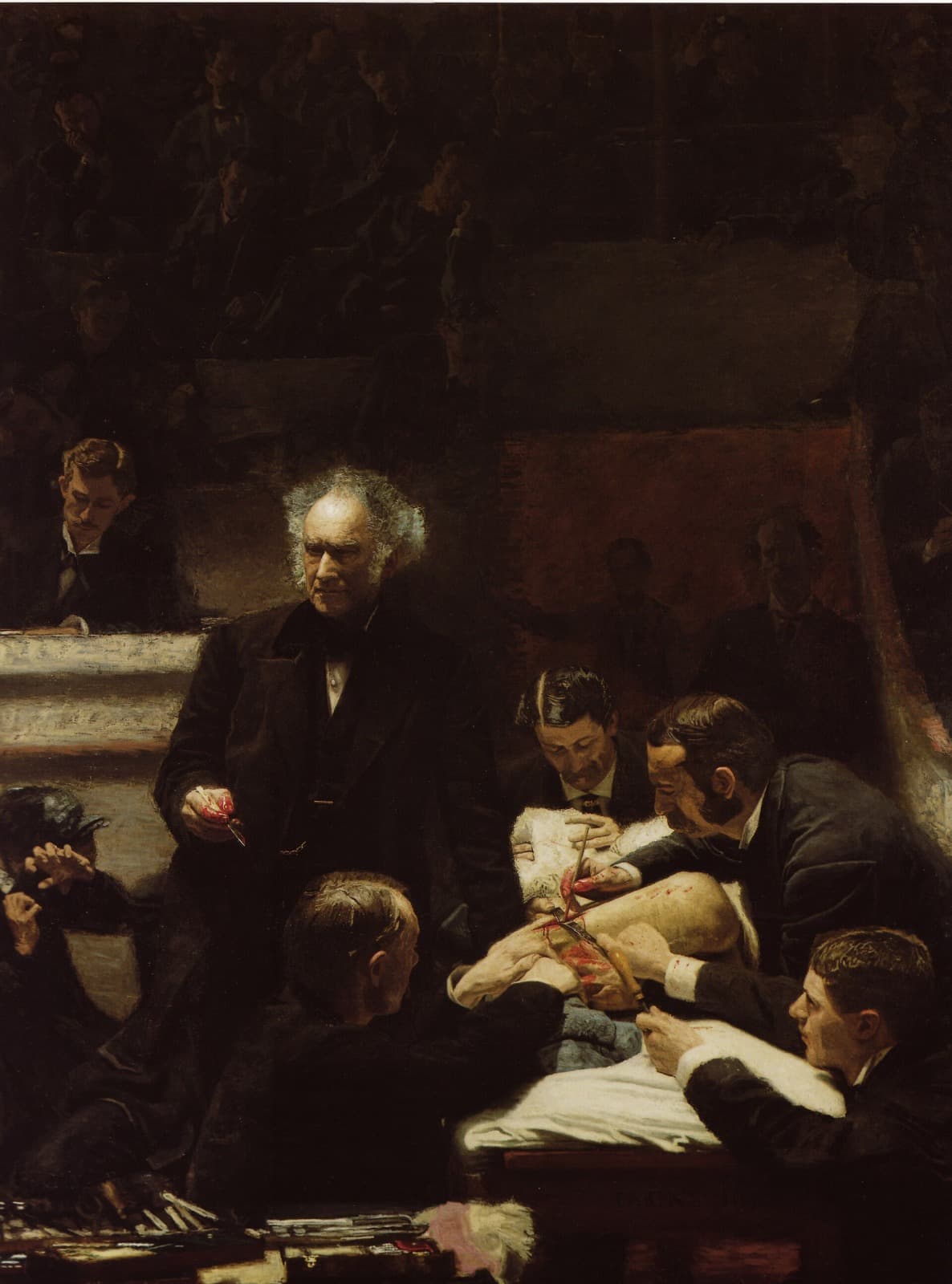
The surgeon turns from the open incision to lecture, scalpel still bloody, while a woman at the side covers her eyes. Philadelphia was appalled.

Van Gogh wanted a room where a man could ruin himself or go mad, and got it with red walls and a green ceiling.

The scales in her hand are empty and perfectly level, and the painting on the wall behind her is a Last Judgment.

Monet and Renoir set up side by side at this riverside resort and worked out the quick broken stroke that became Impressionism.
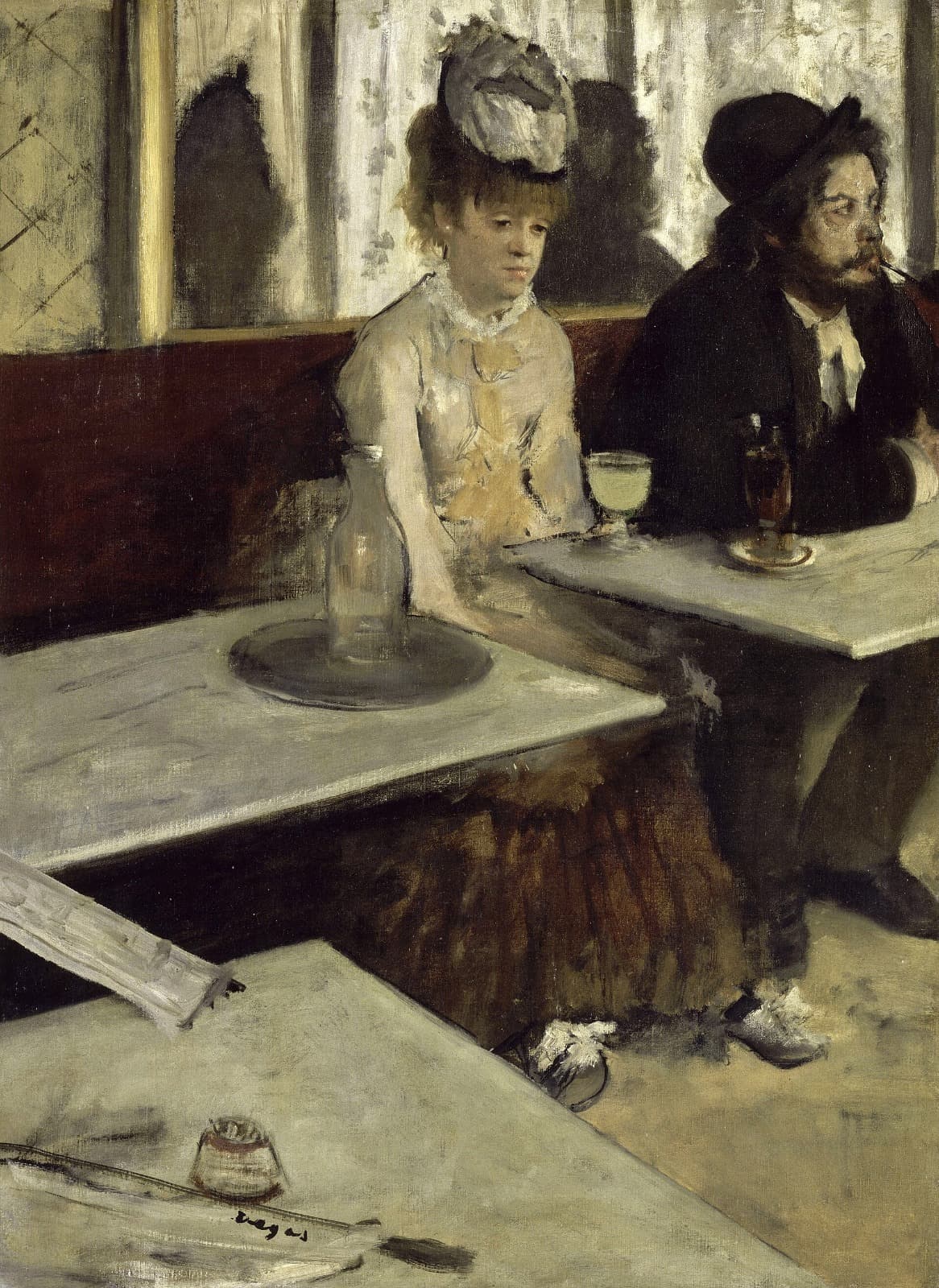
Two people sit shoulder to shoulder at a cafe table staring at nothing, pushed off to one side behind a run of empty tables.

One hand on the pitcher, one on the window latch, and morning light coming through onto a white cap. Nothing happens, perfectly.

A trapper and his son drift downriver at first light with a chained animal at the prow, the water so still it doubles them.