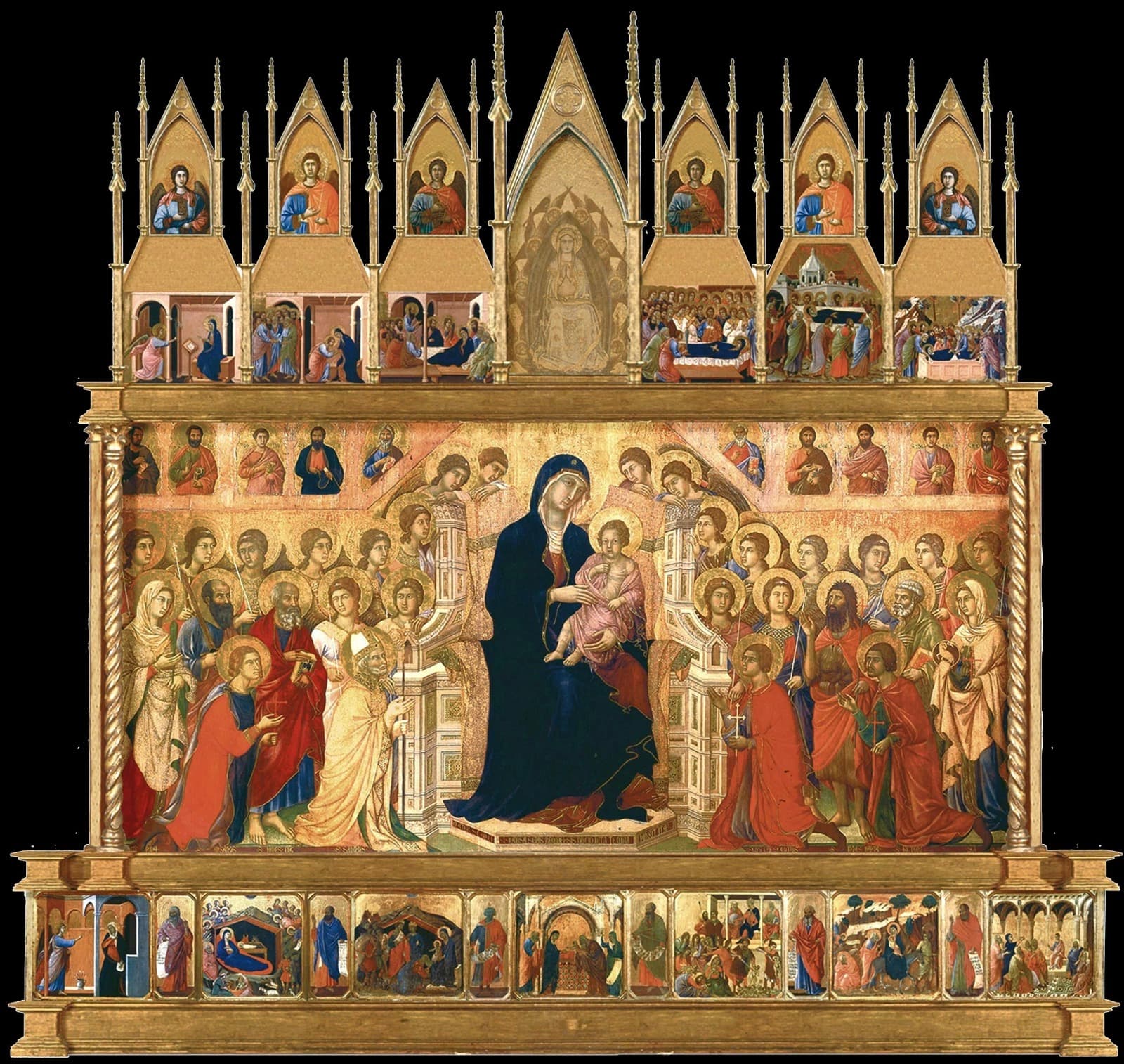
Maesta (Duccio)
1311 · Museo dell'Opera del Duomo (Siena), Siena
When Duccio finished it in 1311 the whole of Siena walked it to the cathedral in procession, with the bells going the entire way.
★ 8.8
 skopia
When Duccio finished it in 1311 the whole of Siena walked it to the cathedral in procession, with the bells going the entire way.
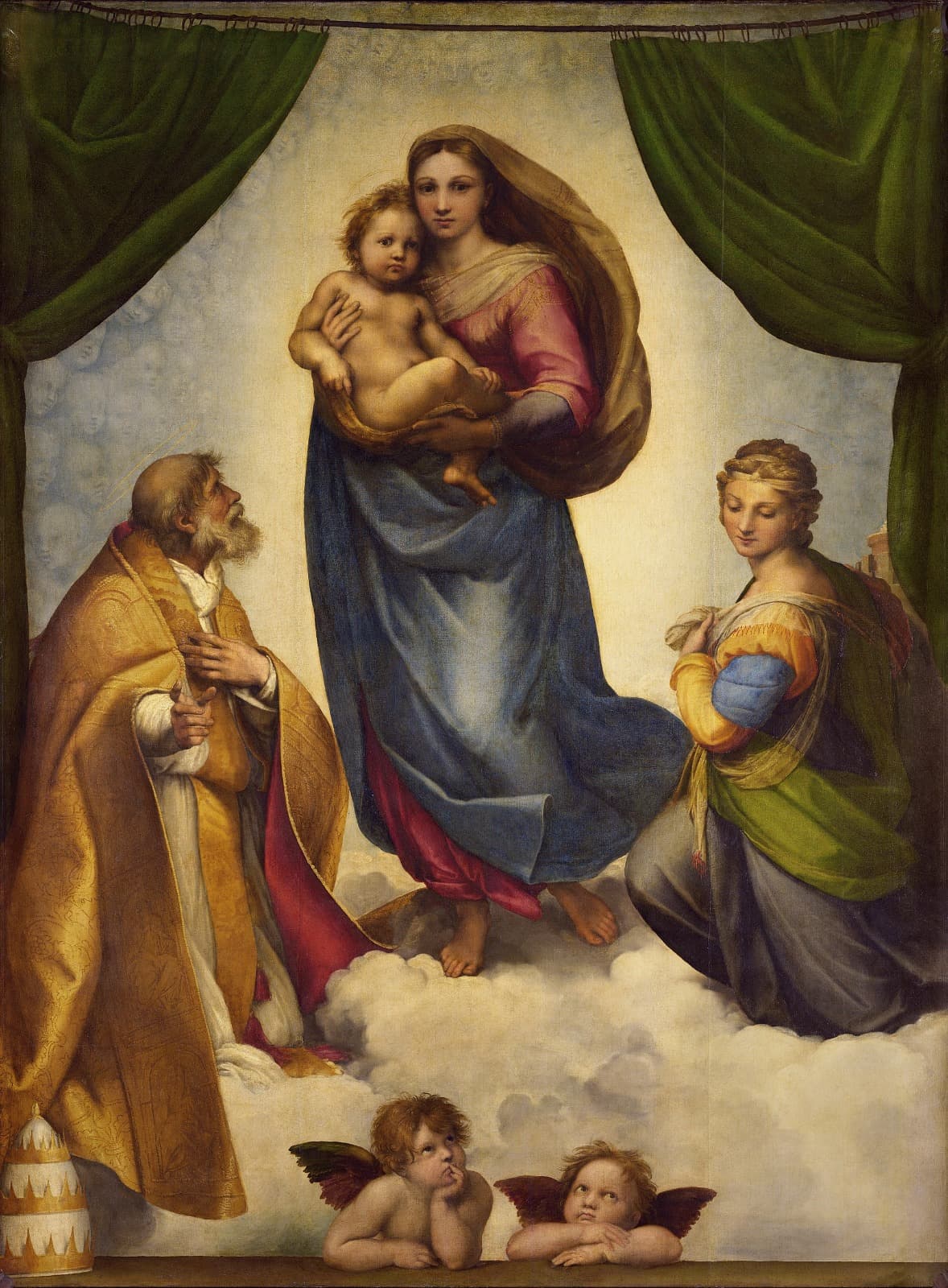
Two bored cherubs lean on the frame at the bottom, and they floated free of the altarpiece long ago onto everything else.
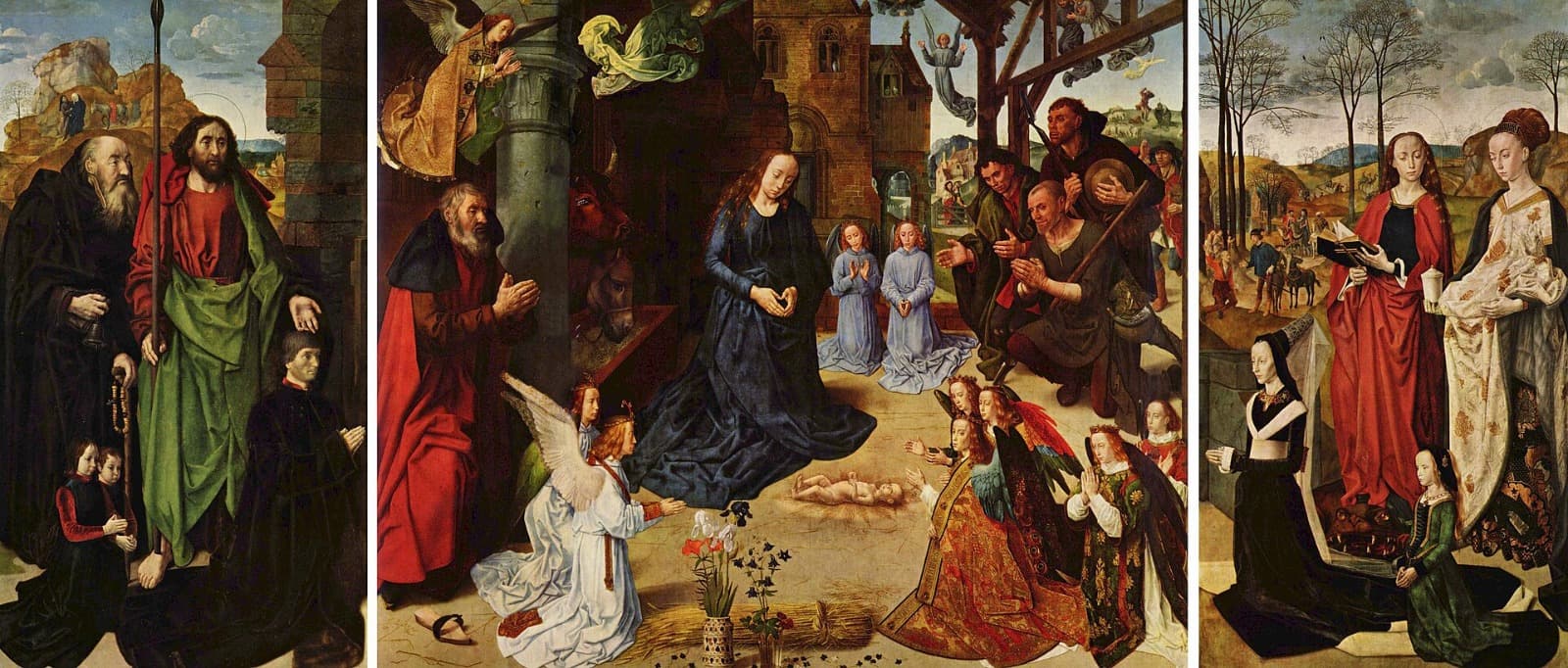
Three weathered shepherds crowd in to look at the newborn, and when the triptych reached Florence from Bruges the local painters took note.

The kings arrive with a retinue of horses, hounds and a leopard, every surface tooled in gold for one of Florence's richest families.
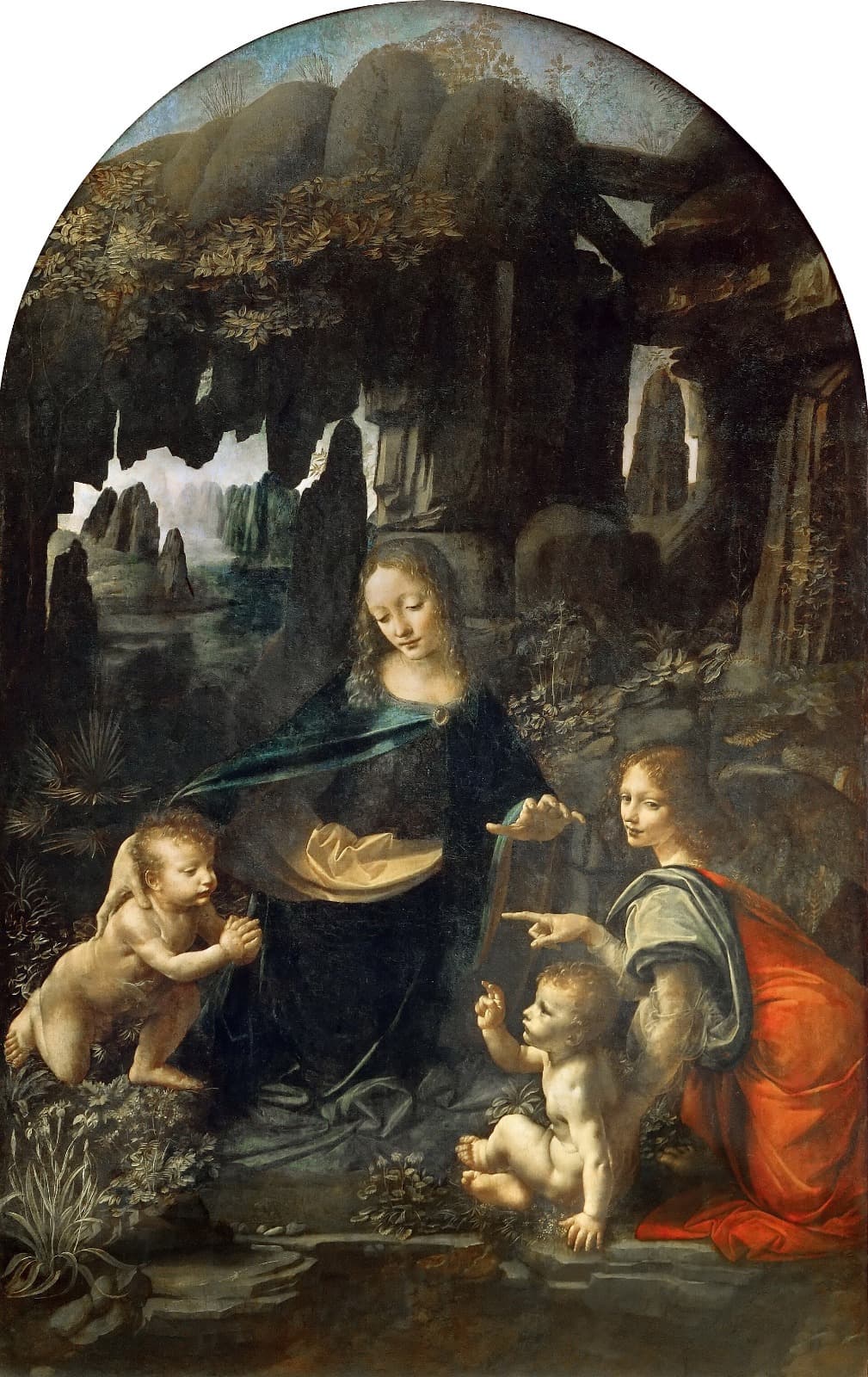
Leonardo painted this cave twice after falling out with the patrons. This is the earlier version, the one that stayed in France.

Van Eyck spared the old canon nothing: the stubble, the swollen hands, the spectacles. His armored saint mirrors the whole room in miniature.
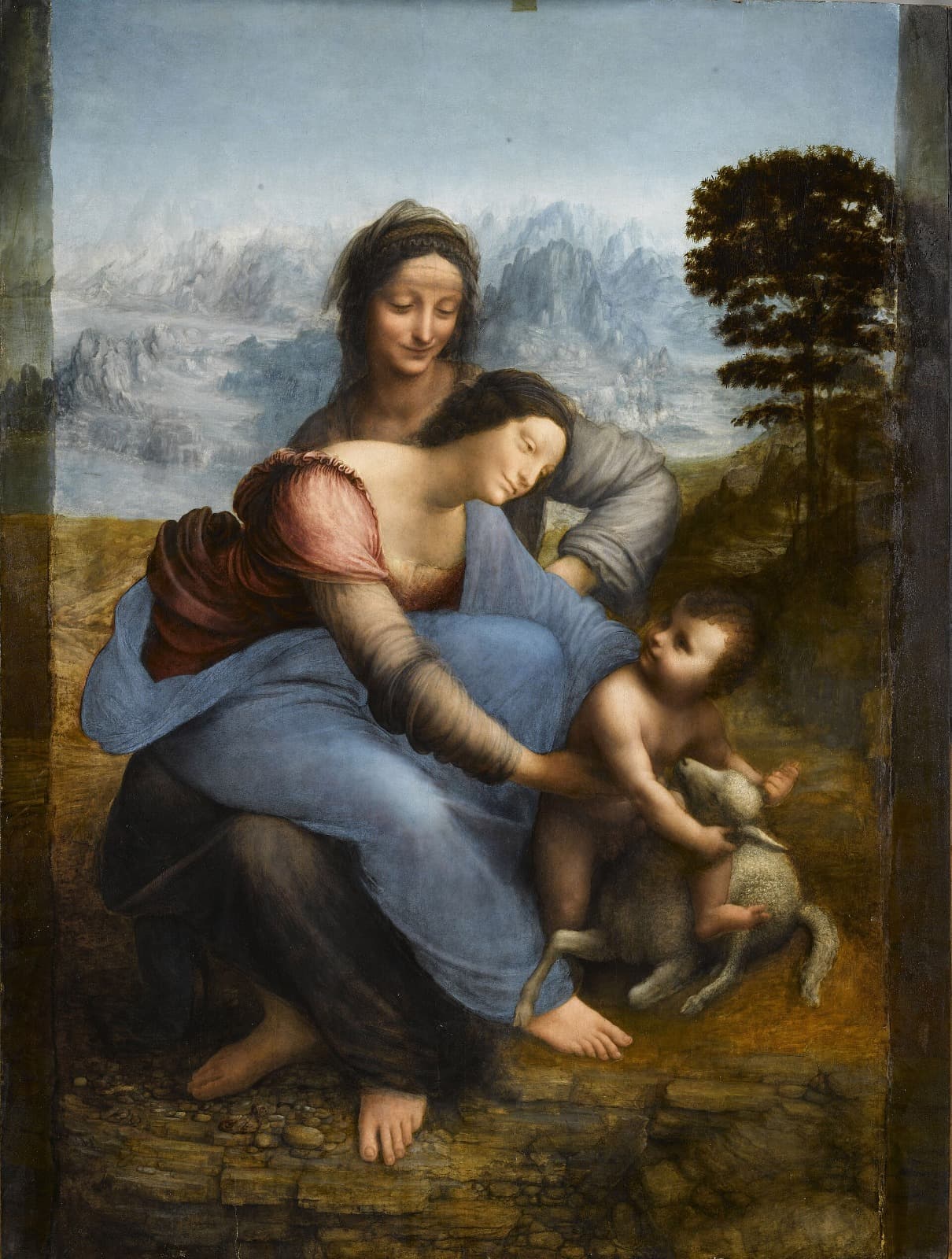
Three generations nest into one shifting pyramid, and Leonardo kept reworking it for years without ever calling it finished.

An ostrich egg hangs from the vault and pulls every sightline down. Federico is shown from the left because a tournament took his right eye.
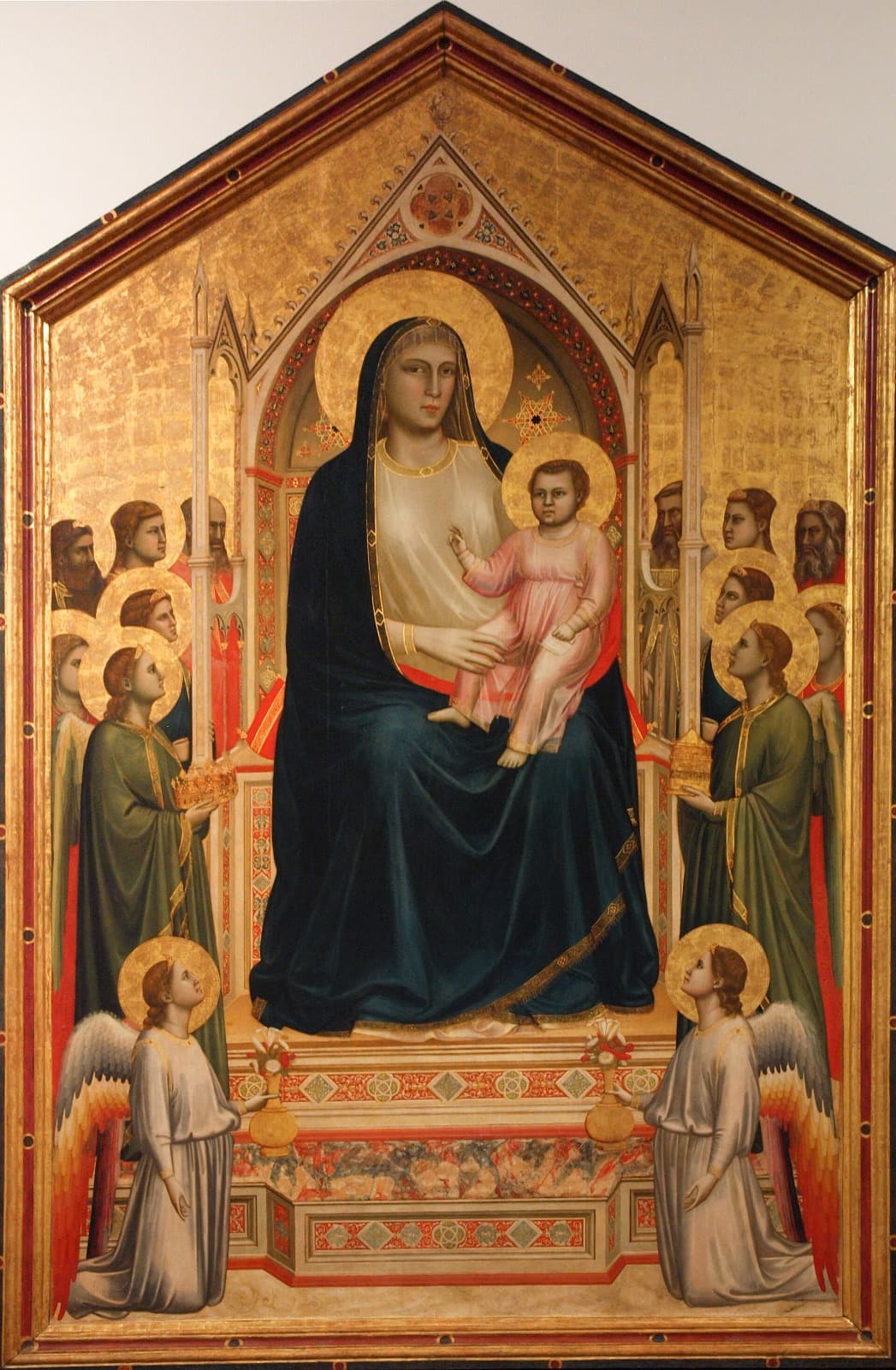
Where Cimabue and Duccio floated their Madonnas on gold, Giotto gave his weight, a real throne, and a body that presses through the cloth.

The saints share one continuous space instead of separate compartments, and the two kneeling physicians are the name-saints of the Medici who paid.

No halo, no manger, just a candle shielded by a hand and a swaddled baby, and it still reads as a nativity.
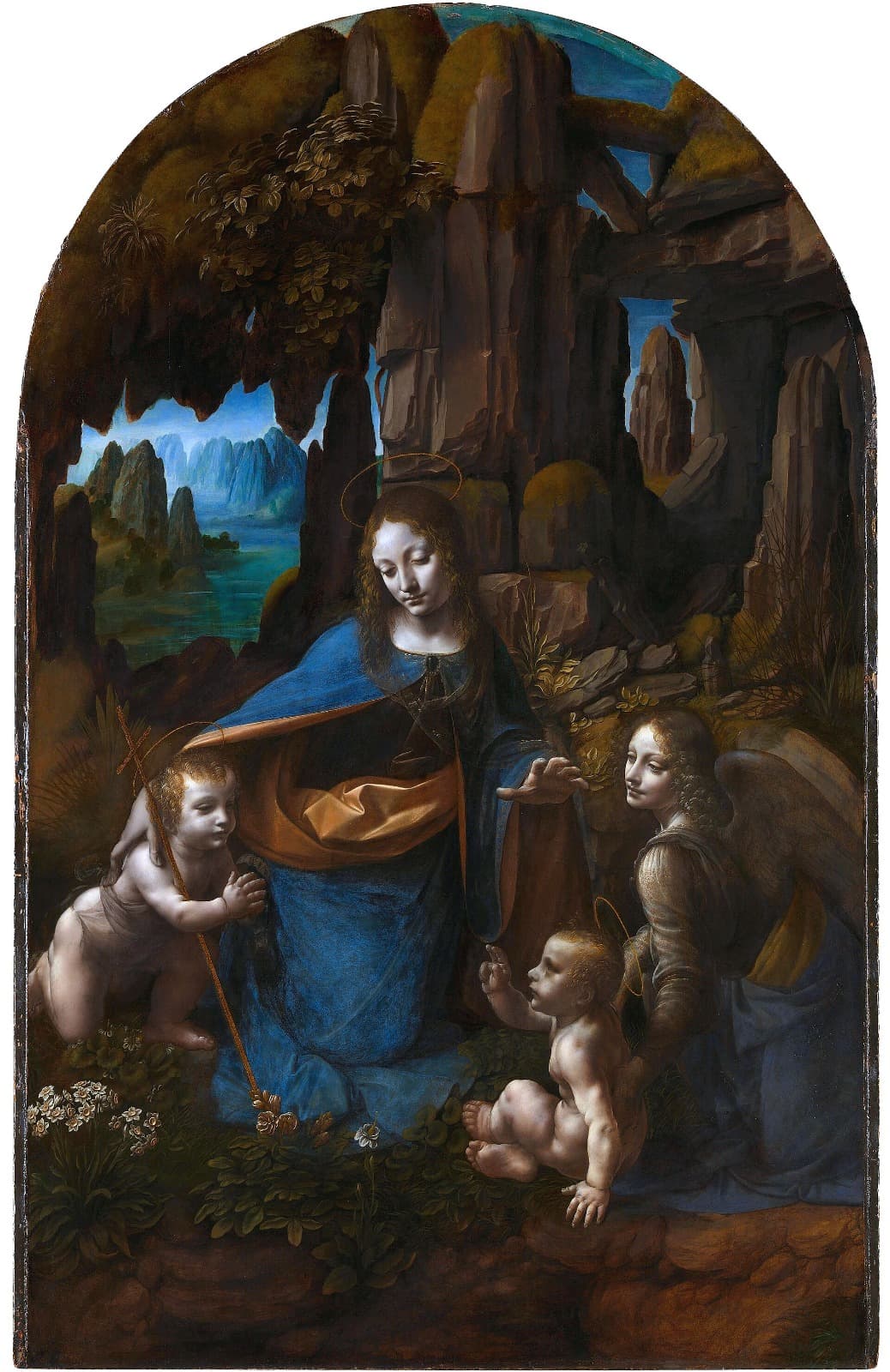
The second version, painted to settle a long quarrel with the confraternity. Everyone now has a halo and the angel has stopped pointing.
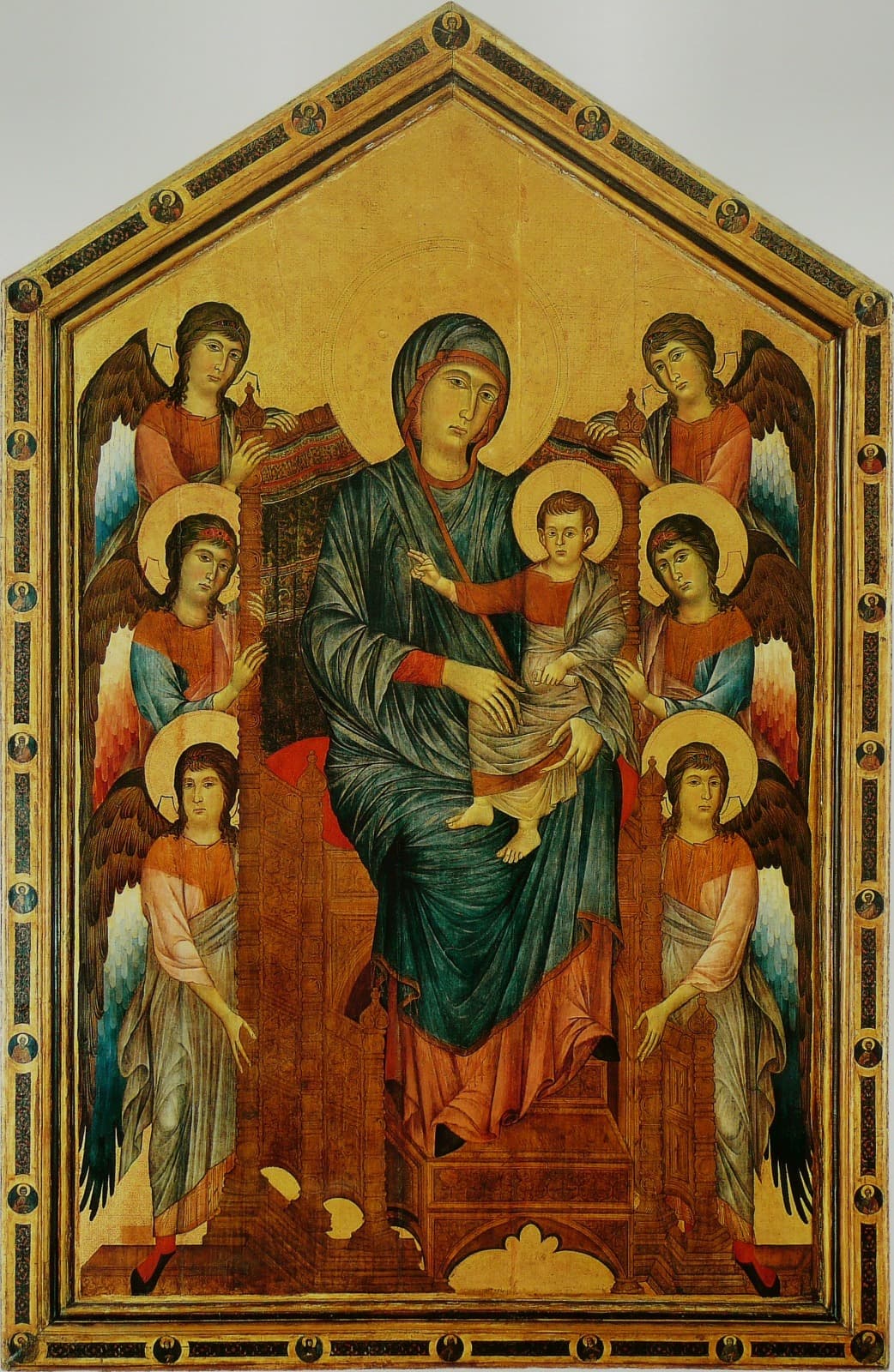
Six angels stack up the sides of the throne against gold. Cimabue taught Giotto, and the throne here is just beginning to recede into space.
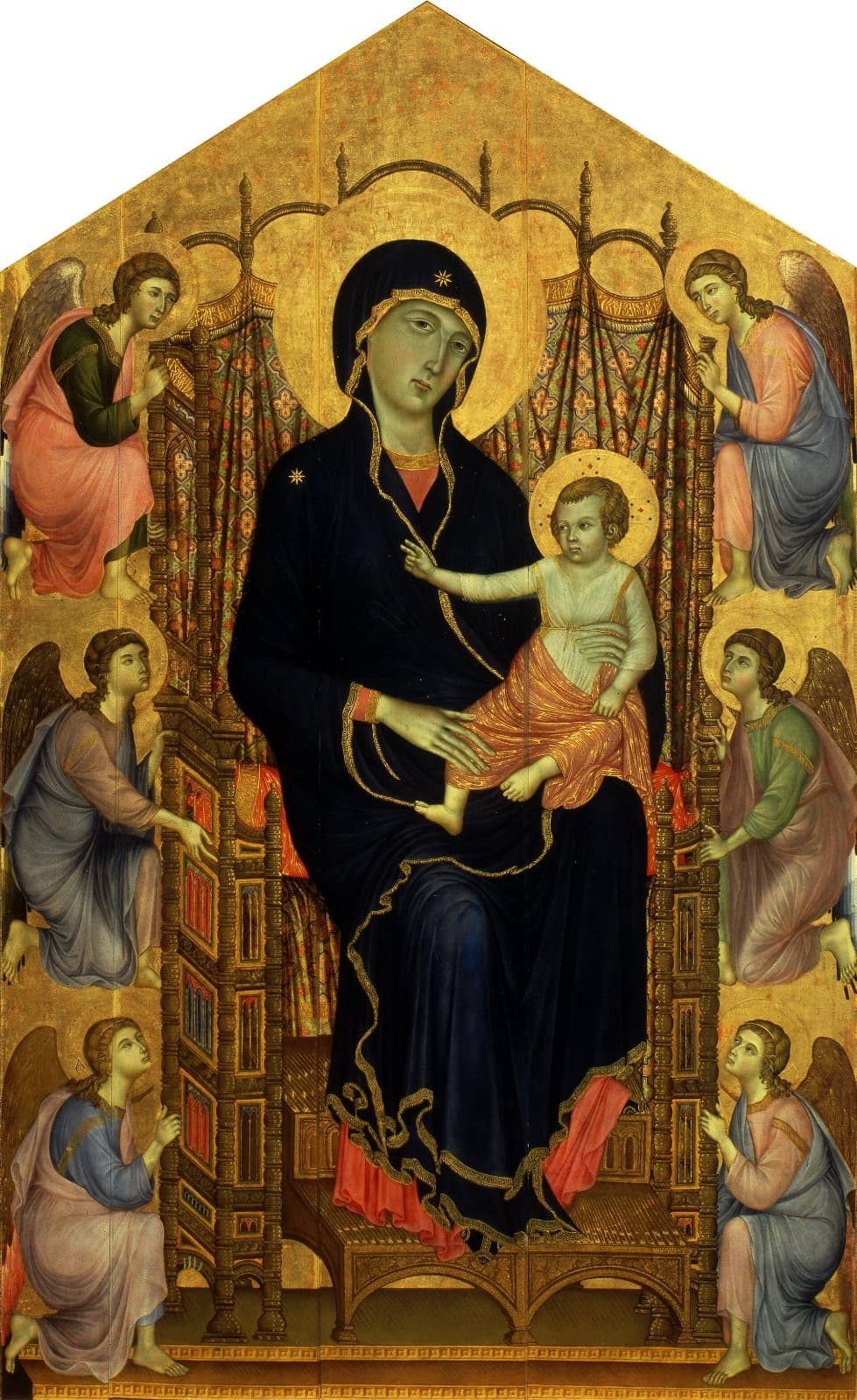
Four and a half meters tall, the largest panel painted in its century, with six angels kneeling to steady a throne that seems to float.

The Virgin is far too big for the cathedral because she stands for the Church itself, and real sunlight falls in patches across the floor.

The little demons carved on the pedestal were taken for harpies and gave the picture its name. Del Sarto was called the faultless painter.
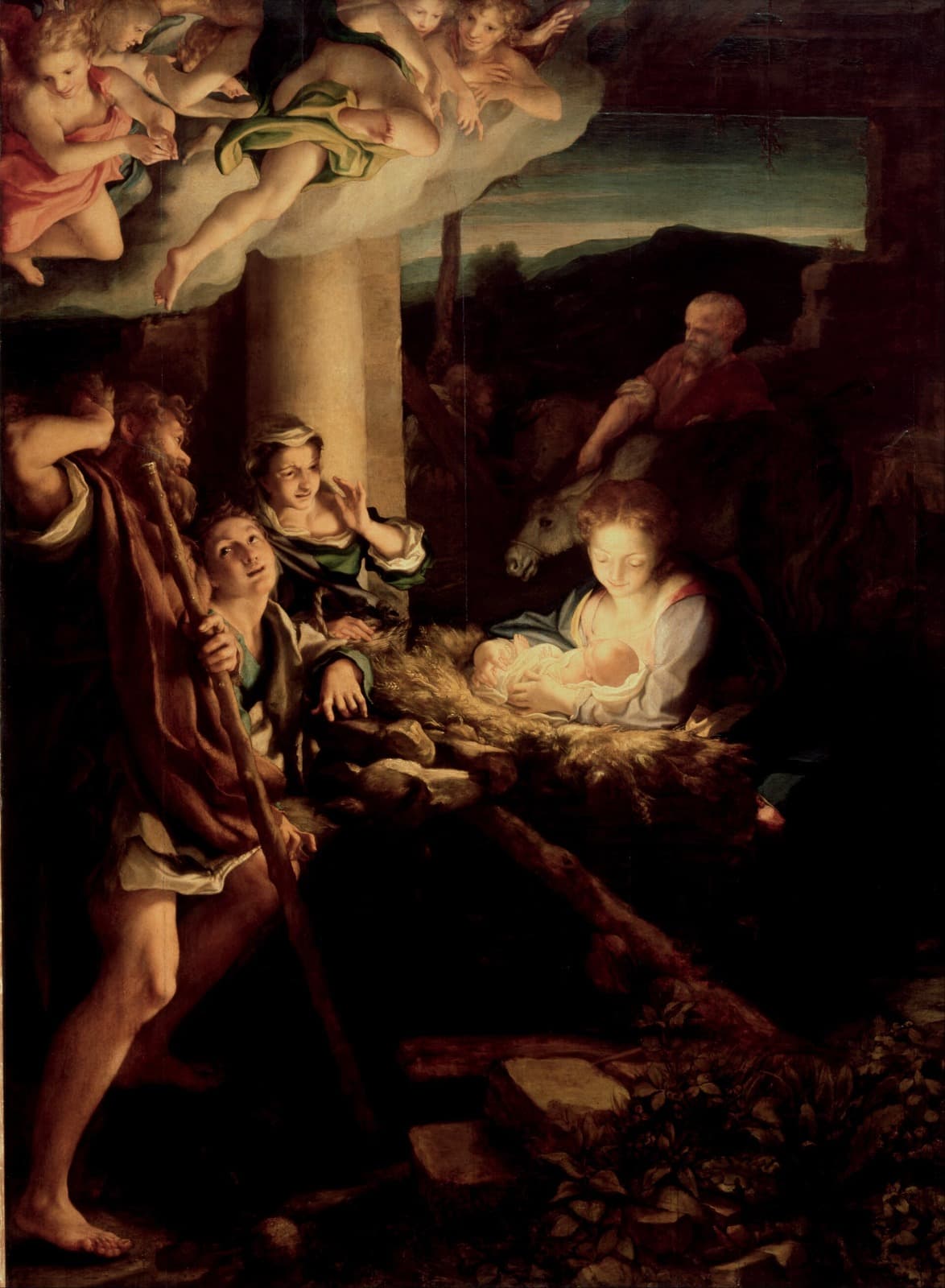
All the light in the picture comes off the newborn child, and one shepherd throws up a hand against the glare.

The holy family is tiny and the landscape does everything, which is the arrangement Poussin and Claude would build whole careers on.

The three kings are Medici, and the young man in the saffron cloak at the right, looking straight out at us, is Botticelli.
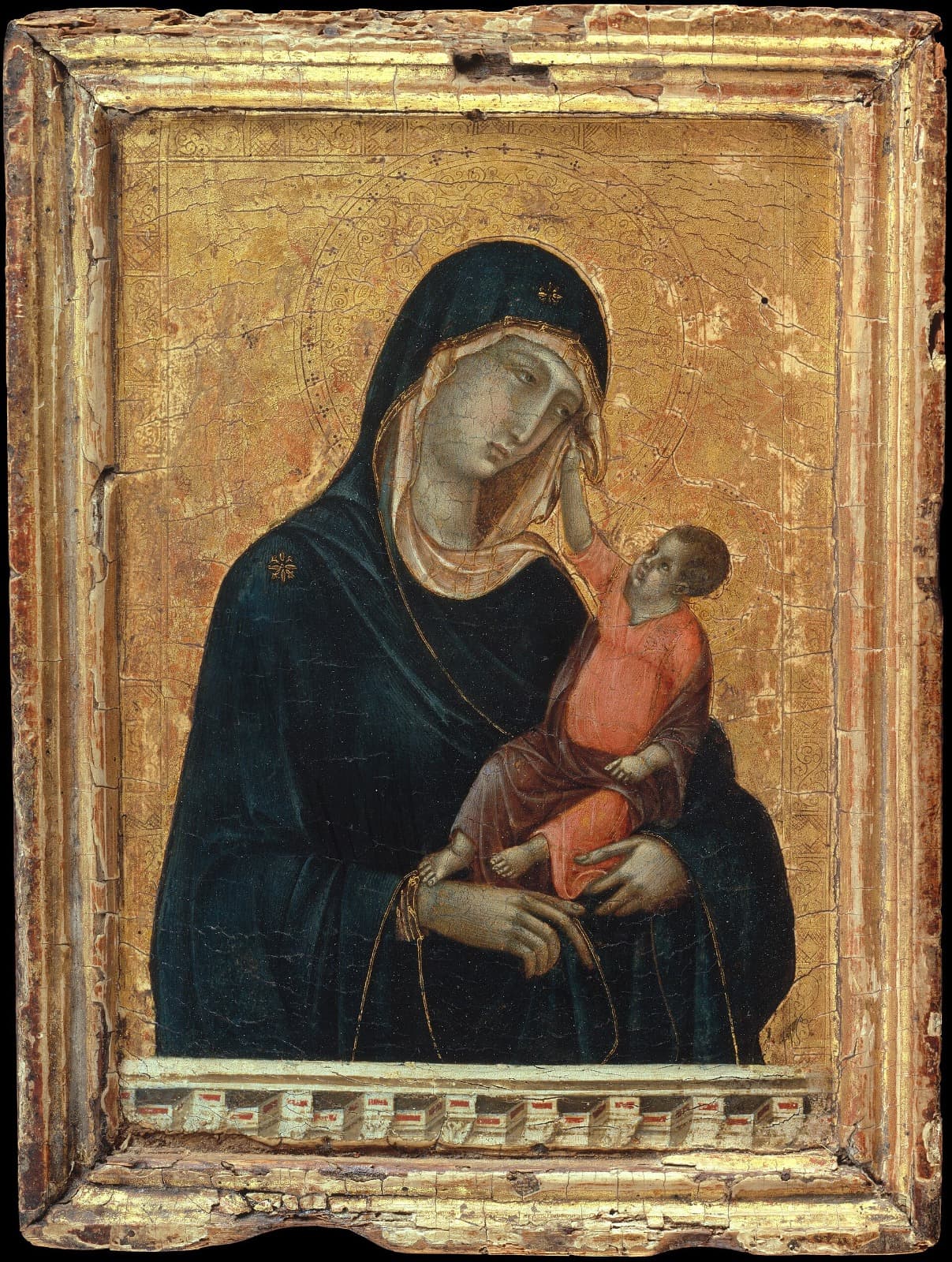
Christ reaches up to push his mother's veil aside. Scorch marks on the original frame record centuries of candles set before it.