
Lamentation of Christ (Durer)
1500 · Alte Pinakothek, Munich
The tiny kneeling figures in the corners are the Nuremberg family who paid for it, inserted so they could share in the grief.
★ 4.8
 skopia
The tiny kneeling figures in the corners are the Nuremberg family who paid for it, inserted so they could share in the grief.
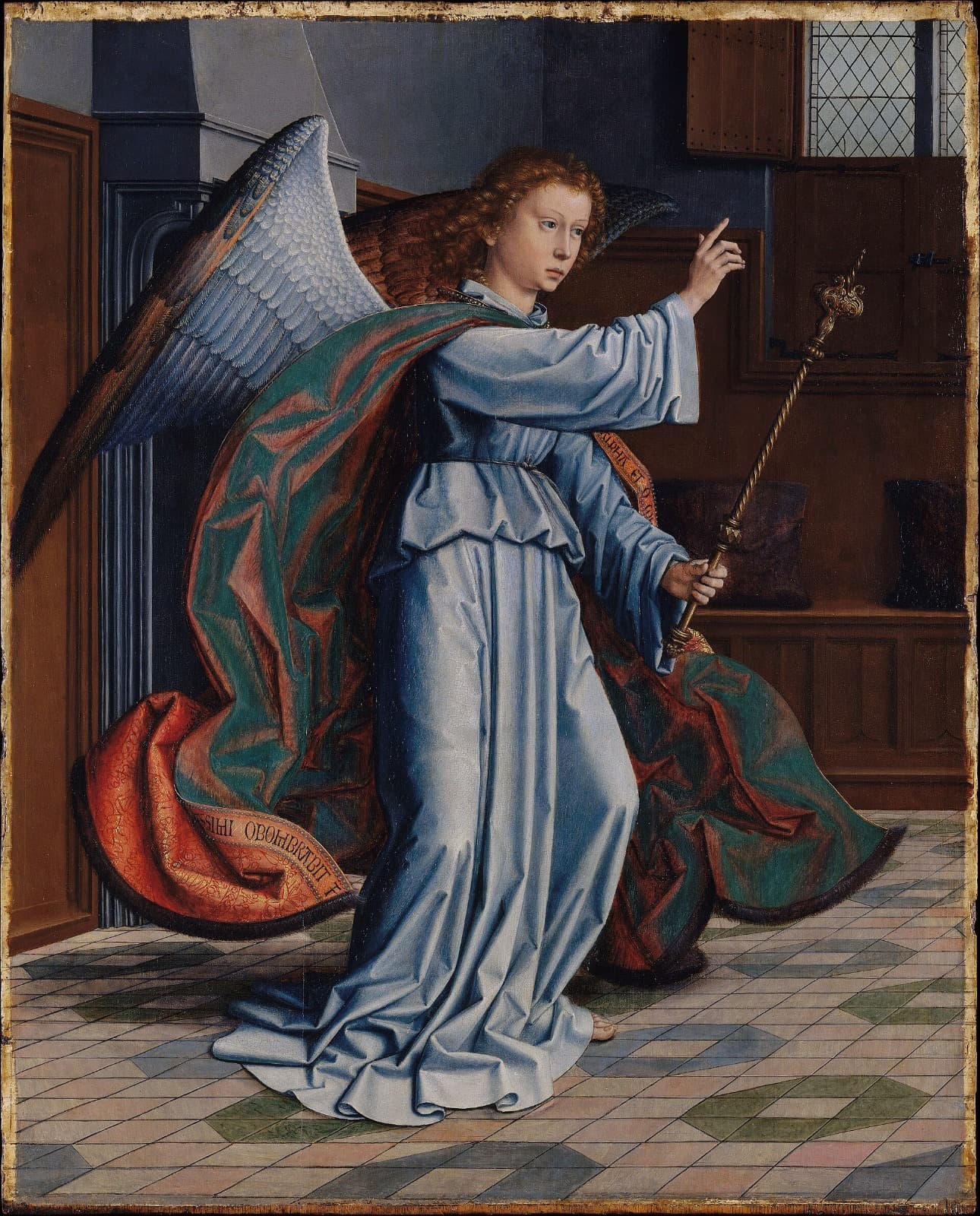
This is only the angel. Mary received the message on a companion panel, and the two now hang together as a pair.

Coins and cards on the table and a great deal of sidelong glancing. Somebody is being cheated, and the intrigue may not be financial.

An inscription gives his age as ninety-three. Dürer drew him in Antwerp and used the head soon after for a Saint Jerome.
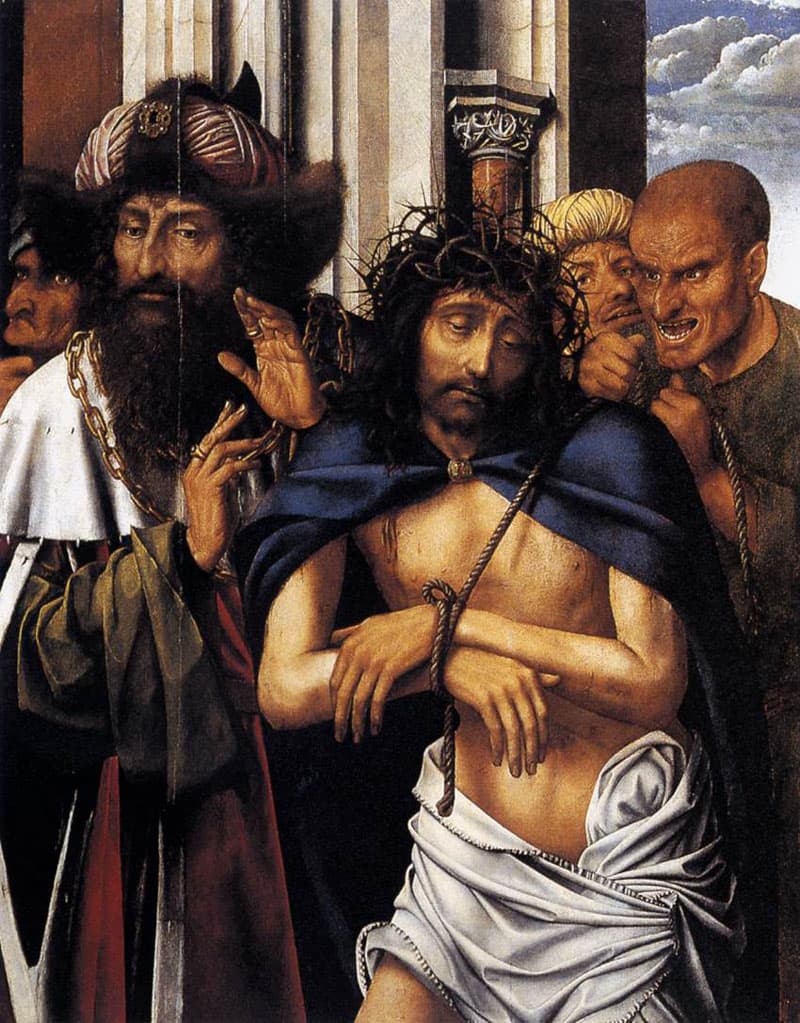
Christ stands with his eyes lowered while the faces around him are twisted into snarls. Matsys made ugliness do the moral work.
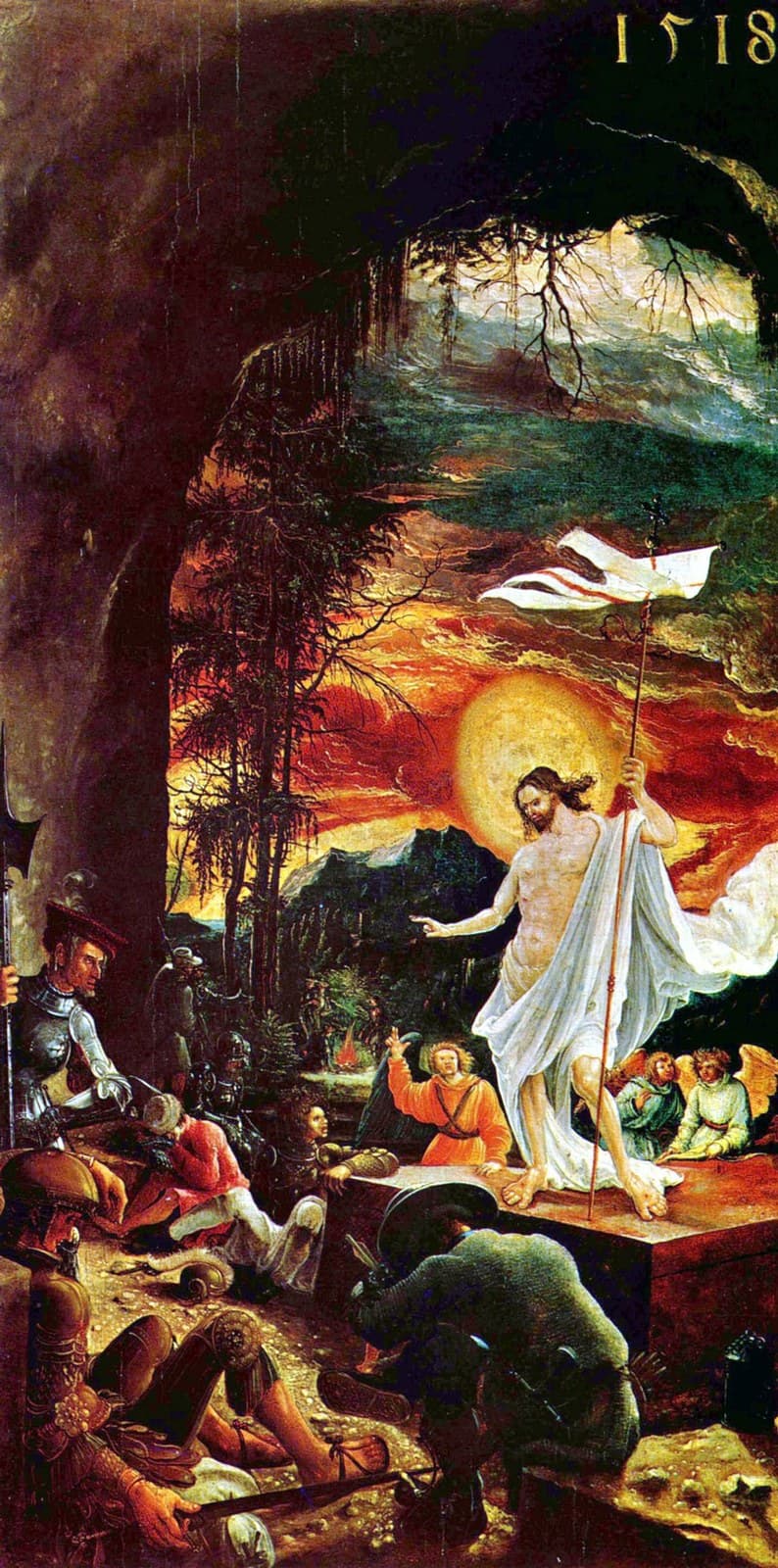
Christ rises with his banner while an unearthly dawn detonates behind him in bands of orange and scarlet over black crags.

A man rides a wine barrel while swimmers chase a floating pie. It was sawn off the bottom of the Ship of Fools.
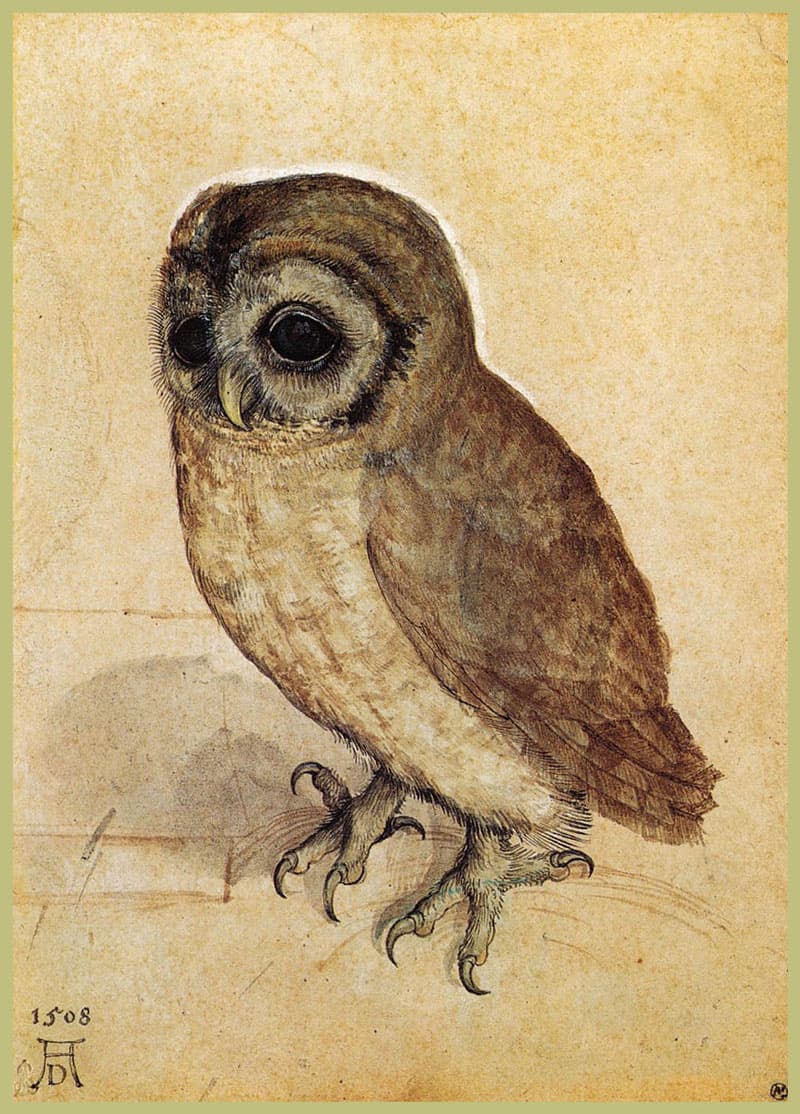
Owls carried centuries of symbolism in the north, but Dürer's is mostly just an owl, looking back at you with its talons over a ledge.

Thousands are clubbed and thrown off cliffs, and Dürer paints himself walking calmly through the middle of it holding a banner with his name.
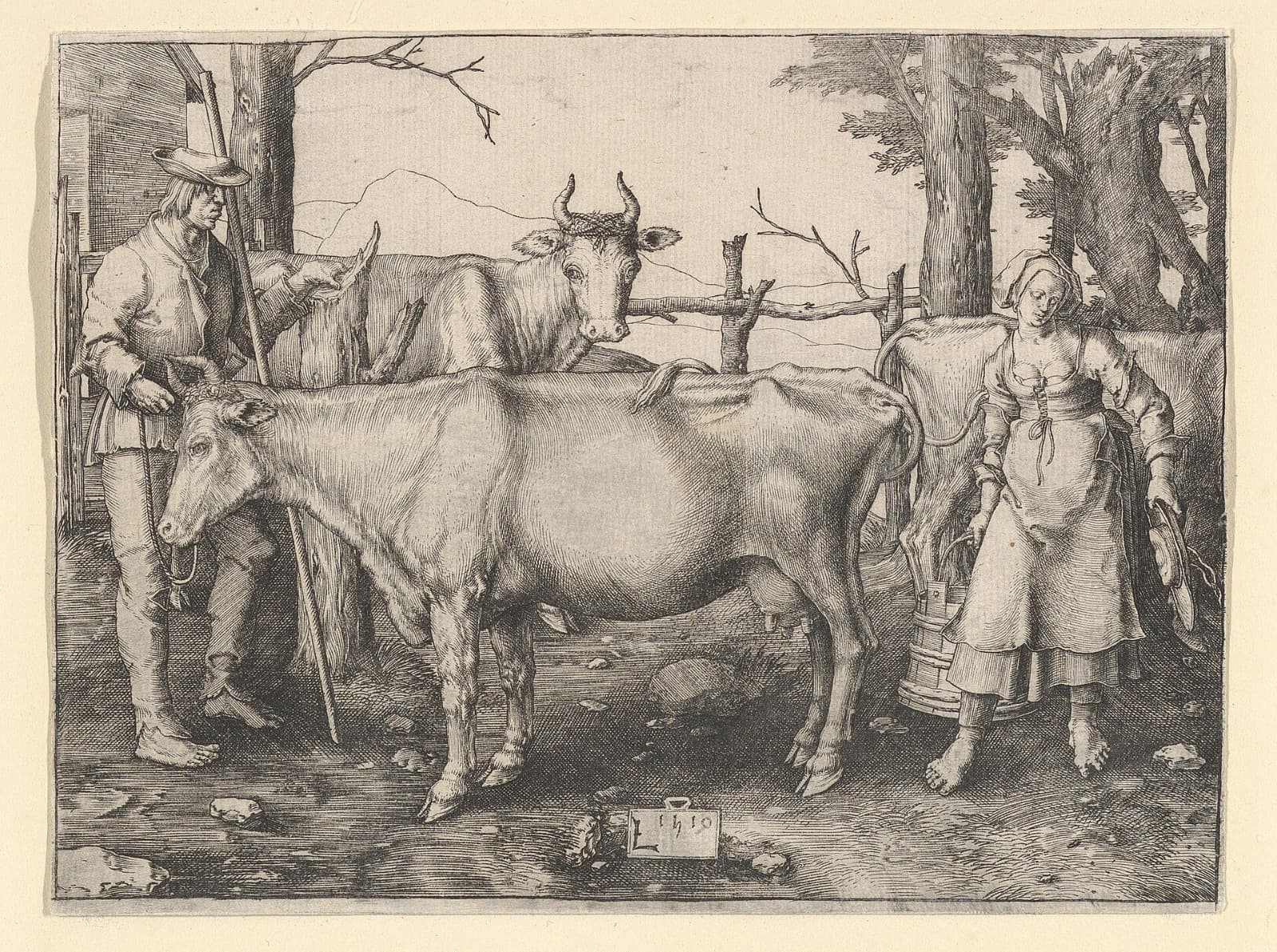
A milkmaid, a herdsman and two cows, and almost nothing happening. One of the first prints to take peasants as a subject worth the burin.

You take in the whole river valley before you notice the sower at the bottom corner, or Christ preaching from a boat behind him.

The episode appears in no Gospel at all, and Altdorfer nearly buries the figures under a forest of enormous trees and luminous sky.

The lyrical Bosch, all calm light and wide landscape, except for the small insect-demon with a human face tending a fire in the corner.
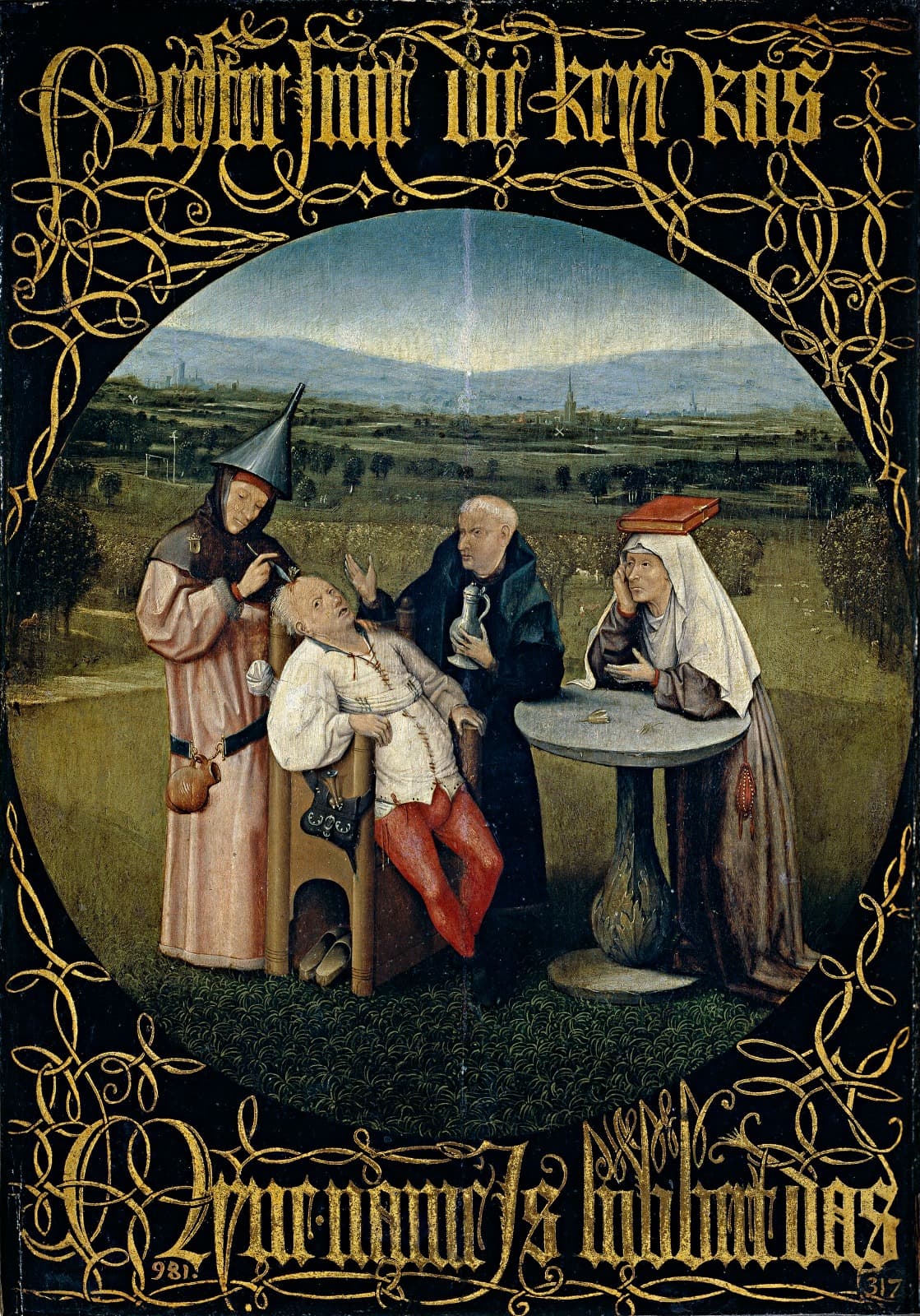
A quack in a funnel hat cuts the stone of madness out of a man's head, and what comes out is a flower.
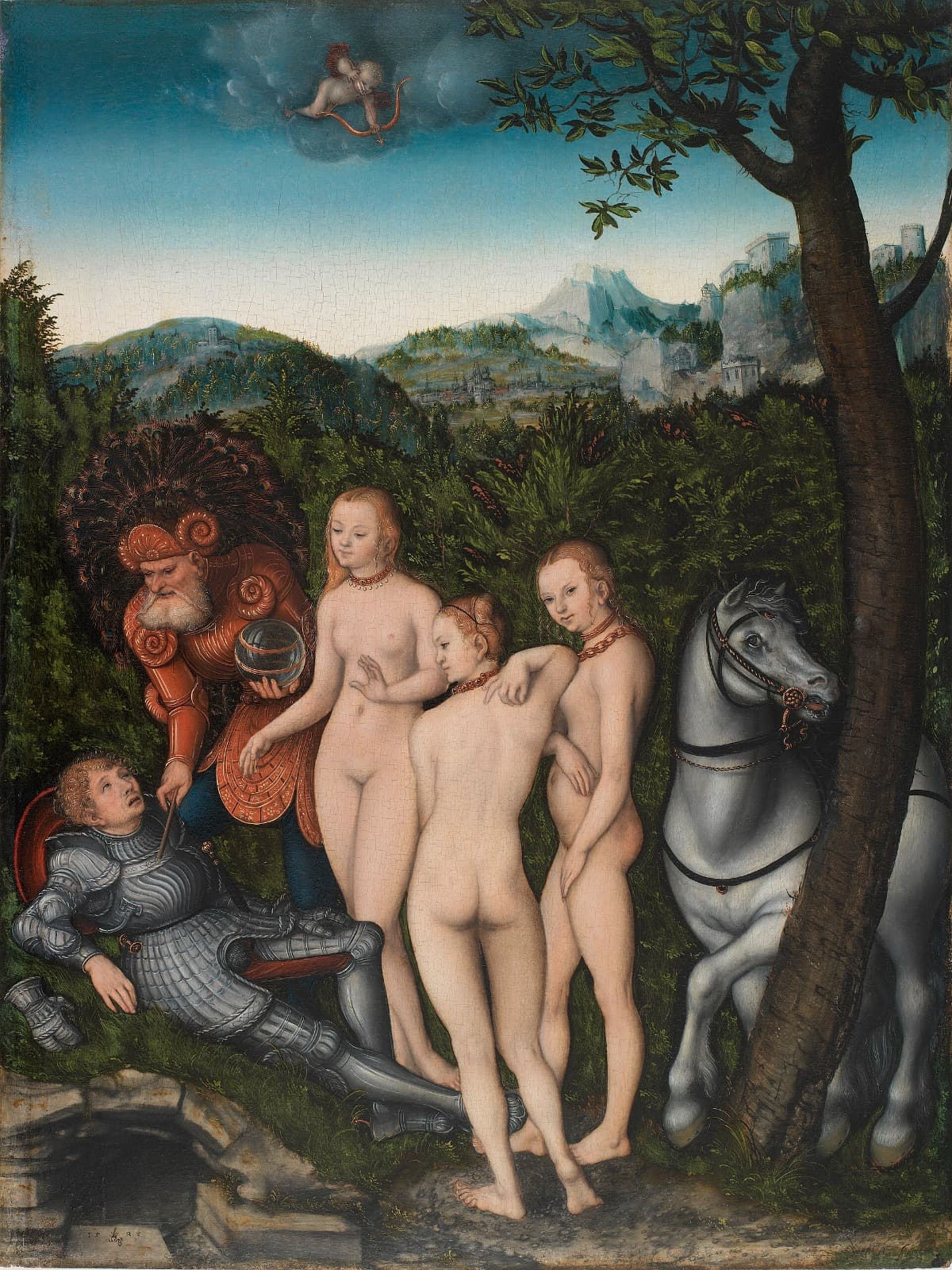
Paris turns up as a German knight in plate armor and the three goddesses wear nothing but jewels and improbable hats.

The widow grips a red-hot iron bar unharmed to prove her husband was innocent after he had already been beheaded. Painted for a courtroom.
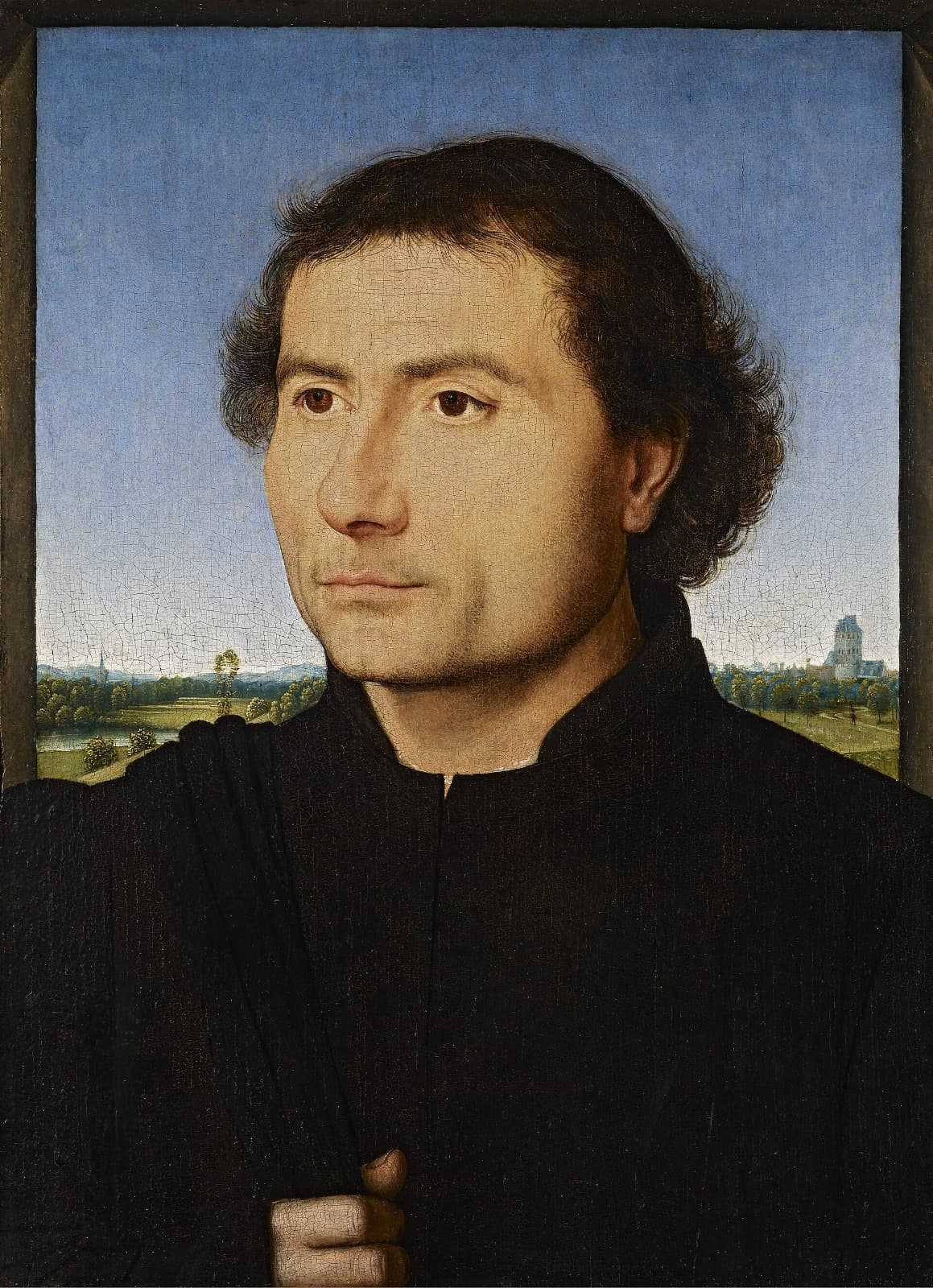
Memling put his sitters in front of open countryside instead of a dark ground, an idea that traveled to Italy and came back changed.

Death comes through the door while an angel points to the crucifix and a demon offers one more bag of gold. The man has not chosen.

Blindfolded and beaten while pipers play to make a show of it. Everything Italy was perfecting at that moment, Grünewald wanted none of.

A single thread of gauze links the baby, the beauty, the crone and Death holding an hourglass. Baldung was Dürer's pupil, with darker interests.