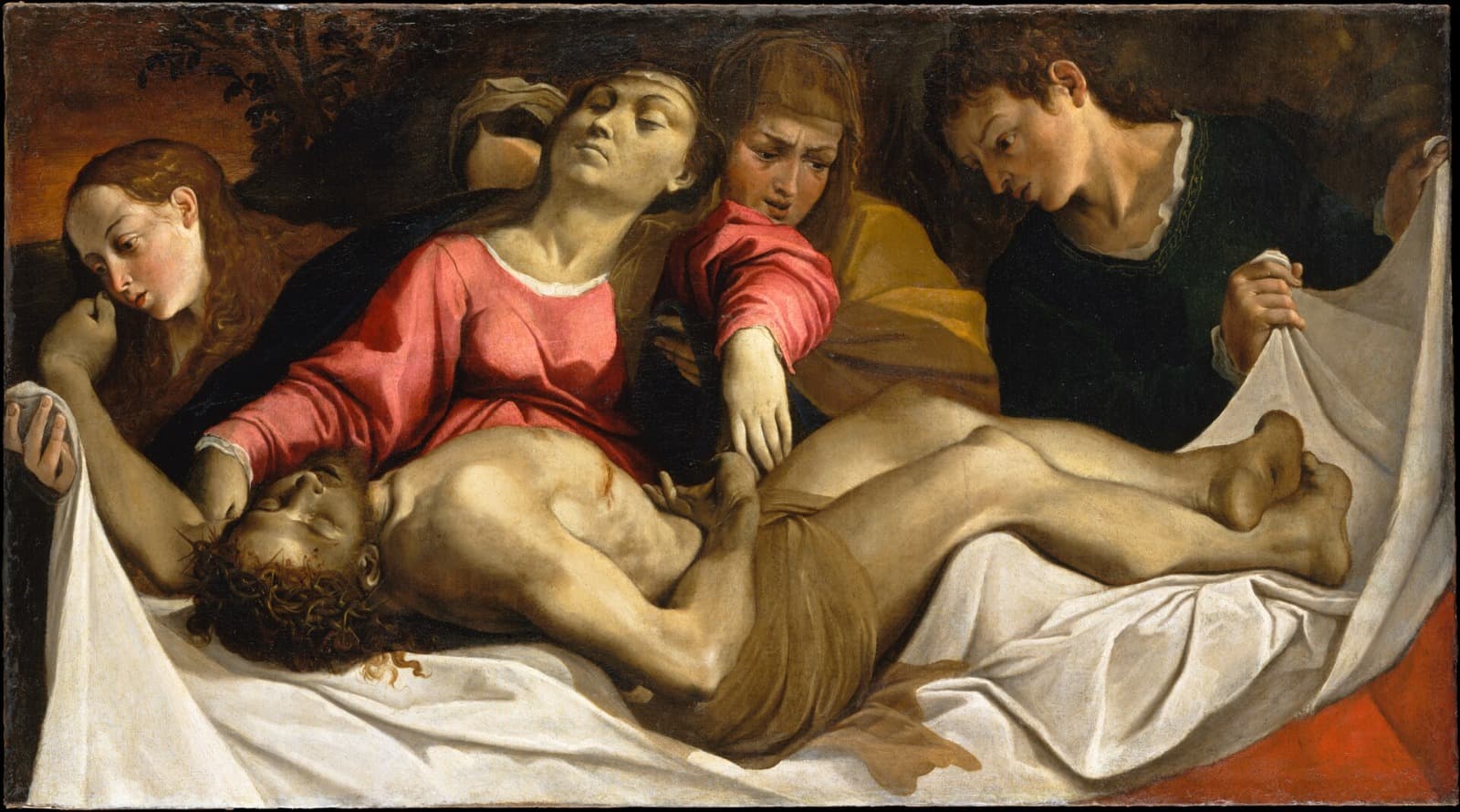
The Lamentation
1582 · Metropolitan Museum of Art, New York City
The body pushed close to the viewer and lit in sharp pools. The Carracci taught a generation to weld grandeur to direct feeling.
★ 4.4
 skopia
The body pushed close to the viewer and lit in sharp pools. The Carracci taught a generation to weld grandeur to direct feeling.
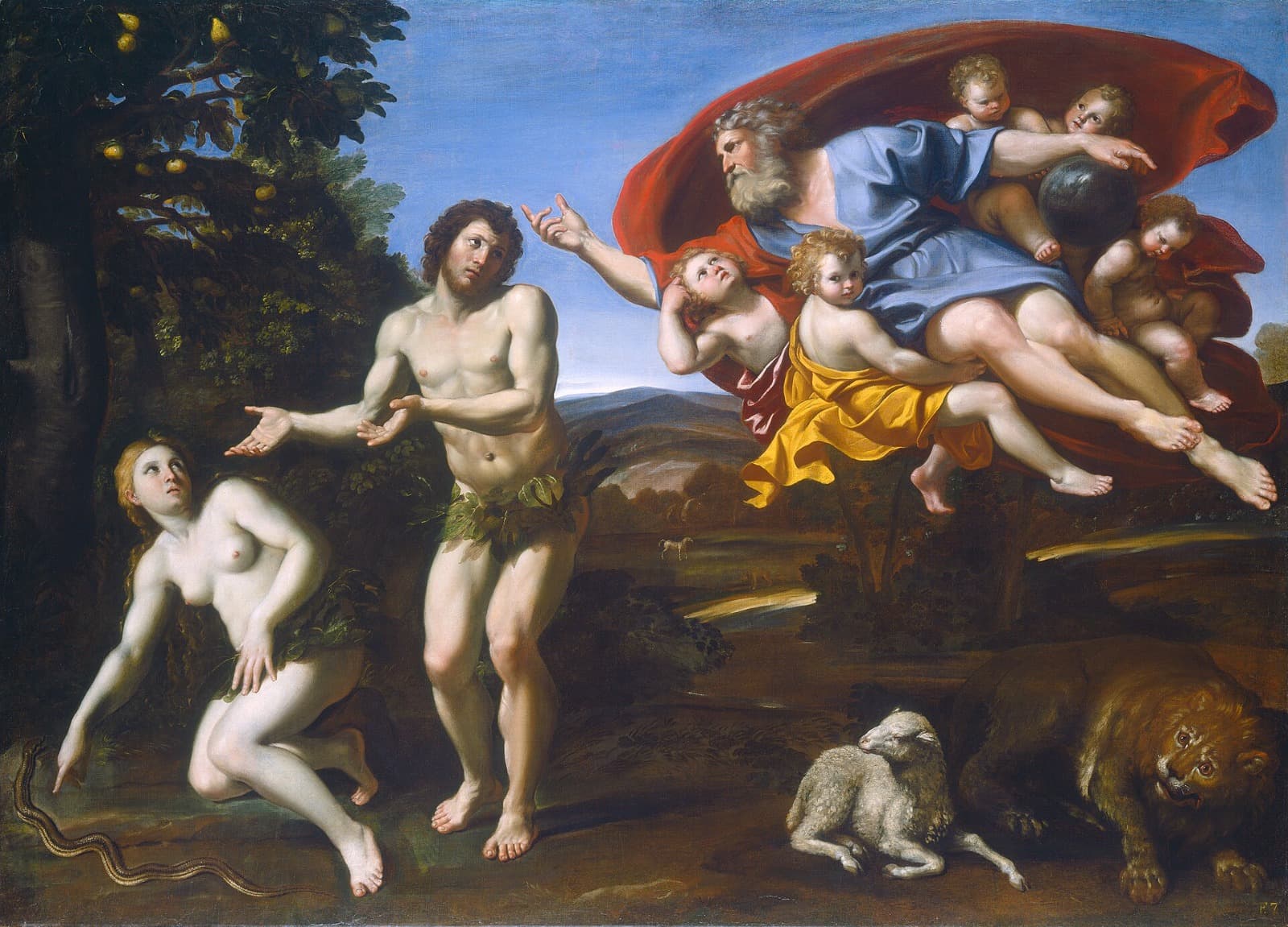
Adam points at Eve, Eve points at the serpent, and the first sin turns into an ordinary comedy of passing the blame.
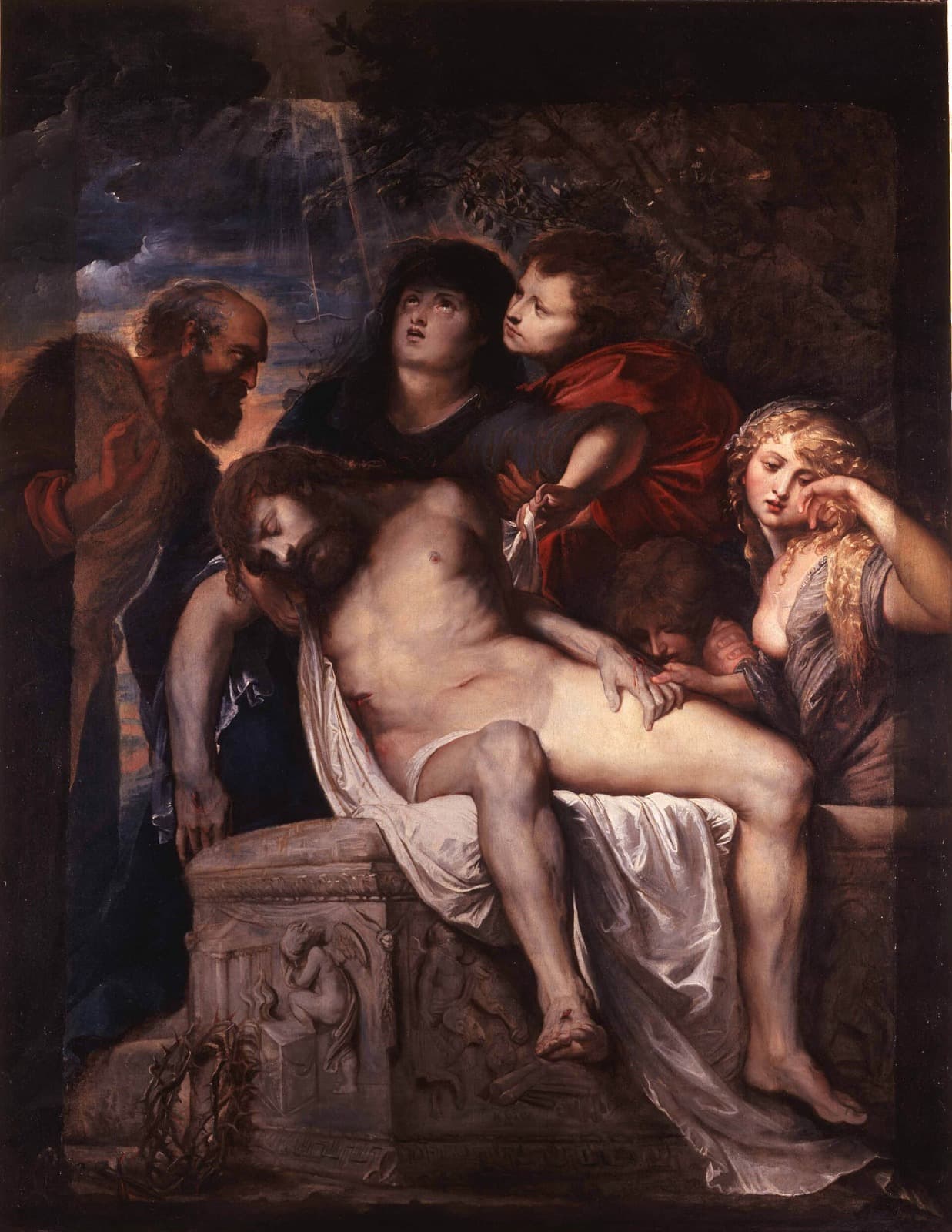
Rubens worked this out in Rome while studying Caravaggio, a rehearsal for the great Descent he would paint back home in Antwerp.

Hundreds of minutely painted fish, baskets and hagglers. They called him Velvet Bruegel for exactly this kind of finish.

The shepherd carries the twins home to his wife with the she-wolf still nearby. Rome's founding myth as a foundling story.

A few sweeps of brush and brown ink, most of the paper left bare, and the whole weight of a sleeping head is there.

Christ preaches from a hilltop and is almost too small to find. Claude was really painting the hills, the water and the distance.
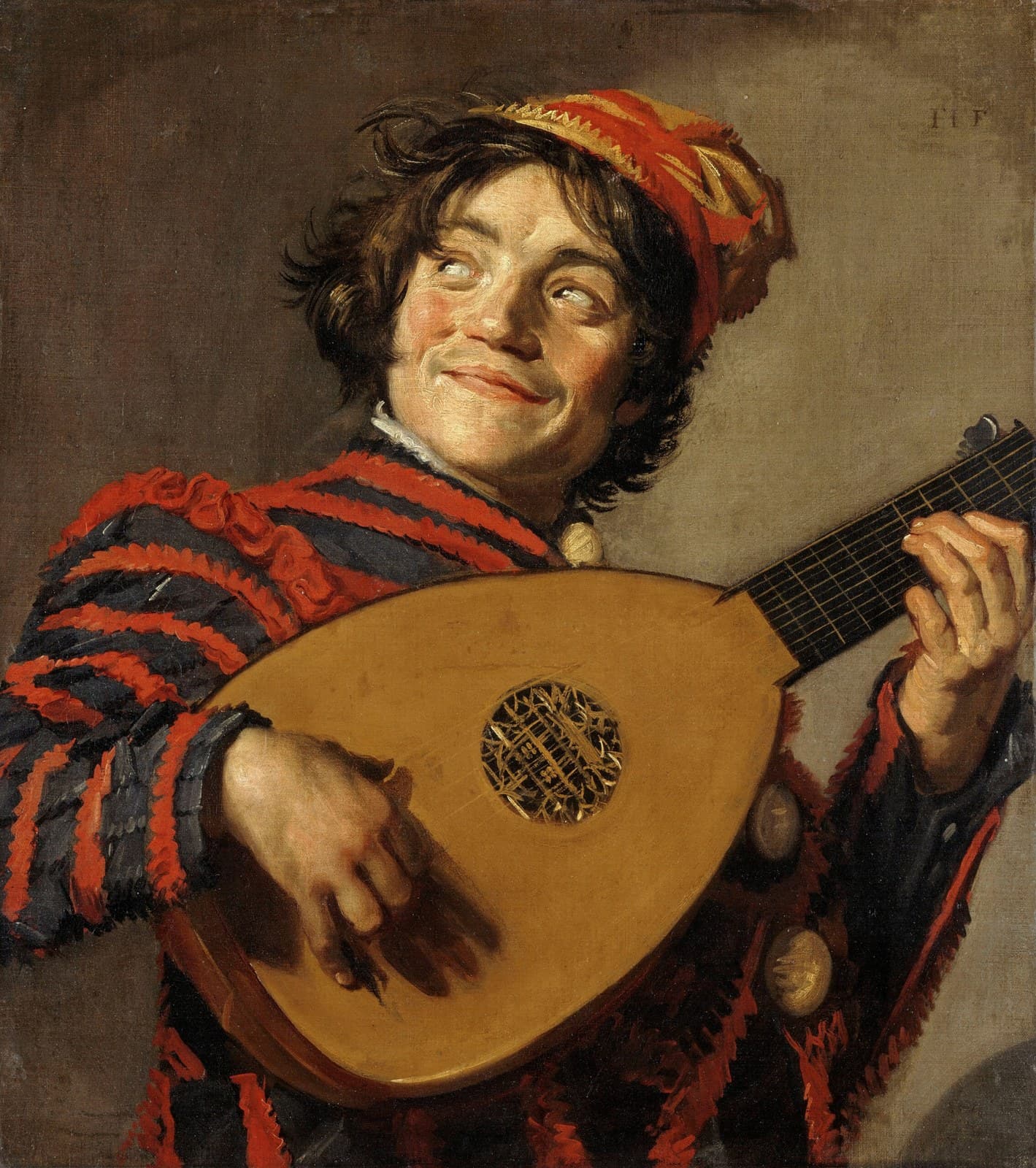
Caught mid-strum with his cap askew and his mouth open, painted so fast the brushstrokes still seem to be moving.

Neptune drives his trident down to still the waters. It was made for a fountain, so real water once finished the sculpture.

The horse and the groom take up most of the canvas and neither notices anything. The miracle happens entirely inside the man on the ground.

Rubens painted this descent years after the Antwerp one, and the two together show him reworking the same falling body across a career.
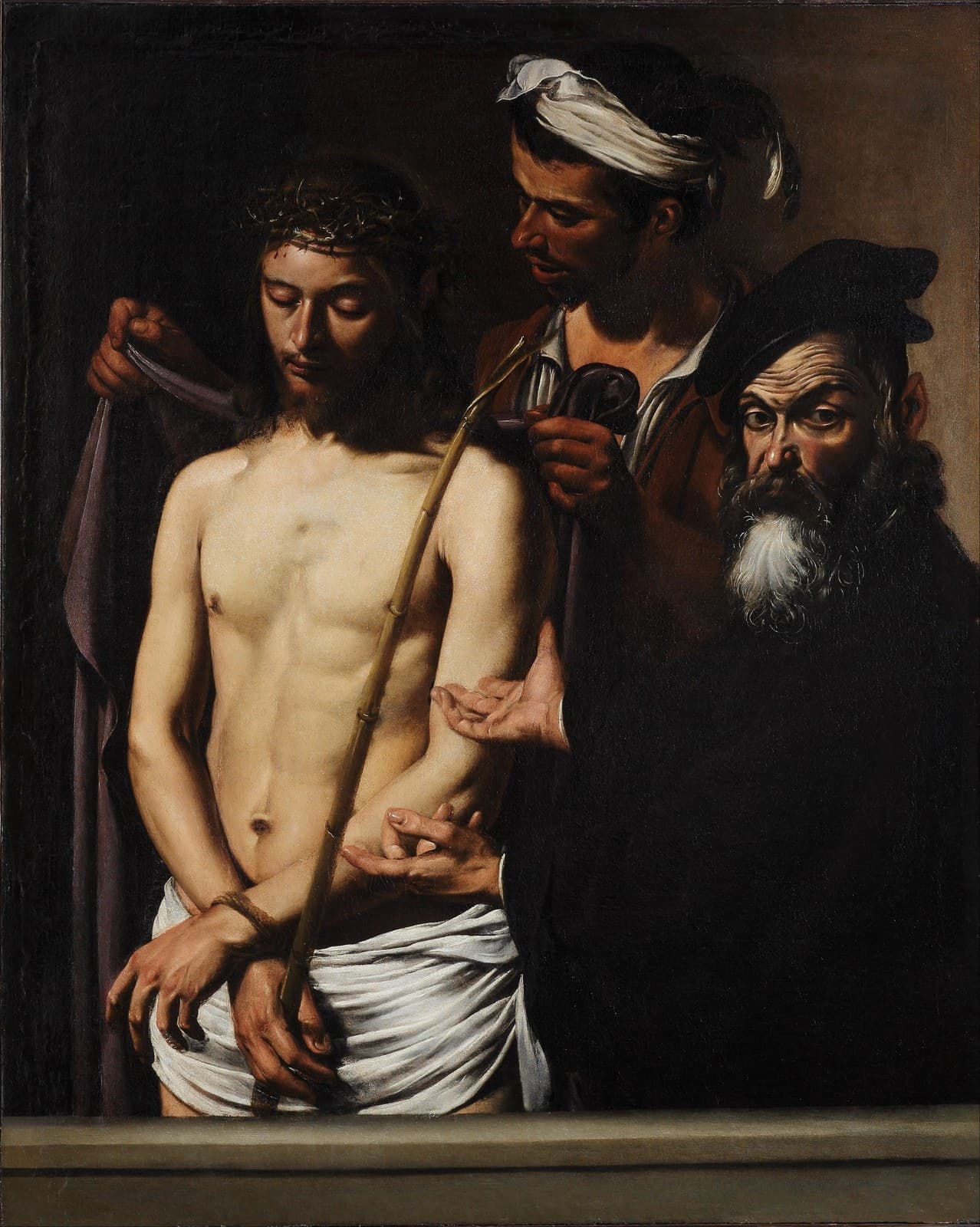
Three figures in a shallow dark box, and Caravaggio puts you where the crowd stood, having to decide what to do with him.

Ascanius draws his bow on a tame stag, the shot that starts a war in the Aeneid, and Claude paints it as a calm golden evening.
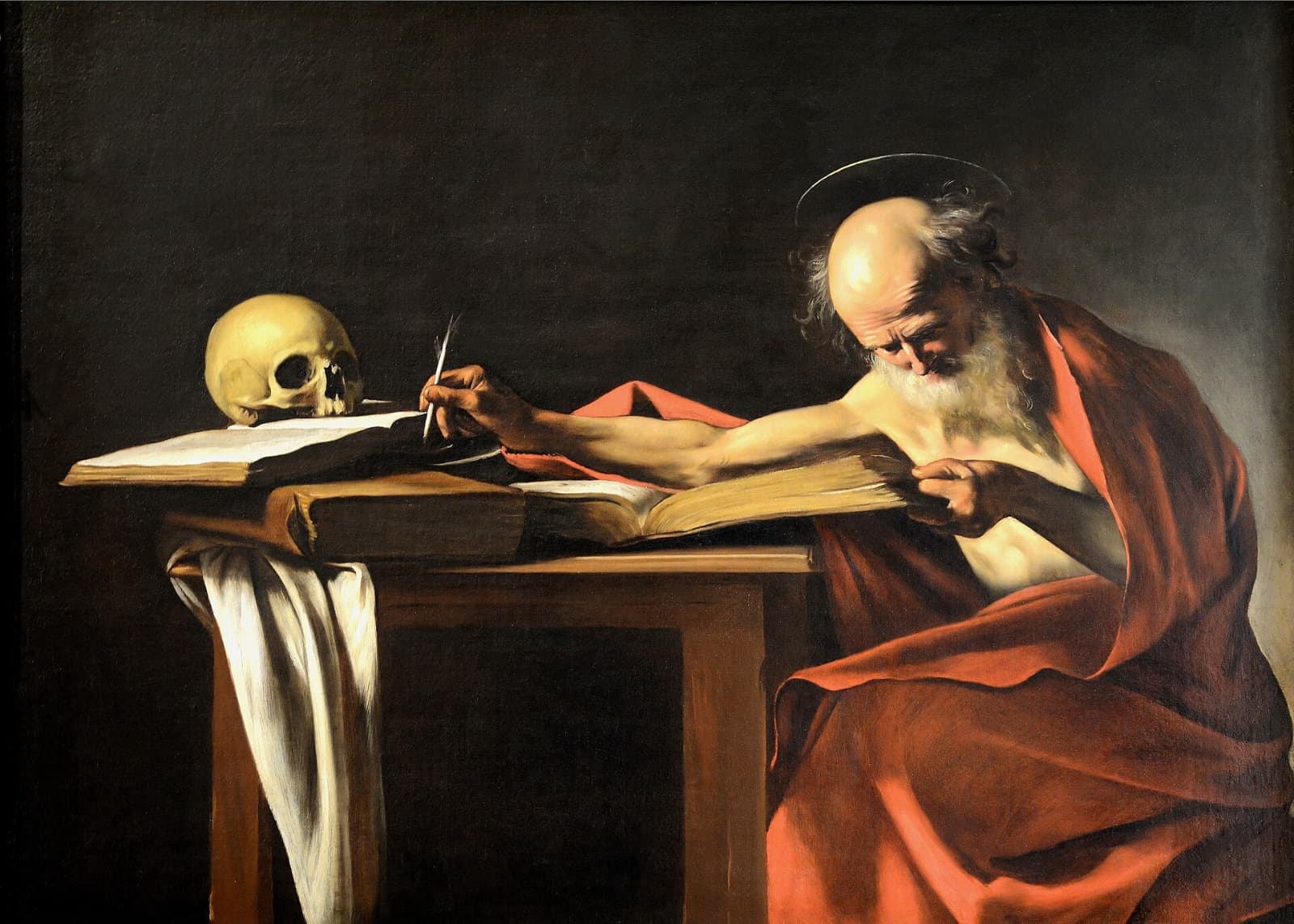
Jerome reaches across the table for the inkpot with a skull holding down his papers. Scholarship as physical labor, in a single hard light.

A child-angel leans toward the sleeping old man, its small fingers glowing translucent where they pass in front of the candle flame.
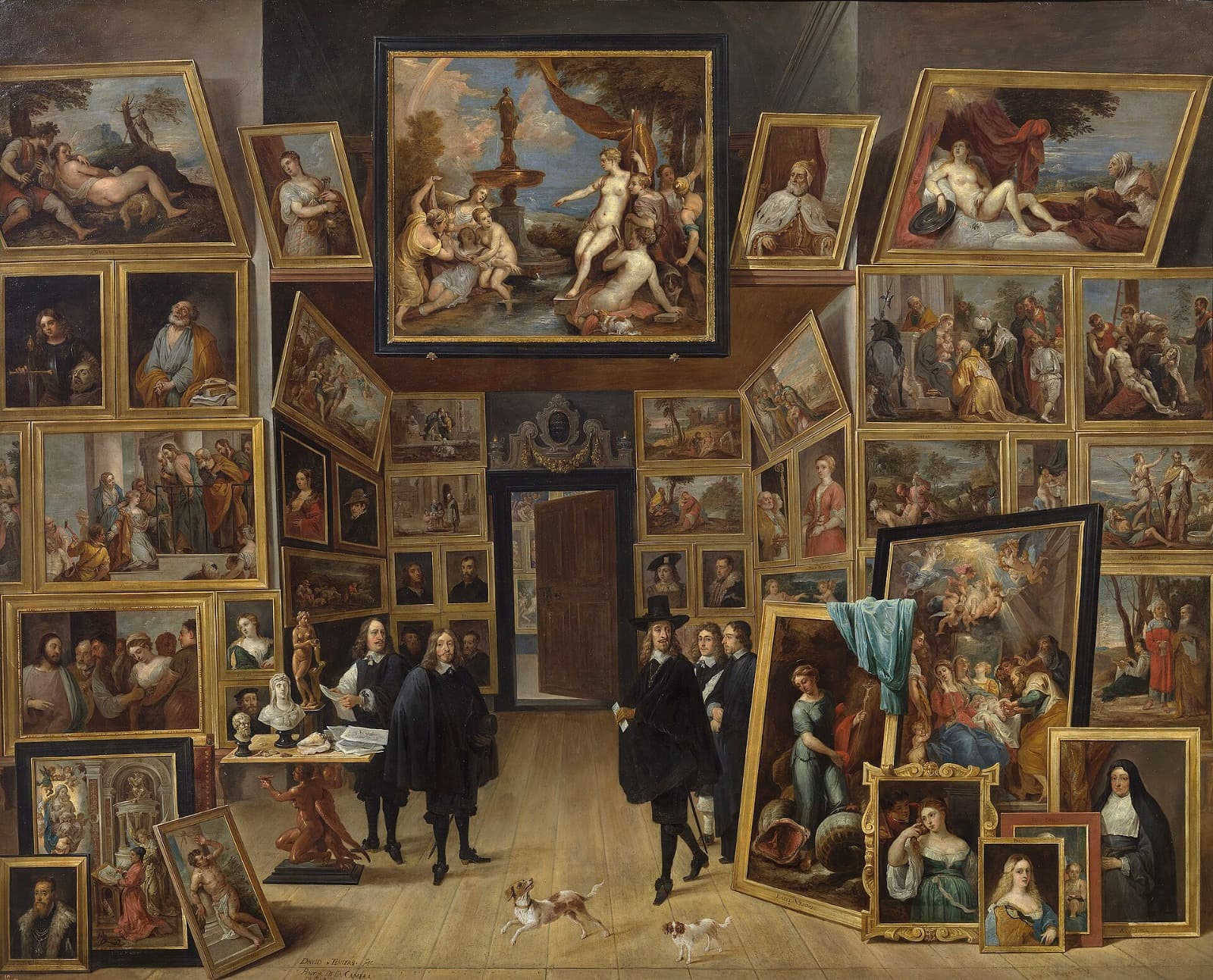
Teniers was the archduke's curator, and he painted the walls tiled with identifiable Titians and Giorgiones as a kind of catalogue.
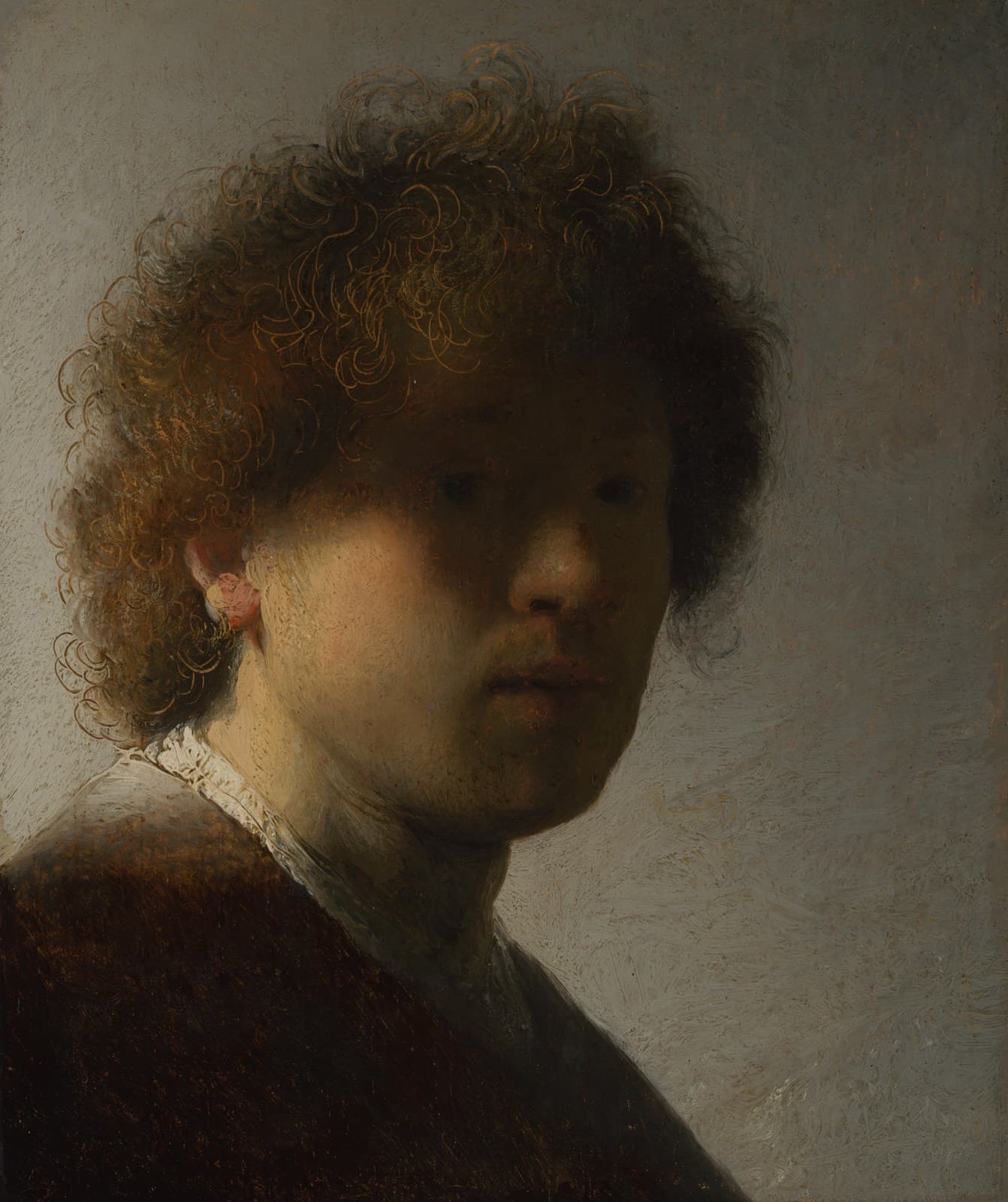
Rembrandt was barely in his twenties and using his own face as a laboratory for light. Dozens more would follow over forty years.
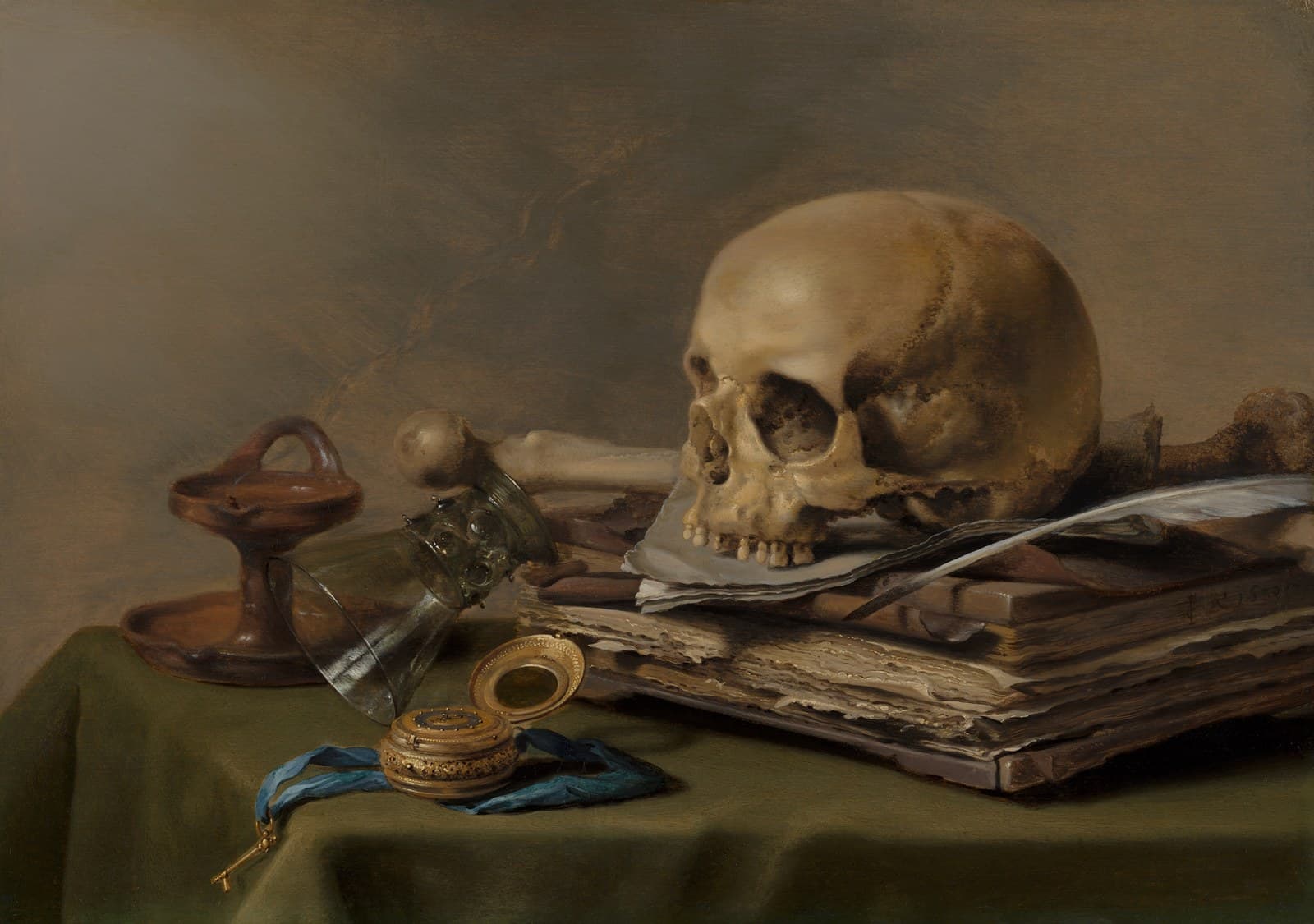
A toppled glass, a lamp still smoking, a watch and a skull, all painted in browns and greys so the light does the work.

Rubens came back to the subject nearly thirty years later with the same fury and a much broader, more fluent hand.
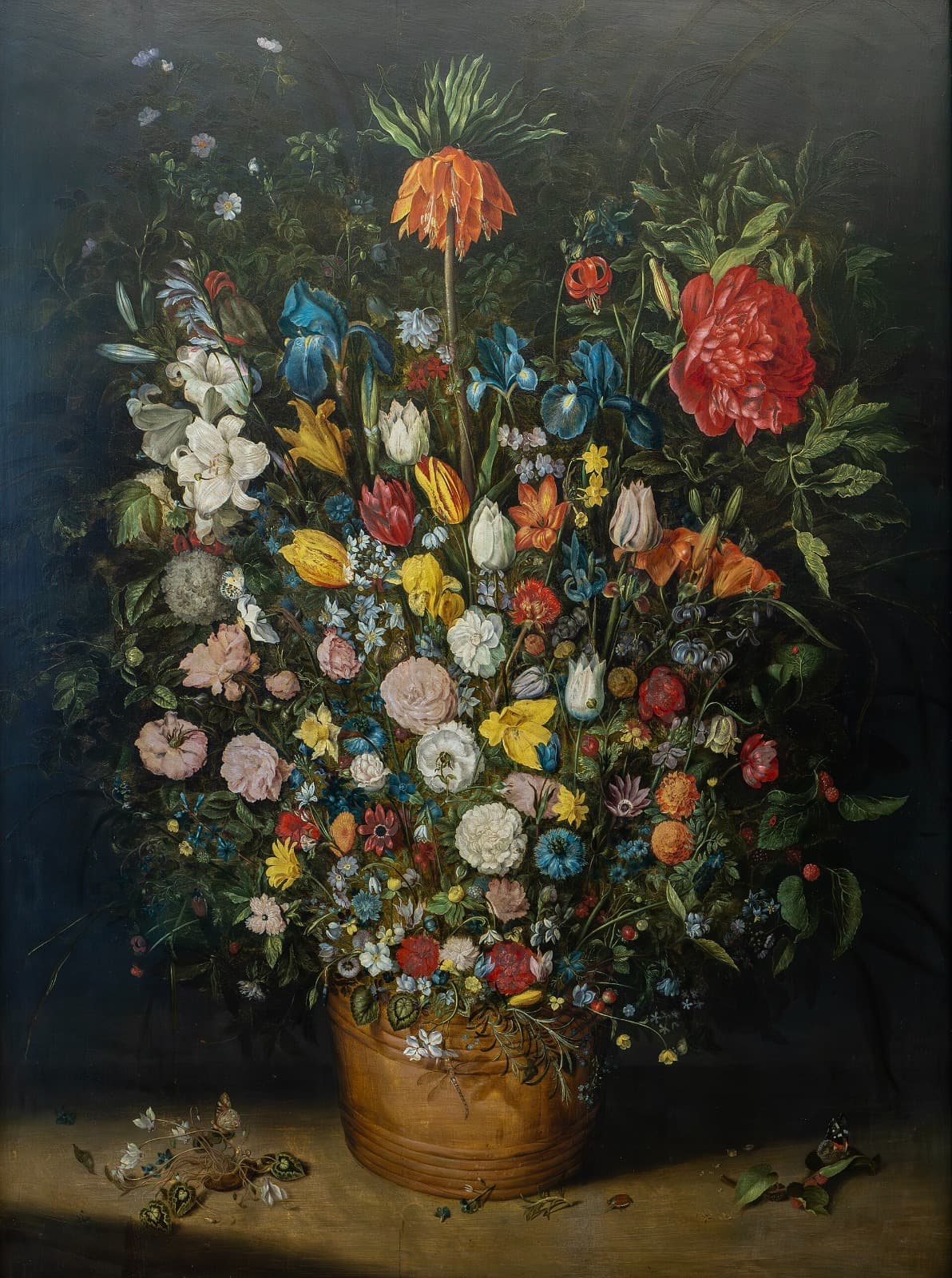
None of these flowers bloom in the same season. Bruegel assembled the bouquet from studies made across the whole year, and let petals droop.