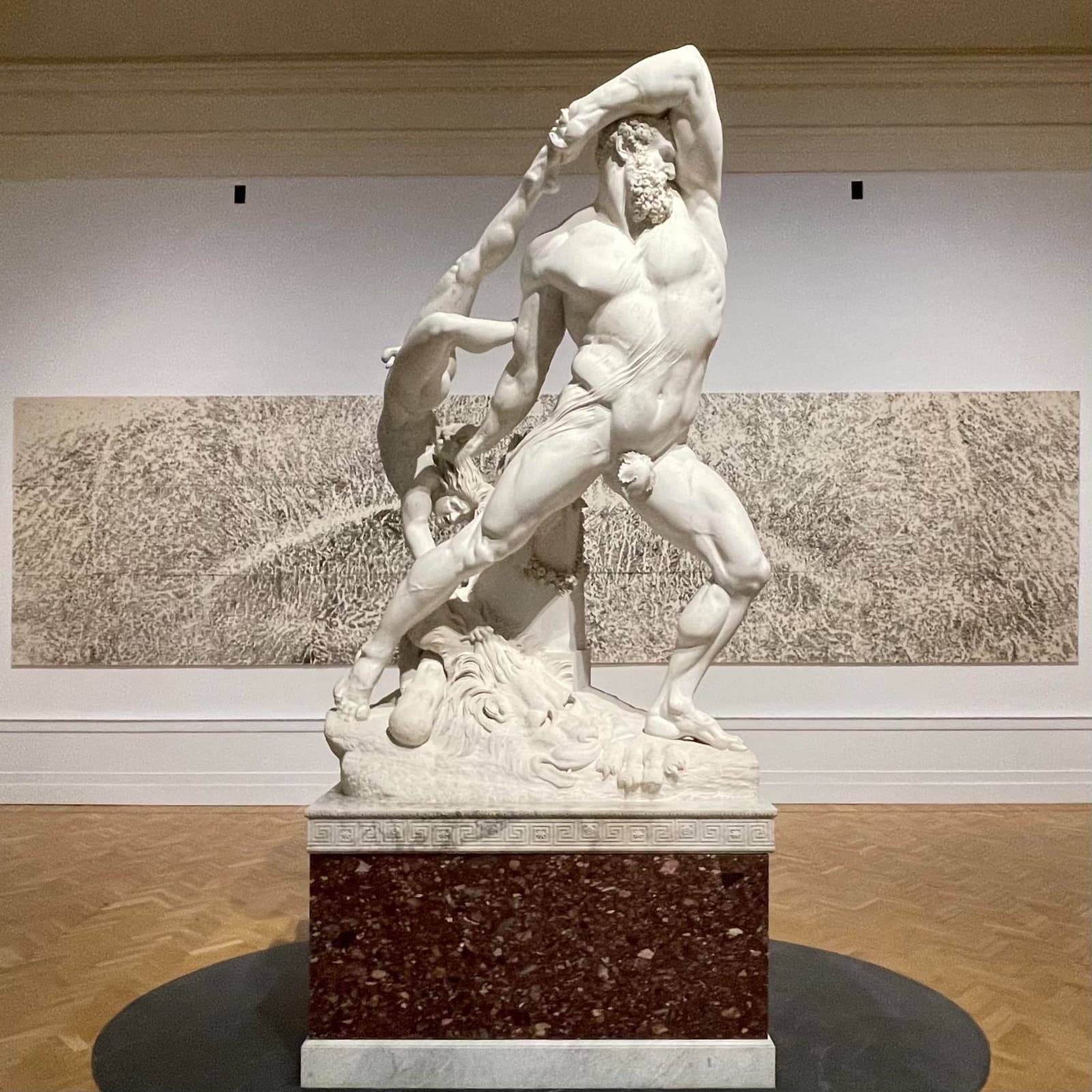
Hercules and Lichas
1802 · Galleria Nazionale d'Arte Moderna, Rome
Hercules, poisoned and raving, grabs the boy by the hair and one leg and throws him. Canova almost never carved anything this violent.
★ 5.2
 skopia
Hercules, poisoned and raving, grabs the boy by the hair and one leg and throws him. Canova almost never carved anything this violent.

Neptune drives his trident down to still the waters. It was made for a fountain, so real water once finished the sculpture.

Only the mouth and chin survive, in honey-yellow jasper, and the break seems to concentrate the thing rather than diminish it.

When Napoleon carried off the Apollo Belvedere, the Vatican put this on the empty pedestal, a modern work judged fit for the company.
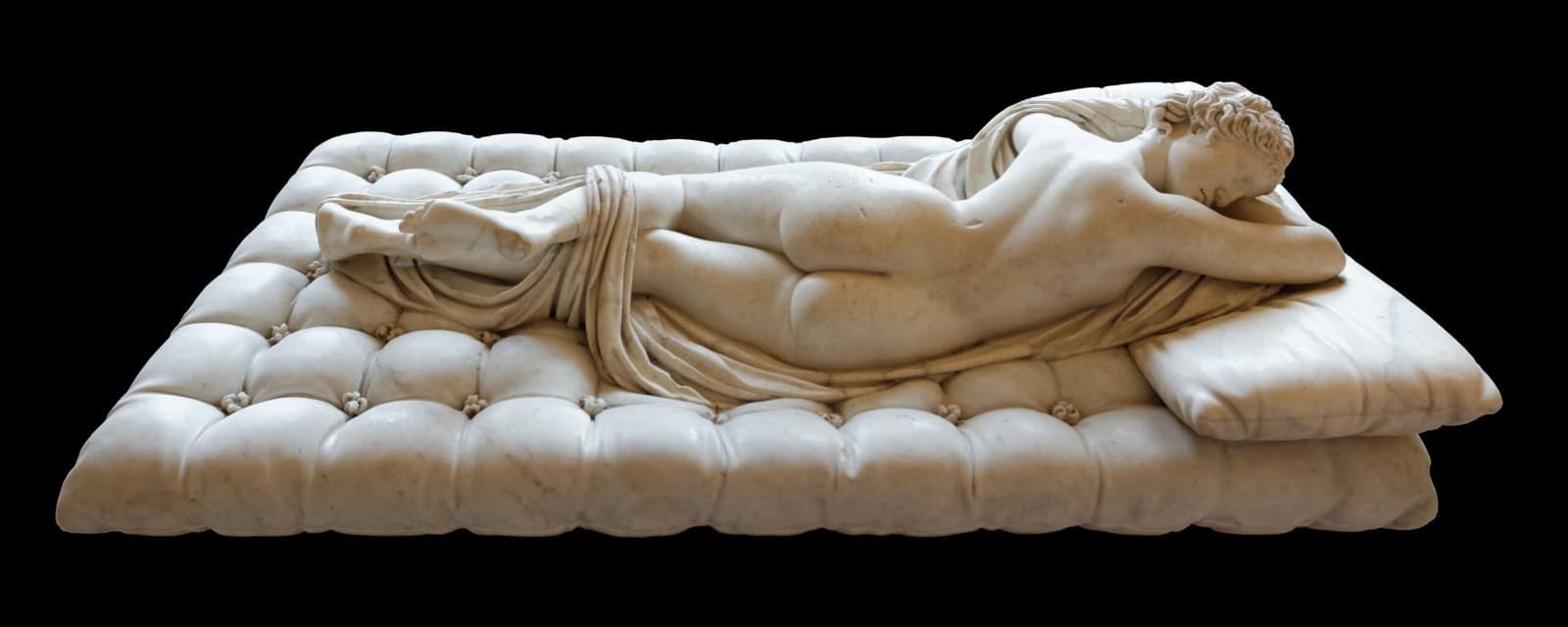
You see a sleeping woman until you walk around to the other side. Bernini added the mattress, folds and all, in 1620.
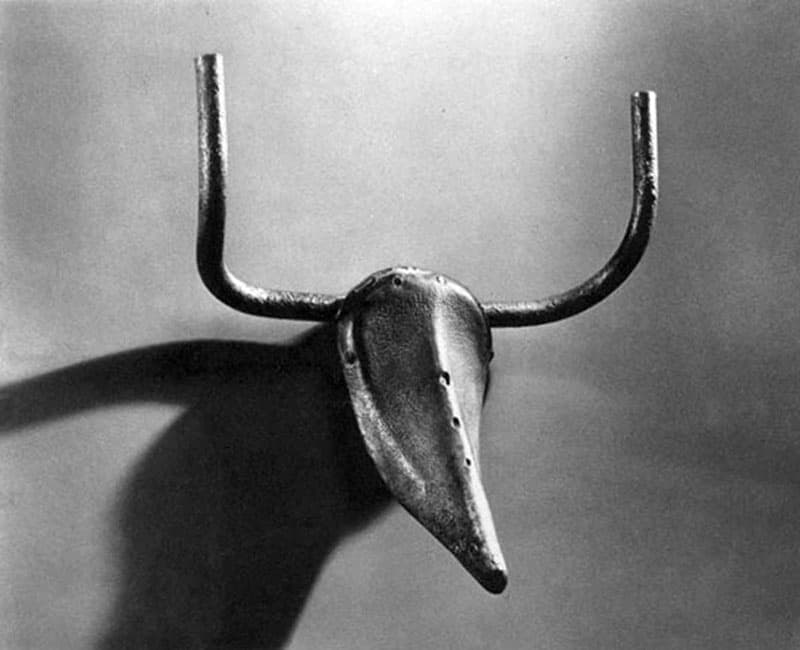
A bicycle saddle and a set of handlebars, joined. Picasso joked that someone might one day turn it back into a bicycle.
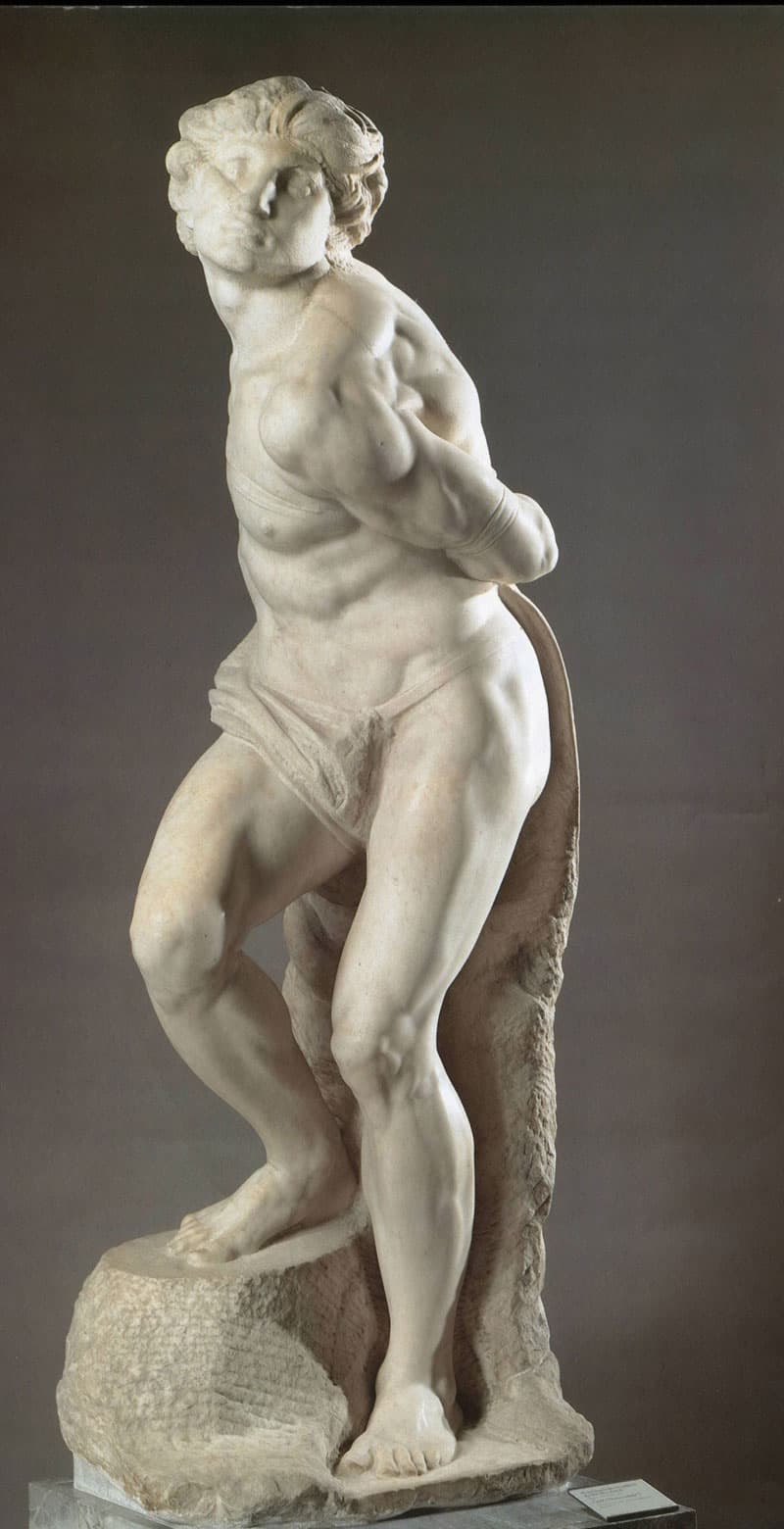
Carved for a papal tomb that kept shrinking until it was abandoned. What the bonds mean is still argued, but the strain is unmistakable.

Ugolino bites his own knuckles while his sons starve against his legs, from the passage in Dante where he is tempted to eat them.

Michelangelo carved it for his own tomb, gave Nicodemus his own face, then took a hammer to it and broke off Christ's leg.
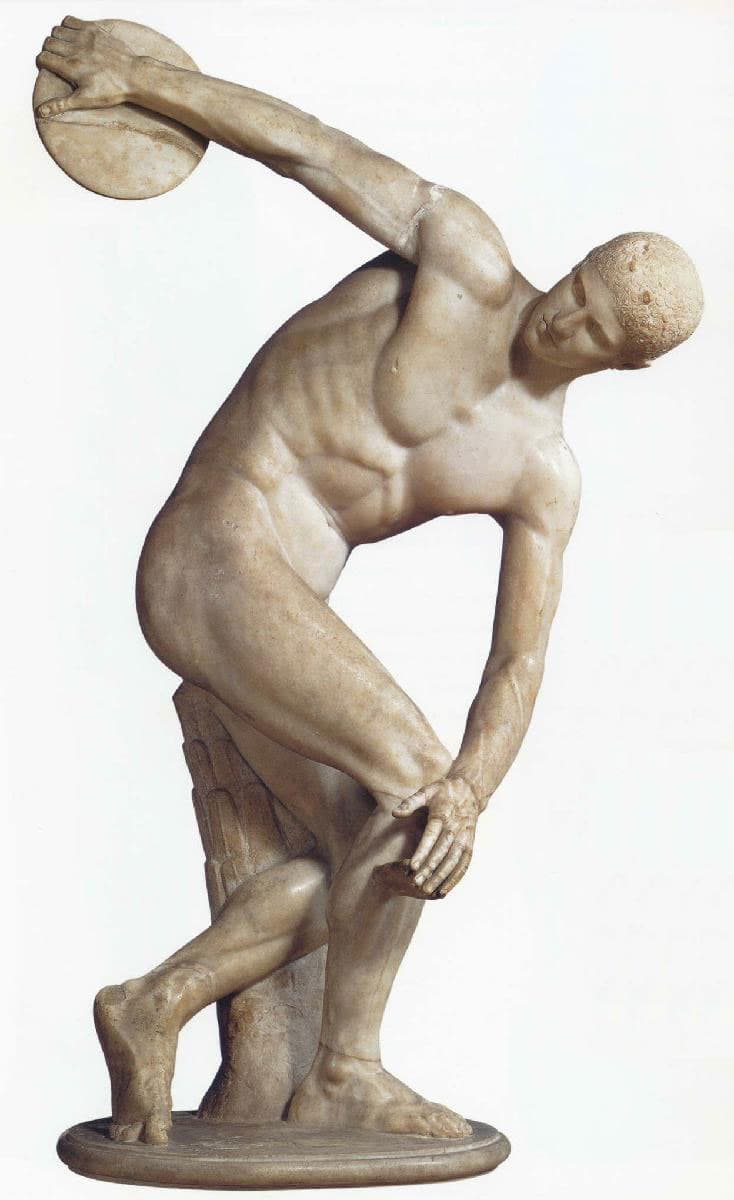
Myron's bronze is lost and this is a Roman marble copy, which is why a strut props the leg the original held up unaided.
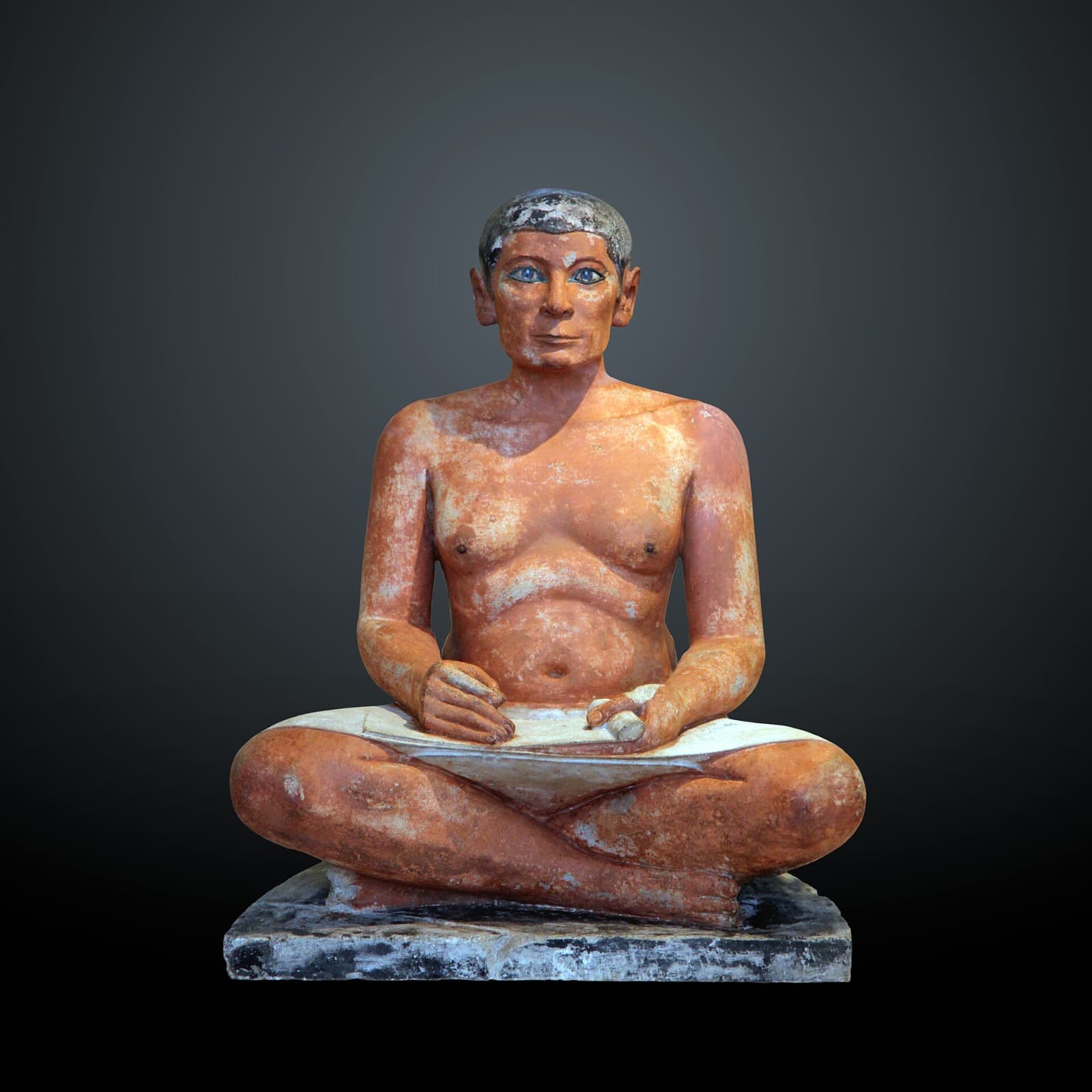
His eyes are inlaid with rock crystal and copper, and unlike a pharaoh he was given a soft chest and a desk worker's belly.

Cupid's wings stay up as the two bodies cross in a weightless X, cut so smooth the marble stops reading as stone.
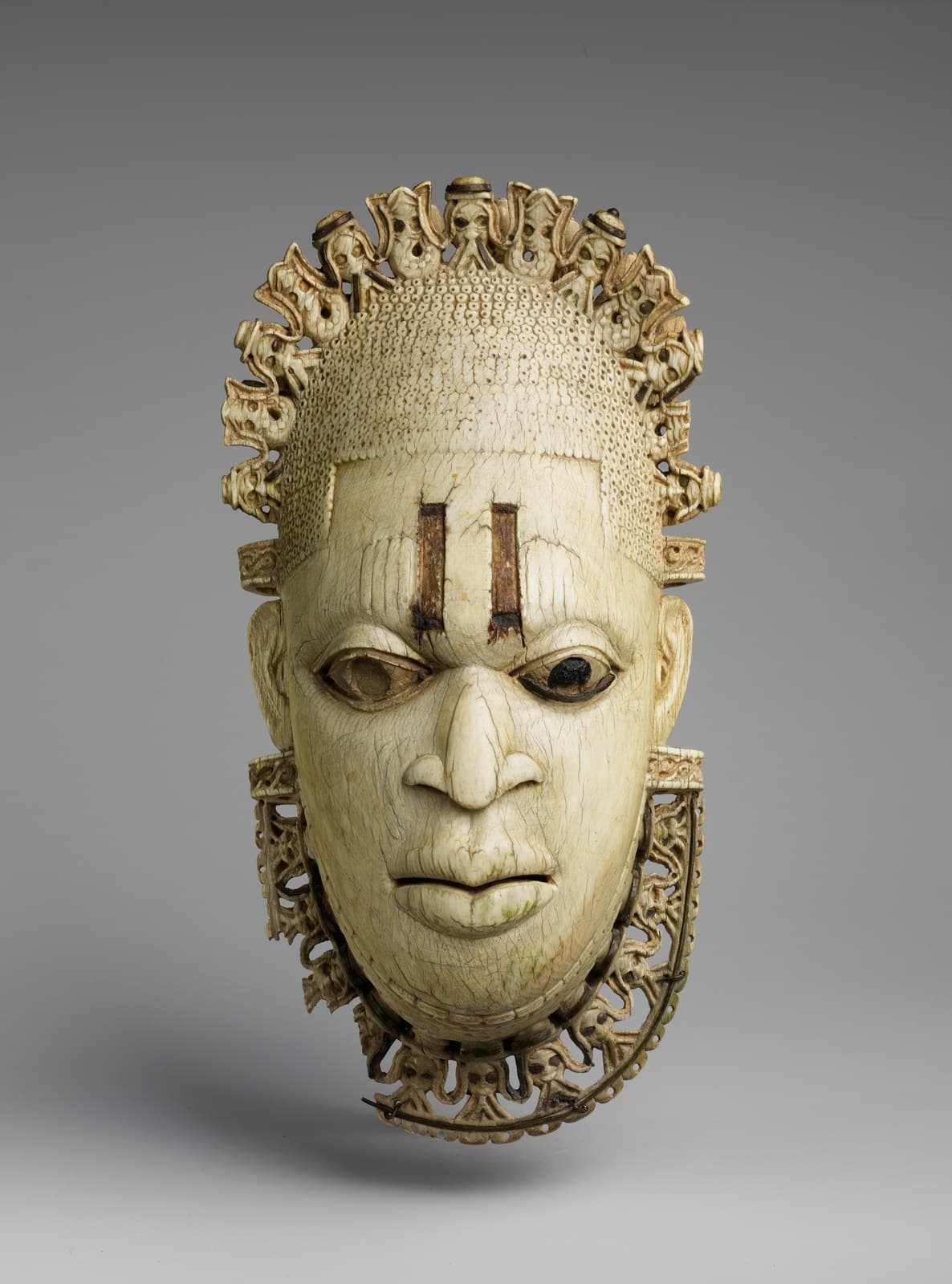
The oba wore it at his hip, its crown made of tiny Portuguese heads. A British expedition looted it from Benin in 1897.
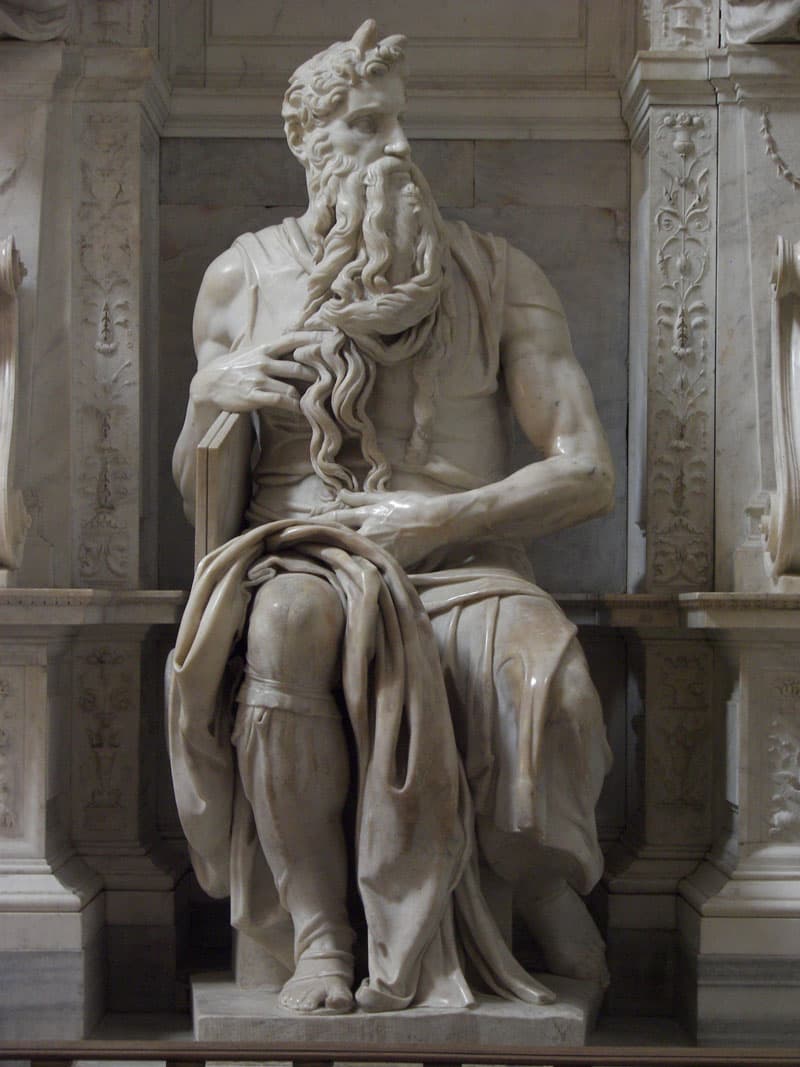
The horns come from an old mistranslation of the Hebrew for rays of light. He was meant as one figure among many on a papal tomb.

Four meters of basalt buried after the conquest and dug up in Mexico City in 1790. Despite the nickname it is not a working calendar.
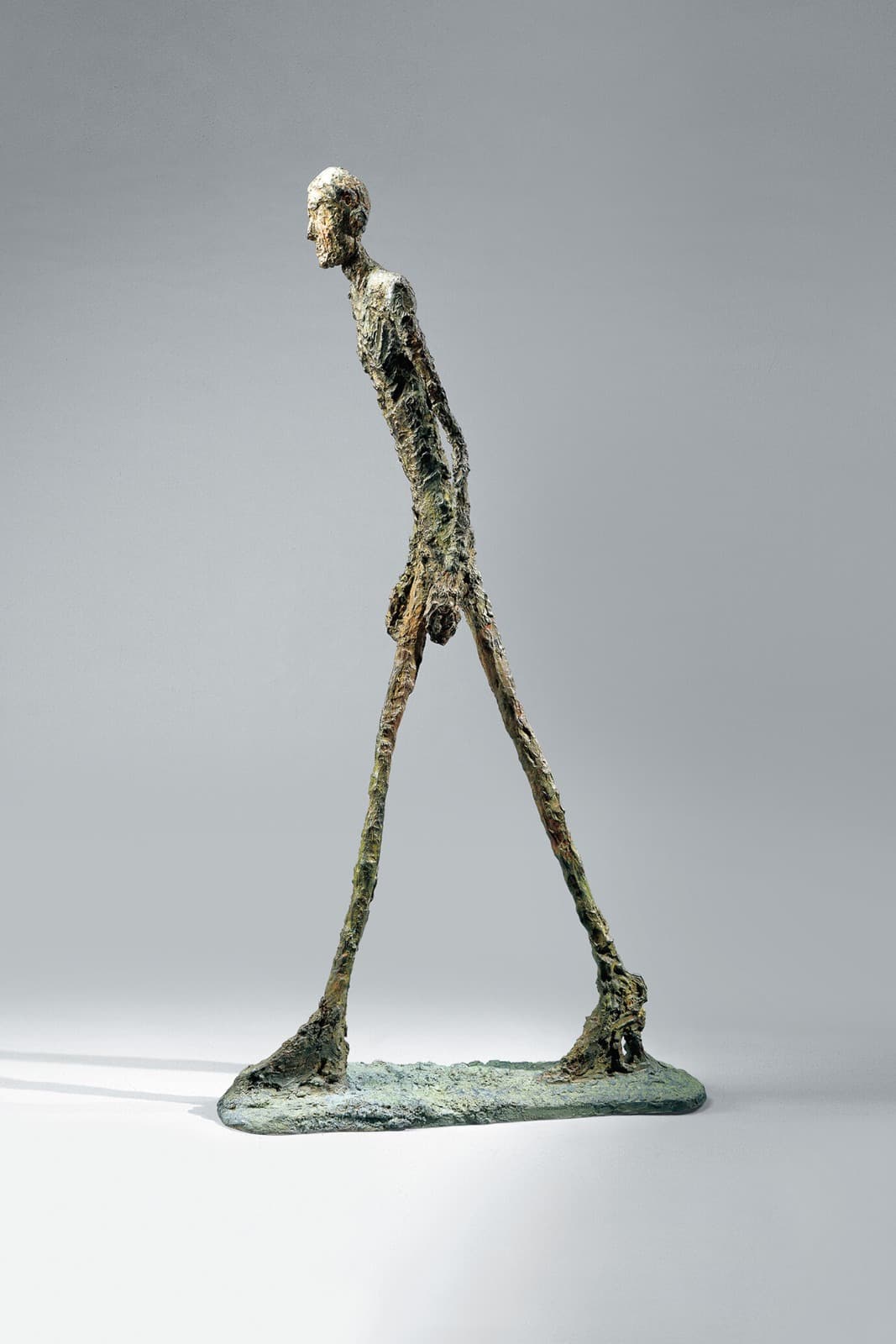
Everything is scraped off the bronze except forward motion. One cast briefly held the record for the most expensive sculpture ever sold.
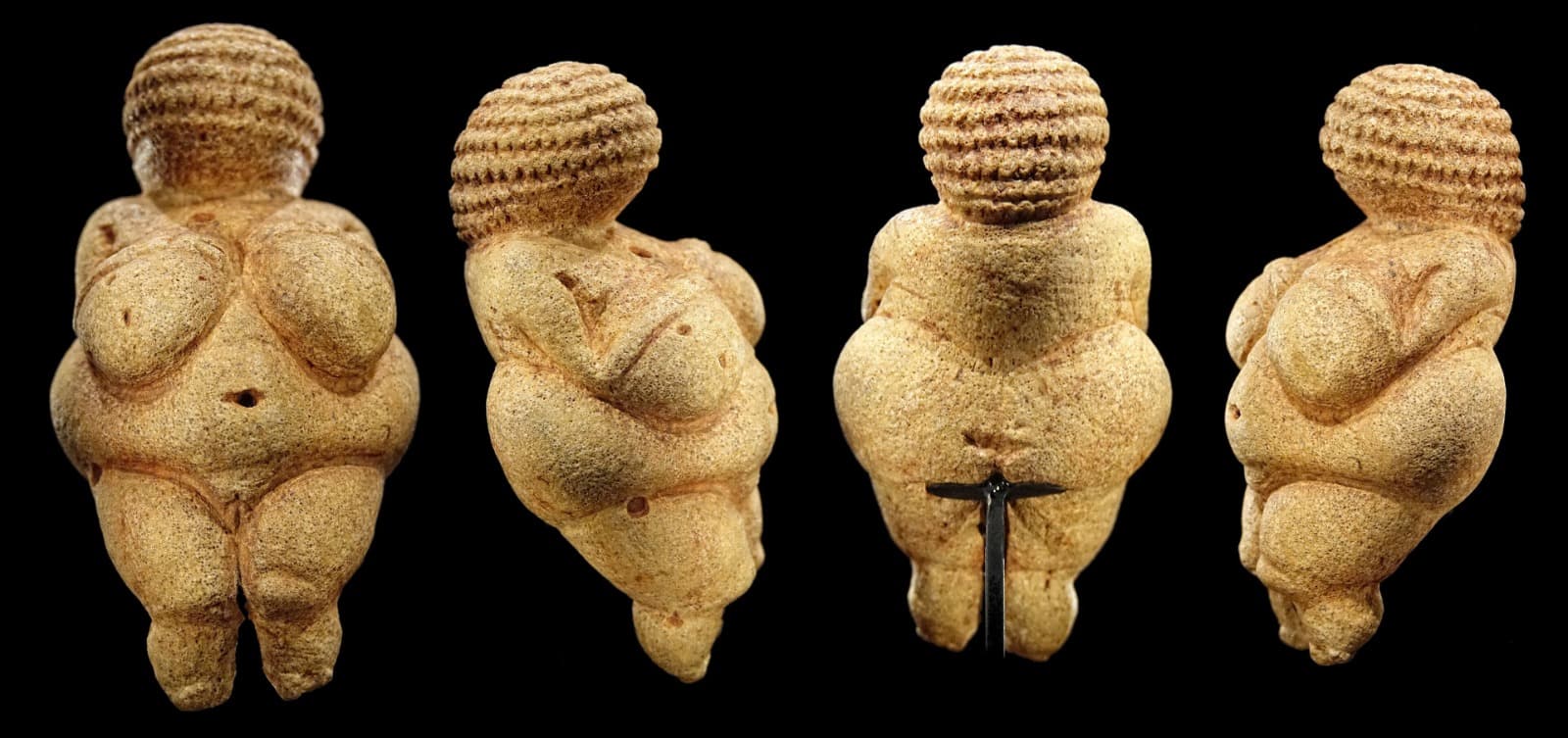
Eleven centimeters of limestone from beside the Danube, once tinted red, with a woven cap covering the whole head and no face at all.
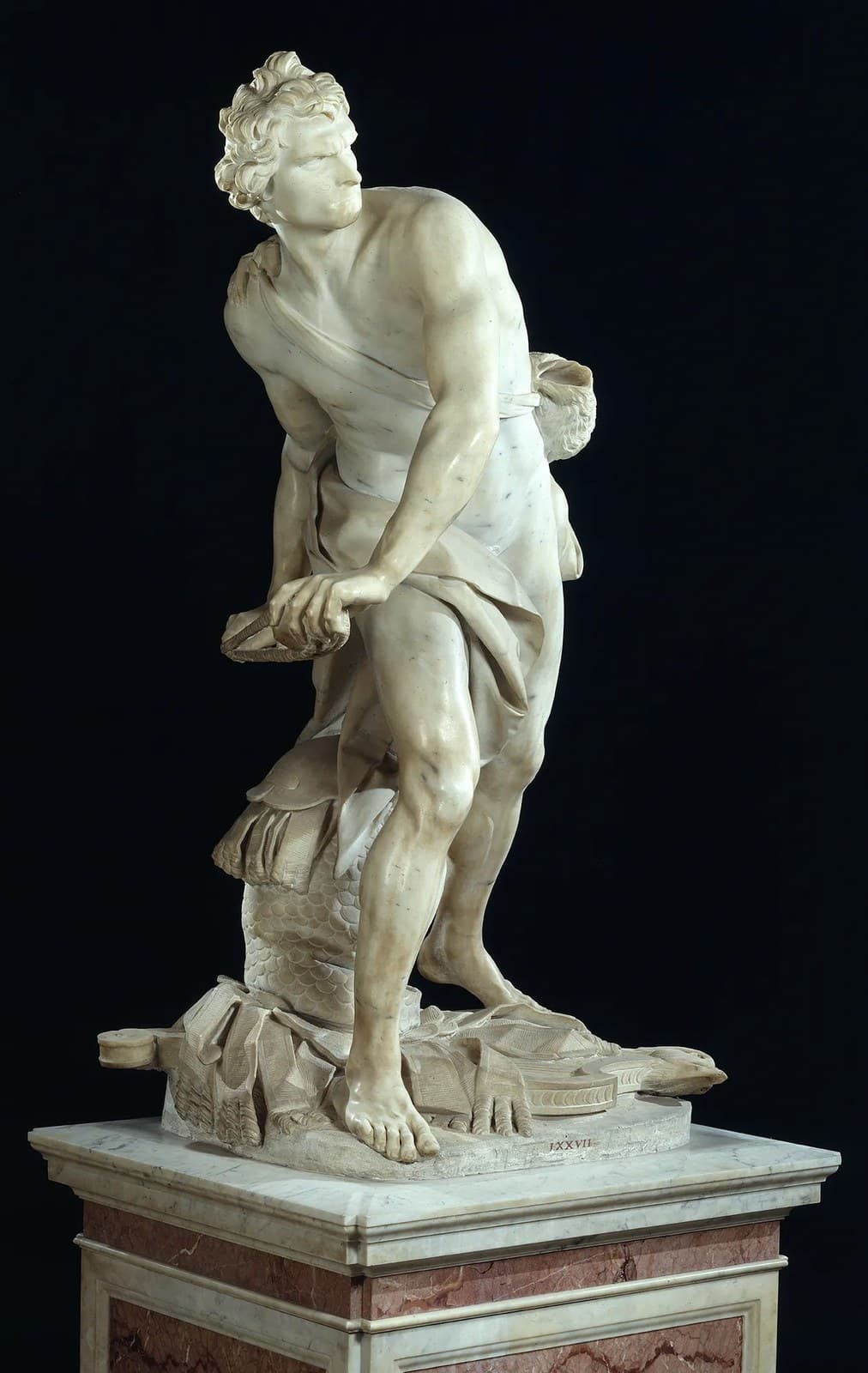
Bernini put the viewer where Goliath must be standing, so the sling is being wound up to throw straight past your head.
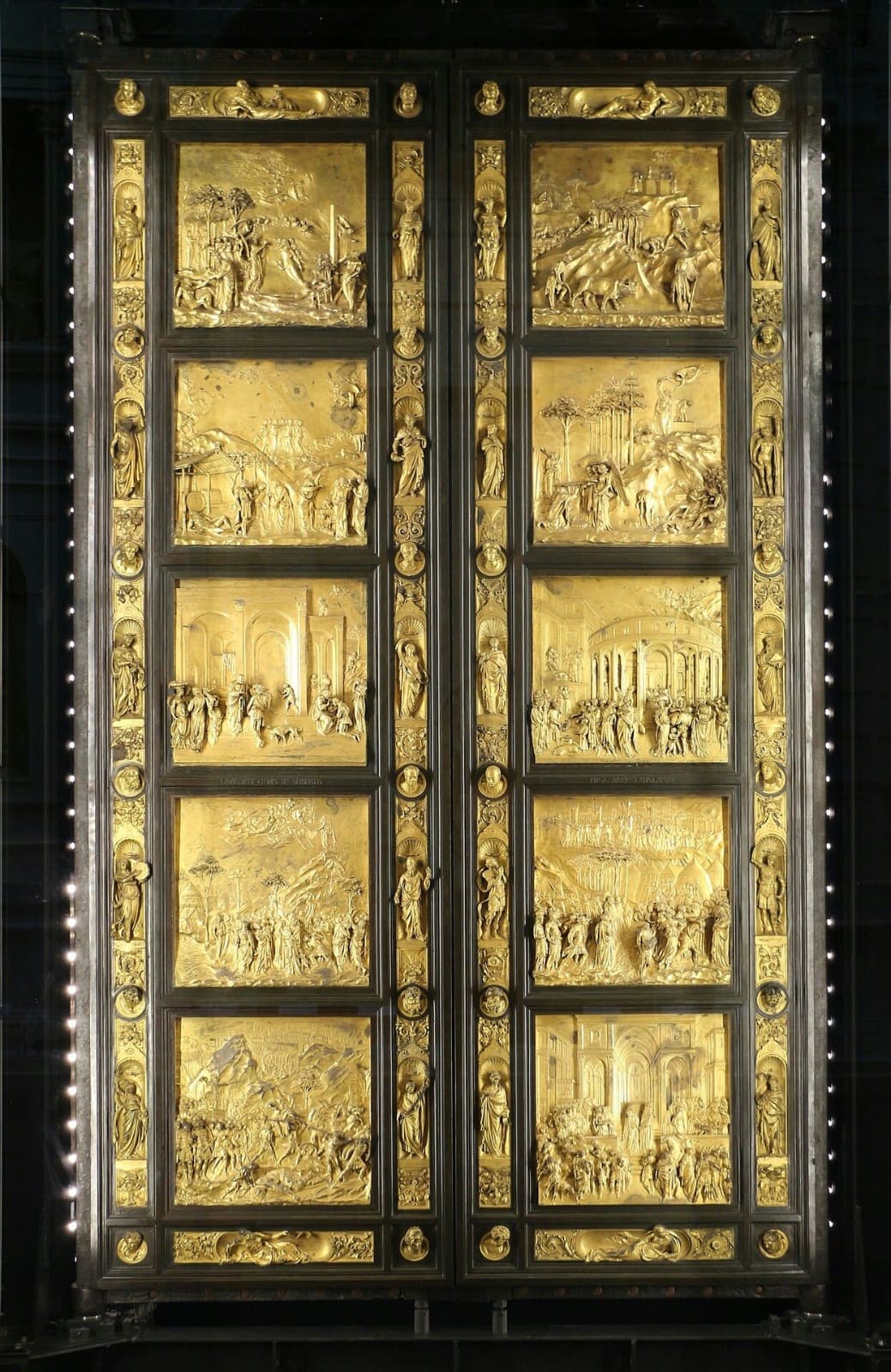
Ghiberti gave twenty-seven years to these doors, and the name comes from Michelangelo, who is supposed to have said they were fit for paradise.
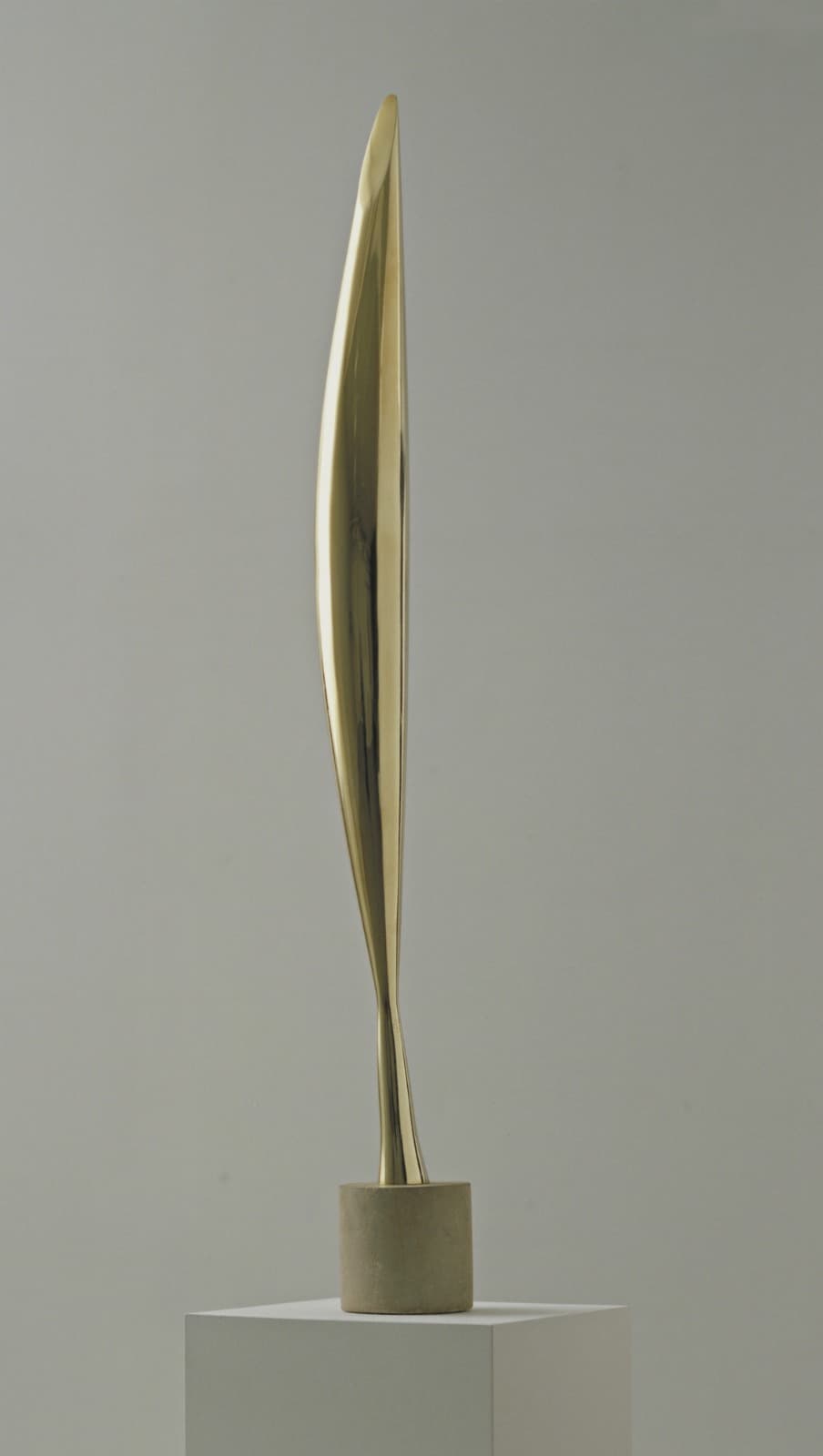
American customs taxed it as industrial metal until Brancusi v. United States in 1928 forced the law to recognize abstract sculpture as art.