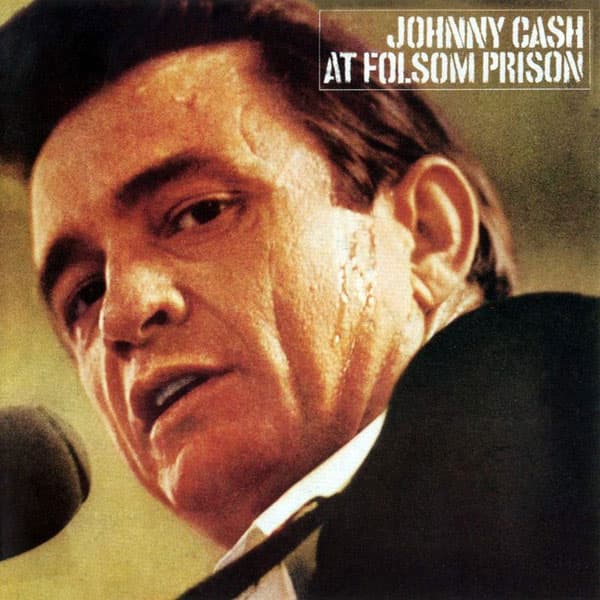
At Folsom Prison
1968
Cash's career was finished when he talked Columbia into letting him record for prisoners. The laughter after the Reno line was added afterward.
★ 8.6
 skopia
Cash's career was finished when he talked Columbia into letting him record for prisoners. The laughter after the Reno line was added afterward.

Columbia thought the tapes were demos because it cost twenty thousand dollars and had almost nothing on it but guitar and voice.

Gram Parsons sang lead on much of it and his vocals were wiped for contractual reasons. The Grand Ole Opry audience booed them off.
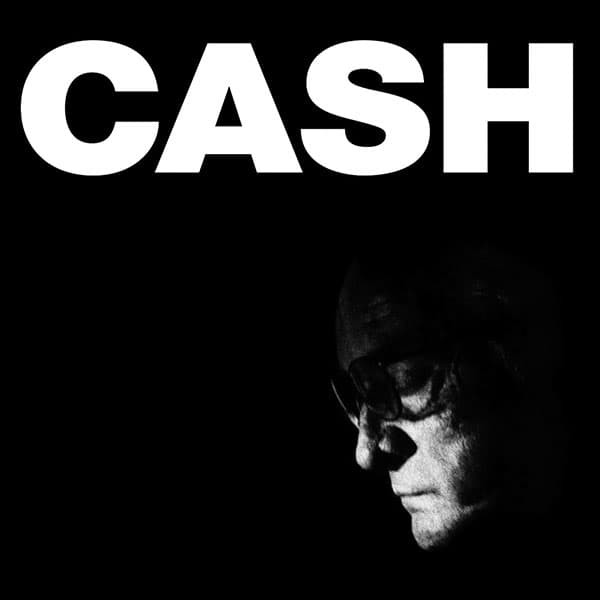
Trent Reznor said that after hearing Cash sing Hurt, the song no longer felt like his. Cash died the following year.
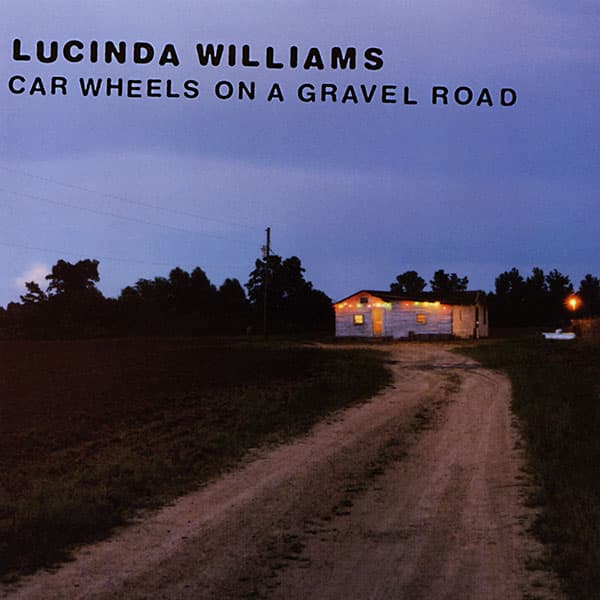
Williams spent six years on it, scrapped a finished version, and fell out with two producers before she would let anyone release it.
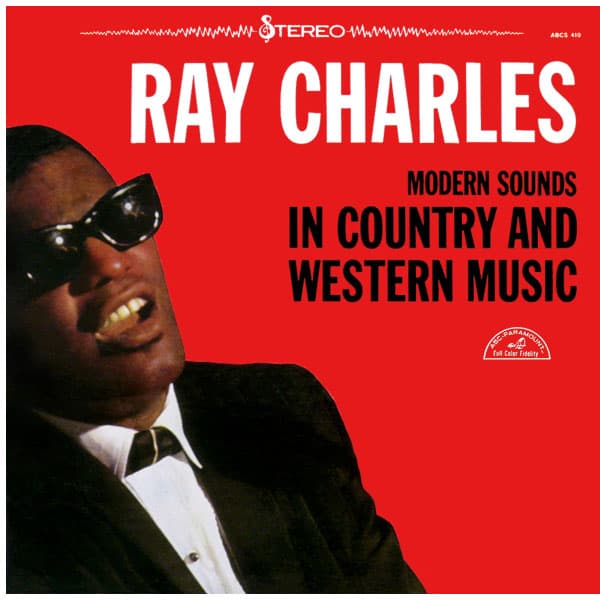
His label thought recording country songs would finish him. He put strings and a choir behind them and it became his biggest record.

His first proper studio album in eight years of films, cut with a Memphis house band who treated him like any other singer.
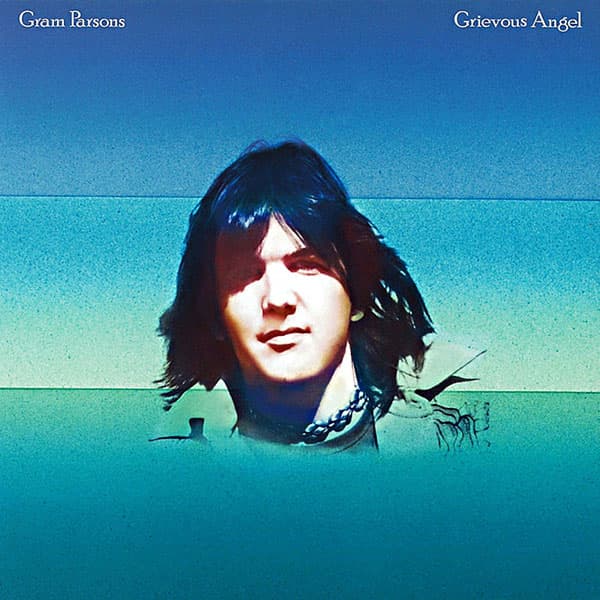
Parsons died before it came out, and his road manager stole the body from the airport and burned it in Joshua Tree, as promised.
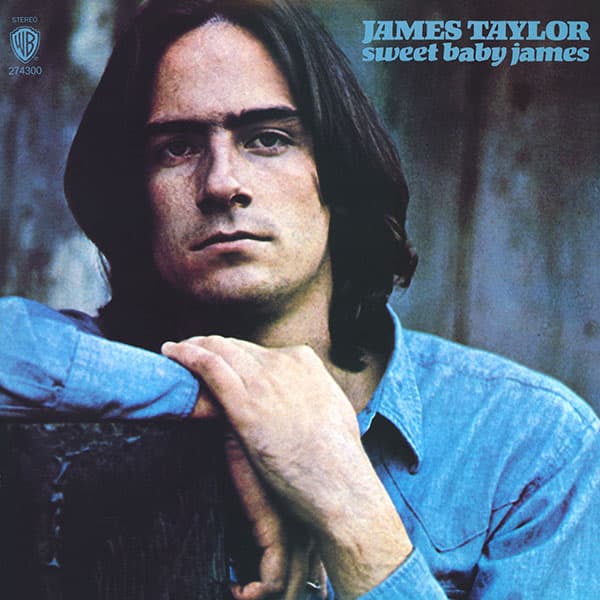
Taylor was the first American signed to the Beatles' Apple label, and had already made a record there that nobody bought.
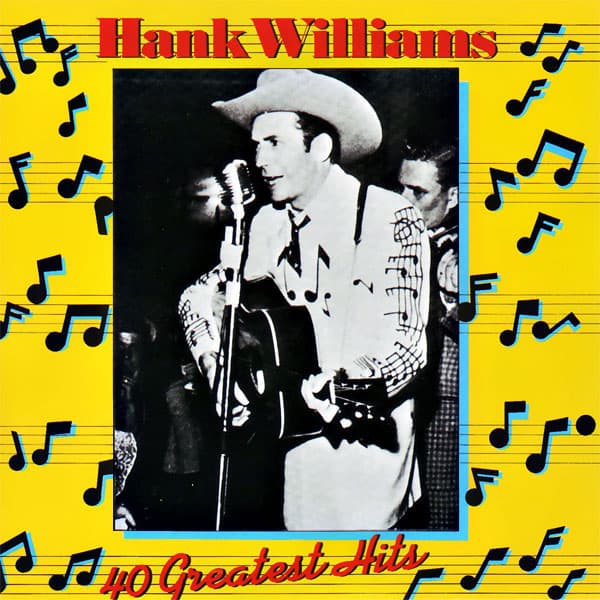
Williams was dead at twenty-nine in the back of a Cadillac, having written the plainest and hardest-hitting songs country would ever have.

T Bone Burnett recorded most of it before the film was shot, so the Coens built scenes around the music. It sold eight million.
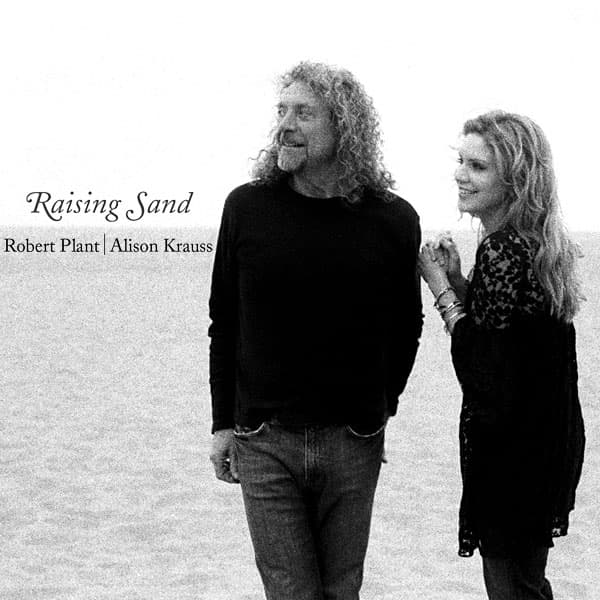
T Bone Burnett chose every song and neither singer had heard most of them. Plant sings underneath Krauss rather than over her.
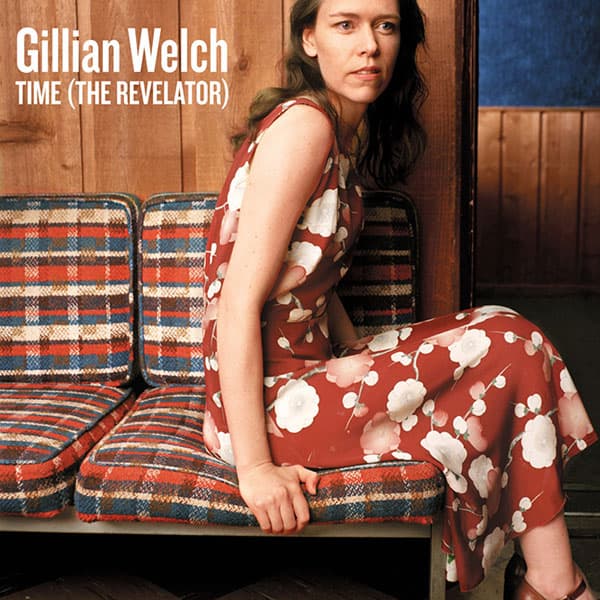
There are only two people on it, Welch and David Rawlings, recorded live in an old Nashville studio with a single pair of microphones.
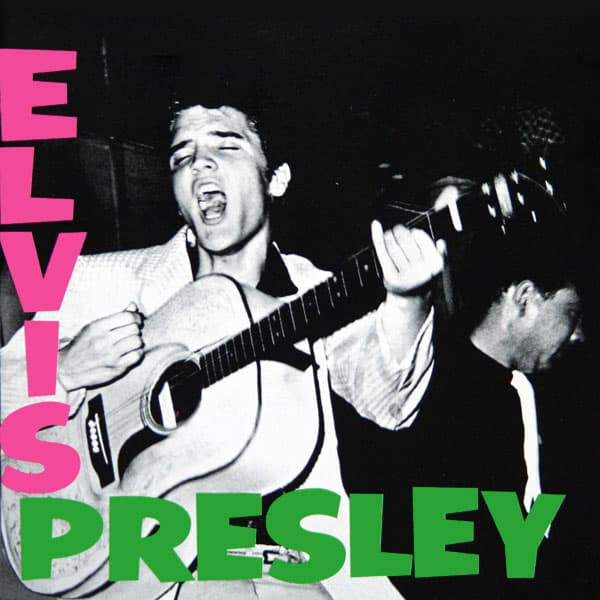
Five of the tracks were leftovers from his Sun sessions. The Clash copied the sleeve, pink and green lettering and all, twenty-three years later.

Cash was too ill to work in a studio for long, so Rubin recorded him mostly at home, singing other people's songs.

Jennings won the right to use his own road band instead of Nashville session men, and gave nine of the ten songs to one unknown writer.
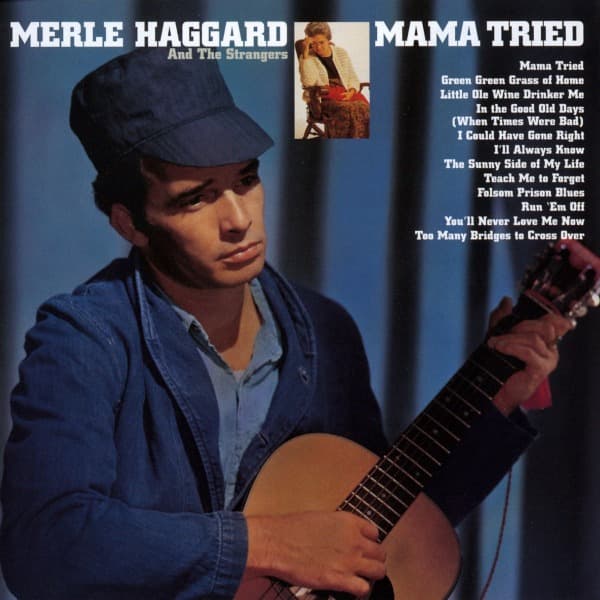
Haggard had actually served time in San Quentin, and was in the audience when Johnny Cash played there. He sings about it plainly.
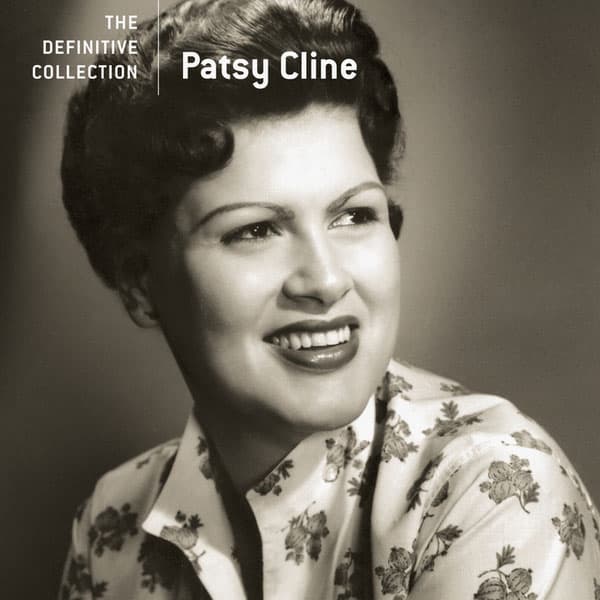
Cline recorded Crazy on crutches, weeks after a car crash, and the broken ribs kept her from the high notes until a later session.
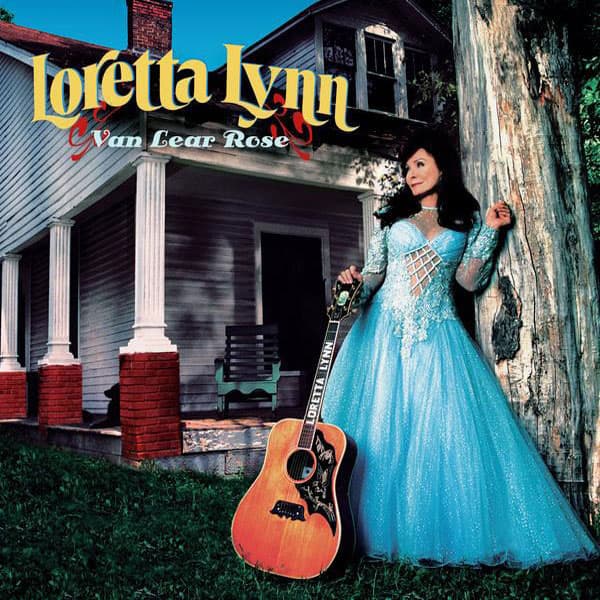
Lynn wrote every song herself, which she had not done for decades, and Jack White recorded it in an old house in East Nashville.

Parton wrote the title song on the back of a dry-cleaning receipt, about a coat her mother really did sew out of rags.
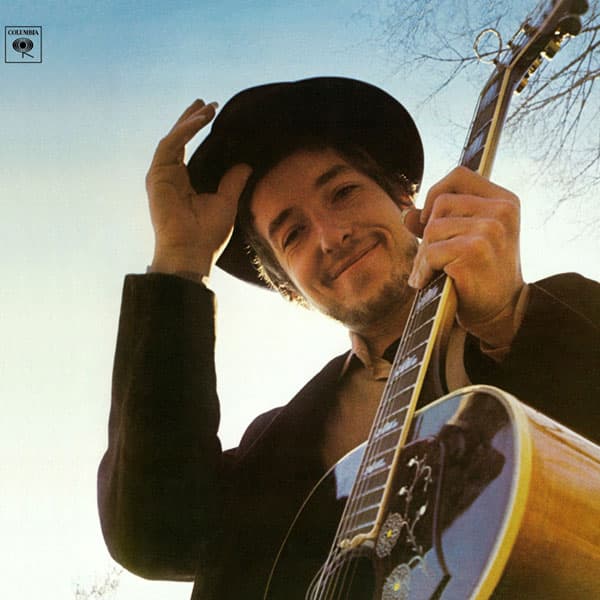
Dylan had stopped smoking and his voice came back completely different, which nobody was expecting. Johnny Cash sings with him on the opener.

Harris wrote Boulder to Birmingham about Gram Parsons's death, which she was still not over. Everything else on it is somebody else's song.
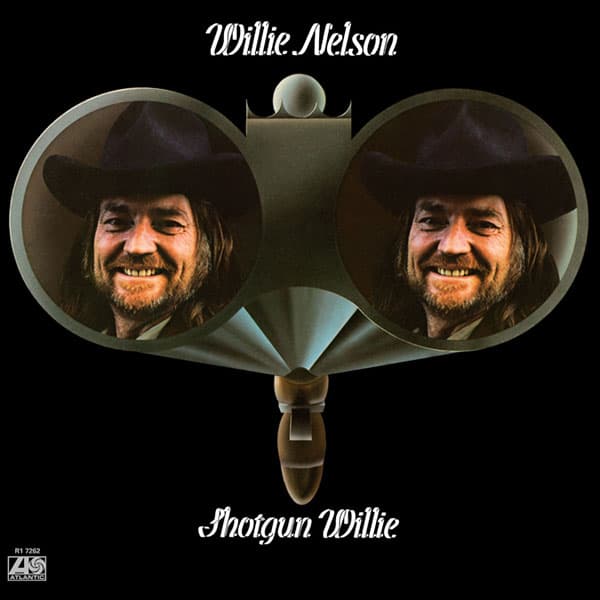
Nelson's house had burned down and he had moved to Austin. He wrote the title song on the wrapper of a sanitary napkin.
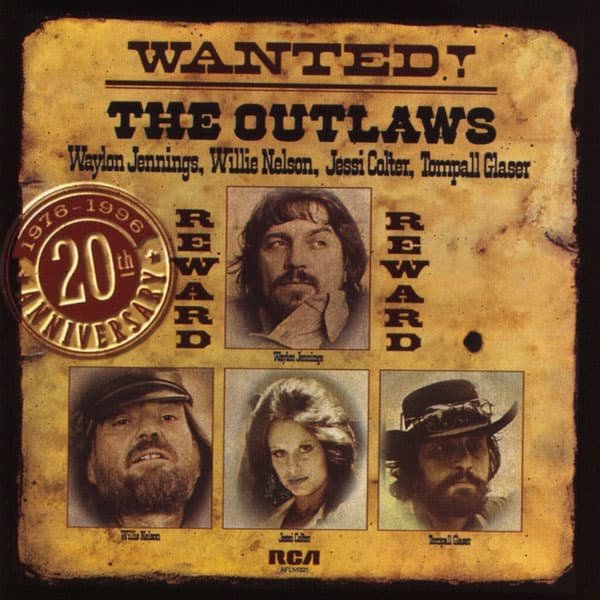
RCA put it together from recordings already sitting in its vaults, and it became the first country album to sell a million copies.

Nashville would not have him, so Yoakam played Los Angeles punk clubs instead, on bills with X and the Blasters, in very tight jeans.
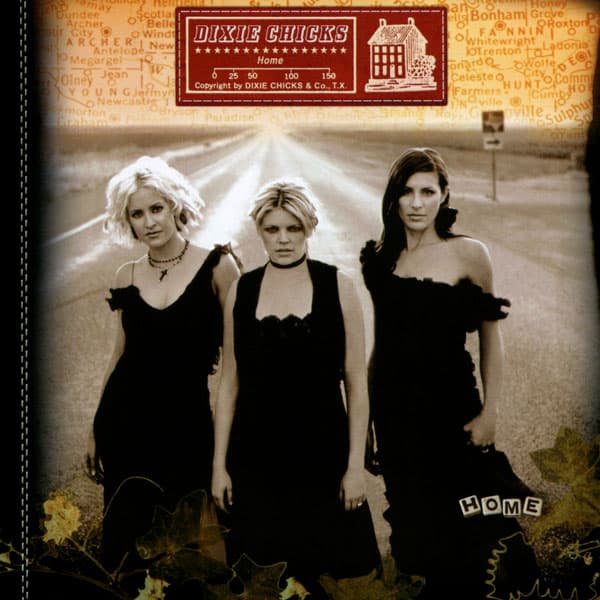
They made it after suing their own record label, on acoustic instruments, with no drums on most of it. It sold six million anyway.

Jennings had just torn up his contract and renegotiated it, winning the right to record his own way. You can hear him testing that.
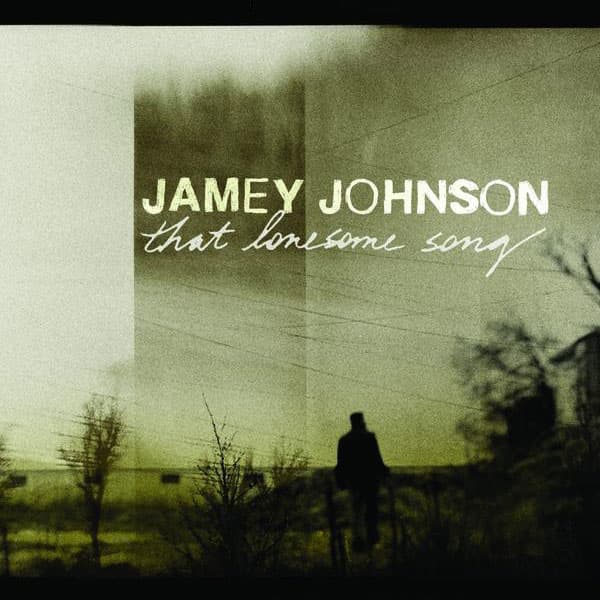
Johnson had been dropped by his label. He recorded it himself and put it online before any label would touch it again.

She and her producer wrote the title song in about fifteen minutes, and she spent the rest of her life explaining what it meant.