Symphony No. 9
1824
Amateur players filled out the orchestra at the premiere after only two rehearsals, and the singers complained that the high notes were unsingable.
★ 9.7
 skopia
Amateur players filled out the orchestra at the premiere after only two rehearsals, and the singers complained that the high notes were unsingable.

The pianist Glenn Gould plays it fast and dry and hums audibly throughout, which the engineers could never get him to stop doing.
Two choirs and two orchestras face each other across the church and answer one another, while a boys' choir cuts through both from above.
An anonymous stranger commissioned it and Mozart died before finishing. A pupil completed the rest, and arguments about which bars are his continue.

Bach assembled it late in life partly from music he had written decades earlier, and never heard the whole thing performed in his lifetime.
Four notes, then half an hour that never lets up. It premiered in an under-rehearsed, freezing four-hour concert that nobody enjoyed.

Noise from the 1913 premiere audience drowned out the orchestra, so Nijinsky stood in the wings shouting the counts at his dancers.
Mozart is said to have written the overture the night before the Prague premiere, and the orchestra sight-read it at the first performance.
Handel wrote it for a Dublin charity concert, and the hall asked women to come without hoops in their skirts so more people could fit.
Seventy-seven rehearsals in Vienna ended with the opera abandoned as unperformable. It waited six years for a stage willing to try it.
Schubert found the second half of these poems in a magazine only after he had already set the first twelve as a finished cycle.
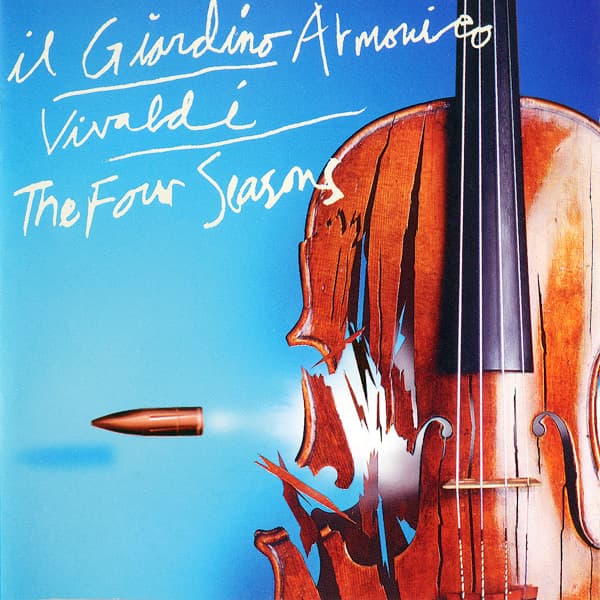
Vivaldi spent most of his career teaching at a Venice orphanage for girls, whose orchestra became famous enough that travelers came to hear it.
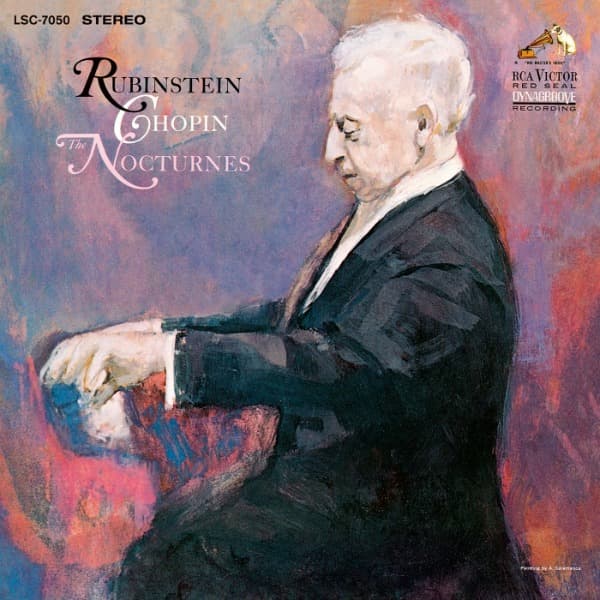
Chopin rarely played in public, preferring drawing rooms of a few dozen people. The left hand keeps steady time while the right pulls freely against it.

Berlioz wrote it while obsessed with an Irish actress he had never met. Four timpanists play at once to make the thunder in the third movement.
The first performance was in a room at the Mantuan court for a few dozen listeners, and the printed score names every instrument required.
Haydn was nearly sixty and had spent thirty years in a prince's service before a promoter took him to London, where he became famous overnight.

Mussorgsky wrote it for piano after a memorial show of a friend's drawings, and several of the pictures it describes have since been lost.
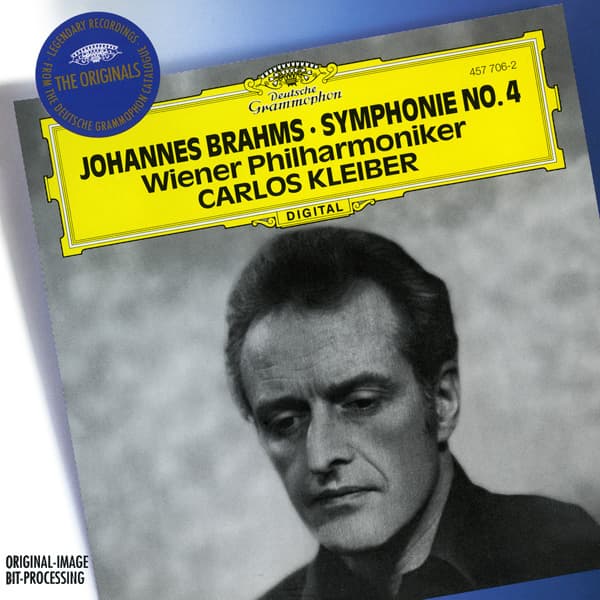
The finale is thirty variations over an eight-bar bass line lifted from Bach. At the private play-through one friend begged him to scrap the finale.
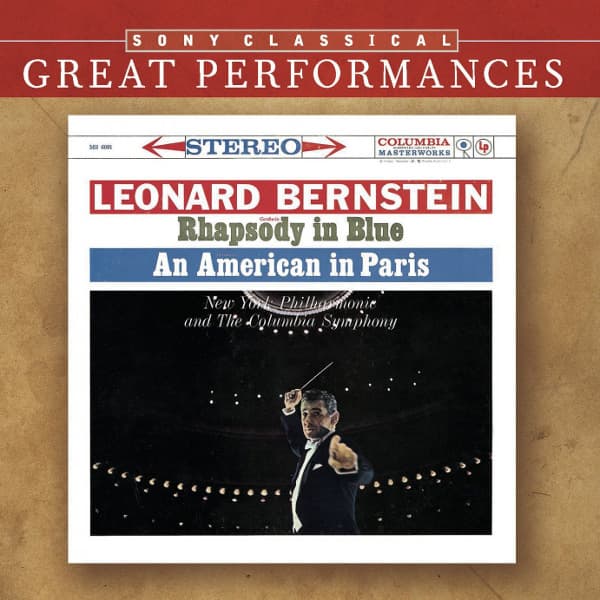
The famous clarinet wail at the start was a joke the player improvised in rehearsal, and Gershwin told him to keep it in.
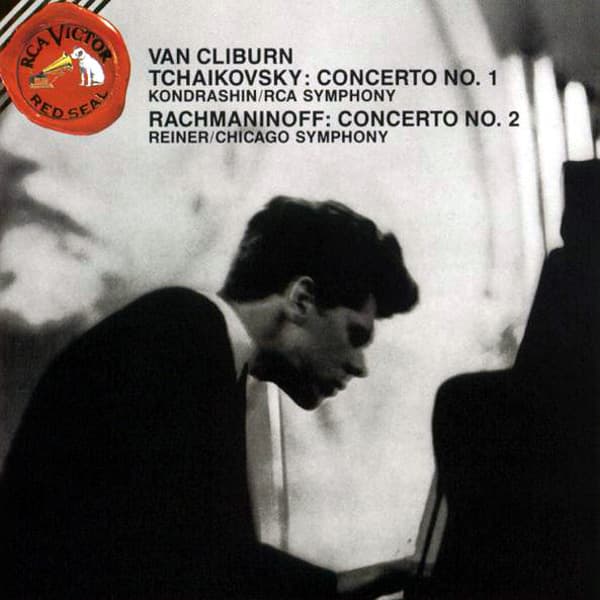
The pianist he wrote it for called it worthless and unplayable, so Tchaikovsky premiered it in Boston instead, where it was a triumph.

Machaut left money for this mass to be sung at an altar in Reims Cathedral in his memory, and it was, for centuries.

Hildegard wrote both the words and the music, which almost nobody else did, and her melodies leap much further than plainchant of the period allows.
Eno was bedridden after a car accident with a harp record playing too quietly to hear properly, and got the idea for ambient music.