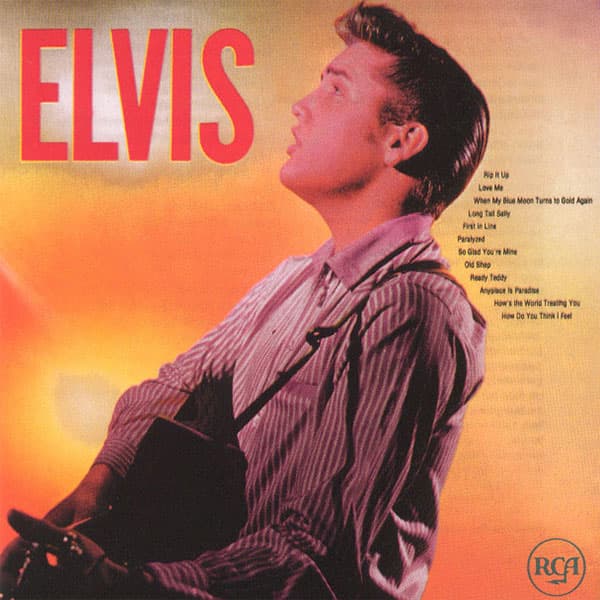
Elvis
1956
His second number one album in a single year, cut in Hollywood between films, with Elvis himself at the piano on several tracks.
★ 2.4
 skopia
His second number one album in a single year, cut in Hollywood between films, with Elvis himself at the piano on several tracks.
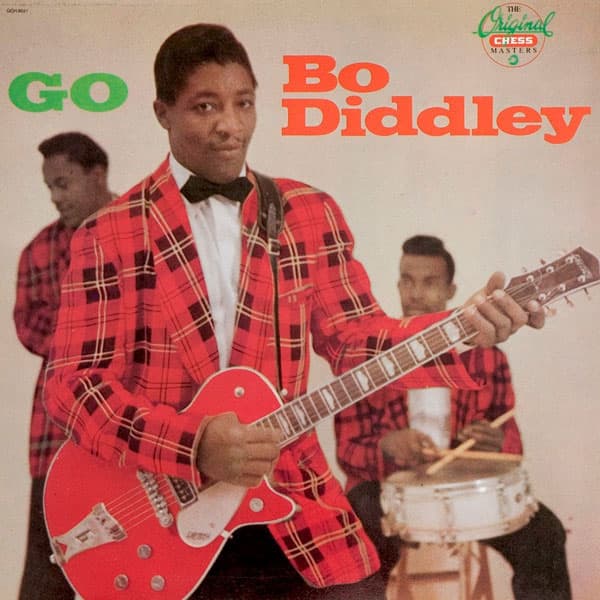
The beat he hammered out here has been borrowed ever since, by Buddy Holly, the Stones and everyone after. He built his own square guitars.

Keith Richards wanted horns on the Satisfaction riff and used a fuzz pedal as a placeholder. The placeholder is what got released.
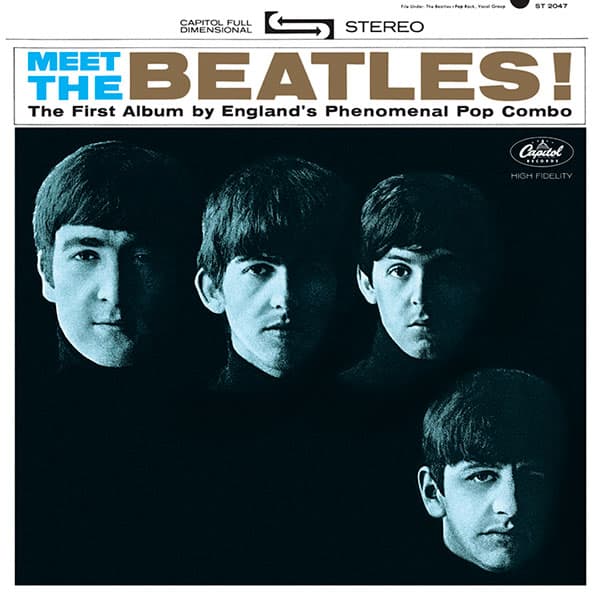
Capitol assembled it themselves from a British album and some singles. The half-shadowed cover photograph came from a hotel session that took barely an hour.
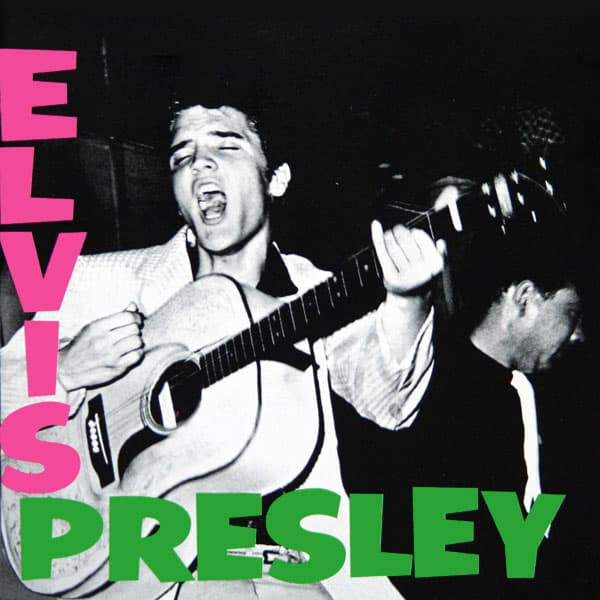
Five of the tracks were leftovers from his Sun sessions. The Clash copied the sleeve, pink and green lettering and all, twenty-three years later.
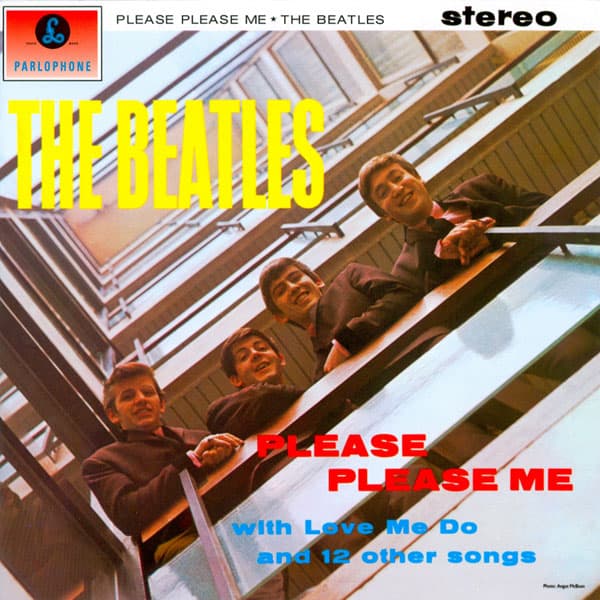
Recorded in a single day. Lennon had a heavy cold and sang Twist and Shout last, in one take, because his voice was about to go.

The mandolin on Maggie May was played by a session man paid fifteen pounds, whose name Stewart admitted he had forgotten in the sleeve notes.
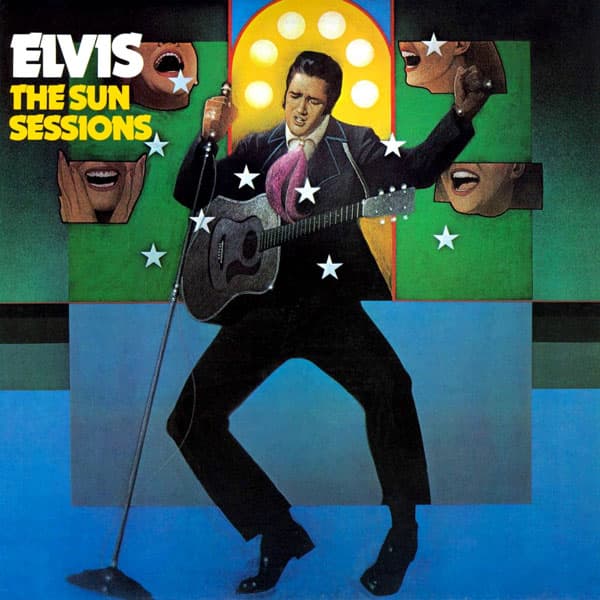
Elvis was a nineteen-year-old truck driver. That's All Right came out of the three of them messing about during a break Sam Phillips had called.

The words to Tutti Frutti were too obscene to record, so a local songwriter rewrote them in fifteen minutes over a lunch break.

Berry trained as a beautician and worked on a car assembly line in St. Louis when Muddy Waters told him which Chicago label to try.

Merry Clayton was called in at midnight, heavily pregnant, to sing on Gimme Shelter. Her voice cracks on the third take and Jagger whoops.