
Concert by the Sea
1956
Garner could not read music, and the tape came from an amateur recorder someone happened to be running at the back of the hall.
★ 2.9
 skopia
Garner could not read music, and the tape came from an amateur recorder someone happened to be running at the back of the hall.
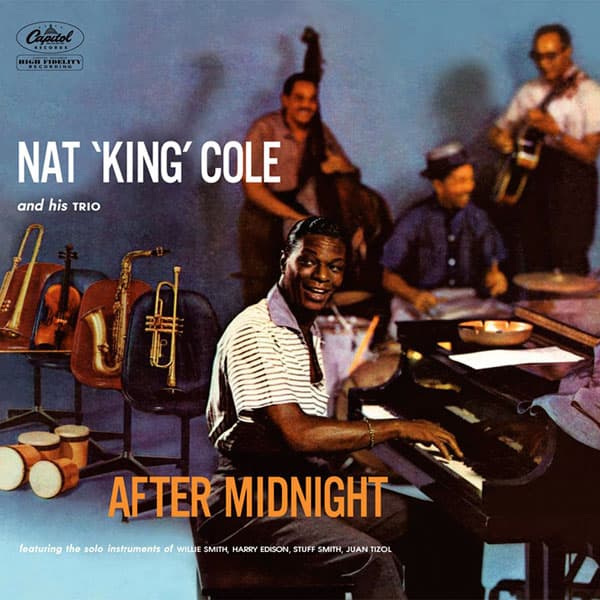
By 1956 Cole was a pop star who rarely played piano. Here he sits back down at it, with a small group, after hours.
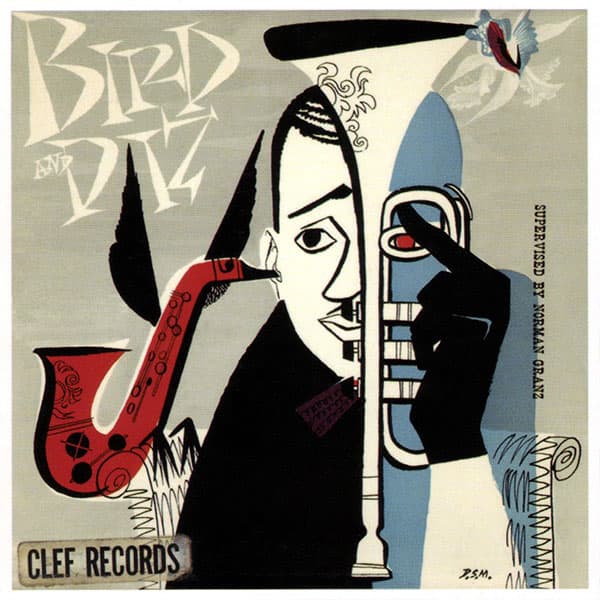
Parker and Gillespie's last studio meeting, with Monk on piano, playing fast enough that the rest of jazz spent a decade catching up.

Her voice had gone by then, and she sings behind the beat and around the notes, which turns out to be the whole point.
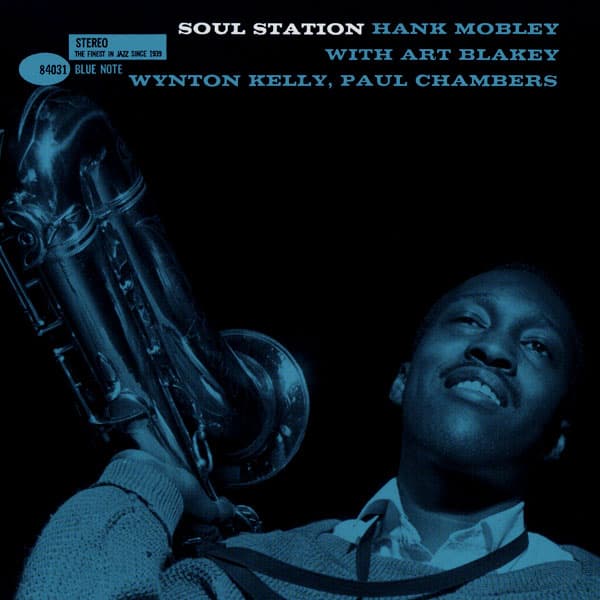
A critic called Mobley the middleweight champion of the tenor saxophone, meaning he never played loudly, and this is where that pays off.
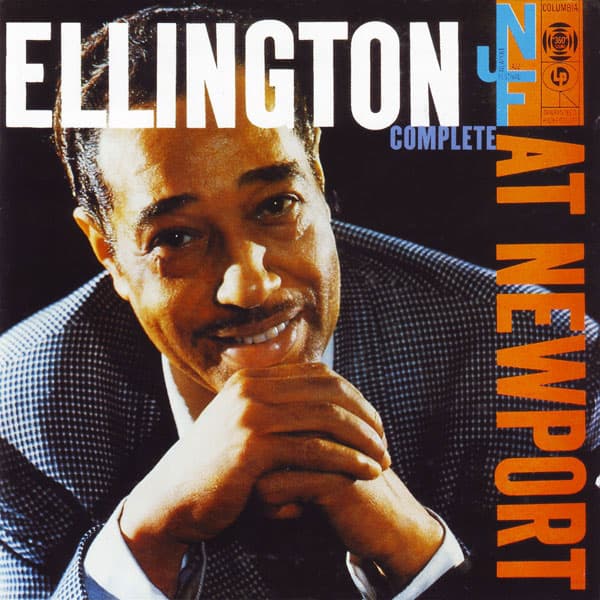
The tenor player Paul Gonsalves took twenty-seven choruses in a row and the crowd nearly rioted. Much of the record was quietly redone afterward.
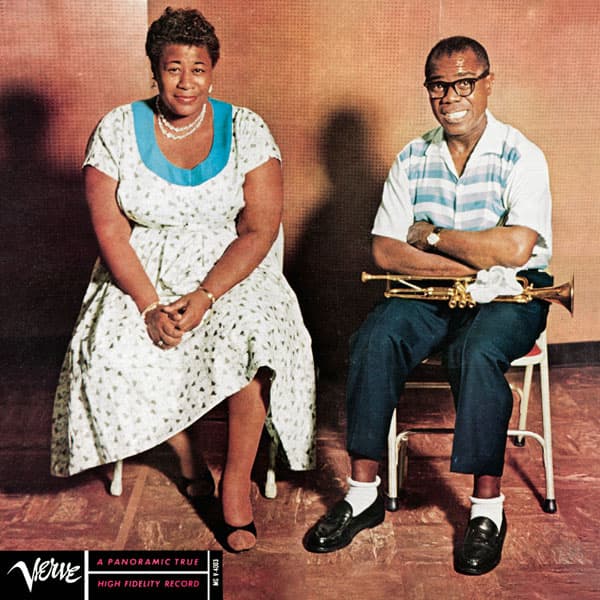
Two voices at opposite ends of everything, one crystalline and one like gravel, backed by the Oscar Peterson quartet with no written arrangements.
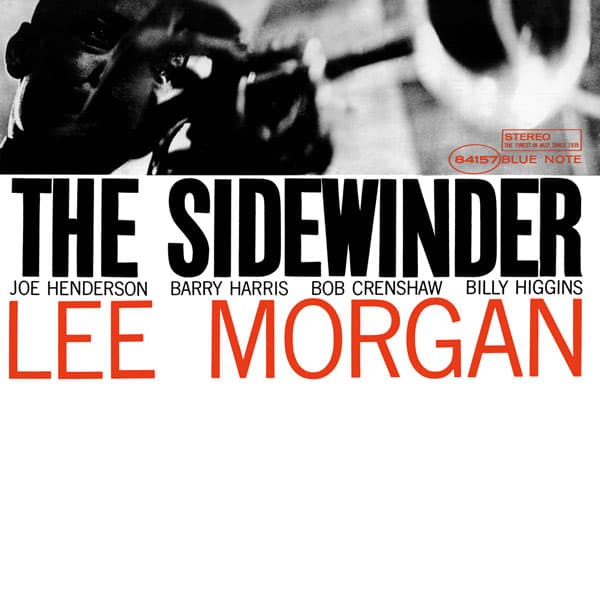
Chrysler used the title track in a television advertisement without asking, and the record sold well enough to steady Blue Note's finances for years.

Miles Davis plays as a sideman here, on someone else's record, which he almost never did before or after.
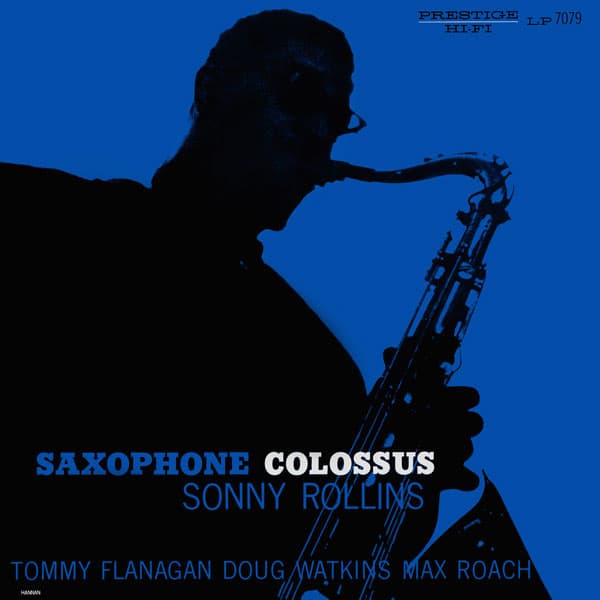
St. Thomas is a calypso his mother sang him as a child. A critic later analyzed one solo bar by bar to show it was composed.
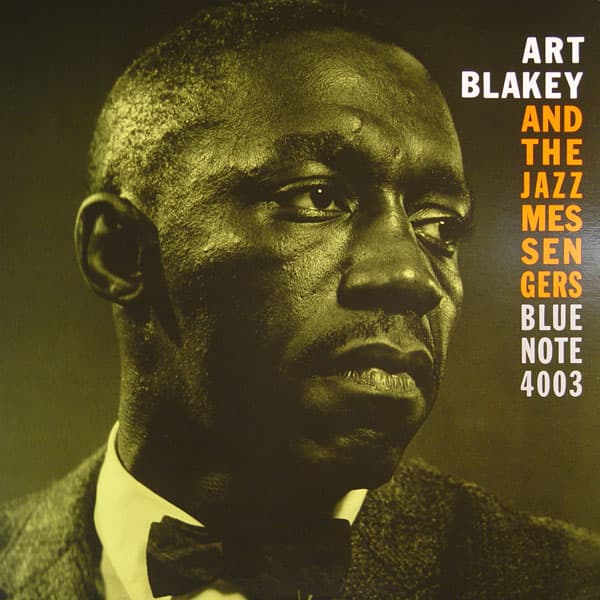
The pianist Bobby Timmons wrote the title tune as a joke riff the band kept asking him to finish. It answers itself like a hymn.

The title track was so hard to play that after twenty-five attempts they gave up and spliced a version together from pieces.
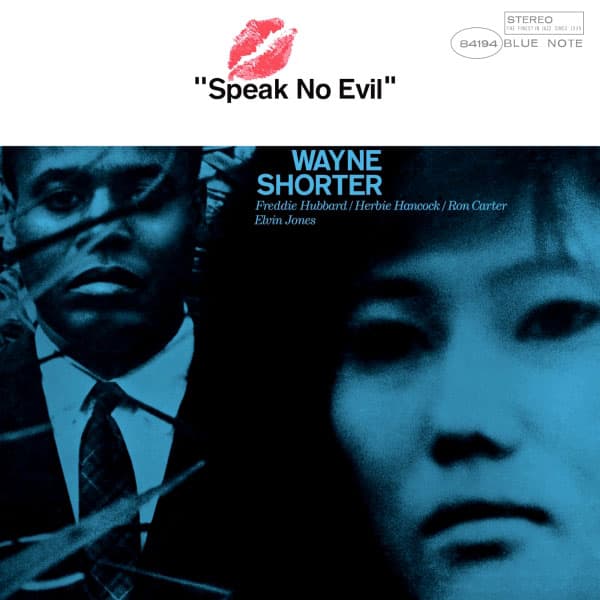
Shorter wrote these while working in Miles Davis's band and said he was thinking about folk tales and misty landscapes with witches.
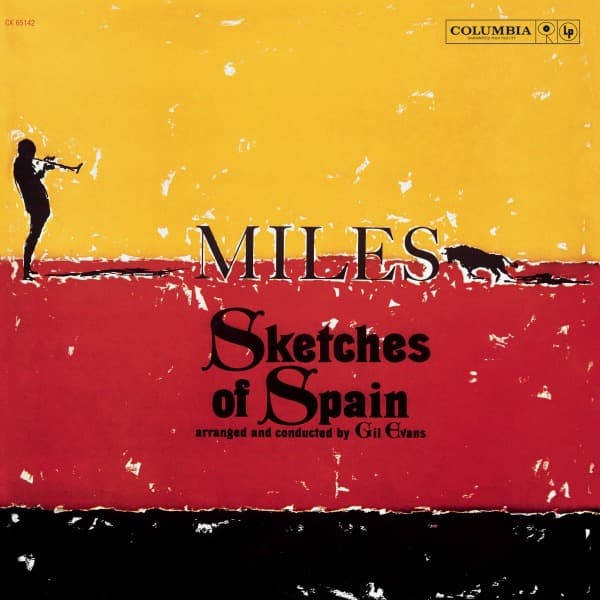
Gil Evans built it around a Spanish guitar concerto, scoring the solo part for trumpet. It took months and nearly broke both of them.
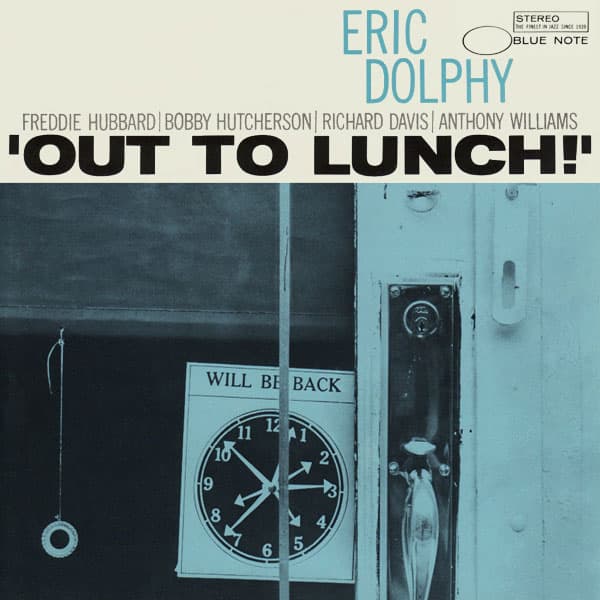
There is no piano on it, just Bobby Hutcherson's vibraphone holding the harmony loosely enough that the tunes never quite settle.

Recorded in 1949 and 1950 by a nine-piece band with a tuba and a French horn, and not gathered onto one record until 1957.

Scott LaFaro plays the bass as a third melodic voice rather than keeping time. He was killed in a car crash ten days later.
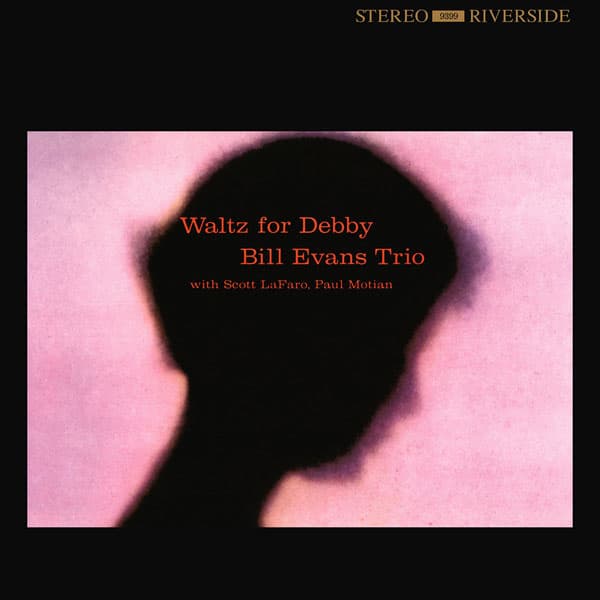
Both this and its companion record come from a single Sunday at the Village Vanguard, and glasses and conversation carry through every track.
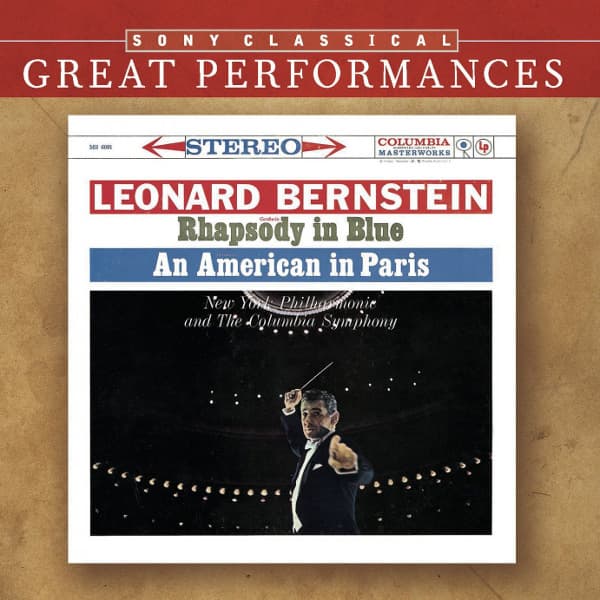
The famous clarinet wail at the start was a joke the player improvised in rehearsal, and Gershwin told him to keep it in.
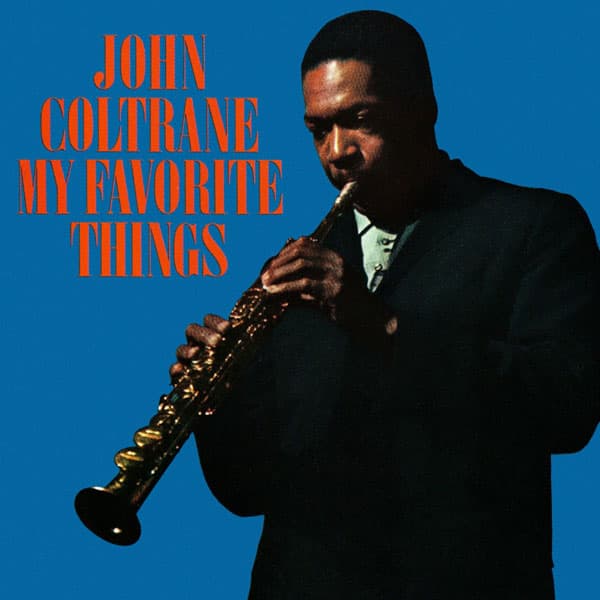
Coltrane picked up the soprano saxophone, an instrument almost nobody played then, and stretched a show tune over two chords for thirteen minutes.