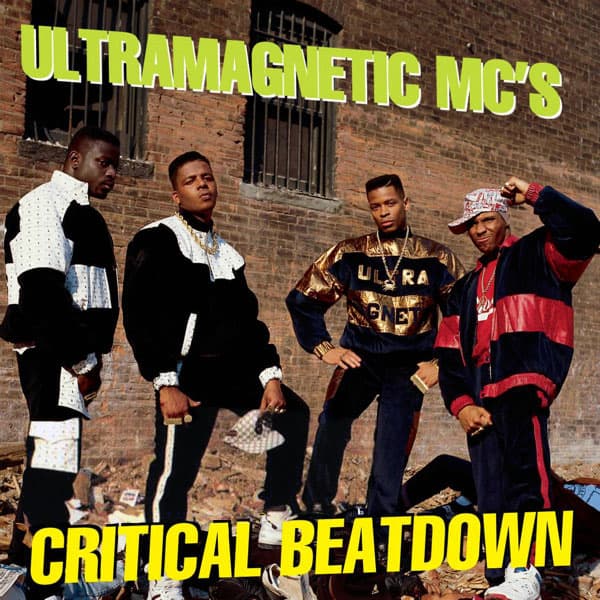
Critical Beatdown
1988
Ced-Gee had already programmed half of Criminal Minded for Boogie Down Productions before making this, and Kool Keith raps like nobody else at all.
★ 4.0
 skopia
Ced-Gee had already programmed half of Criminal Minded for Boogie Down Productions before making this, and Kool Keith raps like nobody else at all.
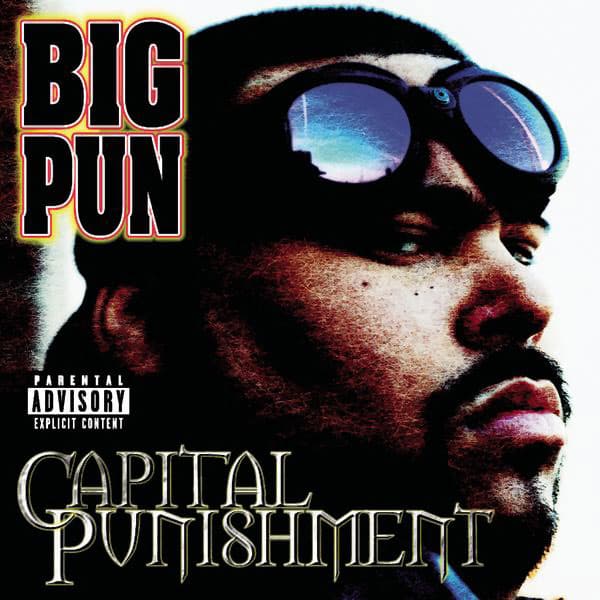
The first solo album by a Latino rapper to go platinum. Big Pun was dead of a heart attack two years later, at twenty-eight.

This is where DJ Premier worked out his method of chopping a record into single notes and rebuilding the melody from the pieces.

Kane was already ghostwriting for half the Juice Crew when he made it, and Marley Marl gave him beats built from single drum hits.
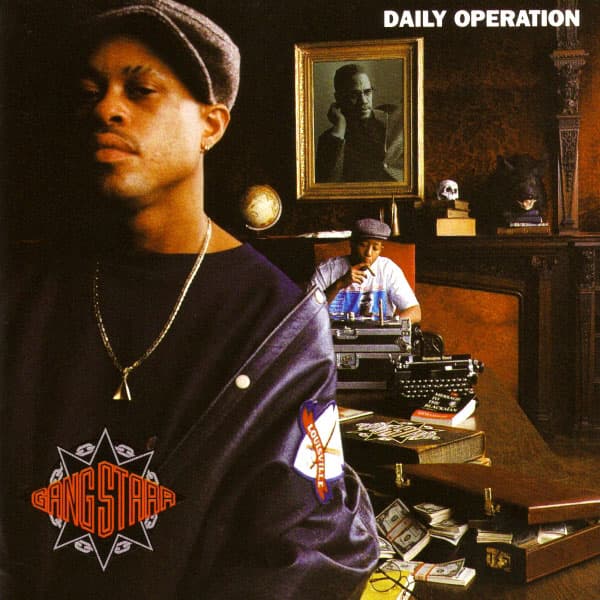
DJ Premier chopped the loops so short they barely repeat, and Guru delivers everything in the same flat voice, which somehow makes it land harder.

Jay-Z sampled children singing from the musical Annie for the title track, an idea nobody around him thought would work until it did.

Scott La Rock was shot dead a few months after it came out, which turned the guns on the sleeve into something else entirely.
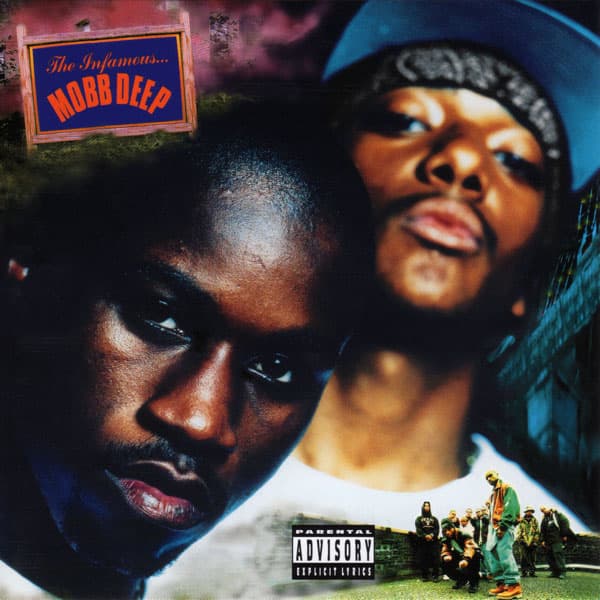
Havoc and Prodigy were nineteen when they made it. Q-Tip helped with the production and is credited on the sleeve under a false name.

It came out on a purple cassette, and Ghostface Killah appears on so much of it that people argue whose album it really is.

Rakim rhymes inside his lines rather than only at the ends of them, and delivers all of it without ever raising his voice.
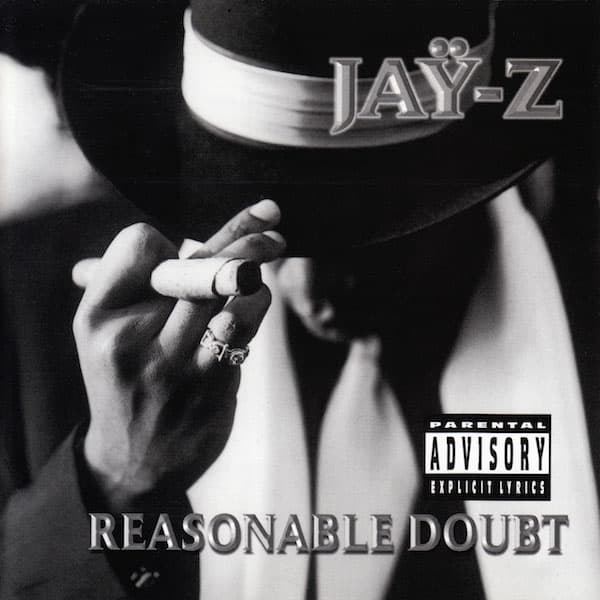
No label would sign him, so Jay-Z started his own with two friends and sold the CDs out of the trunk of a car.

A synthesized voice introduces the tracks like a museum tour guide, and the cover is a grid of about seventy other rappers' faces.

It came out sixteen days after Biggie was shot dead in Los Angeles, a double album he had finished and titled beforehand.

Ron Carter, who played bass with Miles Davis, appears on one track and made them promise there would be no swearing on it.

RZA negotiated a deal letting every member sign solo elsewhere, then recorded the group in a basement on deliberately cheap, muddy equipment.

The opening traces his life from the delivery room to prison in about three minutes. Puffy made him rewrite half of it for radio.
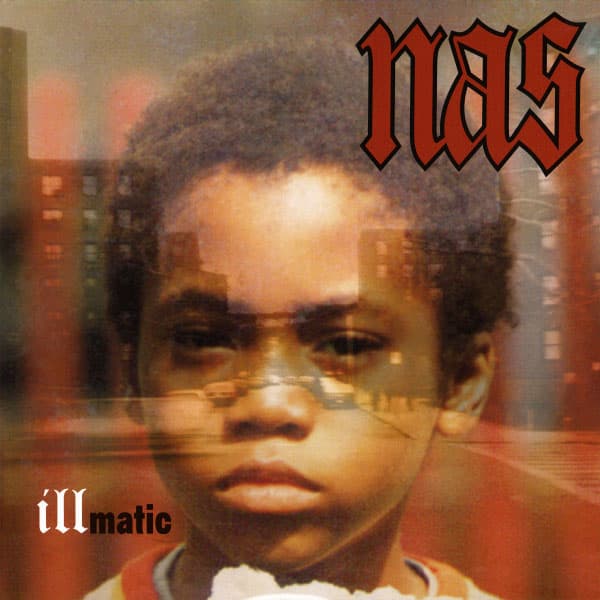
Ten tracks, under forty minutes, made by a twenty-year-old with the best producers in New York each giving him one beat.